
Your cart is currently empty!
Why Rising Fuel Prices from the Iran War are Only the Beginning of Your Higher Bills

When headlines focus on conflict in the Middle East, the first worry for many is the rising price of a gallon of gas. Yet, the impact of a global crisis rarely stops at the fuel pump. The reality is that international instability acts like a stone thrown into a pond, creating waves that eventually reach the most personal parts of a household budget.
Contents
show
From the cost of a simple carton of eggs to the interest rates on a family car, the true price of war is often hidden in the small details of daily life. Knowing how these distant events connect to a local neighborhood is the first step in staying steady when the world feels unpredictable.
Why Conflict Abroad Raises Prices at Home
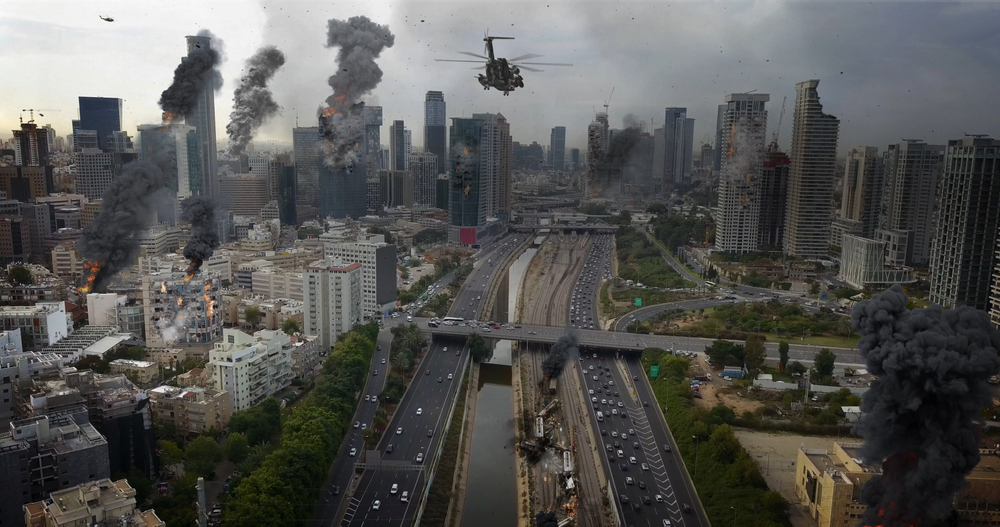
When a major conflict starts in the Middle East, people usually notice the price of gas going up first. But oil prices actually control the cost of almost everything we buy at the grocery store. About a fifth of the oil the world uses every day passes through the Strait of Hormuz. Any trouble in that area causes global energy prices to spike, which makes diesel fuel much more expensive.
Diesel is what keeps the supply chain moving. In the United States, trucks carry more than 70 percent of all domestic freight. Every carton of milk, fresh vegetable, and box of cereal depends on trucks to get from farms and factories to local supermarkets. When it costs more to fill up an eighteen wheeler, the companies moving these goods have to spend more money. Those extra delivery costs eventually show up on the receipt at the checkout counter.
The connection goes even deeper than the delivery trucks. Farms need petroleum to make fertilizer and to run tractors and harvesters. A jump in crude oil means it costs more simply to grow and pick crops, long before they are ever packed in boxes. Sustained high energy prices push inflation higher across the board. Shoppers will likely feel this pinch on basic household items first, proving that conflicts happening thousands of miles away can directly shrink a family grocery budget.
Booking a Flight? Expect the Surcharge

Planning a family vacation or a flight to see relatives is about to become noticeably more expensive. Just as the global supply chain relies on diesel, commercial airplanes burn massive amounts of jet fuel. Fuel is typically the second largest expense for any airline, accounting for roughly twenty to thirty percent of total operating costs. When international conflict causes crude oil to surge, the cost to fill a commercial jet skyrockets almost immediately.
Airlines simply cannot absorb these massive financial hits on their own. To stay afloat, carriers inevitably pass the extra expense directly to passengers. Travelers will start seeing this at checkout in the form of higher base fares or added fuel surcharges. The longer the flight, the more painful the price jump will be, since fuel makes up an even larger portion of the cost for long distance international travel.
Industry leaders are already acknowledging the shift. Alexander Lao, president and chief commercial officer of Cebu Pacific, recently explained the reality of the situation: “This clearly will have a material impact in terms of pricing because ultimately airlines, like many transport companies, will have to pass some of these higher fuel costs to consumers.”
While some major airlines use financial contracts to lock in lower fuel prices temporarily, those safety nets only last for a few months. If the conflict drags on, those protections expire. A drawn out crisis guarantees that everyday travelers will end up footing the bill for global instability every time they try to book a flight.
Paying More for the Plastic Wrapper
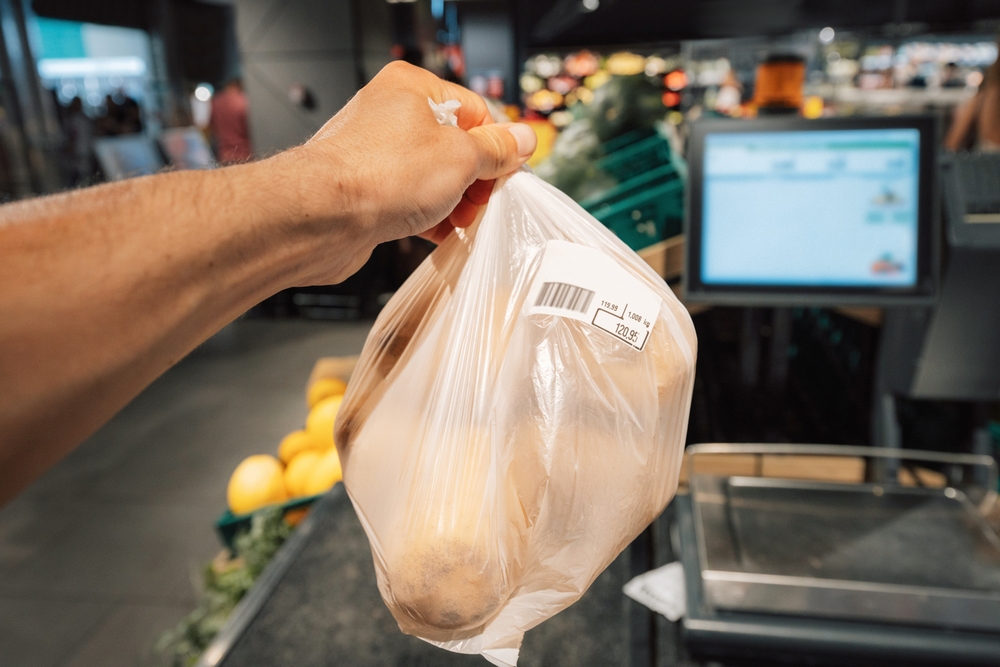
When walking down the supermarket aisle, it is easy to forget that petroleum is an essential ingredient in almost everything on the shelves. Beyond the fuel required for delivery trucks, crude oil is the primary building block for the plastic packaging that keeps food fresh and household products secure. From the film wrapping around a block of cheese to the rigid plastic of a shampoo bottle, rising oil prices directly inflate the cost of simply putting products into containers.
The Middle East is one of the leading global exporters of polyethylene, a common plastic precursor. With critical shipping routes severely disrupted, the global supply of these crucial materials has tightened. Packaging manufacturers are suddenly facing massive spikes in the cost of resins and polymers.
For companies making daily essentials, absorbing these extreme expenses is rarely an option. Instead, shoppers will likely experience a phenomenon known as shrinkflation. Rather than drastically raising the price tag, manufacturers often quietly reduce the size or weight of the product inside the package.
Industry experts are already signaling this shift. Mayank Shah, vice president at the major snack manufacturer Parle Products, recently highlighted this exact dilemma as international crude prices surged. “Packaging alone accounts for 15 to 20 percent of our costs,” Shah explained. “If oil prices stay at current levels, we may have to reduce grammage in smaller packs while increasing prices of larger packs.”
Your Monthly Payments Are Rising

It might seem strange to link a barrel of crude oil to a monthly mortgage payment, but the connection is very real. When international conflict causes global energy prices to jump, the cost of manufacturing and shipping automatically goes up. As a result, the overall cost of living rises across the board. This broad increase in prices is what economists call inflation.
To fight inflation, central banks like the Federal Reserve generally keep interest rates high to cool down the economy. When interest rates stay elevated, borrowing money becomes much more expensive for the average person. If you are trying to buy a house, finance a reliable used car, or simply carry a balance on a credit card, you will end up paying significantly more in interest charges every month.
Financial experts are closely watching this exact chain reaction unfold as the Middle East conflict continues. Mark Zandi, Chief Economist at Moody Analytics, recently noted that inflation remains “uncomfortably and persistently high” for basic necessities. Because these essential costs are stubbornly elevated, central banks are effectively forced to hit pause on making borrowing cheaper.
For families trying to pay down everyday debt or save for major life milestones, these elevated interest rates serve as another hidden tax tied directly to global instability.
Taking Control When the World Feels Uncertain

While no one can control the price of global oil, preparing for the fallout is possible. Moving from a mindset of panic to one of planning is the most effective way to handle the financial aftershocks of a conflict. Building a small emergency fund that covers three to six months of basic living expenses provides a vital safety net. This buffer helps absorb sudden spikes in energy bills or grocery costs without causing a total budget crisis.
A proactive approach to spending can also help fight the effects of inflation. This involves looking closely at monthly expenses and identifying non-essential subscriptions or habits that can be paused if costs rise sharply. While inflation makes borrowing more expensive, it often leads to better interest rates for people with savings. Moving money into a high-yield account allows cash to grow faster, which can help offset the extra money spent at the gas pump or the supermarket.
Resilience is really about setting up systems before a crisis hits. Financial planner Alexa von Tobel explains that money management is becoming less about discipline and more about system design. She suggests automating finances and using tools that provide clarity so that a plan stays on track even when the world feels chaotic. The goal is to be prepared rather than just reacting to daily headlines. Staying focused on personal goals protects peace of mind, ensuring that financial health does not have to become a casualty of distant conflicts.