
Your cart is currently empty!
A New Mom’s Last Act of Kindness Changed Twelve Families Forever
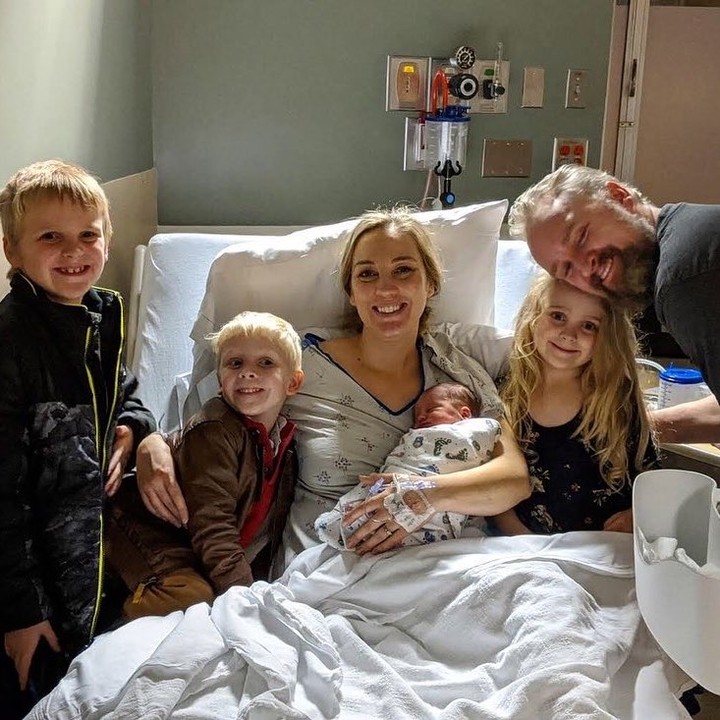
Stories of generosity often appear in quiet moments rather than dramatic headlines that dominate the news cycle. Sometimes the most powerful acts of humanity take place inside hospital rooms, family homes, or conversations between loved ones. One mother’s final wish after welcoming her newborn into the world has become a powerful reminder of how compassion can ripple through countless lives in ways people may never fully see. Her story has moved readers across the country because it blends heartbreak, courage, and an extraordinary act of humanity that continues to inspire reflection.
Contents
show
Just days after giving birth, the young mother faced a devastating medical crisis that no family could have anticipated. What began as a joyful period of bonding with her newborn quickly transformed into a frightening situation filled with uncertainty and urgent medical care. While her family struggled with the unimaginable reality that she might not survive, she expressed a clear and deeply selfless desire. Even in those fragile moments, she focused not on fear but on how she might help others.
Her wish was simple yet profound, and it revealed the remarkable clarity of her character. If she could not continue living, she wanted her organs donated so others could have a second chance at life. For many people, such a decision requires careful planning and conversation long before a medical crisis occurs. Yet she expressed it with sincerity and determination, turning what could have been only a tragic ending into an opportunity to save lives.
According to reporting by ABC News, her donation ultimately helped save twelve lives. That number represents far more than a statistic because each transplant recipient carries a personal story of survival and hope. What began as a deeply personal choice soon became a story that inspired thousands who learned about her remarkable final act and the compassion that defined it.

A Joyful Beginning That Quickly Turned Into Crisis
The story began with what should have been one of the happiest moments in a family’s life. The mother had recently welcomed her baby into the world, marking the beginning of a new chapter filled with anticipation and love. Like many new parents, she was adjusting to sleepless nights, caring for a newborn, and experiencing the emotional mixture of excitement and responsibility that comes with expanding a family. These first days often involve learning routines, sharing photos with relatives, and embracing the profound joy of welcoming a new life.
However, shortly after giving birth, she experienced a severe medical emergency that changed everything. Complications rapidly escalated, leaving doctors working urgently to stabilize her condition and determine the best course of treatment. The situation shifted quickly from celebration to fear as loved ones realized the seriousness of the crisis unfolding around them. Hospital hallways that had once echoed with congratulations soon filled with anxious waiting and quiet prayers.
Medical teams attempted every possible treatment to save her life. Doctors, nurses, and specialists worked around the clock using every resource available to them, demonstrating the dedication that defines emergency medical care. Family members gathered at the hospital hoping for signs of improvement while also facing the painful uncertainty that sometimes accompanies critical illness. In moments like these, families are often forced to confront decisions they never imagined they would face.
Despite the growing concern around her condition, the mother remained focused on the wellbeing of others. Even as her health declined and doctors struggled to control the complications, she continued to think beyond her own situation. Rather than focusing solely on fear or despair, she expressed thoughts about how she might help others if the worst outcome became unavoidable. That perspective revealed the compassion that would soon define her legacy.
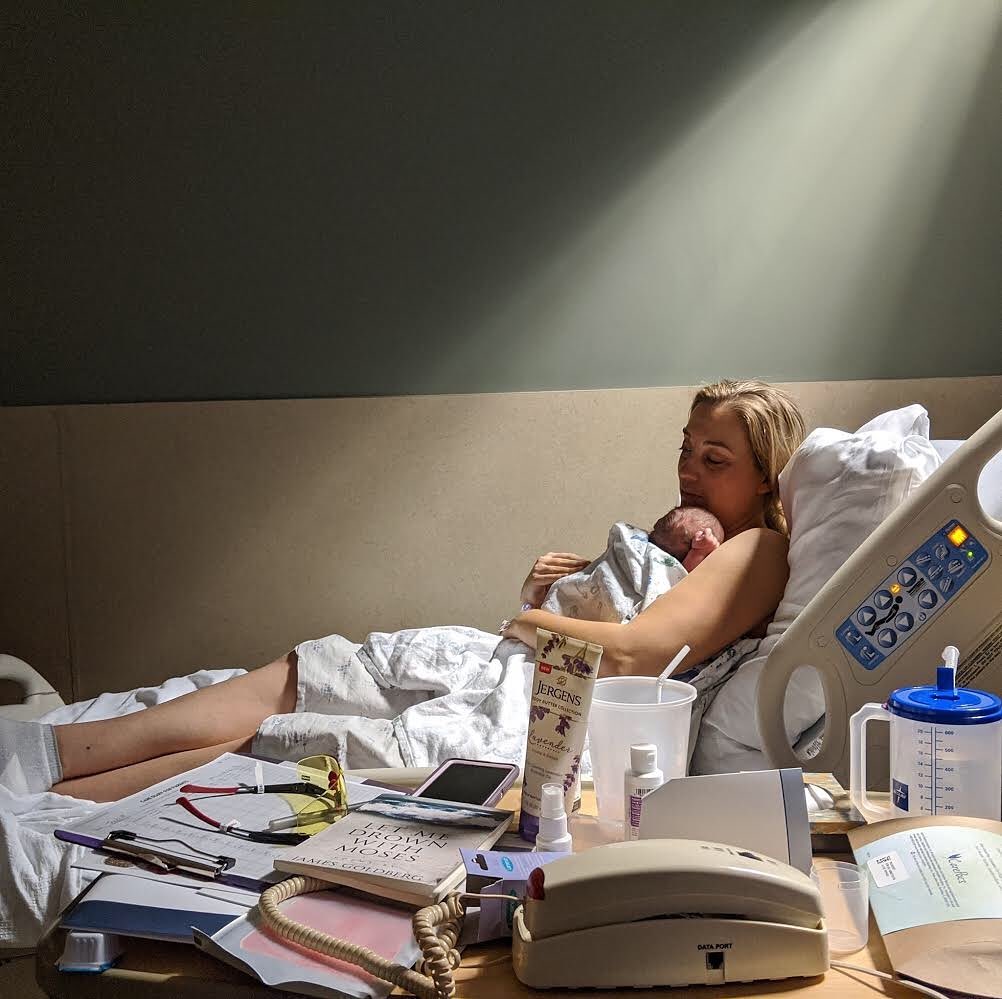
A Mother’s Selfless Wish
During this difficult time, the mother communicated a wish that would later define how people remembered her life. She told her loved ones that if she did not survive, she wanted to donate her organs to help as many people as possible. Her request reflected both compassion and clarity during an incredibly emotional moment when many people might struggle to think beyond their own circumstances. It demonstrated an awareness that even in tragedy, there can still be opportunities to help others.
Organ donation is often discussed in theory through public awareness campaigns and health education programs. However, real decisions about donation usually arise during moments of intense emotional pressure. Families must process grief while considering the possibility that their loved one’s organs could help others continue living. These conversations can be incredibly difficult, especially when emotions are still raw and uncertainty remains.
Her request made that decision easier for those closest to her. Because she had clearly expressed what she wanted, her family understood that honoring her wish would reflect the values she carried throughout her life. Even though they were facing a heartbreaking loss, they knew her final request represented a continuation of the kindness she had always shown to others.
According to coverage from ABC News, her loved ones later described feeling proud of her decision despite their grief. They explained that helping others was consistent with the kind of person she had always been throughout her life. While the loss remained deeply painful, knowing that her organs would save lives provided a sense of purpose and meaning during an otherwise devastating time.
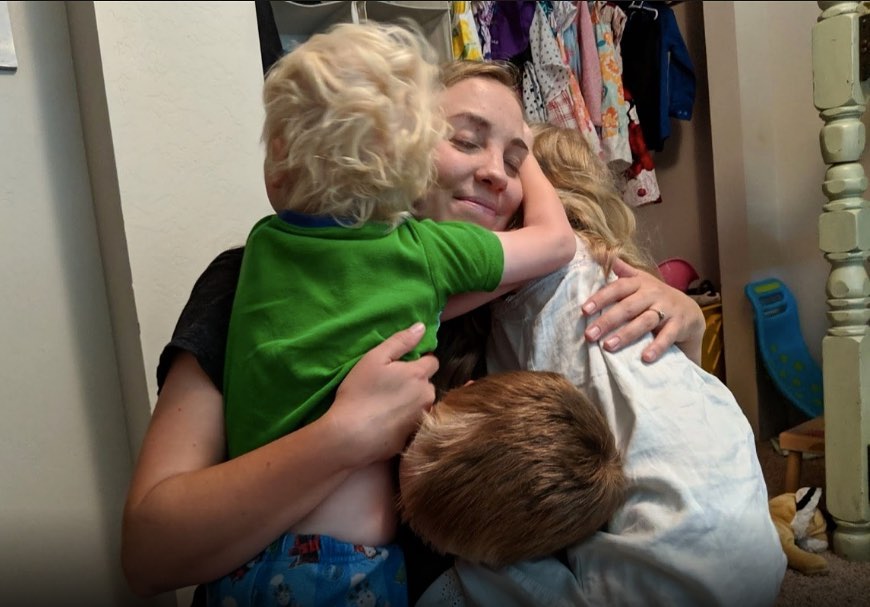
How Organ Donation Can Save Multiple Lives
Many people are surprised to learn how many individuals a single donor can help. Organ donation does not simply save one life, and its impact often extends far beyond what people initially imagine. In many cases it can transform the futures of numerous patients who are waiting for life saving transplants. For individuals facing organ failure, a donor can mean the difference between continued decline and a renewed opportunity to live.
Medical professionals explain that organs such as the heart, liver, kidneys, lungs, and pancreas can be transplanted into patients whose own organs have failed due to illness or injury. Each transplant represents a chance for someone who may have been facing limited time to regain health and continue living with their families. For parents, children, and loved ones of transplant recipients, that opportunity can feel nothing short of miraculous.
In addition to major organs, tissue donation can restore vision, repair damaged skin, and assist people recovering from severe injuries. Corneas can help restore sight to people who were previously unable to see clearly. Skin grafts can help burn victims recover from devastating injuries. The ripple effect of donation therefore extends beyond the immediate recipients and into the broader world of medical care and recovery.
In this mother’s case, doctors were able to recover multiple organs and tissues for transplant. According to reports, those donations ultimately helped save twelve lives. Twelve individuals who had been waiting for hope suddenly received a new chance at the future. Each transplant represents a powerful reminder that generosity can extend far beyond a single moment.
The Families Who Received a Second Chance
Behind every transplant number lies a deeply personal story that often remains invisible to the public. Each of the twelve recipients had their own struggles, families, and hopes that depended on the possibility of a donor becoming available. Many had spent months or years navigating medical appointments, treatments, and the uncertainty that comes with serious illness.
Transplant recipients often spend long periods waiting for a compatible organ to become available. During that time their health can decline significantly while they remain on transplant lists monitored by medical teams. The waiting process can be emotionally exhausting for patients and their loved ones as they balance hope with the reality that time may be limited.
For them, the call that a donor has been found often feels like a miracle. Hospitals contact patients urgently once a compatible organ becomes available, asking them to come in immediately for surgery. In many cases, that call arrives after months of uncertainty, bringing relief and gratitude to families who have been waiting anxiously.
The donations from this young mother meant that multiple patients received that life changing phone call. While the families may never meet the woman who made their recovery possible, her gift has become part of their everyday lives. Each healthy heartbeat, each breath, and each new milestone experienced by those recipients reflects the extraordinary generosity behind her final decision.

A Legacy of Compassion and Awareness
Stories like this often spark broader conversations about organ donation and the impact it can have on society. Millions of people around the world remain on transplant waiting lists, hoping that a donor will become available before their health declines too far. Awareness stories help encourage people to learn about donation and consider how they might make a difference.
Health organizations frequently encourage individuals to register as organ donors and discuss their wishes with family members ahead of time. Clear communication can help loved ones feel confident honoring those wishes if difficult decisions arise. When families understand what their relatives want, it removes uncertainty during emotionally overwhelming moments.
The story of this mother illustrates how a single choice can create a lasting legacy. While her family continues to grieve the loss of a daughter and mother, they also know that her final wish allowed others to continue living and building their futures. That understanding does not erase the pain of loss, but it offers a powerful reminder that compassion can grow even from tragedy.
Her newborn child will one day grow up hearing about the extraordinary compassion that defined their mother’s final act. Through the lives saved and the awareness raised, her legacy continues to inspire countless people to consider how they too might help others. In that way, her influence extends far beyond the hospital where her story began.
Turning Loss Into a Gift of Life
Tragedy often leaves families searching for meaning in the midst of loss and overwhelming grief. In this case, one mother’s decision transformed heartbreak into hope for twelve different families who were waiting for life saving transplants. Her final act demonstrated that compassion can endure even in life’s most difficult moments.
While organ donation can never replace the person who is lost, it offers something extraordinary in the face of tragedy. It allows one life to extend outward into many others, creating a legacy that continues through the health and survival of transplant recipients. The impact reaches recipients, their families, and communities who witness the power of generosity.
Stories like this resonate deeply with readers because they highlight the best aspects of humanity. They remind people that kindness, empathy, and courage often appear in the quietest yet most powerful decisions individuals make during moments of crisis.
For many who hear this story, the message is simple but deeply meaningful. One person’s willingness to help others can create a legacy that continues long after they are gone. Through twelve saved lives and countless inspired readers, this mother’s compassion continues to shape the world around her.
Featured Image Credit: Courtesy of thethorsons | Instagram