
Your cart is currently empty!
WATCH: 12-Year-Old Left With Empty Yearbook, Then Entire School Shows Up For Him
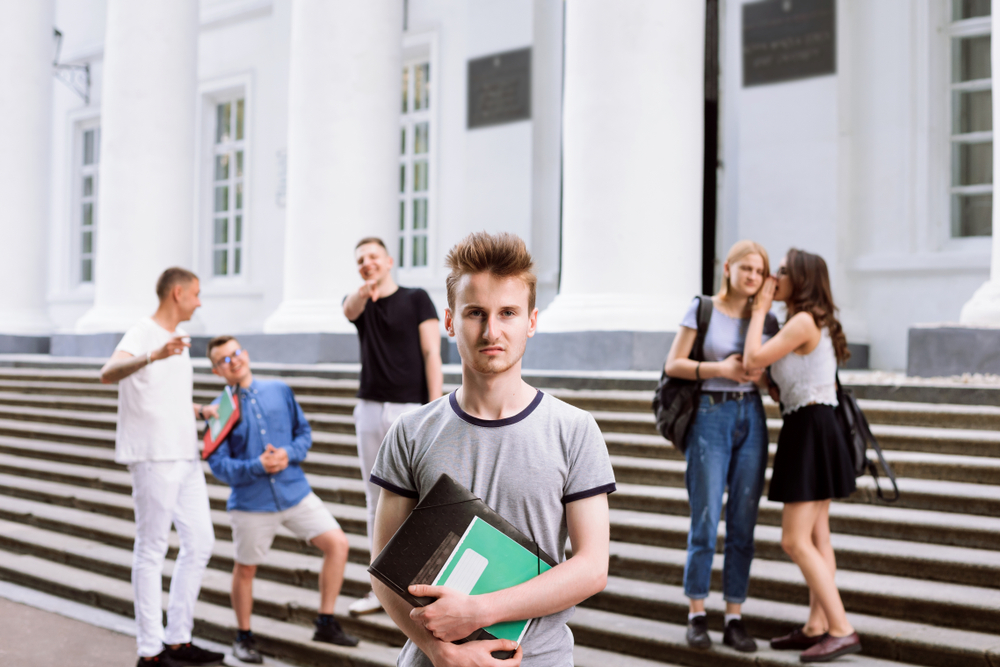
It started with something so small that most people would never notice it, the kind of quiet moment that slips through the cracks of everyday life. A 12-year-old boy came home from school holding his yearbook, something that is usually filled with excitement, laughter, and messages from friends. But when Brody Ridder opened his, it told a very different story. Most of the pages were empty, with only a few signatures scattered across them, and one message that stood out more than anything else. “Hope you make some more friends. — Brody Ridder.” It was a note he had written to himself, and for his mother, Cassandra, that single sentence said more than any explanation ever could about how alone her son had been feeling.
Contents
show
What makes this moment hit so hard is not just the rejection itself, but how familiar it is for so many people. There are countless children who go through school feeling invisible, excluded, or quietly pushed to the edges of social circles, and their stories rarely get told. In Brody’s case, though, something changed. What began as a deeply painful and isolating experience turned into a powerful example of how empathy can spread when people choose to act. It became a story not just about bullying, but about how quickly things can shift when kindness enters the picture.

A Yearbook That Reflected More Than Just a School Year
Yearbooks are supposed to represent connection, a collection of shared memories that students carry with them long after they leave school. They are filled with jokes, signatures, and small messages that might seem insignificant at the time but become meaningful over the years. For many students, getting their yearbook signed is not about popularity, but about feeling seen and remembered by the people around them. That is what made Brody’s experience so painful. When he asked his classmates to sign his yearbook on May 24, he was met with a simple response that carried a lot of weight. “They told me no,” he said, recalling the moment that left him feeling rejected in front of his peers.
When Cassandra saw the yearbook, the impact hit immediately. “It broke my heart,” she said, describing the feeling of seeing her son write a hopeful message to himself because no one else would. It was not just about the lack of signatures; it was about what that absence represented. Brody had already been struggling socially, and this moment felt like confirmation of everything he had been going through. The fact that he tried to comfort himself with his own words showed both resilience and loneliness at the same time.
The yearbook ended up with only a few entries: two classmates, two teachers, and his own note. While that might seem like a small detail to some, it highlighted something much deeper about the role these small traditions play in a child’s life. As one student later explained, signing a yearbook is not just a routine, but about “knowing that you have friends.” Without that reassurance, even something meant to celebrate the school year can become a painful reminder of isolation.
The Ongoing Struggle Behind the Scenes
Brody’s experience did not happen in isolation or come out of nowhere. According to his mother, he had been dealing with bullying for quite some time after transferring to the Academy of Charter Schools in Westminster, Colorado. The move had been made to give him better academic support, but socially, things became much more difficult. “There are kids that have pushed him and called him names,” Cassandra explained, describing the kind of treatment no child should have to endure in a place that is supposed to feel safe.
Although the situation improved somewhat after she raised concerns with school administrators earlier in the year, the emotional impact did not simply disappear. Cassandra noted that “the teasing was still there,” which points to a reality many families face. Even when obvious bullying is addressed, the quieter forms of exclusion and unkind behavior often continue in ways that are harder to detect but just as harmful over time. These subtle actions can slowly wear down a child’s confidence without drawing much attention.
For Brody, this meant going to school each day knowing that fitting in would not come easily. The yearbook incident was not just a single bad moment. It was the result of a longer pattern of feeling left out. That is why Cassandra’s reaction was so strong. She was not just reacting to what happened that day; she was reacting to everything that had led up to it.

A Mother’s Decision That Sparked a Movement
Feeling both heartbroken and frustrated, Cassandra decided to take a step that many parents might hesitate to take. She shared a photo of Brody’s yearbook message in a private Facebook group for parents at the school. Her intention was not to shame anyone or point fingers, but to start a conversation about kindness and awareness. “We try to teach kindness in our family, and not seeing any kindness from students in his class was appalling to me,” she said, explaining why she felt it was important to speak up.
She also understood that sharing something so personal might not be everyone’s approach, but she believed it could lead to something meaningful. “Brody has always told me he wants to be part of the solution,” she added, showing that her decision was rooted in a desire to create change rather than just express frustration. What she hoped for was simple: that other parents would talk to their children and encourage them to be more mindful of how their actions affect others.
What she did not expect was how quickly the post would resonate and how far its impact would reach. As parents saw the post, many shared it with their children, including older students who had never met Brody before. What followed was not something planned or organized, but something that happened naturally as people responded to what they saw.
When Students Chose to Step In
One of the first students to act was 17-year-old Joanna Cooper, who immediately felt compelled to do something after seeing the post. “I’m going to get people, and we’re going to sign his yearbook. No kid deserves to feel like that,” she said, making a quick decision that would soon inspire others. Her reaction came from a place of empathy, remembering what it felt like to be that age and how important small gestures can be.
At the same time, other students were coming to the same conclusion on their own, without any coordination. Simone Lightfoot saw the post and thought, “I’ll get some of my friends, and we’ll go sign it.” Maya Gregory, who had experienced bullying herself, also decided to take action. “When I was younger, I was bullied a lot like him,” she said. “If I could do one little thing to help this kid feel a little better, I’d be more than willing to.”
What makes this part of the story so powerful is that no one told these students what to do. There was no announcement, no plan, and no expectation of recognition. Different groups of students, across different grades, all came to the same conclusion at the same time. They simply chose to show up for someone they did not even know.

The Day Everything Changed for Brody
On May 25, the day after the yearbooks were distributed, those quiet decisions turned into something much bigger. As Brody sat in his classroom, groups of older students began walking in, one after another, each carrying the same intention. For him, it was completely unexpected. What started as a normal school day quickly became something extraordinary as more and more students entered the room.
They began signing his yearbook, filling the pages that had been empty just a day before with messages of encouragement and support. By the end of it, Brody had collected more than 100 signatures, along with phone numbers and even a gift bag. “It made me feel better,” he said, describing how the experience shifted his mood and outlook in a way he had not anticipated.
At first, he felt shy and unsure of how to react, but that feeling did not last long. As students stayed to talk, ask about his interests like chess and fencing, and share their own experiences, the atmosphere changed completely. “It made me feel like I was not alone,” Brody said, capturing the most important part of the moment in just a few words.
A Ripple Effect That Reached His Classmates
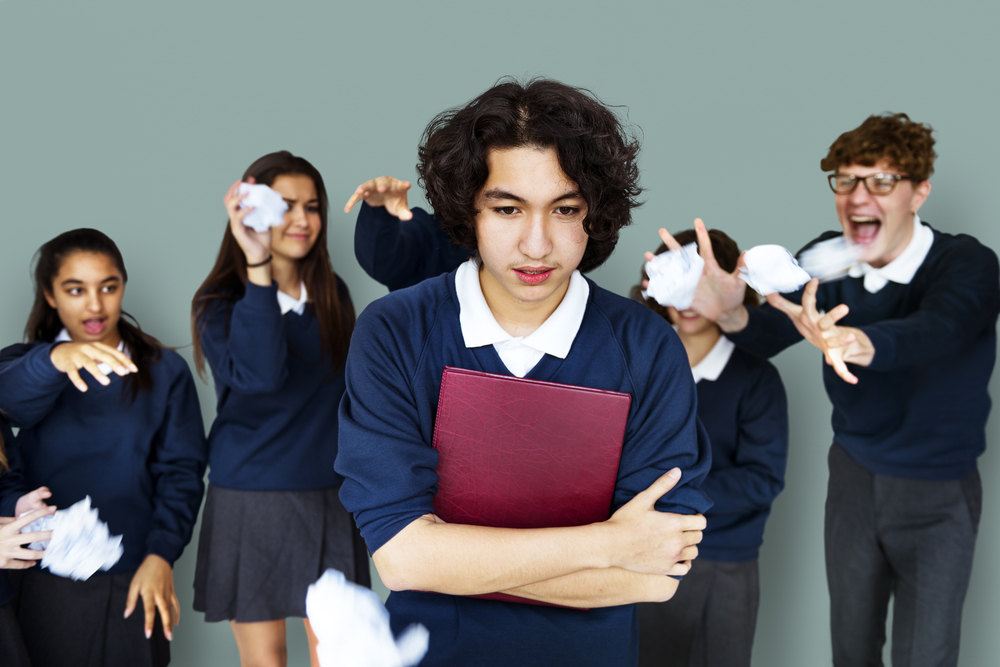
One of the most meaningful aspects of this story is what happened next inside the classroom itself. As Brody’s classmates watched older students come in and show support, something began to shift in their perspective. The same students who had previously refused to sign his yearbook started to see things differently.
Gradually, they began getting up from their seats and adding their own signatures. This change did not come from pressure or instruction, but from witnessing a different example of how someone can be treated. It showed how powerful it can be when kindness is modeled in a visible and genuine way.
Joanna later reflected on this moment, explaining that their goal was simply to make Brody feel included, but it ended up influencing others as well. “Just seeing him light up, it felt really good,” she said. “It was a small thing, but it made him so happy.” That small act created a shift not just for one student, but for the entire classroom.
Why This Story Reflects a Larger Issue
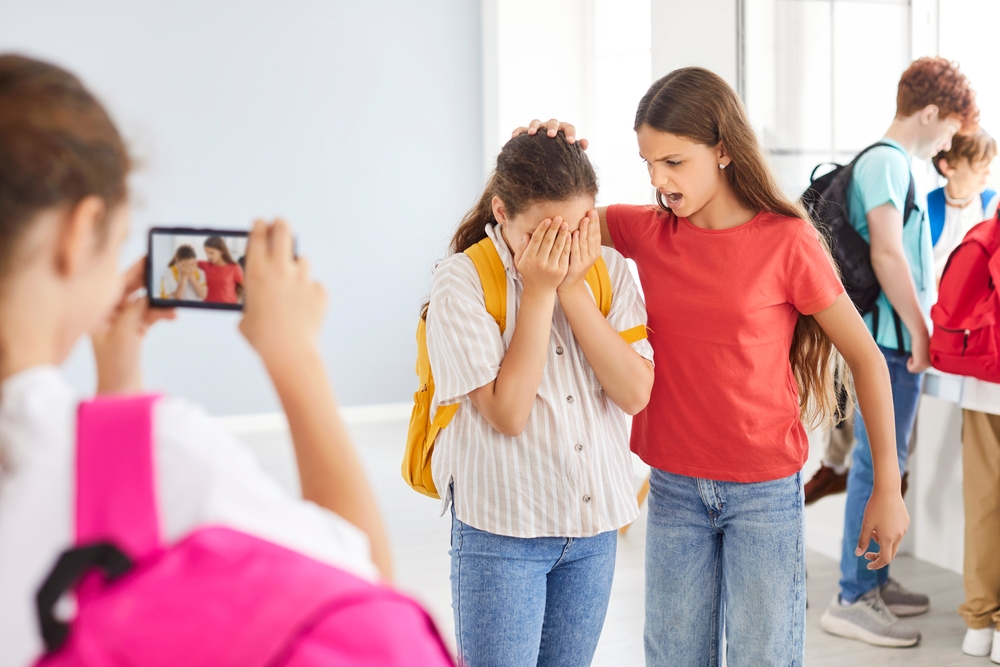
School administrators pointed out that situations like this are becoming more common, especially as students readjust to in-person learning after periods of isolation. Brent Reckman, chief executive at the Academy of Charter Schools, explained that “A lot of students are struggling with peer relationships and social skills,” highlighting a broader challenge that goes beyond one school or one student.
He also emphasized the responsibility schools face in addressing these issues. “It’s up to us to figure out how to help kids and families with it, but it’s a challenge faced by all schools right now,” he said, acknowledging that these struggles are widespread. The story reflects a larger need for understanding, patience, and proactive efforts to support students socially as well as academically.
At the same time, he expressed admiration for the students who stepped in to help. “It can be really tough to be a teenager,” he said. “I was really impressed with how our students stepped up when they saw a peer in need.” Their actions showed that even in difficult environments, positive change can come from within the student community itself.
From One Moment to Lasting Connection
The impact of that day did not end when the school day was over. Brody began forming real connections with the students who had supported him. He exchanged phone numbers and spent time with some of them outside of school, including meeting up for ice cream with Maya Gregory and her friends, turning what started as a single act of kindness into something ongoing.
During those moments, they bonded over shared experiences and offered each other encouragement. Maya shared a piece of advice that stayed with him. “Whoever is trying to bring you down is already below you,” she told him, giving him a perspective that helped reframe how he viewed the negativity he had faced.
For Brody, the most important change was how he felt inside. After experiencing isolation, he now felt connected and supported. The experience did not erase everything he had been through, but it gave him something new, a sense that he mattered and that people were willing to show up for him.
A Reminder of What Small Actions Can Do
Looking back, Cassandra expressed deep gratitude for how everything unfolded. What began as one of the most painful moments for her son turned into something she never expected. “It made me feel like there’s still hope,” she said. “Not just for Brody, but for humanity.” Her decision to speak up created an opportunity for others to act, and their response made a lasting difference.
This story stands out because it shows how quickly things can change when people choose to care. It did not require a large movement or a formal initiative. It started with a few students deciding that someone else’s feelings mattered, and that decision spread in a way no one could have predicted.
In the end, the lesson is simple but powerful. Small acts of kindness are never small to the person receiving them. A signature, a conversation, or even just showing up can completely change someone’s experience. And sometimes, as this story proves, those small actions can turn someone from feeling invisible into becoming unforgettable.
anti bullying, bullying awareness, emotional story, feel good story, heartwarming story, Human Interest, inspiring story, kindness matters, kindness story, positive news, real life story, school bullying, school life, social inclusion, student kindness, student support, uplifting news, viral news, viral school story, yearbook story