
Your cart is currently empty!
People Are Puzzled by How You Can Sail From the U.S. to India in a “Straight Line”
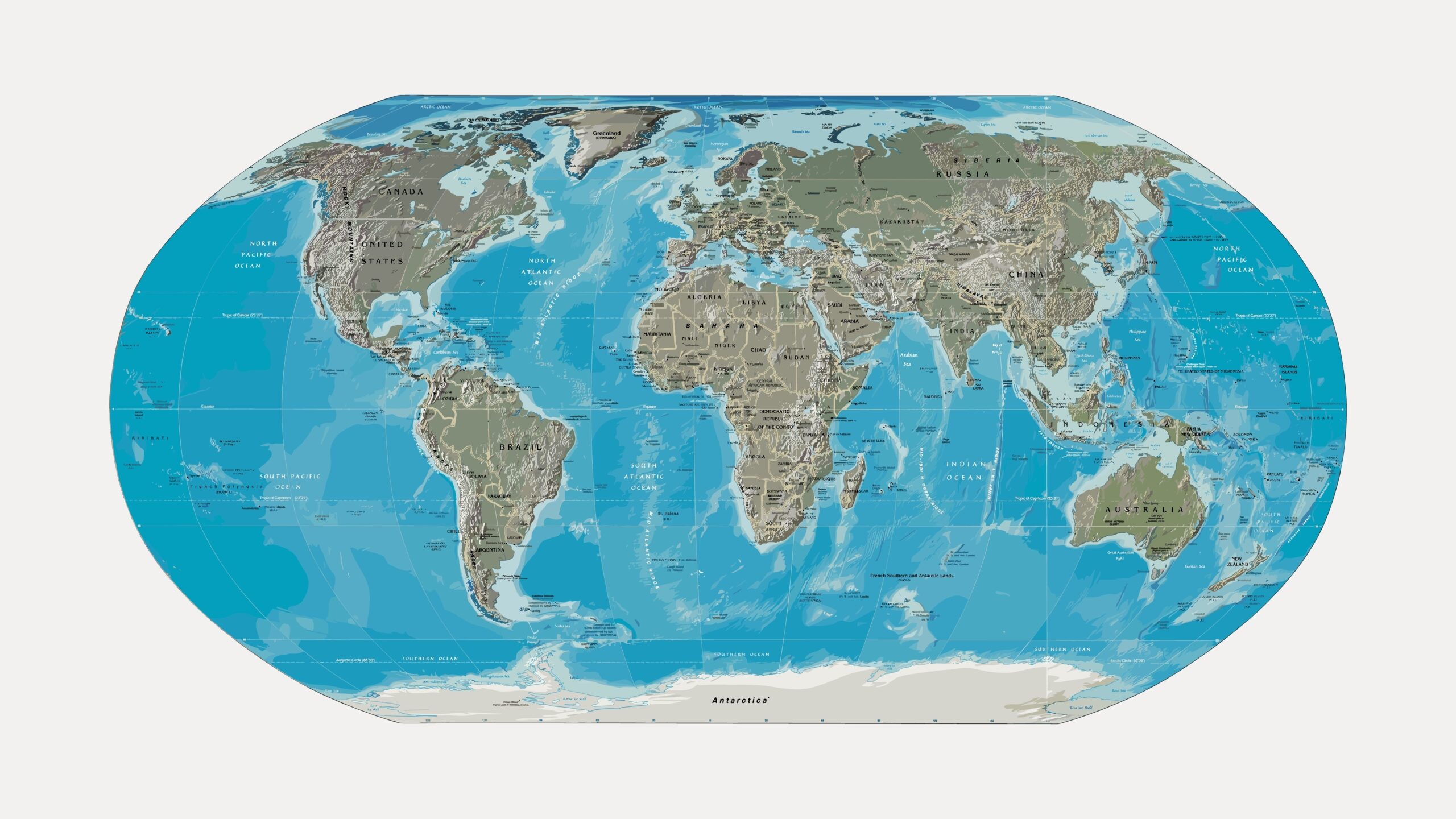
A route from the United States to India that looks curved, indirect, or even impossible on a map is quietly being called a “straight line.” The idea has left many people puzzled, especially when the path seems to bend in unexpected ways or avoid land altogether. What appears confusing at first glance begins to make more sense when the world is viewed a little differently.
Contents
show
Why a “Straight Line” Looks So Wrong on a Map
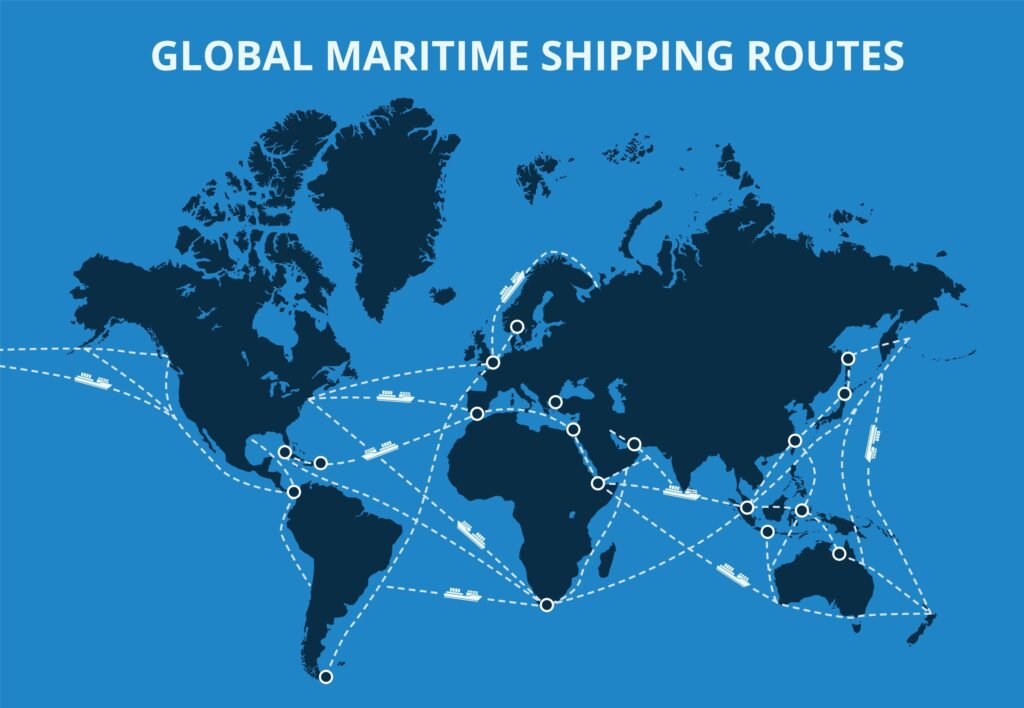
At first glance, sailing from the United States to India in a “straight line” sounds confusing. On a typical world map, the route looks curved or even blocked by land. It does not look straight at all.
The issue comes from how most people see the world. Maps found in classrooms and online are flat, but the Earth is not. When a round surface is stretched into a rectangle, shapes and distances get distorted. This is especially noticeable on widely used maps like the Mercator projection, where areas near the poles appear larger and routes look more curved than they really are.
In reality, the shortest path between two points on a globe is not a straight line on a flat map. It is called a great circle route. This path follows the natural curve of the Earth, which is why it often appears bent when drawn on paper.
This is the same reason airplane routes sometimes look strange. A flight from North America to Asia may seem to take a long curve over the Arctic, but it is actually the most efficient path.
What feels confusing is really a matter of perspective. The map is not wrong, but it does not show distance the way the real world works.
Straight Lines Work Differently on a Globe
To understand the confusion, it helps to rethink what “straight” actually means. On a flat surface, a straight line is easy to picture. But on a curved surface like Earth, the idea changes.
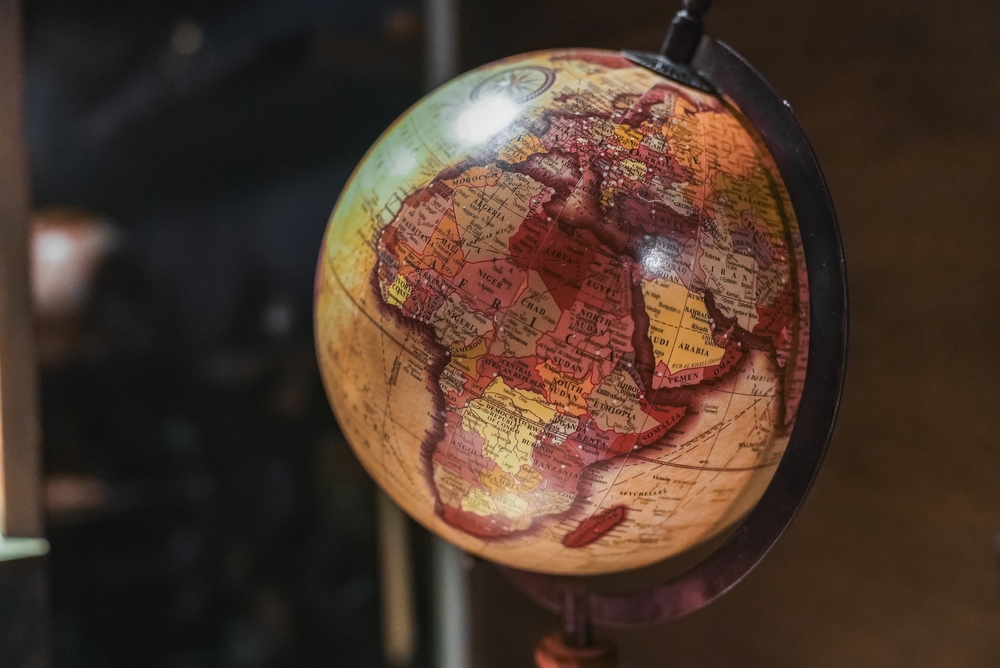
A straight path on a globe is called a great circle route. It is the shortest possible distance between two points on a sphere. If a string is stretched tightly across a globe between the United States and India, the line it forms is the true “straight” path.
This route does not follow the lines people expect on a flat map. Instead, it curves because it wraps around the Earth’s surface. When that same path is drawn on a rectangular map, it appears bent or longer than it really is.
Navigators have understood this for centuries. Long before modern GPS, sailors and explorers used these curved paths to travel more efficiently across oceans. Today, pilots rely on the same principle to save fuel and reduce travel time.
The key idea is simple: straight depends on the surface being used. What looks curved on a map can be the most direct route in the real world.
Why the Route Doesn’t Cross Land
Another reason the idea feels confusing is the assumption that a “straight line” from the United States to India must pass over large landmasses. On a flat map, that often appears to be the case. But when viewed on a globe, the path can stay mostly over water.
The great circle route between these two countries curves in a way that passes across vast ocean areas, including parts of the Pacific and Indian Oceans. Because the Earth is round, the route naturally bends away from what looks like the most direct path on a flat map. This shift is what allows it to avoid crossing major continents.
This is not unusual. Many long-distance routes, whether by air or sea, are planned to follow open water whenever possible. Oceans offer fewer obstacles, fewer restrictions, and more flexibility for navigation compared to land routes, which must account for terrain, borders, and infrastructure.
It is also worth noting that “avoiding land” does not always mean a perfectly uninterrupted ocean journey. Some routes may pass near coastlines or island chains. Still, the overall path remains largely over water when plotted correctly on a globe.
What seems impossible at first becomes clearer with the right perspective. The route only looks wrong when viewed on a flat map.
How This Idea Shapes Everyday Travel

This idea is not just a map curiosity. It plays a key role in how people and goods move around the world every day.
Airlines regularly follow great circle routes to reduce distance, fuel use, and travel time. A flight that looks curved on a map is often the most efficient option. For example, routes between North America and Asia frequently pass near the Arctic, even though that seems out of the way on a flat map.
Shipping works in a similar way. Cargo vessels crossing oceans are planned along paths that balance distance, weather conditions, and safety. While ships may adjust routes to avoid storms or strong currents, the starting point is often the shortest path across the globe.
According to the International Civil Aviation Organization, efficient routing is a major factor in reducing fuel consumption and emissions in aviation. Even small changes in distance can have a significant impact when multiplied across thousands of daily flights.
For travelers, this explains why flight paths rarely match expectations. For industries, it is about cost, safety, and environmental impact.
What may seem like a visual illusion is actually a practical tool used across modern transportation.
Seeing the World a Little Differently
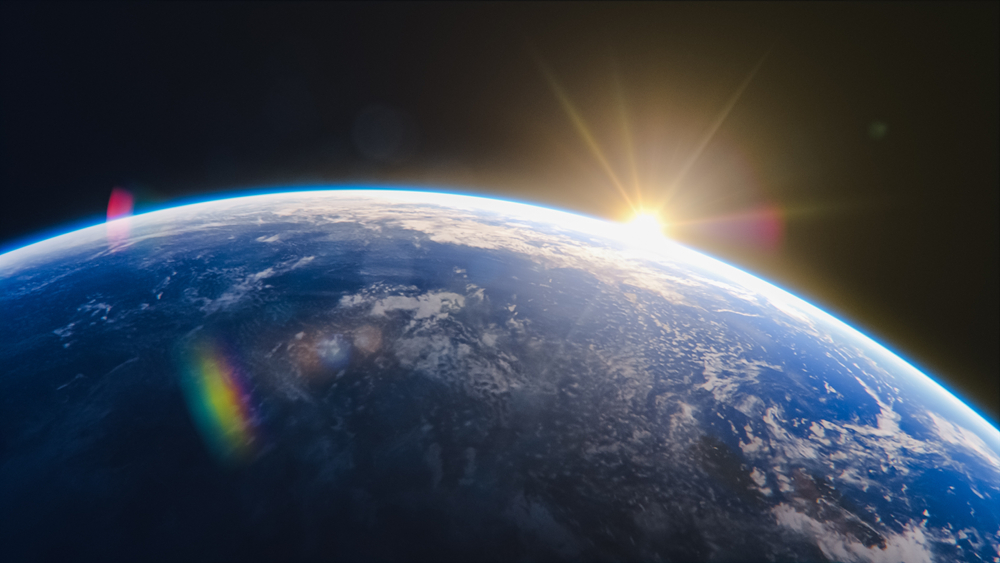
The confusion around this topic comes down to something very simple. Most people are used to looking at flat maps, not a round Earth.
From a young age, maps on screens and in books shape how distance and direction are understood. So when a “straight line” looks curved or unexpected, it feels wrong at first. But the issue is not the route. It is the way it is being viewed.
Groups like the National Geographic Society have long explained that every flat map changes the true shape or distance of places in some way. That means some routes will never look quite right unless they are seen on a globe.
A simple way to think about it is this: the world is not flat, so the shortest path will not always look straight on a flat surface.
Once that idea clicks, the confusion fades quickly. What looked strange starts to make sense.
It is a small reminder that sometimes, things only seem complicated because of the way they are presented. Changing the point of view can make all the difference.