
Your cart is currently empty!
A Georgia Teen Beat Cancer and Got One Wish. He Spent It on 300 Strangers.
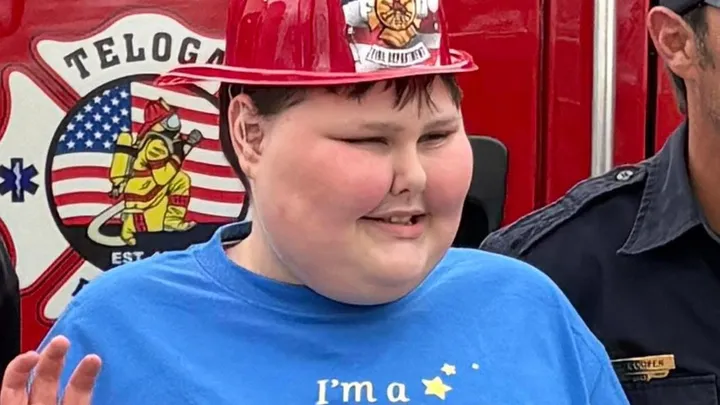
When Make-A-Wish Foundation volunteers sat down with Jude Baker to talk about his one wish, they expected familiar answers. A trip to a theme park. A meeting with a famous athlete. Maybe a dream vacation, or a new gaming setup. Children between the ages of 3 and 17 who qualify for the program have earned every ounce of joy the organization can deliver, and most of them arrive at the conversation knowing what they want.
Contents
show
Jude arrived knowing, too. But his answer was nothing the team had anticipated, and it left even the most experienced coordinators searching for words.
Before that conversation could happen, though, a boy from Georgia had to survive something that would reshape the way he saw the world and every person in it.
Ringing the Bell
View this post on Instagram
Ewing sarcoma entered Jude Baker’s life when he was twelve years old. A rare and aggressive cancer that develops in bone or the soft tissue surrounding it, Ewing sarcoma strikes a small number of young people in the United States each year. For Jude, a kid just beginning to find his footing in middle school, the diagnosis tore apart every familiar rhythm of daily life overnight. School, friends, and the ordinary concerns of a twelve-year-old gave way to hospital visits, medical imaging, and a treatment plan that would demand more from him than most adults will ever face.
Chemotherapy started soon after. Round after round of treatment pushed Jude to physical limits that no child should have to know. When he later reflected on the experience in an interview with Atlanta’s 11 Alive, he did not focus on the existential weight of a cancer diagnosis. He spoke about the thing that consumed him most during those months. “It wasn’t even knowing I could die,” he said. “The chemo… it hurt.”
His father stood beside the hospital bed through much of the treatment, and later admitted the helplessness of watching his son suffer was its own form of anguish. He described the feeling in plain terms, saying he could feel Jude’s pain and that being a father in that situation was an experience he could only call awful.
Months passed in the cycle of treatment and recovery. Hospital rooms became Jude’s default setting. IV lines became routine. And somewhere in the middle of all that suffering, something shifted. Jude started looking beyond the walls of his treatment center. People were living on the streets near the medical facilities where he spent his days. He saw them from hospital windows. He saw them on the way in and on the way out. And that image, of people enduring hardship just steps from where he endured his own, did not leave him.
Eventually, Jude completed his final round of chemotherapy. He rang the bell at the hospital, the ritual moment that cancer patients and their families observe to mark the end of active treatment. Remission followed. And with it came an opportunity that few children ever receive, and fewer still use the way Jude Baker did.
No Backup Wish
Make-A-Wish Georgia operates as a state chapter of the national nonprofit that grants wishes to children living with serious illnesses. Coordinators and volunteers walk each qualifying child through a set of broad categories. Go somewhere. Be someone. Meet someone. After months or even years of grueling medical treatment, these wishes exist to give children a single, concentrated moment of joy, something entirely their own.
Jude had no interest in the options presented to him. During his time in treatment, the sight of people sleeping on sidewalks and struggling without shelter near his hospital had stayed fixed in his mind. He recognized their hardship because he had just walked through his own. And when the Make-A-Wish team asked what he wanted most, his answer came without hesitation. He wanted to help homeless people in his community.
“I got out of my version of heck, and I want to help others who are in a similar situation, their own version,” he explained to 11 Alive.
Emily Campbell, a wish coordinator for Make-A-Wish Georgia, said the request stopped her in her tracks. In her years of working with the organization, she had processed hundreds of wishes. None had looked like Jude’s. Campbell told reporters that giving back was not even an option the foundation presents to children. Volunteers guide kids toward trips, experiences, and meetings. Jude bypassed the entire menu on his own. He never wavered, she said, and he never offered an alternative. If he couldn’t help people, he didn’t want anything at all.
For Jude, the reasoning was disarmingly simple. He had been in a bad situation, and so were they. He did not see a conceptual distance between a child fighting cancer and an adult fighting to survive on the street. He saw suffering, and he recognized it from the inside.
300 Meals, One Rule
What followed was a community-wide mobilization built around a fourteen-year-old’s instinct for empathy. Make-A-Wish partnered with local volunteers in and around Summerville, Georgia, to assemble the kind of direct, practical aid that Jude envisioned. Teams packed backpacks full of supplies. Others collected sleeping bags. Volunteers prepared hot meals designed to feed as many people as possible in a single organized effort.
Jude set one personal condition for the day. He would not eat until every single person waiting in line had been served first. For a kid who had just emerged from months of chemotherapy, who understood what it meant to be physically depleted and dependent on the care of others, the gesture carried weight that no press release could manufacture. He wanted to give before he received, and he wanted to be the last one to sit down.
More than 300 people received assistance that day because of a single wish from a single teenager. Sleeping bags went to people who had been sleeping without them. Backpacks filled with essentials went to individuals who had gone without basic supplies. And hot meals went to people who, in many cases, had not eaten a proper one in days.
None of it required a massive infrastructure. No corporate sponsorship drove the effort. A fourteen-year-old cancer survivor asked for the right thing, and a community showed up to help him do it.
You Can Help, Too
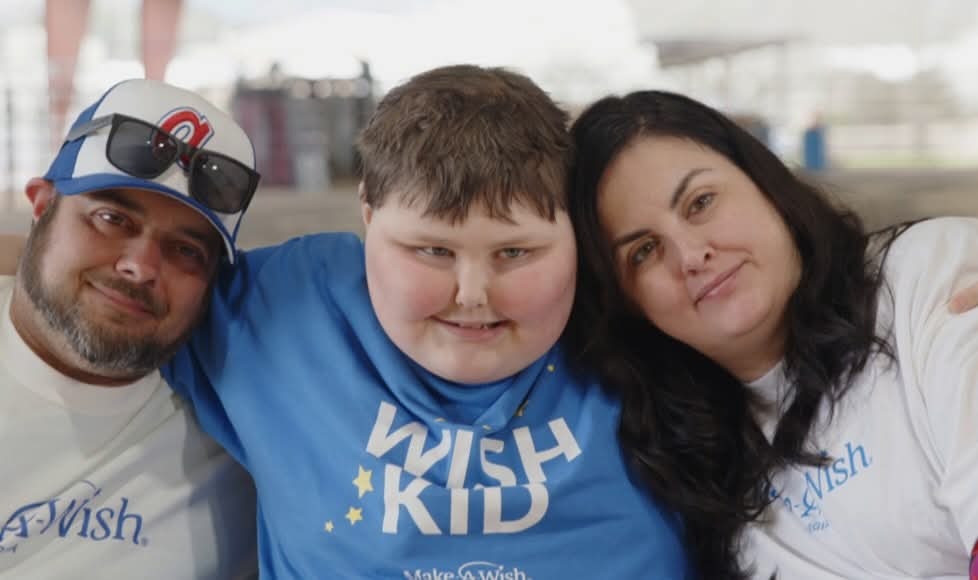
Jude Baker is now in remission. He has returned to something resembling a normal teenage life, though anyone who has survived cancer will tell you that “normal” carries a different meaning on the other side of treatment. He still thinks about the people he met on the day of his wish, and he still thinks about how little it takes to make a difference for someone who has nothing.
When asked what message he wanted others to take from his story, Jude did not frame it in grand terms. He kept it direct, almost matter-of-fact, in the way that fourteen-year-olds sometimes cut through the noise that adults wrap around simple ideas.
“It doesn’t have to come from a wish,” he said. “You can help, too.”
His words landed in the community with the kind of quiet force that expensive awareness campaigns spend millions trying to replicate. Kevin Godfrey, a local business owner who learned about Jude’s story through news coverage, decided the teen and his family deserved something in return. Godfrey launched a GoFundMe campaign with a modest goal of $5,000, designed to send Jude and his family on a trip, something just for them, away from hospitals and treatment rooms and worry. On the fundraising page, Godfrey wrote that he wanted to give the family a chance to step away and simply enjoy time together, making memories.
As of mid-March, the campaign had raised more than $45,000, with over 1,100 donors from across the country contributing. Many left notes expressing how Jude’s story had moved them to act. Quietly, the response represents a community giving Jude the wish he never asked for. He spent his one extraordinary opportunity on strangers who needed help. Now, strangers are spending their own resources on him.
What One Kid Saw from a Hospital Window
Jude Baker’s story carries a message that extends well beyond a single afternoon of donated meals and sleeping bags. It points to something that organized philanthropy often misses in its operational complexity. People closest to hardship often understand it with a clarity that no training program or strategic initiative can reproduce.
Jude did not study homelessness. He did not attend a service-learning seminar or read a policy brief. He saw suffering from a hospital window, and he recognized it as something he knew. He had been hungry because of chemo. He had been cold in hospital gowns. He had been scared, alone, and dependent on the kindness of others for his survival. When he saw people living on the streets, he did not see an abstract social problem. He saw his own experience reflected at him in a different form.
For Make-A-Wish, Jude’s request may quietly expand the way coordinators think about what they offer children facing illness. Campbell noted that giving back had never been part of the standard options. After Jude, it might be.
For everyone else, the message is even more straightforward. Sleeping bags, packed backpacks, and a hot meal do not require a foundation or a fundraiser. They require noticing and then deciding that what you noticed matters enough to act on.
A fourteen-year-old cancer survivor figured that out from a hospital bed. He figured it out before most people twice his age ever do. And when the biggest wish-granting organization in the country asked him what he wanted most in the world, he asked for the chance to help someone else. Some answers, it turns out, do not need a list of options.
Featured image Source: GoFundMe https://www.gofundme.com/f/giving-back-to-jude-an-adventure-for-his-kindness