
Your cart is currently empty!
Trump Escalates Pressure on Allies Amid Rising Middle East Tensions
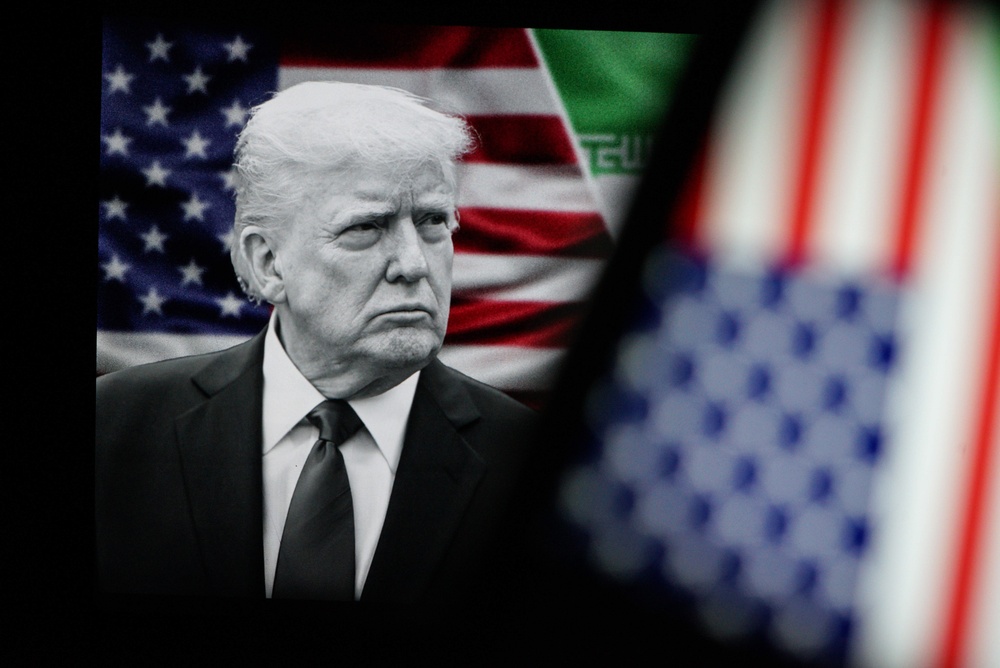
The Strait of Hormuz has once again become the focal point of global tension, but this time the crisis is unfolding with an intensity that is reshaping diplomatic relationships and testing the limits of long-standing alliances. As oil flows slow and military rhetoric intensifies, President Donald Trump has issued one of his starkest warnings yet to NATO allies, suggesting that the future of the alliance itself could be at risk if member nations fail to support the United States in securing the vital waterway.
Contents
show
The remarks come at a moment of heightened instability following coordinated U.S. and Israeli strikes on Iran, which prompted Tehran to effectively shut down the Strait using drones and naval mines. With nearly a fifth of the world’s oil supply typically passing through this narrow channel between Iran and Oman, the disruption has sent shockwaves through global markets and diplomatic corridors alike.
At the center of the unfolding situation is a fundamental disagreement over responsibility, strategy, and the role of collective defense in a rapidly changing geopolitical landscape.
The Strait of Hormuz and Why It Matters Now
The Strait of Hormuz has long been considered one of the most strategically important maritime passages in the world. Every day, millions of barrels of oil and vast quantities of liquefied natural gas pass through its waters, making it a crucial artery for global energy supply.
In 2025 alone, roughly 20 million barrels of crude oil moved through the strait each day. While the United States imports only a small fraction of that oil compared to countries in Asia, the interconnected nature of global markets means that any disruption affects prices worldwide. As analysts have pointed out, even if American imports are limited, rising global prices inevitably impact domestic economies.
The current crisis began after U.S. and Israeli military actions targeted Iranian infrastructure, leading Tehran to retaliate by restricting access to the strait. What followed has been described as one of the most significant disruptions to global energy flows in modern history. Oil prices surged past $100 per barrel, intensifying pressure on governments already grappling with inflation and economic uncertainty.
This context is essential to understanding why Trump has taken such a forceful stance. For the administration, reopening the strait is not just a regional objective but a global economic imperative.
Trump’s Warning to NATO Allies
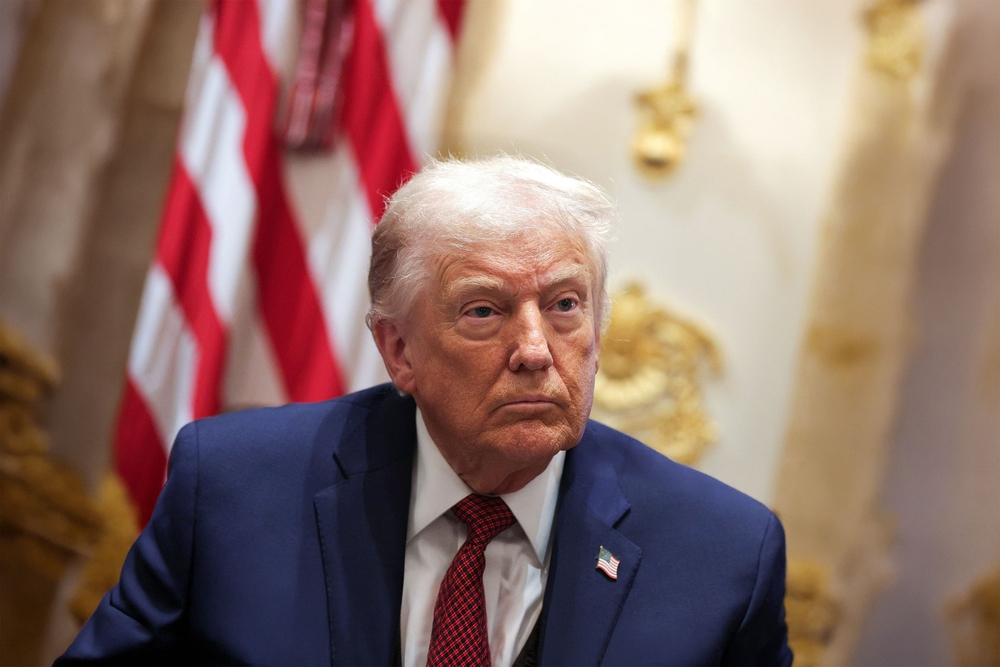
In comments reported by multiple outlets, Trump made it clear that he expects NATO countries to play an active role in securing the strait. He argued that nations benefiting from the free flow of oil should contribute military resources to ensure its safety.
The president’s warning was direct. He suggested that a lack of response or a negative response from NATO allies would lead to a “very bad” future for the alliance. The statement has been widely interpreted as both a demand and a test of loyalty.
Trump has framed the situation as an issue of fairness. He has pointed out that the United States has historically supported its allies in conflicts far from its own borders, including the ongoing war in Ukraine. In his view, the current crisis presents an opportunity for those same allies to reciprocate.
At the same time, Trump has called on countries beyond NATO to participate. China, which receives a large share of its oil imports through the strait, has been singled out as a nation that should take responsibility for protecting the route. According to his remarks, it would be appropriate for Beijing to contribute naval assets or other forms of support.
However, the response from the international community has been cautious at best.
A Lukewarm Response from Europe
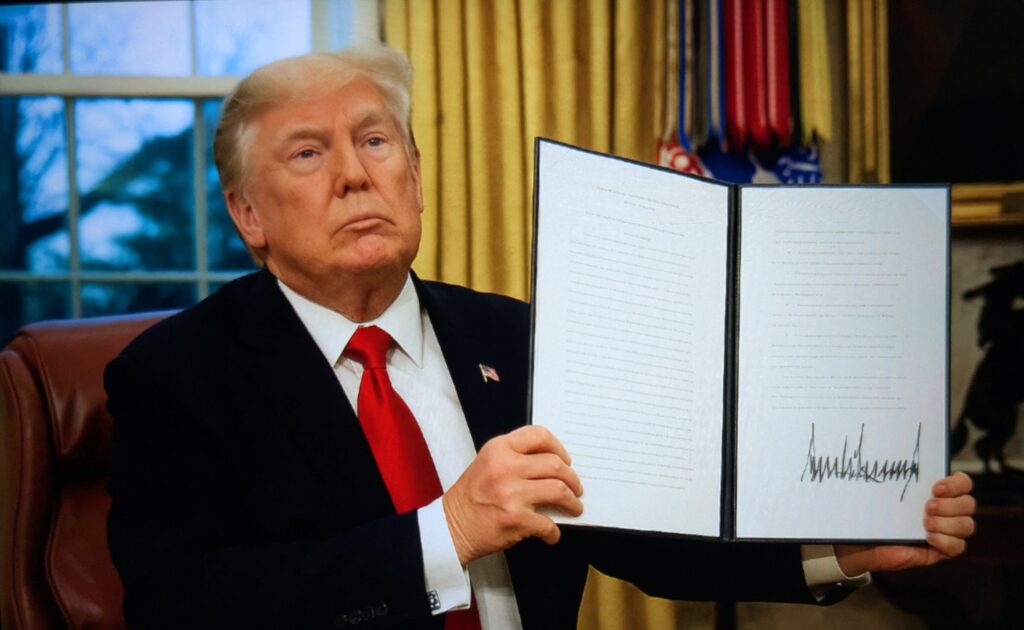
Despite the urgency conveyed by Washington, European nations have shown little appetite for direct military involvement in the conflict. Leaders across the continent have emphasized the importance of diplomacy and legal frameworks over immediate military action.
The United Kingdom, often described as one of America’s closest allies, has taken a particularly measured stance. Prime Minister Keir Starmer has stressed the need for a negotiated solution and indicated that any military deployment would require a clear legal basis and a carefully considered plan. His position reflects broader concerns within Europe about being drawn into a conflict that was initiated without collective agreement.
Other NATO members, including Italy and Greece, have also signaled reluctance to participate. Their responses highlight a key tension within the alliance. NATO was originally conceived as a defensive pact, designed to respond collectively to attacks on member states. The current situation, however, involves offensive operations initiated by the United States and Israel, raising questions about whether it falls within NATO’s traditional scope.
Officials within European governments have made this distinction explicit. Some have pointed out that the alliance is not structured to support unilateral military campaigns, particularly those that risk escalating into broader regional conflicts.
At the same time, there are signs of limited cooperation. British and French naval forces have reportedly moved toward the region, and discussions are ongoing about potential strategies to restore safe passage. Even so, these steps fall short of the robust, coordinated response that the United States appears to be seeking.
Contradictions in Washington’s Messaging

Complicating matters further is a degree of inconsistency in the administration’s own statements. While Trump has publicly pressured NATO allies to contribute, he has also suggested that the United States does not need or even desire their assistance.
In remarks delivered at the White House, the president stated that American military success in the region had reduced the necessity for allied involvement. He described NATO’s reluctance as a mistake while simultaneously asserting that the United States could proceed independently.
This dual messaging has created confusion among observers and allies alike. On one hand, the administration is issuing strong warnings about the consequences of inaction. On the other, it is signaling confidence in its ability to achieve objectives without external support.
Such contradictions may reflect a broader strategic approach, combining pressure with displays of self-reliance. Alternatively, they may indicate internal divisions or evolving calculations as the situation develops.
The resignation of a senior counterterrorism official in protest of the Iran campaign adds another layer of complexity. The departure underscores the presence of dissent within the administration and raises questions about the long-term strategy for the conflict.
The Risk of Escalation in the Middle East
Beyond the diplomatic tensions, the situation carries significant risks on the ground. The Strait of Hormuz is not only a commercial route but also a potential flashpoint for military confrontation.
Iran’s use of drones and naval mines has already demonstrated its capacity to disrupt shipping. In response, the United States has indicated a willingness to deploy additional military assets, including minesweepers and naval forces, to counter these threats.
Trump has also suggested the possibility of further strikes on Iranian infrastructure, including key oil export facilities such as Kharg Island. Such actions would represent a major escalation and could have far-reaching consequences for both regional stability and global energy markets.
The prospect of deploying ground troops has also been raised, though no final decision has been announced. Any move in that direction would significantly deepen U.S. involvement and increase the likelihood of prolonged conflict.
For many observers, the situation evokes memories of past interventions in the Middle East, where initial objectives expanded over time, leading to extended military commitments with uncertain outcomes.
China and the Global Dimension

While much of the focus has been on NATO, the crisis has a broader international dimension. China, in particular, plays a central role due to its reliance on oil imports that pass through the Strait of Hormuz.
Trump’s call for Beijing to contribute to securing the route reflects an attempt to frame the issue as a shared global responsibility. However, China has responded by emphasizing the need for an immediate cessation of military operations rather than increased militarization of the region.
This divergence highlights differing strategic priorities. For the United States, the emphasis is on securing the strait through force if necessary. For China, the focus appears to be on de-escalation and stability.
The outcome of this dynamic could have significant implications for U.S.-China relations, particularly as the two countries engage in ongoing trade discussions. The possibility of delaying a planned summit between Trump and Chinese President Xi Jinping further underscores the interconnected nature of economic and security issues.
Economic Shockwaves and Global Impact

The closure of the Strait of Hormuz has already had a profound impact on global markets. Oil prices have surged, reflecting both the immediate disruption to supply and the uncertainty surrounding future developments.
For countries heavily dependent on imported energy, the effects are particularly severe. Rising fuel costs can lead to higher transportation expenses, increased production costs, and ultimately higher prices for consumers.
Even nations with more diversified energy sources are not immune. The global nature of oil pricing means that disruptions in one region can have ripple effects across the entire system.
In the United States, the economic impact is more indirect but still significant. While domestic production reduces reliance on imports, higher global prices can still affect consumers and businesses. This creates additional pressure on policymakers to address the situation quickly and effectively.
A Test of NATO’s Future
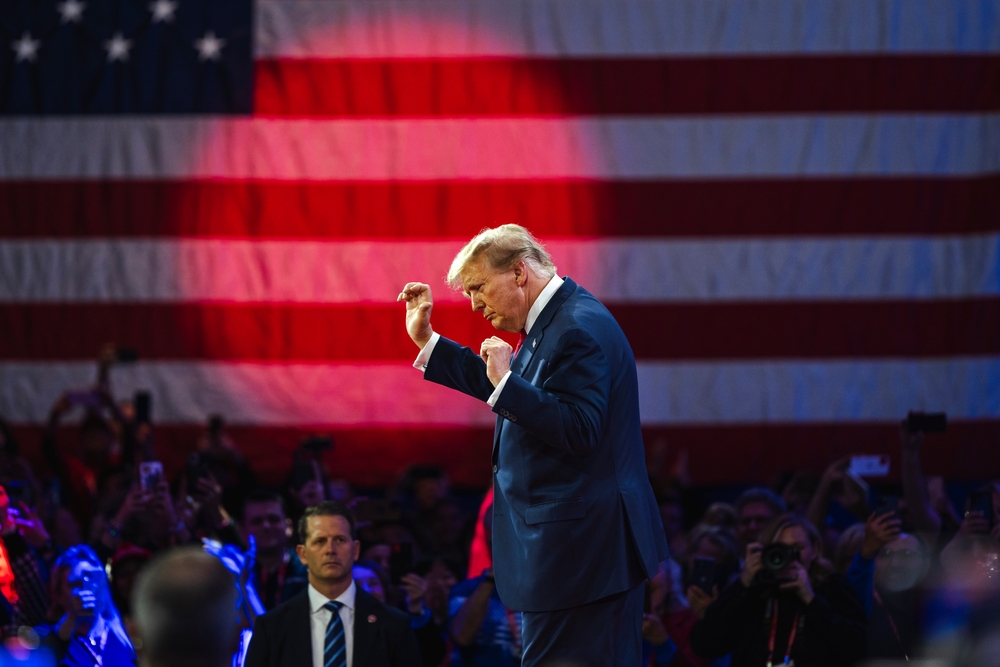
At its core, the current crisis is not just about a waterway or a regional conflict. It is about the future of one of the world’s most important military alliances.
Trump’s warning has brought longstanding tensions within NATO into sharp focus. Questions about burden-sharing, strategic priorities, and mutual obligations have been part of the alliance’s internal debates for years. The situation in the Strait of Hormuz has amplified these issues, forcing member states to confront them in real time.
For the United States, the expectation is that allies should contribute more actively to global security efforts. For many European nations, the priority is maintaining a clear distinction between defensive commitments and participation in conflicts initiated by individual members.
How these differences are resolved could shape the trajectory of NATO for years to come. A coordinated response could strengthen the alliance and reinforce its relevance. A continued lack of consensus, on the other hand, could deepen divisions and weaken collective trust.
A Moment of Reckoning
The unfolding crisis in the Strait of Hormuz represents a pivotal moment in international relations. It combines elements of military conflict, economic disruption, and diplomatic tension in a way that challenges existing frameworks and assumptions.
Trump’s firm warning to NATO allies has elevated the stakes, turning what might have been a regional issue into a broader test of global cooperation. The mixed responses from Europe, the cautious stance of China, and the internal contradictions within the U.S. administration all contribute to a complex and uncertain picture.
As events continue to develop, the choices made by world leaders will have lasting consequences. The situation serves as a reminder of how interconnected the modern world has become, where actions in one region can reverberate across the globe.
In the end, the crisis is not only about reopening a vital shipping lane. It is about defining the principles and partnerships that will guide international relations in an increasingly unpredictable era.