
Your cart is currently empty!
UK Takes Major Step by Declaring Animals Can Feel Pain and Emotions
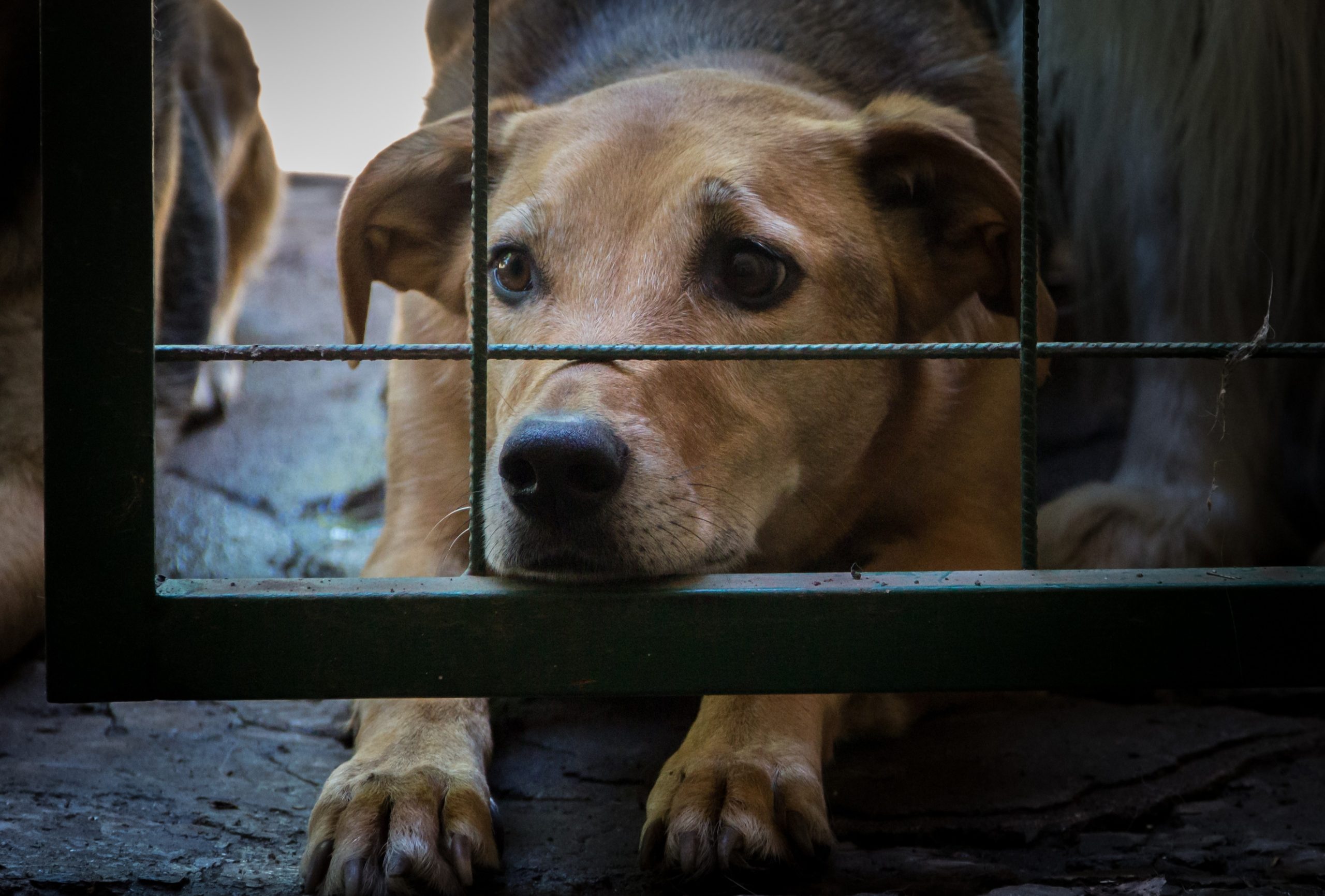
It is not often that a legal decision quietly reshapes the way an entire country thinks about life itself. Yet that is exactly what has happened in the United Kingdom. In a move that many are calling historic, animals are now formally recognised in law as sentient beings. In simple terms, this means they are acknowledged as living creatures capable of feeling pain, fear, comfort, and even forms of joy and affection.
Contents
show
For many people, this may not come as a surprise. Anyone who has spent time with a pet, observed wildlife, or even watched animals interact in documentaries has likely sensed that animals experience the world in complex and meaningful ways. But turning that understanding into law is something entirely different. It moves the idea from personal belief into a national responsibility.
This change did not happen overnight. It is the result of decades of scientific discovery, public advocacy, and shifting attitudes about how humans relate to the natural world. While the law is being celebrated as a milestone, it also signals the beginning of a deeper transformation that could influence everything from farming practices to international trade policies.
A Turning Point Rooted in Science and Advocacy
The recognition of animal sentience in UK law is grounded in years of scientific research that has steadily challenged long-held assumptions about animals. For much of history, animals were often seen as instinct-driven beings, reacting automatically to their surroundings without deeper awareness. Modern science has increasingly shown that this view is incomplete.
Researchers studying animal behaviour and neuroscience have uncovered evidence of emotional and cognitive complexity across a wide range of species. Elephants have been observed staying with the bodies of deceased herd members in ways that resemble mourning. Dolphins communicate using intricate vocal patterns that suggest a form of language. Dogs not only bond with humans but also display behaviours linked to empathy and emotional recognition.
Birds have also changed how scientists think about intelligence. Crows and parrots have demonstrated the ability to solve puzzles, use tools, and remember complex sequences. These abilities challenge the idea that intelligence is limited to mammals.
Even animals once considered simple have surprised researchers. Octopuses, for example, have shown curiosity, memory, and problem-solving skills that rival many vertebrates. Some fish respond to harmful stimuli in ways that suggest more than reflex. These responses indicate the possibility of conscious experience rather than automatic reaction.

As this body of evidence grew, scientists began to argue that the inner lives of animals should not be ignored. Campaigners and animal welfare organisations used these findings to push for legal recognition. They argued that if animals can suffer, then their welfare should be part of ethical and legal decision-making.
According to animal welfare groups, efforts to secure legal recognition of sentience have been building for decades. Momentum increased in the late twentieth century as public awareness grew. Campaigns, research publications, and media coverage helped bring the issue into mainstream conversation.
Eventually, more than forty animal welfare organisations joined forces to campaign for change. Their collective effort, often described as a push for a better deal for animals, gained significant public support. A petition with over one hundred thousand signatures was presented to the government, showing that concern for animal welfare had become a widespread issue rather than a niche interest.
Why Brexit Made This Issue Urgent

While the scientific and ethical arguments had been building for years, political circumstances also played a key role in accelerating the process. One of the most important factors was the United Kingdom’s departure from the European Union.
As a member of the EU, the UK was required to recognise animal sentience under European law. This meant that animal welfare had to be considered when developing policies across different sectors. It provided a legal framework that ensured animals were not completely overlooked in decision-making.
After Brexit, those obligations no longer automatically applied. This created uncertainty and concern among scientists, campaigners, and organisations working in animal welfare. Without explicit recognition in domestic law, there was a risk that future policies, trade agreements, or regulations might fail to consider how animals are affected.
The introduction of the Animal Welfare Sentience Act addressed this gap. By embedding the concept of sentience directly into UK law, the government ensured that animals would continue to be considered in policymaking processes. Supporters saw this as a necessary safeguard to maintain and potentially strengthen animal protections.
Government officials also presented the move as an opportunity. With greater independence from EU regulations, the UK had the chance to set its own standards and potentially lead the world in animal welfare policy. This idea of leadership became an important part of how the legislation was framed.
What the New Law Actually Does
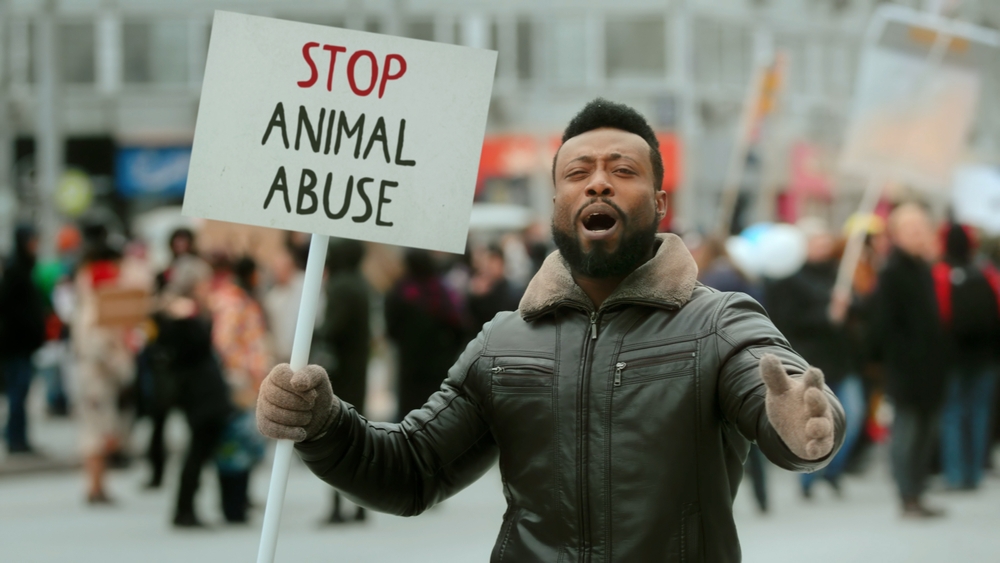
At its core, the Animal Welfare Sentience Act introduces several key changes that shape how the government approaches decision-making.
The first and most significant step is the formal recognition of animals as sentient beings. This applies to all vertebrate animals, including mammals, birds, reptiles, amphibians, and fish. Importantly, the law also extends recognition to certain invertebrates such as decapod crustaceans like crabs and lobsters, as well as cephalopod molluscs such as octopuses. This inclusion reflects growing scientific evidence that these animals may also experience pain and complex sensations.
The second element of the law requires policymakers to consider animal welfare when creating or changing legislation. This applies across all government departments. Whether the issue involves agriculture, environmental policy, transport, or trade, the potential impact on animals must now be taken into account.
The third major feature is the creation of an independent Animal Sentience Committee. This group is made up of experts who review government policies and assess whether animal welfare has been properly considered. Their role is not to make laws, but to provide scrutiny and accountability.
Together, these elements create a framework that ensures animal welfare is part of the policymaking process rather than an afterthought.
What the Law Does Not Do

Despite its importance, the Animal Welfare Sentience Act has clear limitations. It does not automatically ban practices that may cause harm to animals. It does not overturn existing laws or force the government to prioritise animal welfare above all other considerations.
Practices that are currently legal can continue, even if they are controversial or criticised by activists. The law does not impose direct penalties or create new offences related to animal treatment. Instead, it focuses on ensuring that animal welfare is considered when decisions are made.
This distinction has led to debate. Some critics argue that the law does not go far enough and that stronger measures are needed to create meaningful change. Others believe that embedding sentience into law is a crucial first step that lays the groundwork for future reforms.
The Role of the Animal Sentience Committee

The Animal Sentience Committee is central to how the law functions in practice. Its purpose is to ensure that the recognition of sentience is not merely symbolic.
The committee reviews government policies across a wide range of areas. This includes farming practices, wildlife conservation, transportation systems, scientific research, and environmental planning. By examining these policies, the committee assesses whether the welfare of animals has been properly considered.
If the committee identifies concerns, it can publish a report outlining its findings. Government ministers are then required to respond publicly, explaining how they have addressed or intend to address those concerns. This process introduces a level of transparency that did not previously exist.
While the committee does not have the power to enforce changes directly, its influence comes from scrutiny and public accountability. Over time, this could encourage policymakers to consider animal welfare more carefully from the earliest stages of decision-making.
A Broader Plan for Animal Welfare

The recognition of sentience is part of a wider strategy known as the Action Plan for Animal Welfare. This plan outlines a range of proposals aimed at improving how animals are treated both within the UK and internationally.
Among the proposals are potential restrictions on live animal exports for slaughter, improvements to farming conditions, and discussions around banning certain practices considered inhumane. There have also been calls to ban the keeping of primates as pets and to restrict the import of hunting trophies.
Another area of focus is the fur trade. Campaigners have long argued that banning the sale and import of fur products would reduce animal suffering and address public health concerns linked to fur farming. There are also proposals related to ending the use of certain types of cages in farming.
However, not all elements of the action plan have progressed at the same pace. Some proposals have faced delays or uncertainty, leading campaigners to continue pushing for stronger commitments from the government.
A Shift in How Society Views Animals

The new law reflects a broader cultural shift in how people think about animals. Historically, animals were often viewed primarily as resources. They were valued for their role in providing food, labour, or materials.
Over time, this perspective has evolved. Scientific discoveries have revealed that animals possess intelligence, emotional depth, and social complexity. At the same time, public attitudes have shifted toward greater empathy and concern for animal welfare.
This change is visible in everyday life. More people are choosing products that are labelled as cruelty-free. Interest in plant-based diets has grown. Animal welfare organisations have gained wider support, and their campaigns often receive significant public attention.
Media has also played an important role. Documentaries, news stories, and viral content have highlighted both the intelligence of animals and the conditions in which many are kept. These stories have helped shape public opinion and increase awareness.
The recognition of sentience can be seen as a response to these changing attitudes. It reflects a growing belief that animals are not simply part of the background of human life, but beings with experiences that deserve consideration.
A Global Conversation Gaining Momentum
The United Kingdom is not the first country to recognise animal sentience, but its decision adds to a growing global movement. The European Union has long acknowledged animals as sentient beings, and several other countries have taken similar steps.
Each new piece of legislation contributes to a wider conversation about animal welfare. When one country raises its standards, it can influence others to reconsider their own policies. This creates a ripple effect that extends beyond national borders.
At the same time, progress varies between regions. Economic factors, cultural traditions, and political priorities all shape how animal welfare is addressed. Industries such as agriculture and fishing often involve complex trade-offs between economic needs and ethical concerns.
The UK’s decision to embed sentience into law positions it as part of this global effort. Supporters hope it will encourage further advancements and strengthen international standards.
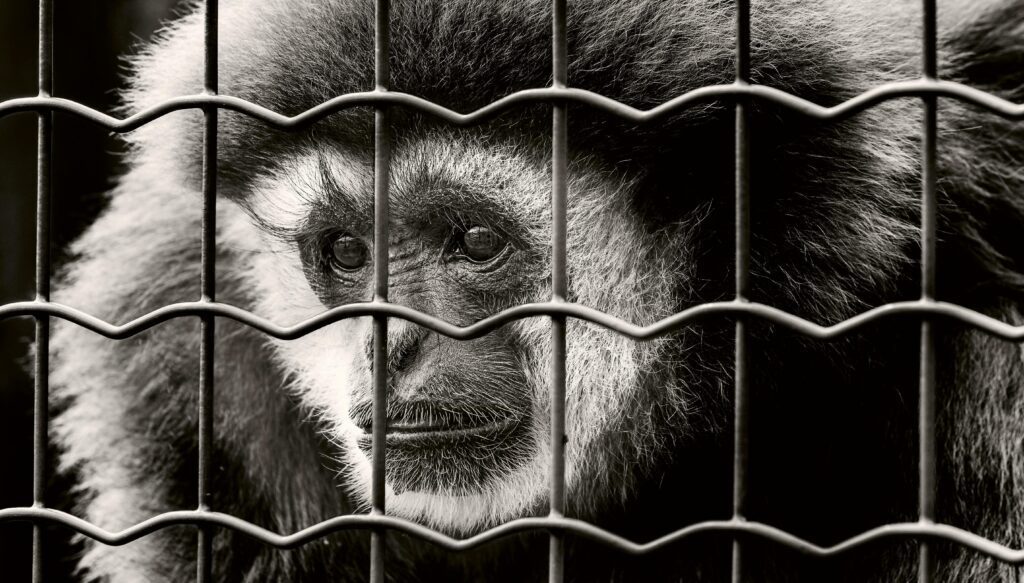
Challenges and Debates Ahead
While the Animal Welfare Sentience Act is widely seen as a positive step, it also raises important questions about implementation and impact.
One of the main challenges is ensuring that the law is applied consistently across different government departments. Animal welfare considerations must be integrated into a wide range of policies, which can be complex and time-consuming.
There are also concerns about how the law will affect industries that rely on animals. Farming, for example, is a major part of the UK economy. Balancing economic viability with improved welfare standards will require careful planning and cooperation.
Public expectations are another factor. As awareness of animal sentience grows, people may call for stronger protections and more significant changes. Meeting these expectations could involve difficult decisions and trade-offs.
Despite these challenges, many experts view the law as a foundation for future progress rather than a final solution. Its long-term impact will depend on how it is implemented and whether it leads to meaningful changes in policy and practice.
A Moment That Invites Reflection
The recognition of animal sentience represents more than a legal milestone. It is a moment that invites reflection on humanity’s relationship with the natural world.
If animals are capable of feeling pain, fear, and forms of joy, then their experiences become part of ethical decision-making. This does not provide simple answers, but it does change the way questions are asked.
For individuals, this shift may influence everyday choices, from the food they eat to the products they purchase. For governments, it introduces new responsibilities when shaping laws and policies.
The Animal Welfare Sentience Act does not solve every issue related to animal welfare. However, it establishes an important principle. Animals are living beings with experiences that matter.
As the effects of this law unfold, it may influence not only policy but also the way people think about their place in the world. In that sense, this moment is not just about legal recognition. It is about a gradual shift toward a more thoughtful and considered relationship with the creatures that share our planet.