
Your cart is currently empty!
What Two Days Of Oatmeal Can Really Do To Your Body

It sounds like something pulled straight from an internet challenge. Eat nothing but oatmeal for two full days and see what happens. For most people, the idea feels restrictive, repetitive, and maybe even a little dull. Yet behind this seemingly simple experiment lies a growing body of scientific evidence suggesting that something quite remarkable can happen inside the body in a very short amount of time.
Contents
show
Recent research published in Nature Communications has drawn attention to just how quickly diet can influence human health. In this case, participants who consumed mostly oatmeal for 48 hours experienced measurable improvements in cholesterol levels and metabolic health. What makes this particularly interesting is not only how quickly these changes occurred, but also how long some of the benefits appeared to last.
This is not just another health trend or short-lived diet experiment. It offers insight into how the body responds to concentrated nutritional input, how the gut microbiome adapts, and how even brief dietary interventions can leave a lasting imprint.
So what actually happens when you eat only oatmeal for two days straight? The answer is layered, scientific, and surprisingly compelling.
A Rapid Drop in Cholesterol That Defies Expectations
One of the most striking outcomes observed in the research is the speed at which cholesterol levels respond. Participants who consumed large amounts of oats over two consecutive days experienced a reduction of around 10 percent in low-density lipoprotein, often referred to as LDL or bad cholesterol. Total cholesterol levels also dropped by approximately 8 percent.
To understand why this matters, it helps to consider the role of LDL cholesterol in the body. When LDL levels are high, cholesterol can accumulate along the walls of arteries, forming plaques that narrow blood vessels. Over time, this process increases the risk of heart attacks and strokes. Lowering LDL is therefore one of the most important targets in cardiovascular health.
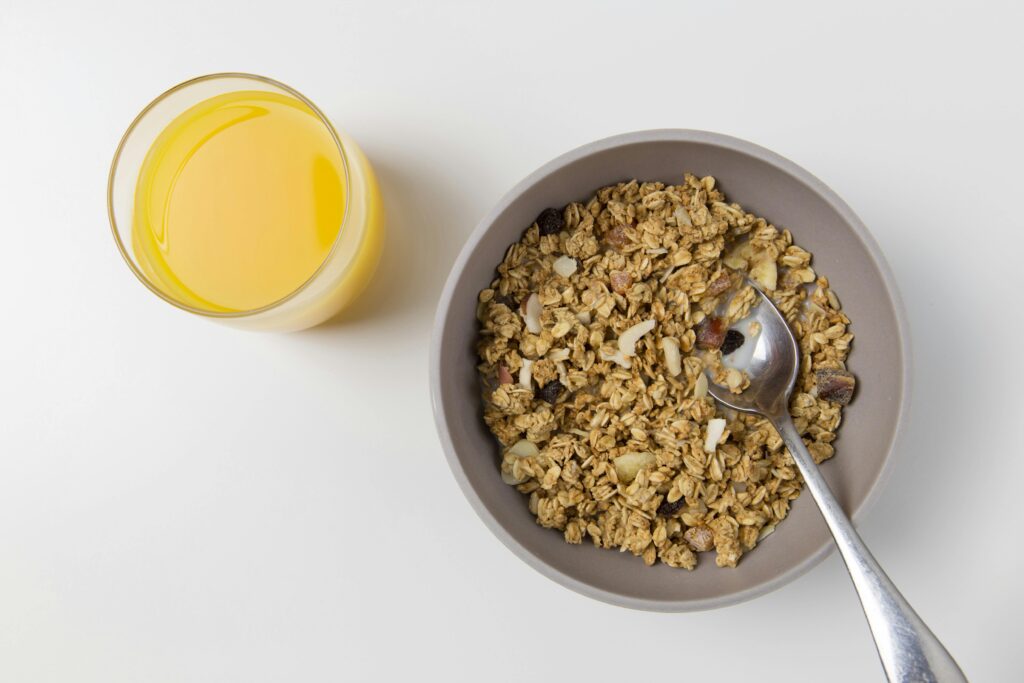
What makes these findings so compelling is the timeline. Typically, cholesterol reduction is associated with long-term lifestyle changes such as sustained dietary improvements, regular exercise, or medication. Seeing measurable reductions within just 48 hours challenges the assumption that meaningful change must take weeks or months.
Even more intriguing is what happened after the two-day period ended. Participants returned to their usual diets, yet their cholesterol levels remained lower than baseline for up to six weeks. This suggests that the body was not simply reacting temporarily, but may have undergone a deeper metabolic adjustment.
Your Gut Microbiome Begins to Shift
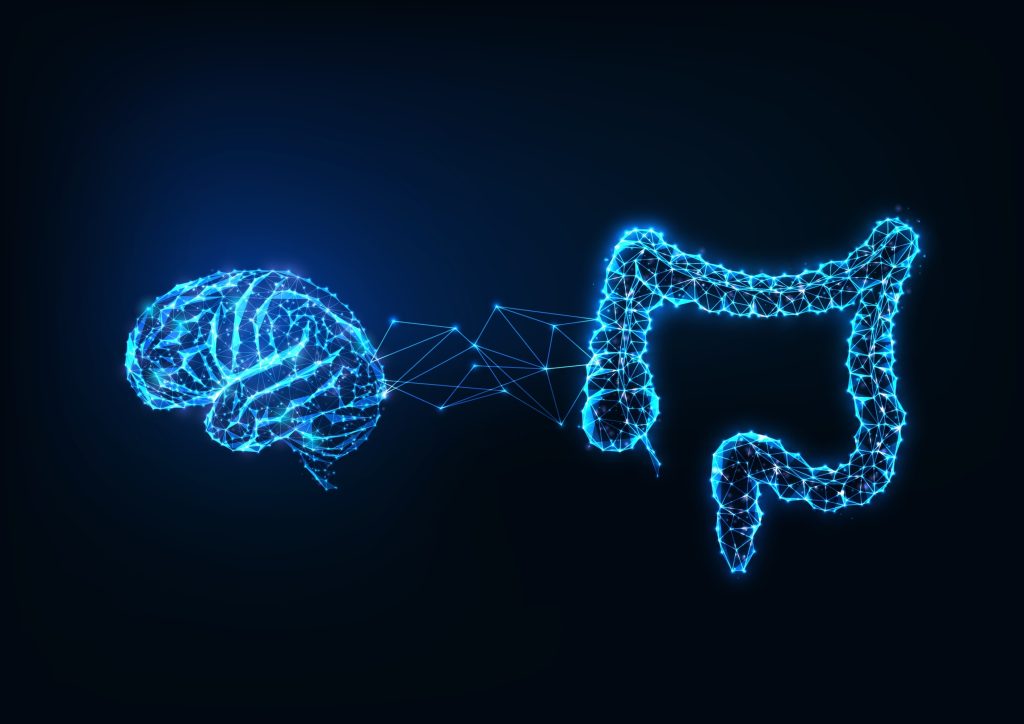
For many years, oats have been associated with heart health because of their high fiber content. In particular, they contain beta-glucan, a soluble fiber known to help reduce cholesterol absorption in the digestive tract. While this mechanism is well established, newer research points to another equally important factor.
The gut microbiome.
Inside the human digestive system exists a complex ecosystem of bacteria, fungi, and other microorganisms. These microbes play a crucial role in digestion, immune function, and metabolic regulation. They are also highly responsive to what we eat.
When participants in the study switched to a high oat diet, researchers observed noticeable changes in the composition of their gut bacteria. Certain beneficial microbes increased, while others decreased. These shifts were not random. They appeared to favor bacteria that are linked to improved metabolic health.
One of the most important discoveries involved the production of phenolic compounds. These are substances created when gut bacteria break down components found in oats. Once produced, these compounds can enter the bloodstream and influence how the body processes fats and cholesterol.
Some of these metabolites, including those derived from ferulic acid, have been associated with improved lipid metabolism. In simple terms, they may help the body regulate cholesterol more effectively at a biochemical level.
What this means is that the benefits of oats extend beyond direct nutrient content. They also act as a fuel source for beneficial bacteria, which in turn produce compounds that support overall health. The relationship between diet and gut microbes becomes a powerful feedback loop.
A Temporary Reset for Your Metabolism

Another factor that contributed to the observed benefits is calorie restriction. During the two-day oatmeal phase, participants consumed fewer calories than they typically would. This reduction alone can lead to improvements in metabolic markers.
Many participants experienced modest weight loss over the short period, averaging around two kilograms. Blood pressure levels also showed slight reductions. These changes, although small, indicate that the body was responding positively to the dietary shift.
The combination of high fiber intake and reduced calorie consumption creates a unique metabolic environment. Blood sugar levels tend to stabilize, insulin sensitivity may improve, and the body becomes more efficient at managing energy.
At the same time, removing processed foods, added sugars, and saturated fats gives the digestive system a break from constant complexity. Instead of processing a wide variety of ingredients, the body focuses on a simple, consistent food source.
This can feel like a reset. Not in a dramatic or extreme sense, but in a subtle recalibration of how the body handles nutrients.
It is important to recognize that not all of these benefits are exclusive to oats. Any structured, calorie-controlled diet can produce some level of improvement. However, oats appear to amplify these effects through their unique combination of fiber, nutrients, and microbiome interaction.
Why Two Days Might Work Better Than Six Weeks
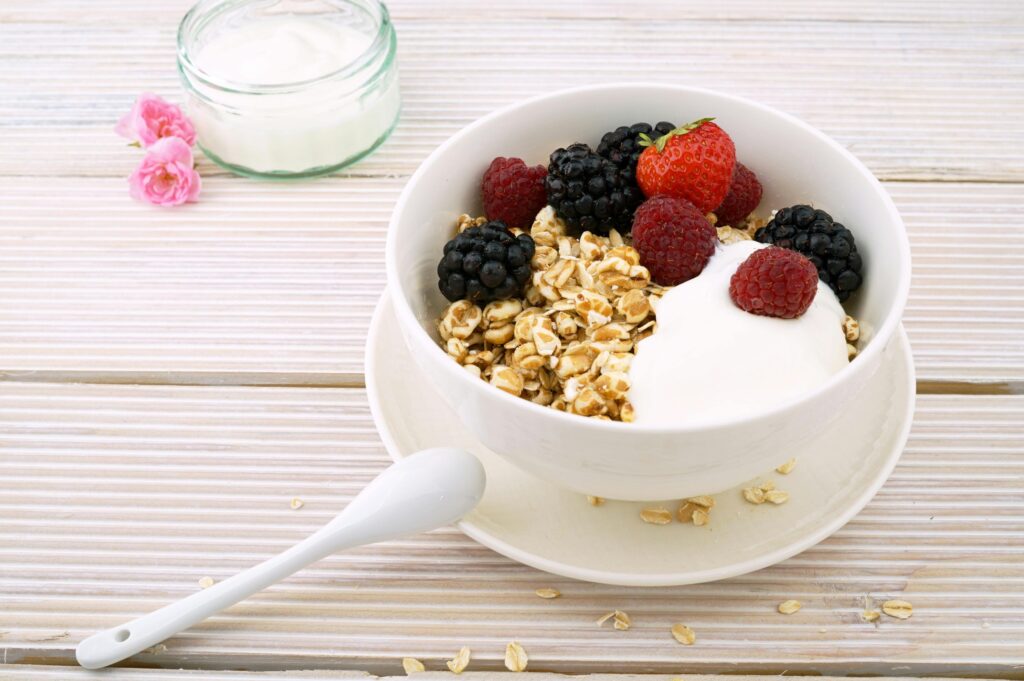
One of the more surprising aspects of the research is how the short-term intervention compares to a longer, more moderate approach. Participants who consumed a smaller portion of oats daily over six weeks did experience some improvements, but the effects were less pronounced than those seen in the two-day intensive phase.
This finding raises an interesting possibility. A concentrated, short-term dietary intervention may trigger stronger biological responses than gradual changes spread over time.
When the body is exposed to a high dose of fiber and plant-based compounds in a short window, it may respond more dramatically. Gut bacteria shift quickly, metabolic pathways adapt, and measurable health markers change within days.
In contrast, smaller amounts of oats consumed alongside a typical diet may not create the same level of impact. The presence of other foods can dilute the effect, leading to more subtle improvements.
That said, this does not mean that short-term diets are superior overall. Long-term consistency remains essential for maintaining health. The two-day oatmeal approach should be seen as a catalyst rather than a complete solution.
It may serve as a way to jump-start healthier habits or provide a temporary boost, but lasting benefits still depend on sustained lifestyle choices.
The Science Behind the Fiber Effect
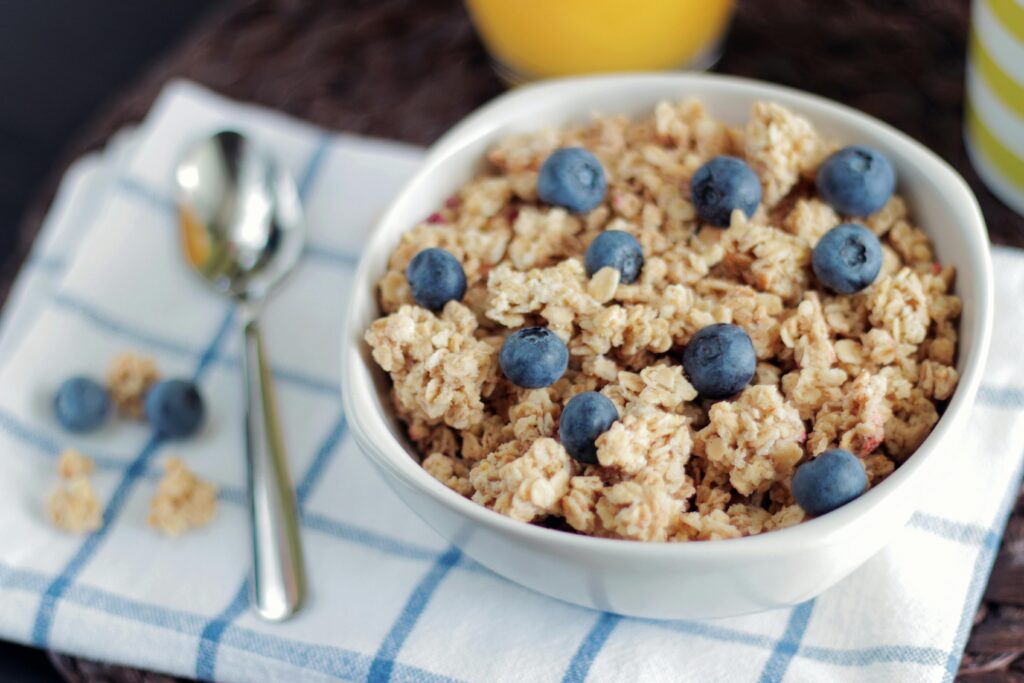
At the heart of oats’ health benefits lies beta-glucan, a type of soluble fiber with unique properties. When consumed, beta-glucan forms a gel-like substance in the digestive tract. This gel binds to bile acids, which are made from cholesterol.
By binding to these bile acids, beta-glucan helps remove them from the body through digestion. The liver then needs to use more cholesterol to produce new bile acids, which lowers the overall level of cholesterol in the bloodstream.
This mechanism alone has been recognized for years and is one of the reasons oats carry health claims related to heart health.
However, recent research suggests that this is only part of the story. Fiber also serves as food for beneficial gut bacteria. When these bacteria ferment fiber, they produce short-chain fatty acids and other metabolites that support metabolic health.
In addition, phenolic compounds derived from oats appear to influence cholesterol metabolism at a cellular level. Some studies suggest they may affect enzymes involved in cholesterol production, adding another layer to the overall effect.
This combination of actions makes oats particularly effective. They reduce cholesterol absorption, support beneficial bacteria, and contribute to metabolic regulation.
Not a Magic Cure, But a Meaningful Tool
Despite the promising results, experts emphasize that this approach is not a cure for high cholesterol or cardiovascular disease.
For individuals with significantly elevated cholesterol levels or existing heart conditions, dietary changes alone are often not enough. Medications such as statins may still be necessary, along with broader lifestyle interventions.
There is also the question of nutritional balance. Eating only oatmeal for extended periods would not provide the full range of nutrients required for optimal health. While the two-day approach appears to be safe for most people, it is not designed as a long-term eating pattern.
Dietitians consistently stress the importance of variety. A balanced diet should include proteins, healthy fats, fruits, vegetables, and whole grains. Oats can play an important role within this framework, but they should not replace it entirely.
Another consideration is practicality. Many people may find it difficult to adhere to a repetitive diet, even for a short period. Personal preferences, lifestyle, and individual health needs all play a role in determining what approach is sustainable.
What This Means for Everyday Eating

Even if most people are unlikely to adopt a strict oatmeal only plan, the findings still offer valuable lessons.
They highlight the importance of fiber, which many individuals do not consume in sufficient amounts. Increasing fiber intake through foods like oats can support heart health, improve digestion, and contribute to better metabolic balance.
They also demonstrate how quickly the body can respond to dietary changes. While long-term habits are crucial, short-term interventions can still create noticeable improvements.
For those interested in applying these insights, there are several practical approaches:
Incorporating oatmeal as a regular breakfast option can provide a steady source of fiber and nutrients. Pairing oats with fruits, nuts, and seeds can enhance both flavor and nutritional value.
Using oats as a base for meals beyond breakfast, such as savory dishes, can help increase overall intake without feeling repetitive.
Focusing on whole, minimally processed foods alongside oats can amplify the benefits observed in the research.
These strategies allow individuals to benefit from oats without committing to an extreme or restrictive plan.
A Reminder of How Quickly the Body Can Respond

Perhaps the most compelling takeaway from this research is how responsive the human body can be. Within just two days, measurable changes occurred in cholesterol levels, gut microbiota, and metabolic markers.
This challenges the idea that meaningful health improvements always require long periods of time. While sustained habits remain essential, the body is capable of adapting quickly when given the right conditions.
It also reinforces the connection between diet and internal systems that are often invisible. The food we eat does not simply provide energy. It actively shapes the environment inside our bodies, influencing processes that affect long-term health.
Understanding this connection can shift the way people think about food. It becomes less about restriction and more about opportunity.
Small Changes, Big Signals
The idea of eating only oatmeal for two days might seem simple on the surface, but the science behind it reveals something much deeper.
In just 48 hours, the body begins to adapt. Cholesterol levels shift, gut bacteria reorganize, and metabolic processes adjust in response to a concentrated dietary input.
While this approach is not a replacement for long-term healthy habits, it offers a glimpse into how powerful nutrition can be. Even small, temporary changes can send strong signals throughout the body.
Rather than focusing on extremes, the real takeaway lies in awareness and consistency. Foods like oats remind us that health does not always require complexity. Sometimes, it starts with simple, accessible choices made regularly over time.
And while most people may not choose to eat oatmeal exclusively for two days, understanding what it can do might be enough to make it a more meaningful part of everyday life.