
Your cart is currently empty!
Stocks Jump and Oil Falls as Trump Signals Iran Negotiations
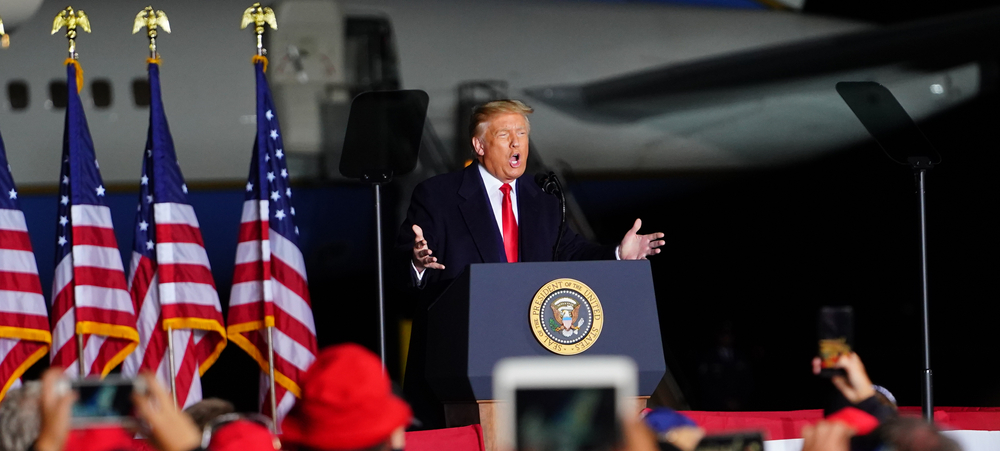
It’s not every day that a single political decision sends shockwaves through global markets within minutes. But that’s exactly what happened on March 23, 2026, when President Donald Trump announced a sudden pause on planned US strikes against Iran’s energy infrastructure.
Contents
show
In a world already on edge from escalating tensions in the Middle East, the move offered a rare moment of cautious optimism. Stocks surged, oil prices plunged, and for a brief moment the global economy seemed to exhale.
But beneath the surface, the situation remains complex and far from resolved.
A Sudden Shift That Changed Market Direction
At the start of the week, markets were bracing for further escalation. The conflict between the United States and Iran had already pushed oil prices sharply higher and dragged equities into a volatile stretch. Investors were reacting to rising geopolitical risk, uncertainty around energy supply, and growing fears of economic fallout.
That mood changed almost instantly after Trump’s early announcement.
By the close of trading on March 23, the Dow Jones Industrial Average had jumped by 631 points, or about 1.38 percent. The S&P 500 gained roughly 1.15 percent, while the Nasdaq rose around 1.38 percent. Earlier in the session, all three indexes had surged more than 2 percent before trimming gains later in the day.
The rally was significant because it halted a recent slide. Just days earlier, the Nasdaq had been on the verge of entering correction territory, reflecting how fragile investor sentiment had become.
Oil markets reacted even more dramatically. Brent crude fell 10.92 percent to settle at $99.94 per barrel, marking its first close below $100 since March 11. US crude dropped 10.28 percent to settle at $88.13 per barrel. These were the sharpest single day declines since March 10, when Trump had previously suggested the conflict could end soon.
The speed and scale of these moves highlight how much geopolitical risk had been priced into global markets.
The Announcement Behind the Surge
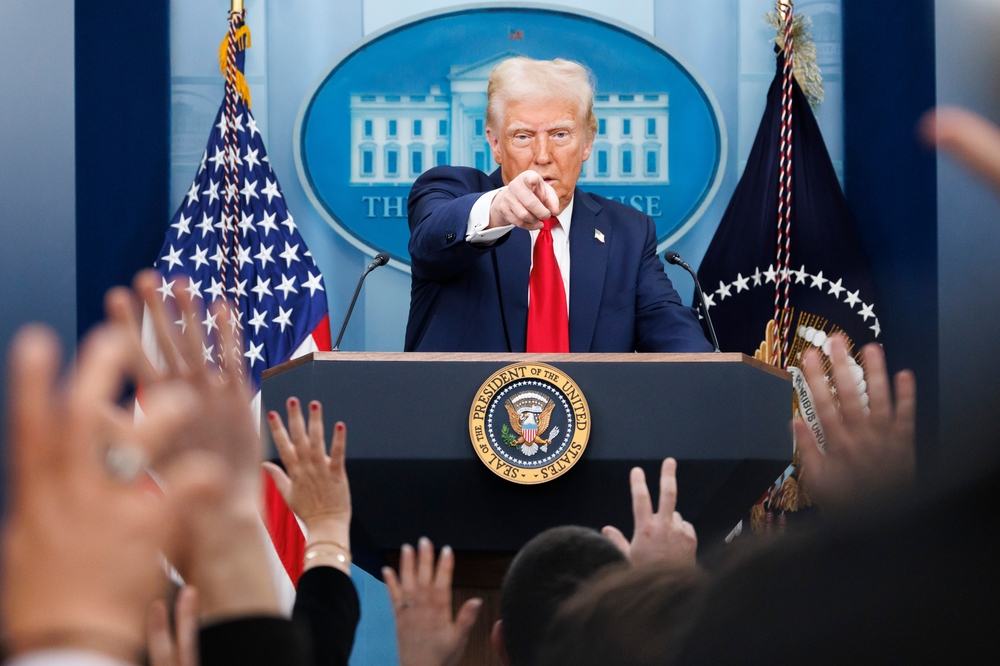
Trump’s statement indicated that the United States would postpone military strikes on Iranian power plants and energy infrastructure for at least five days. He described recent interactions with Tehran as detailed and constructive, suggesting that talks would continue throughout the week.
Markets responded immediately. Before the opening bell, Dow futures surged by more than 1,100 points, while S&P 500 and Nasdaq futures climbed above 2 percent. At the same time, oil prices reversed earlier gains and began a steep decline.
The reaction reflected more than optimism. It showed how closely financial markets are tied to geopolitical developments, especially when energy supply is involved.
However, the situation quickly became more complicated.
Conflicting Signals From Washington and Tehran
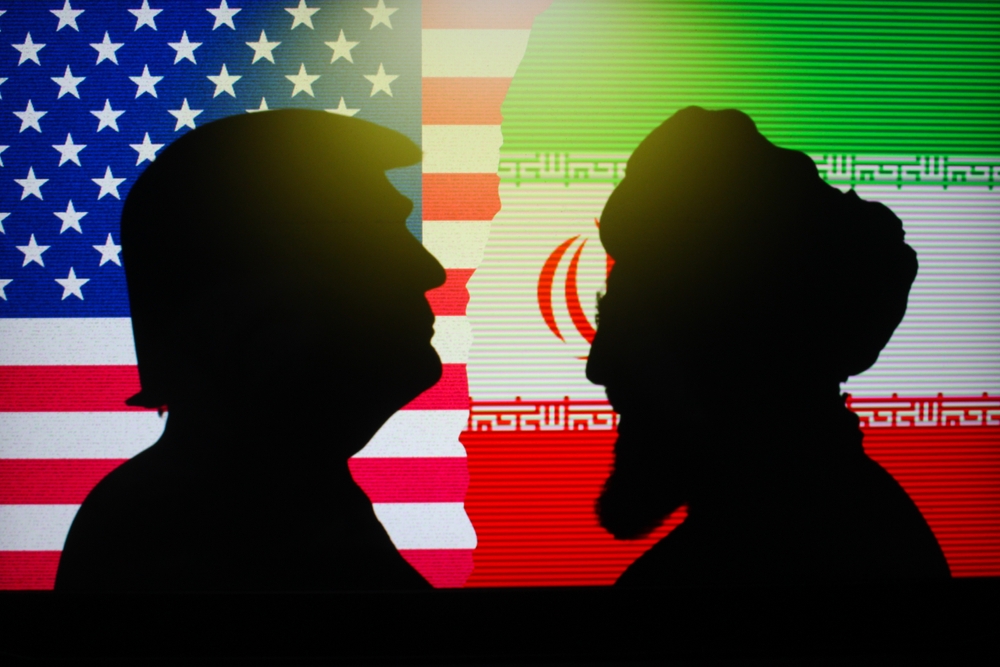
While Trump described the discussions as productive, Iranian officials pushed back. Statements from Tehran indicated that no formal negotiations had taken place, contradicting the narrative presented by the US president.
This disconnect introduced uncertainty into what initially appeared to be a clear de escalation signal.
Markets are highly sensitive not just to events, but to confidence in those events. When both sides offer different accounts, it becomes difficult to determine whether diplomacy is truly underway or whether the pause is temporary and strategic.
Adding to the uncertainty, military activity had not fully stopped. Reports indicated that Israeli forces continued strikes in Tehran, raising further doubts about how close the region is to a genuine cooling of tensions.
Analysts noted that any sustained rally would likely depend on tangible progress rather than statements alone. Without confirmation of real negotiations, optimism could fade as quickly as it emerged.
The Economic Impact of a Month Long Conflict

To understand why markets reacted so strongly, it is important to consider the broader context.
The conflict, which began on February 28, 2026, has already had a profound impact on the global economy. Oil prices surged as supply routes were threatened and infrastructure came under attack. At one stage, prices reached their highest levels since 2022.
Even after the sharp drop on March 23, oil remains about one third higher than it was before the conflict began.
Consumers have felt the impact directly. In the United States, gasoline prices rose for the 23rd consecutive day, reaching $3.96 per gallon. That represents a 34 percent increase in just one month, a rise larger than spikes seen after Hurricane Katrina in 2005 or the early phase of the Ukraine war in 2022.
These increases have wider consequences. Higher fuel costs push up transportation expenses, which in turn affect the price of goods and services. Inflation expectations rise, and central banks face additional pressure when deciding whether to adjust interest rates.
Economists have already begun revising forecasts. Analysts at BNP Paribas suggested inflation could settle above 3 percent, while Goldman Sachs raised its estimated probability of a recession to 30 percent. The firm also noted that higher energy prices could subtract from global economic growth and contribute to rising unemployment.
In this context, Trump’s decision to pause strikes was not just a military move. It was a signal with immediate economic implications.
Why Oil Prices Fell So Sharply
The drop in oil prices was driven by expectations rather than immediate changes in supply.
The Strait of Hormuz plays a critical role in global energy markets, carrying roughly 20 percent of the world’s oil supply. During the conflict, the route had been effectively disrupted, limiting tanker movement and increasing shipping risks.
This created upward pressure on prices, even for countries that do not rely heavily on Middle Eastern oil.
When Trump signaled a pause and hinted at potential negotiations, markets interpreted this as a possible step toward reopening the route. That expectation alone was enough to trigger a sharp decline in prices.
However, the underlying risks have not disappeared. Infrastructure damage, ongoing tensions, and uncertainty around negotiations mean that supply conditions could remain unstable. Even if the conflict eases, it may take time for production and distribution to return to normal.
This is why some analysts caution that the market reaction may be ahead of reality.
Political Pressure and Strategic Timing
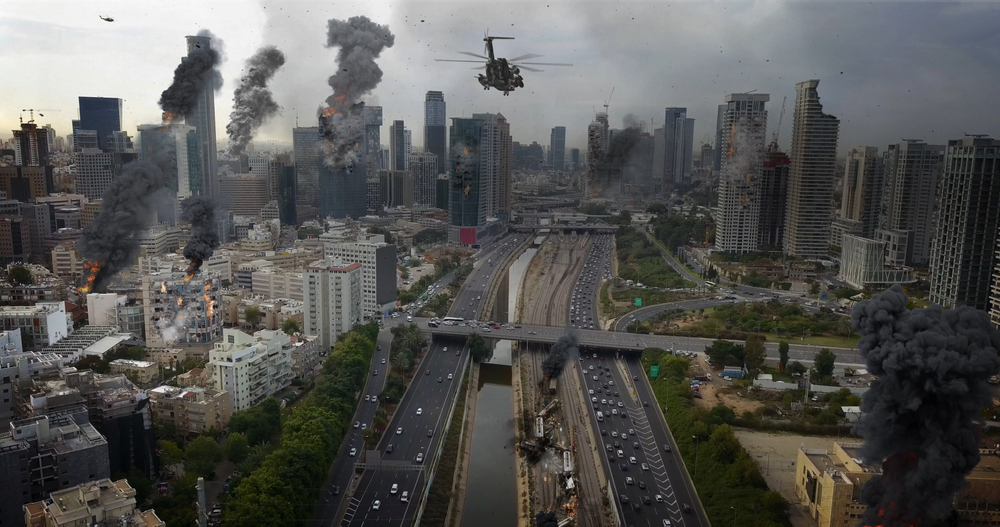
The decision to pause strikes also reflects political considerations.
After weeks of conflict, economic pressure has been building. Rising fuel prices and market volatility have affected consumers and businesses, increasing scrutiny on the administration’s approach.
With midterm elections approaching later in the year, the economic impact of the conflict has become a key concern. Lawmakers and voters have expressed growing unease about the cost of prolonged engagement.
The timing of the announcement suggests an attempt to balance military strategy with economic stability. By signaling openness to talks, the administration may be aiming to ease both international tensions and domestic pressure.
At the same time, the shift raises questions about consistency. Just days earlier, Trump had issued a strong ultimatum, warning of severe consequences if Iran did not reopen the Strait of Hormuz. The subsequent pause represents a notable change in tone.
This combination of hardline rhetoric and sudden de escalation has added another layer of unpredictability to the situation.
A Market Driven by Headlines

One of the most striking aspects of this episode is how quickly markets reacted to a single announcement.
Within minutes, futures surged, oil prices reversed direction, and safe haven assets like gold declined by more than 3 percent. Treasury yields also moved lower as investors shifted toward bonds.
This reflects a broader trend in modern financial markets, where real time information plays a dominant role. Political statements, particularly those shared through social media, can influence billions of dollars in trading activity almost instantly.
It also raises questions about market transparency. Reports of unusually large trades placed shortly before the announcement have prompted discussions about whether some participants had advance knowledge, though no conclusions have been confirmed.
What is clear is that markets are increasingly reactive, and that volatility can be driven as much by perception as by reality.
Global Ripple Effects Beyond Wall Street
The impact of Trump’s announcement extended well beyond US markets.
European stocks also rose, with major indices gaining as investors responded to the possibility of reduced geopolitical risk. Germany’s DAX index, for example, closed higher after initially surging more than 3 percent earlier in the session.
In Asia, falling oil prices created opportunities for energy importing economies. In India, shares of major oil companies moved higher as lower crude prices improved their outlook.
This illustrates how interconnected the global economy has become. A policy decision in Washington can influence everything from fuel costs in Asia to investment strategies in Europe.
What Comes Next
Despite the market optimism, the situation remains uncertain.
Several factors will determine the direction of events in the coming days. These include whether meaningful negotiations actually take place, whether Iran agrees to de escalation measures, and whether the Strait of Hormuz reopens fully to global shipping.
There is also the risk that tensions could flare up again. Even a single incident could reverse recent gains, pushing oil prices higher and sending markets back into volatility.
For now, the pause represents a temporary window rather than a definitive resolution.
A Moment of Relief, Not Resolution
The events of March 23, 2026 demonstrate how closely politics and economics are intertwined in today’s world.
A single decision to delay military action resulted in a 600 point surge in the Dow, a double digit drop in oil prices, and a rapid shift in global market sentiment.
Yet the underlying issues remain unresolved. Conflicting narratives, ongoing military activity, and uncertainty around negotiations all suggest that the situation is still fragile.
For investors, the lesson is one of caution. Short term rallies can be driven by optimism, but long term stability depends on real progress.
For policymakers, the challenge lies in balancing geopolitical strategy with economic impact. Decisions made on the global stage now have immediate consequences for households, businesses, and financial systems worldwide.
And for the public, this moment serves as a reminder of how interconnected everything has become. Events unfolding thousands of miles away can influence daily life in ways that are both immediate and profound.
As the week progresses, attention will remain fixed on whether talks materialize and whether this pause leads to something more lasting.
Because while the market may have reacted instantly, the real outcome of this decision is still unfolding.