
Your cart is currently empty!
Japan Airlines’ Sneaker Policy Signals a New Era for Workplace Comfort
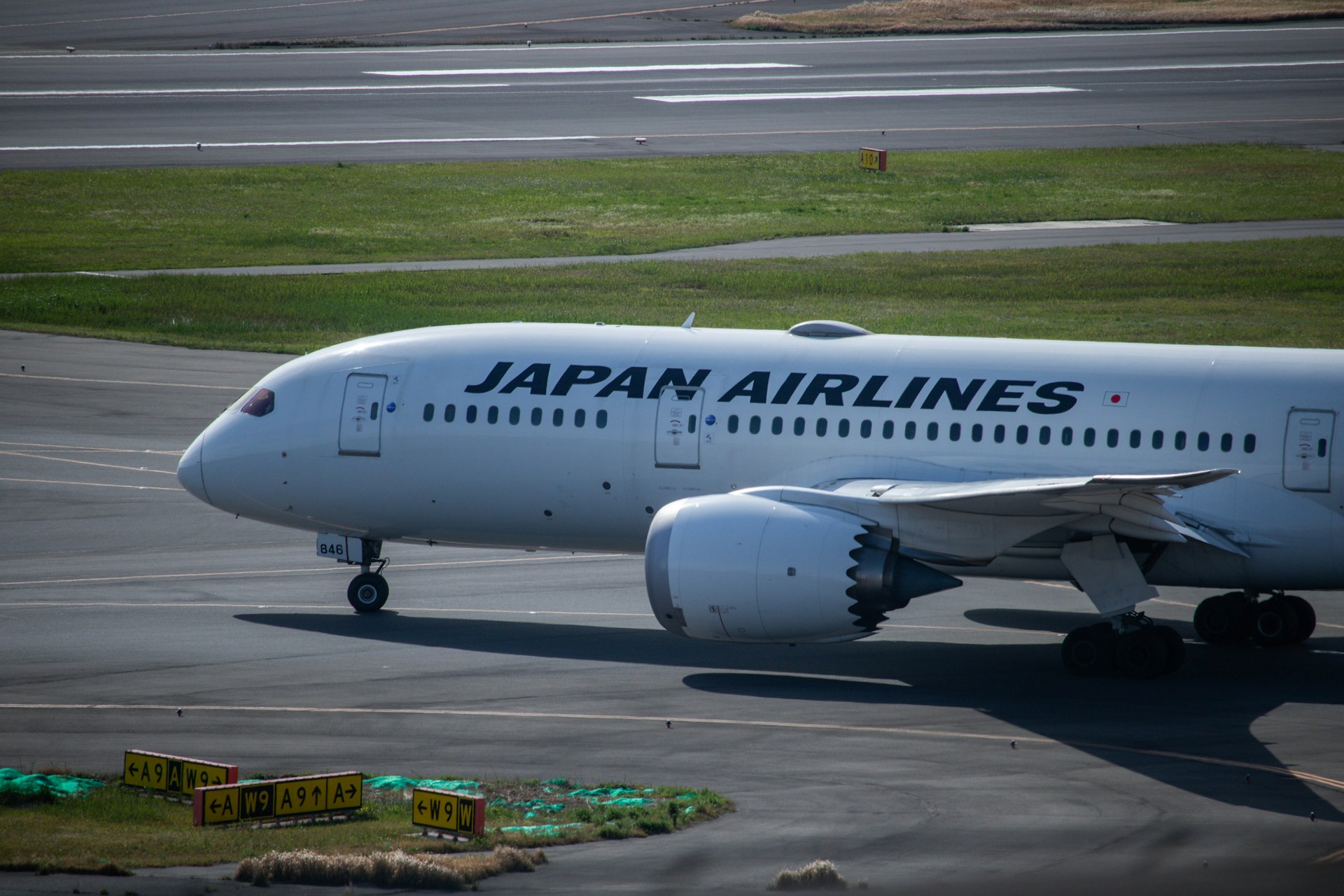
Japan Airlines has made headlines after introducing a long-awaited change that many of its employees say is overdue. For decades, female cabin crew were expected to wear high heels as part of their uniform, a requirement that was rarely questioned publicly but widely discussed behind the scenes. Now, that expectation is shifting, and the response from staff has been overwhelmingly positive.
Contents
show
The decision to allow sneakers as part of the official uniform may seem like a small update to some, but for those who have spent years working long-haul flights in uncomfortable footwear, it represents something much bigger. It is not just about shoes, but about comfort, health, and the evolving expectations of workplace equality in one of the world’s most detail-oriented industries.
The change also reflects a broader cultural shift happening in Japan and beyond, where traditional workplace norms are being re-examined through the lens of modern values. For many, this moment is not just about airline uniforms but about how institutions respond to voices that have long gone unheard.
A Longstanding Uniform Tradition Finally Challenged
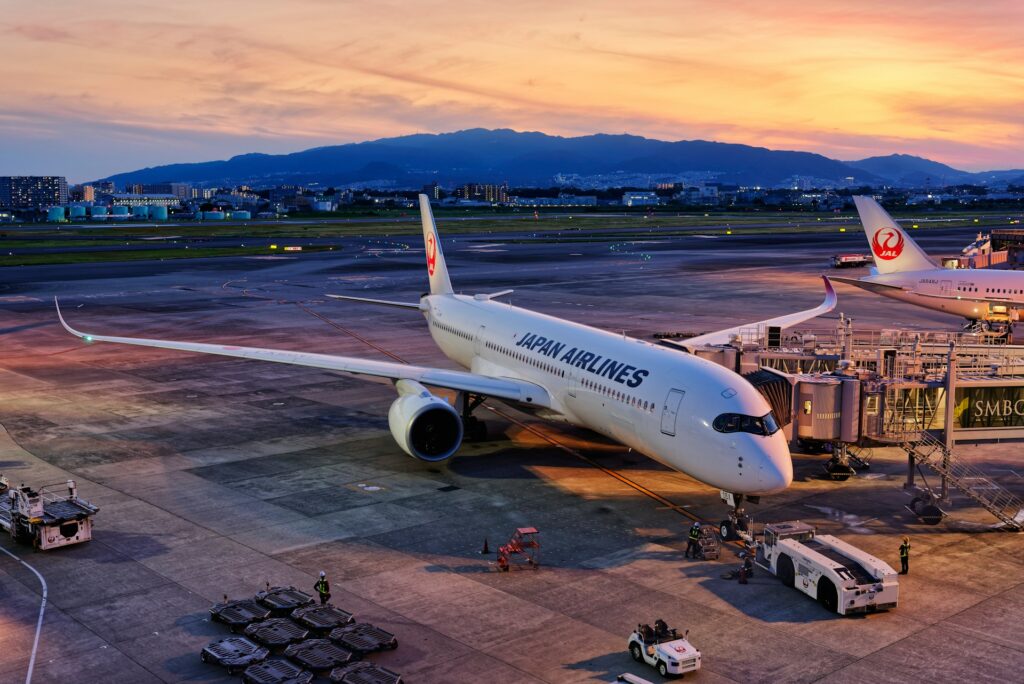
For years, Japan Airlines maintained strict grooming and uniform policies that reflected a polished and highly professional image. Female flight attendants were required to wear high heels, often for extended periods during flights that could last over ten hours. The expectation was rooted in a long-standing belief that appearance was central to hospitality.
While these standards were seen as part of the job, many employees quietly struggled with the physical toll. Standing, walking, and performing safety duties in heels placed strain on the feet, knees, and lower back. Over time, this discomfort became normalized, even though it affected performance and well-being.
The issue gained wider attention as discussions around workplace dress codes began to surface globally. What was once considered standard practice started to be questioned, particularly when it came to gender-specific requirements. Why should comfort be compromised for appearance, especially in roles that demand physical endurance?
According to reporting by The Independent, similar policies across industries in Japan had already sparked debate, with some workers speaking out about the health implications of mandatory high heels. This growing awareness laid the groundwork for change within organizations like Japan Airlines.
The Role of the KuToo Movement in Sparking Change
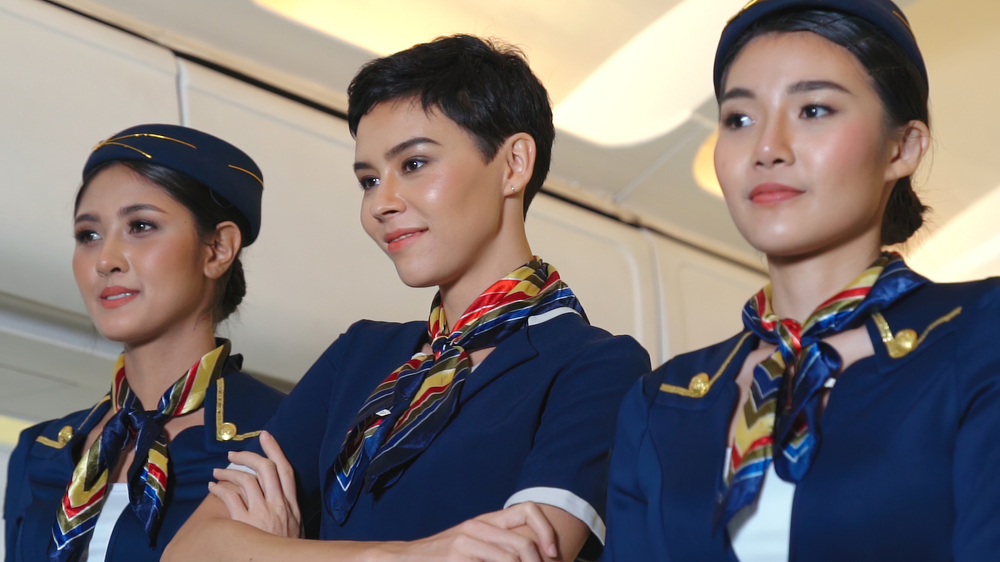
The conversation around workplace footwear in Japan cannot be separated from the KuToo movement, a social campaign that challenged the expectation for women to wear high heels at work. The movement gained traction after women began sharing their experiences online, highlighting both the physical pain and the social pressure associated with such dress codes.
The term itself cleverly combines the Japanese words for shoes and pain, creating a powerful symbol of resistance. What started as a grassroots discussion quickly evolved into a national conversation about gender norms, workplace equality, and employee rights.
Activists involved in the movement pushed for legislative and corporate changes, arguing that mandatory heels were not only outdated but also discriminatory. Their efforts brought attention to policies that had long been accepted without question, encouraging companies to rethink their standards.
While change did not happen overnight, the persistence of the movement played a significant role in shifting public perception. By the time Japan Airlines began reviewing its policies, the conversation had already reached a point where inaction would have seemed increasingly out of step with societal expectations.
What the New Sneaker Policy Actually Means
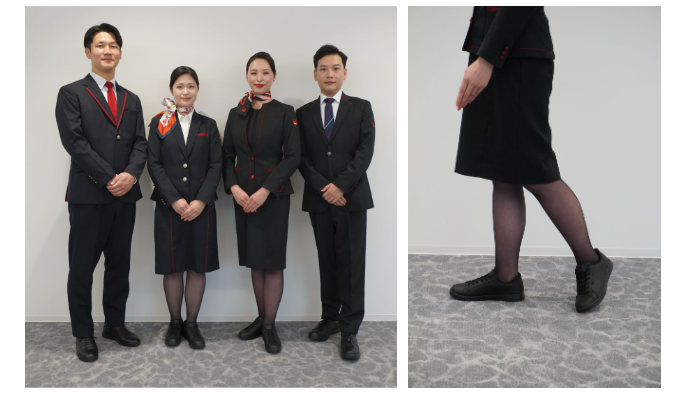
Japan Airlines officially updated its uniform guidelines to allow female cabin crew to wear black sneakers as an alternative to traditional heels. This change, confirmed through the company’s press release, applies across its group airlines, signaling a unified shift in policy rather than a limited trial.
The introduction of sneakers is not just about offering a different style option. It represents a recognition of the physical demands placed on flight attendants and the need to support them in performing their roles effectively. Comfort, once considered secondary, is now being acknowledged as essential.
According to coverage from Mainichi, employees have welcomed the update, describing it as a practical and thoughtful improvement. For many, the ability to choose footwear that better suits their needs is a meaningful step toward a more inclusive workplace environment.
Importantly, the policy does not eliminate heels entirely. Instead, it gives staff the freedom to decide what works best for them. This flexibility reflects a broader trend in corporate culture, where choice and adaptability are becoming key elements of employee satisfaction.
Why This Change Matters Beyond the Airline Industry
At first glance, a uniform update might not seem like a major development. However, changes like this often signal deeper shifts in how companies view their employees and their responsibilities toward them. In industries where tradition is deeply embedded, even small adjustments can have a ripple effect.
The airline industry, known for its strict standards and global visibility, plays a significant role in shaping perceptions of professionalism. When a major carrier like Japan Airlines updates its policies, it sends a message that comfort and practicality can coexist with high standards.
This decision may also influence other companies, both within aviation and in other sectors, to reconsider their own dress codes. As employees increasingly prioritize well-being, organizations that adapt are more likely to attract and retain talent.
Furthermore, the move highlights the importance of listening to employee feedback. By responding to concerns and evolving expectations, companies can build trust and foster a more supportive work environment.
The Human Impact Behind the Headlines
Beyond policy documents and press releases, the real story lies in how this change affects the daily lives of employees. For flight attendants, the ability to wear sneakers can mean reduced fatigue, fewer injuries, and a more comfortable working experience overall.
Long shifts, unpredictable schedules, and the physical demands of the job make comfort a crucial factor. Even small improvements can have a significant impact on morale and performance, contributing to a better experience for both staff and passengers.
The positive response from employees also reflects a sense of validation. After years of enduring discomfort, being heard and acknowledged can be empowering. It reinforces the idea that their well-being matters and that their voices can lead to meaningful change.
Stories like this resonate because they highlight everyday challenges that often go unnoticed. They remind us that progress is not always about sweeping reforms but about addressing the details that shape people’s lives.
A Step Toward a More Flexible Future
The introduction of sneakers into Japan Airlines’ uniform policy is part of a broader trend toward flexibility in the workplace. As industries evolve, so too do the expectations placed on employees and employers alike.
This shift is particularly relevant in a post-pandemic world, where comfort and practicality have become more prominent considerations. From remote work to relaxed dress codes, many organizations are rethinking what professionalism looks like.
For Japan Airlines, the change represents an opportunity to modernize its image while staying true to its commitment to service excellence. By embracing innovation in even small ways, the company demonstrates its willingness to adapt.
Looking ahead, it will be interesting to see how other airlines respond and whether similar policies become the norm. What was once considered unconventional may soon become standard practice across the industry.
Source
- Cabin crew and airport staff to adopt sneakers for Enhanced Comfort|JAL Group – press release. (2025, November 13). https://press.jal.co.jp/en/release/202511/009135.html