
Your cart is currently empty!
New Research Rewrites the Timeline of Earth’s Moving Plates
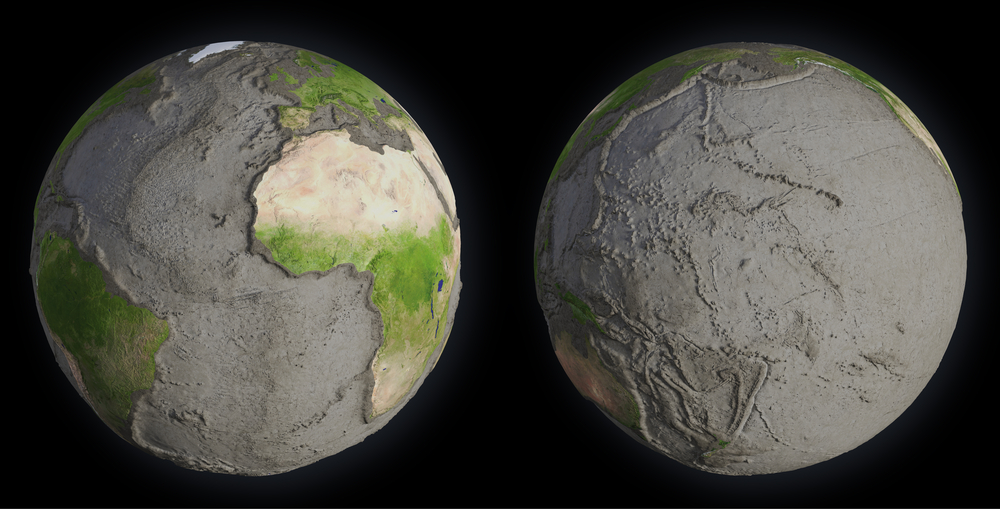
Earth may look calm and steady from the surface, but beneath our feet lies a restless system that has shaped the planet for billions of years. Plate tectonics, the process that moves massive slabs of Earth’s crust, is responsible for continents drifting, mountains rising, and oceans forming. Yet one of the biggest unanswered questions in geology has long been when exactly this system began.
Contents
show
Recent scientific studies are now offering new clues, pushing researchers closer to understanding the origins of plate tectonics. Drawing on geological evidence and advanced modeling, scientists are uncovering signs that Earth’s dynamic surface may have started evolving far earlier than previously believed. According to reporting by CNN, these discoveries could reshape how we understand the early Earth and even the conditions that made life possible.
This emerging research does not just fill a historical gap. It also deepens our understanding of how Earth became a habitable planet and how its systems continue to regulate climate and ecosystems today. As scientists piece together this ancient puzzle, the story of Earth’s earliest movements is becoming clearer and more fascinating.
Understanding Plate Tectonics and Why It Matters
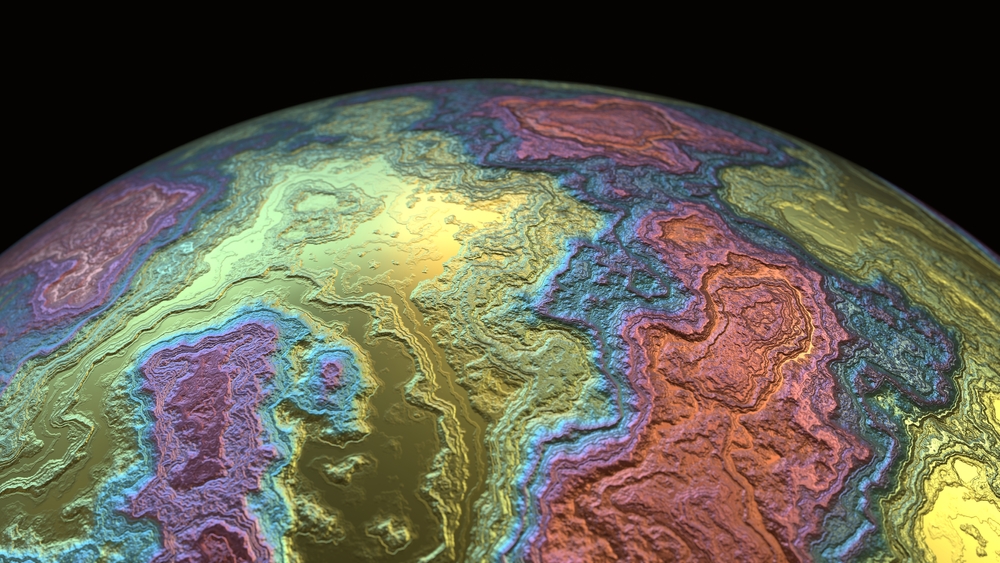
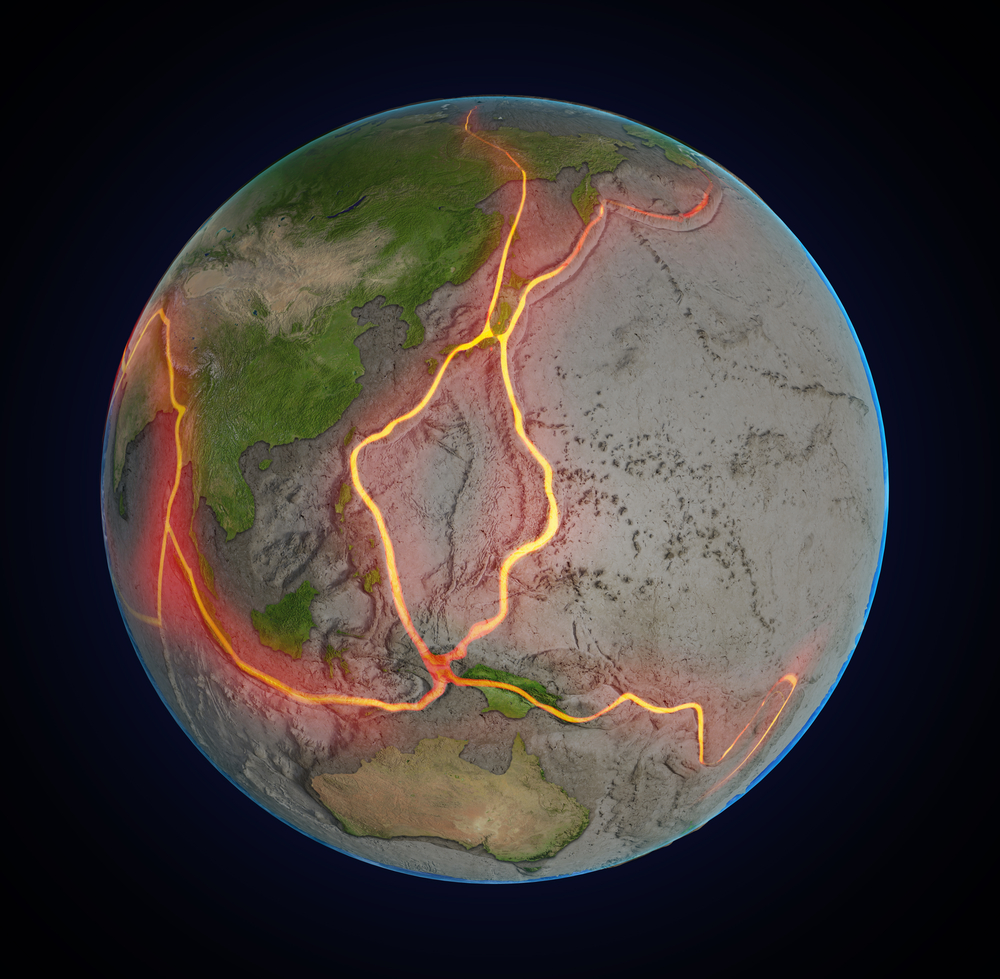
Plate tectonics is the scientific theory that describes how Earth’s outer shell is divided into large plates that move slowly over time. These movements are driven by heat from the planet’s interior, creating forces that push, pull, and grind the plates against one another. While this process occurs over millions of years, its effects are visible in earthquakes, volcanic eruptions, and the formation of mountain ranges.
The importance of plate tectonics extends far beyond geology. It plays a crucial role in regulating Earth’s climate by cycling carbon between the surface and the interior. This process helps maintain temperatures suitable for life. Without tectonic activity, Earth might resemble planets like Mars or Venus, where conditions are far less hospitable.
Scientists have long debated when plate tectonics first began because early Earth conditions were vastly different from today. The planet was hotter, its crust thinner, and its internal processes more intense. These factors make it difficult to identify clear geological evidence from billions of years ago.
Understanding the origin of plate tectonics is essential for reconstructing Earth’s history. It helps researchers determine when continents first formed, how oceans developed, and how early environments may have supported life. Each new discovery adds another piece to this complex and evolving story.
New Research Reveals Earlier Geological Activity
Recent studies suggest that signs of tectonic activity may date back more than four billion years. Researchers have identified ancient rock formations that show patterns consistent with subduction, a process where one tectonic plate slides beneath another. This is a key feature of modern plate tectonics.
According to the study, these early signs were found in zircon crystals, which are incredibly durable minerals that can preserve geological information for billions of years. By analyzing their composition, scientists were able to infer conditions that resemble those found in modern tectonic environments.
CNN reports that these findings challenge previous assumptions that plate tectonics began around three billion years ago. Instead, the evidence points to a much earlier start, suggesting that Earth’s surface may have been active and dynamic shortly after the planet formed.
This shift in timeline has significant implications. It suggests that the processes shaping Earth today have been operating for far longer than scientists once thought, potentially influencing the development of the atmosphere and early life.

Evidence from Ancient Rocks and Crystals
Zircon crystals have become a central focus in the study of early Earth. These tiny minerals act like time capsules, preserving chemical signatures from the conditions in which they formed. By examining isotopes within zircons, researchers can reconstruct ancient environments with remarkable precision.
Science News highlights that some of the oldest zircons show evidence of interactions with water, which is often linked to tectonic processes. This suggests that Earth’s surface may have supported oceans and continental activity earlier than previously believed.
In addition to zircons, scientists are studying ancient rock formations known as greenstone belts. These formations provide clues about early crustal movements and may indicate the presence of primitive tectonic systems. While not identical to modern plate tectonics, these early processes could represent a transitional stage.
The combination of mineral analysis and geological mapping is allowing researchers to build a more detailed picture of Earth’s early history. Each piece of evidence strengthens the case for an earlier onset of tectonic activity.
Competing Theories and Ongoing Debate
Despite these new findings, the scientific community has not reached a consensus on when plate tectonics began. Some researchers argue that early Earth conditions were too extreme to support the kind of organized plate movement seen today. Instead, they propose that the planet’s crust behaved in a more chaotic and less structured way.
Others believe that plate tectonics may have started gradually, evolving from simpler forms of crustal movement into the complex system we observe now. This perspective suggests that early evidence may represent partial or localized tectonic activity rather than a fully developed global system.
CNN notes that differing interpretations of the same data often lead to contrasting conclusions. This is a natural part of the scientific process, as researchers refine their methods and gather more evidence.
The debate is far from settled, but it is driving further research and innovation. New technologies and analytical techniques are helping scientists revisit old samples and uncover new details that were previously impossible to detect.
Why This Discovery Matters for Climate and Life
The timing of plate tectonics has direct implications for Earth’s climate history. Tectonic activity influences the carbon cycle by controlling how carbon dioxide is released and stored. This, in turn, affects global temperatures and atmospheric composition.
If plate tectonics began earlier than previously thought, it could mean that Earth’s climate stabilized sooner. This would have created more favorable conditions for the emergence of life, potentially pushing back the timeline for when life first appeared.
Tectonic processes also play a role in nutrient cycling. By bringing minerals from the Earth’s interior to the surface, they help sustain ecosystems over long periods. This connection highlights the deep interdependence between geological and biological systems.
Understanding these relationships is not just about the past. It also provides insights into how Earth’s systems may respond to future changes, including those driven by human activity.
Piecing Together Earth’s Ancient Puzzle
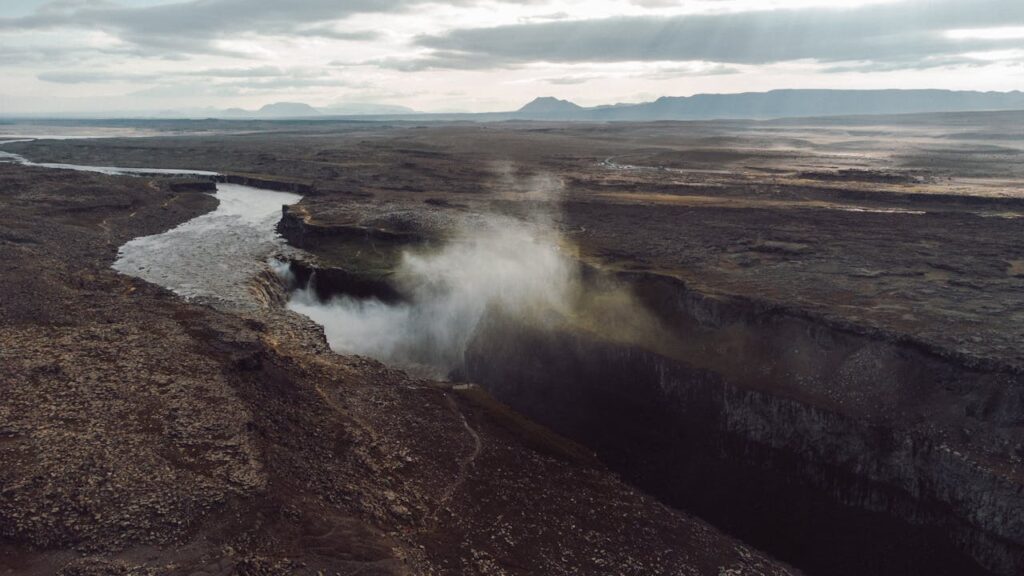
The question of when plate tectonics began is more than an academic debate. It is a window into Earth’s earliest history and the forces that shaped its evolution. Recent studies suggest that tectonic activity may have started far earlier than previously believed, challenging long held assumptions.
These findings highlight the importance of continued research and exploration. As scientists uncover new evidence, our understanding of Earth’s past becomes richer and more complex. This knowledge not only satisfies curiosity but also informs how we think about the planet’s future.
Ultimately, the story of plate tectonics reminds us that Earth is not a static world. It is constantly changing, driven by forces that have been at work for billions of years. By studying these processes, we gain a deeper appreciation for the delicate balance that makes life possible.
References
- A.R. Brenner et al. Paleomagnetic detection of relative plate motions and an infrequently reversing core dynamo at 3.5 Ga. Science. Published online March 19, 2026. doi: 10.1126/science.aef5648.
- C. Nichols. Ancient rocks reveal early plate motions. Science. Published online March 19, 2026. doi: 10.1126/science.aef5648
- J.W. Valley et al. Contemporaneous mobile- and stagnant-lid tectonics on the Hadean Earth. Nature. Published online February 4, 2026. doi: 10.1038/s41586-025-10066-2.
- J. Ding et al. Paleomagnetic evidence for Neoarchean plate mobilism. Nature Communications. Published online December 30, 2024. doi: 10.1038/s41467-024-55117-w.