
Your cart is currently empty!
The Iran War Opens a New Front in Yemen — Here’s How It Could Escalate
When air defense sirens began blaring across southern Israel in late March 2026, they signaled much more than just another localized attack. For weeks, the world had been anxiously monitoring the escalating military confrontation between the United States, Israel, and Iran, hoping the fragile boundaries of the conflict would somehow hold. Then, the geopolitical ground abruptly shifted. Yemen’s Houthi forces officially entered the fray, launching a coordinated barrage of ballistic missiles and drones that instantly transformed a tense standoff into a sprawling regional war.
Contents
show
Yemen’s Entry: How a Single Strike Reshaped the Battlefield
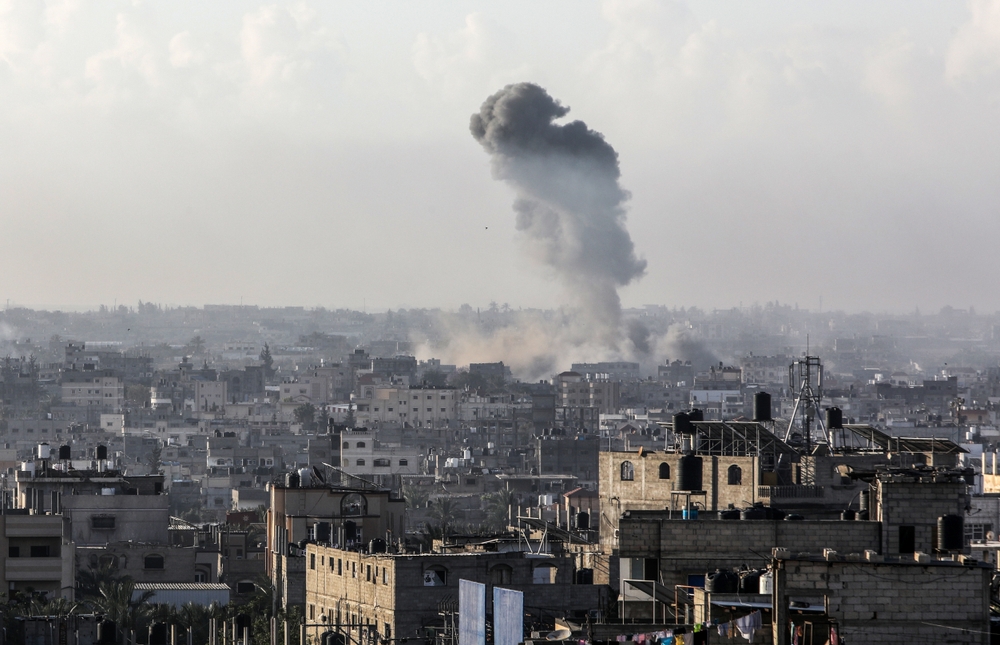
For a month, the international community watched with deep concern as the military confrontation between the United States, Israel, and Iran unfolded. Many held onto the hope that the hostilities could be contained. However, on March 28, 2026, the geopolitical landscape shifted dramatically when Yemen’s Houthi forces officially entered the fray. This development transformed an already devastating confrontation into a sprawling regional crisis. On that Saturday, the Houthis launched a coordinated barrage of ballistic missiles and drones targeting what they described as sensitive military sites in Israel.
While the Israeli military successfully intercepted initial strikes, including a ballistic missile that triggered air defense sirens in the southern city of Beersheva, the broader message from Yemen was unmistakable. Yahya Saree, the military spokesman for the Houthis, publicly announced that their operations were carried out in direct support of Iran and its allied factions. He explicitly stated that their military actions would continue until the operations against their allies come to an end.
This moment marks a severe turning point in a war that began on February 28 with surprise airstrikes across Iran. The Houthis had spent weeks issuing warnings, asserting that their “fingers are on the trigger” should the conflict expand or allied nations intervene. By acting on these threats, they have shattered the fragile, tentative peace that had settled over Yemen following recent regional truces. Their direct involvement introduces a highly unpredictable and well-armed faction into the war, one that has previously demonstrated a willingness to absorb significant retaliatory strikes while maintaining a persistent offensive.
The Global Chokepoint at Yemen’s Shore
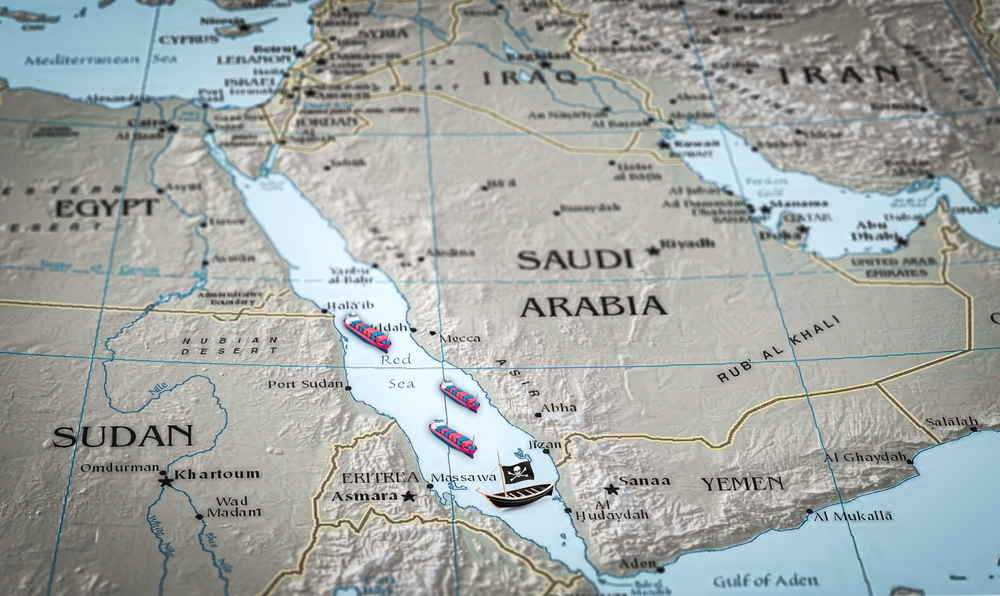
To see why this specific escalation is so alarming, we just need to look at a map of the Red Sea. Yemen sits right next to the Bab el-Mandeb Strait. This narrow stretch of water is essentially the gateway between the Indian Ocean and the Suez Canal. It is incredibly small, but roughly 12 to 15 percent of all global trade passes through it every single year. That includes millions of barrels of oil, natural gas, and the everyday consumer goods we rely on.
The Houthis are far from a small, unequipped rebel faction. Thanks to years of training and advanced technology provided by Iran, they possess a serious arsenal of anti-ship missiles and long-range drones. We already saw a preview of this exact nightmare in late 2023 and 2024. Back then, Houthi attacks on commercial vessels forced major shipping companies to abandon the Red Sea route entirely. Cargo ships had to take a massive detour around the southern tip of Africa. That detour adds up to two weeks of travel time and requires enormous amounts of extra fuel for every single trip. Now, with their direct entry into the 2026 war, the threat of a complete and sustained blockade is a very real possibility.
When shipping operations face these kinds of physical threats and delays, the financial burden always falls on regular people. Bernhard Schmaldienst, a director at the global supply chain firm Transporeon, captured the reality of this disruption perfectly when analyzing Red Sea blockades. He noted that ultimately, these costs end up being passed down to businesses and consumers. He pointed out that with 30 percent of all global container traffic traveling through this route, representing about one trillion dollars in cargo, it is an absolutely critical waterway.
Stretching Defenses to the Breaking Point
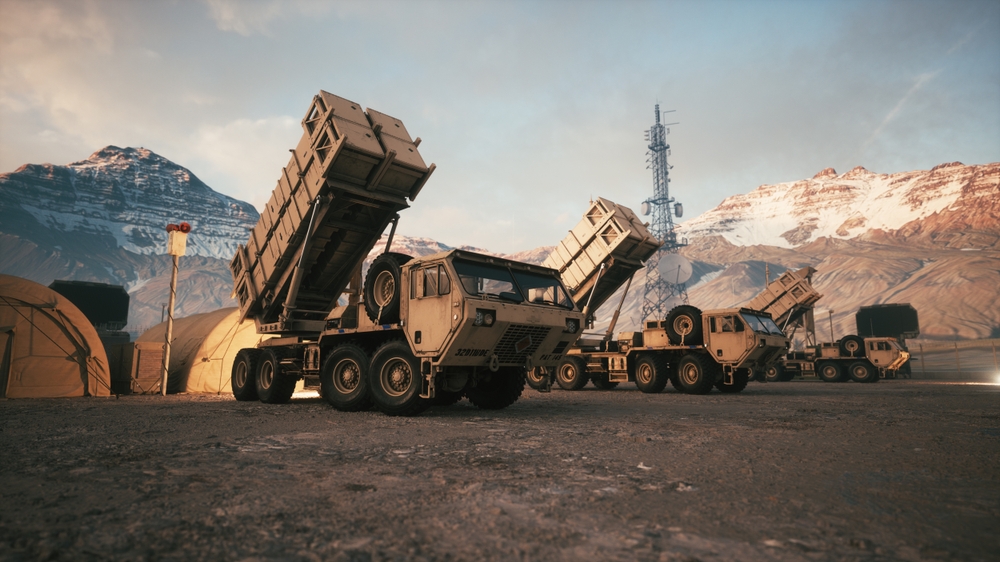
The military strategy behind this new escalation is just as alarming as the economic threat. For the first month of the war, American and Israeli forces were focused almost entirely on Iran. By launching ballistic missiles from Yemen, the Houthis forced allied militaries to suddenly divert their attention and defend a completely new southern front.
The goal is not necessarily to score direct hits on military bases. Instead, it is a calculated game of exhaustion. Every time a drone or missile flies out of Yemen, allied air defenses must fire incredibly expensive interceptor missiles to shoot it down. Over time, this constant barrage drains the stockpiles of the defense systems meant to protect cities and military personnel.
Ahmed Nagi, a Yemen analyst at the International Crisis Group, highlighted this exact danger shortly before the Houthis officially launched their strikes. He explained that a Houthi intervention serves to amplify Tehran’s asymmetric warfare strategy. Nagi noted that this involvement actively depletes American and Israeli air defense supplies, which could allow a much higher percentage of Iran’s remaining missiles to slip through and hit their targets. It is a coordinated effort to overwhelm the shield.
A Devastating Toll on Everyday Lives
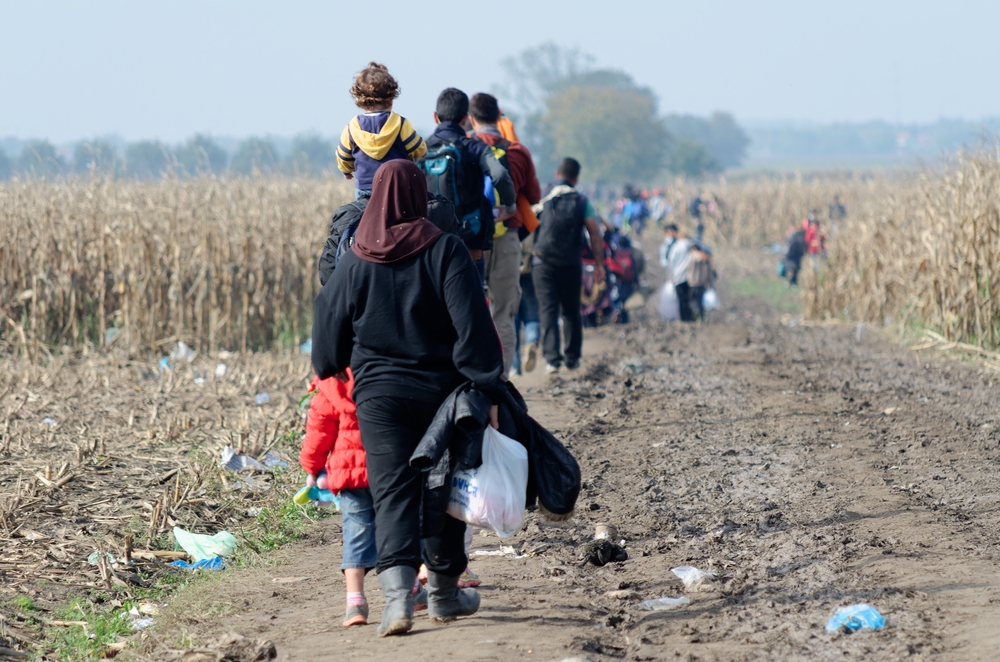
Behind the military strategies and the disrupted shipping routes is a profound human tragedy. For over a decade, the people of Yemen have endured what the United Nations consistently ranks as one of the most severe humanitarian crises on the planet. Even before this new wave of violence began, more than 22 million Yemenis were in desperate need of basic assistance just to survive. Now, as the Houthis drag the country into a much larger international confrontation, the civilian population faces an unimaginable nightmare.
When retaliatory airstrikes hit missile launch sites or radar stations in Yemen, the surrounding communities suffer the immediate consequences. Families who have already been displaced multiple times are once again forced to pack whatever they can carry and flee. Finding food, clean water, and safe shelter in an active combat zone becomes nearly impossible.
The international aid that keeps millions of people alive is also caught in the crossfire. With the Red Sea effectively functioning as a military zone, ships carrying essential humanitarian supplies cannot safely or reliably reach Yemeni ports. United Nations Special Envoy Hans Grundberg captured the grim reality of this interconnected crisis perfectly. When addressing the security situation, he warned that Yemen is both a mirror and a magnifier of the region’s volatility. His words highlight how the country is absorbing the devastating shockwaves of the broader war while simultaneously making the entire Middle East much less stable.
A World Holding Its Breath
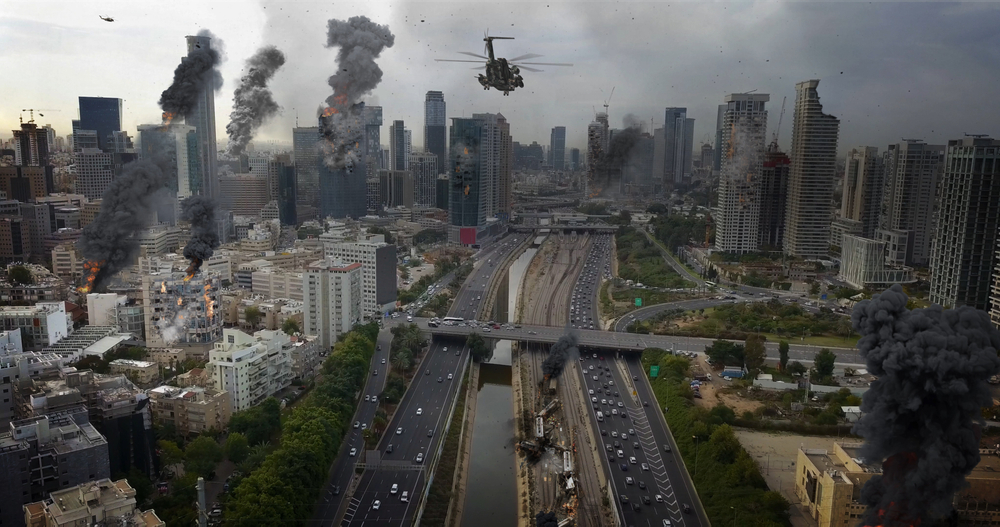
Watching the news right now often feels like holding your breath. The addition of Yemen to an already explosive conflict changes the fundamental shape of the war. It is no longer just a localized dispute but a sprawling web of military strikes stretching across international borders and vital waterways. For the ordinary person watching from afar, the sheer scale of the military hardware and the complex political maneuvering can feel entirely overwhelming, leaving many wondering just how far the violence will spread.
Yet, the true reality of this escalation is found in the quiet, anxious moments of families across the Middle East who simply do not know what the next night will bring. The diplomatic window to contain this violence appears to be closing rapidly. Addressing the severe escalation between these nations, United Nations Secretary-General António Guterres captured the global anxiety perfectly. He warned the international community that the Middle East is on the brink, noting that the people of the region are confronting a real danger of a devastating full-scale conflict. He pleaded with global leaders, stating that now is the time to defuse and de-escalate, and now is the time for maximum restraint.
His words reflect the heavy burden of the current moment. Ultimately, the story of this new front in Yemen is a stark reminder of how deeply connected our world truly is. A missile fired from the coast of the Red Sea ripples outward, instantly affecting global supply chains, international diplomacy, and the basic safety of millions of civilians. As the world waits to see if military leaders will heed the desperate calls for restraint, everyone from shipping clerks in Europe to displaced families in Sanaa is navigating the devastating reality of a war that continues to grow.