
Your cart is currently empty!
Prince Andrews Royal Fall From Grace Takes Another Strange Turn
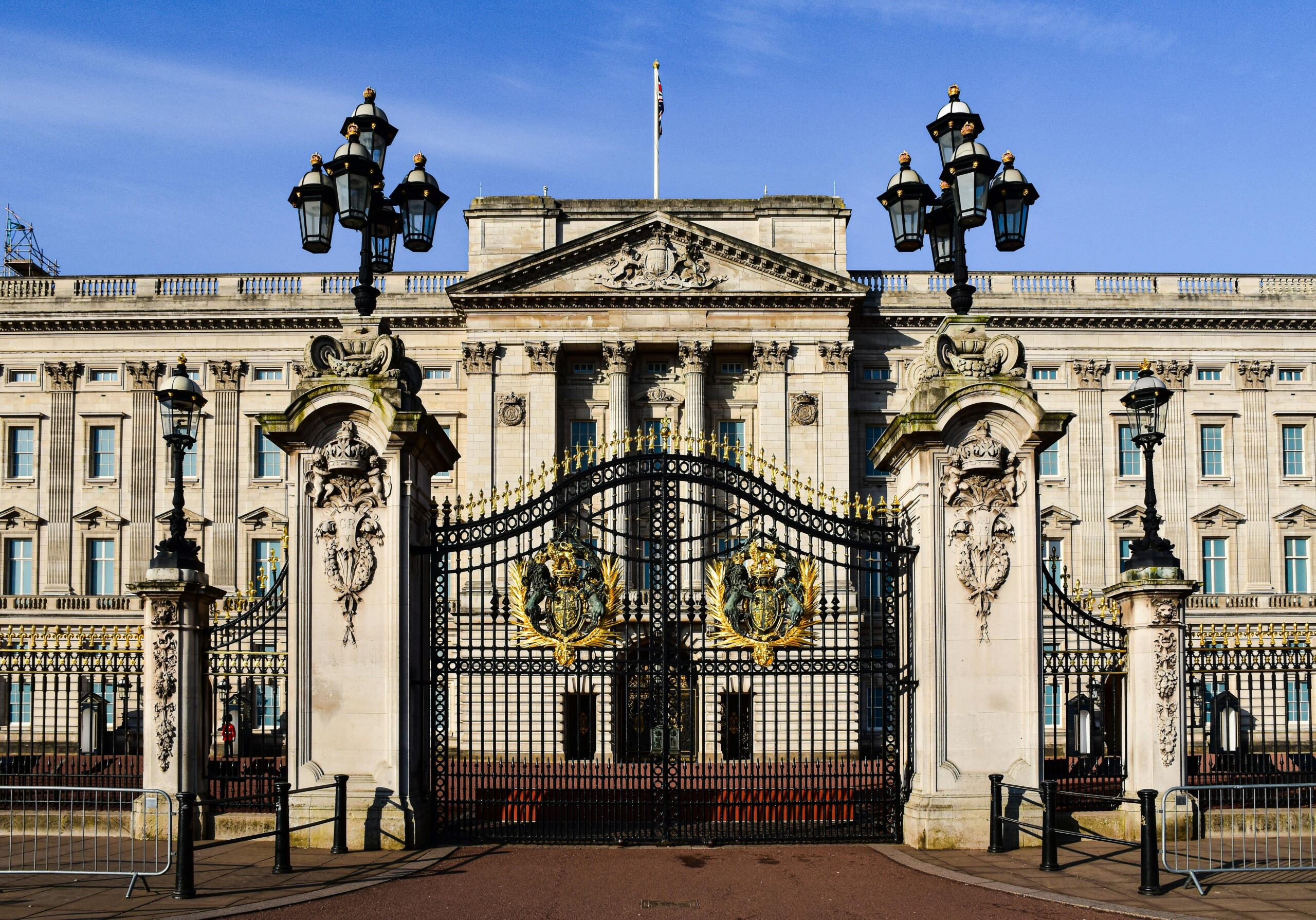
There are few images more symbolic of a public downfall than a once-untouchable royal figure sitting inside a weathered static caravan in the back garden of a much smaller home. For Andrew Mountbatten-Windsor, formerly Prince Andrew, that image now appears to define the latest chapter of a long and very public collapse.
Contents
show
For years, Andrew represented one of the most controversial tensions at the heart of modern monarchy: how far tradition, privilege and bloodline can continue to shield a public figure after trust has been broken. His move from the vast Royal Lodge in Windsor to more modest accommodation on the Sandringham estate is not just a story about downsizing. It is a story about reputation, power, optics and the increasingly narrow space available to disgraced public figures in an institution that survives by carefully managing appearances.
Now, with reports that a second-hand, moss-marked static caravan has been delivered to his new surroundings, the contrast between Andrew’s former life and his current reality has become almost impossible to ignore. The details are undeniably tabloid-friendly, but beneath the spectacle sits a much bigger story about how the monarchy is trying to contain one of its most enduring liabilities.
A Dramatic Downgrade From Royal Lodge
For more than two decades, Royal Lodge represented the kind of insulated royal existence that few people could ever imagine. The 30-room Windsor property, long associated with senior royal life and once linked to the Queen Mother, offered scale, privacy and status. It was not simply a home. It was a visible reminder that Andrew, despite years of scandal and public criticism, still occupied an extraordinary position within royal structures.
That is what makes his reported departure from Royal Lodge so significant.
According to the accounts provided in the reference reporting, Andrew was effectively pushed out after King Charles moved to cut financial support and tighten the terms of his continued existence within the royal orbit. The practical consequences were substantial. Staff arrangements changed. Security was reportedly reduced or reorganised. Longstanding comforts were stripped away. The symbolism, however, mattered even more.
Royal Lodge was the sort of property that allowed Andrew to continue projecting the illusion of permanence. As long as he remained there, there was always a sense that, however badly damaged his public standing had become, the institution had not truly closed the door.
That illusion now appears to be over.
His reported relocation first to Wood Farm, and then toward Marsh Farm after renovation works, marks a very different kind of royal life. Five bedrooms instead of thirty. A working estate rather than one of the monarchy’s more stately domestic settings. A sense of containment rather than prestige.
It is a reduction not only in physical space, but in symbolic importance.
Why the Caravan Matters More Than It Looks

At first glance, the caravan detail might seem like little more than a curiosity designed to generate headlines. A former prince. A moss-covered mobile home. A back garden. It is exactly the kind of image that invites ridicule.
But the caravan matters because of what it communicates.
Multiple reports describe the structure as a used static caravan, reportedly a Willerby Meridian Lodge model, placed on-site and showing visible wear. It has been described as dated, faded and functional rather than luxurious. In one version of the story, it is intended to house Andrew’s security team because his new accommodation does not have the space to absorb the same staffing footprint he once enjoyed. In another, insiders claim Andrew himself has taken a surprising liking to it and even spends time there.
Whether that detail is embraced by him or merely tolerated, it tells the same broader story.
This is no longer a man living in the confidence of inherited grandeur. This is a man being managed.
And in royal life, management is everything.
The British monarchy survives not only through ceremony and continuity, but through visual messaging. Palaces, uniforms, carriage processions, balcony appearances and estate houses all carry symbolic meaning. They tell the public who matters, who belongs and who is still considered part of the institution’s protected centre.
A caravan in the garden sends the opposite message.
It suggests practicality over privilege. Restriction over freedom. Temporary solutions instead of permanent entitlement. Even if the caravan is there for staff, and even if Andrew only uses it occasionally, the image has already done its work.
It tells the public that his world has shrunk.
King Charles Appears to Be Drawing a Harder Line
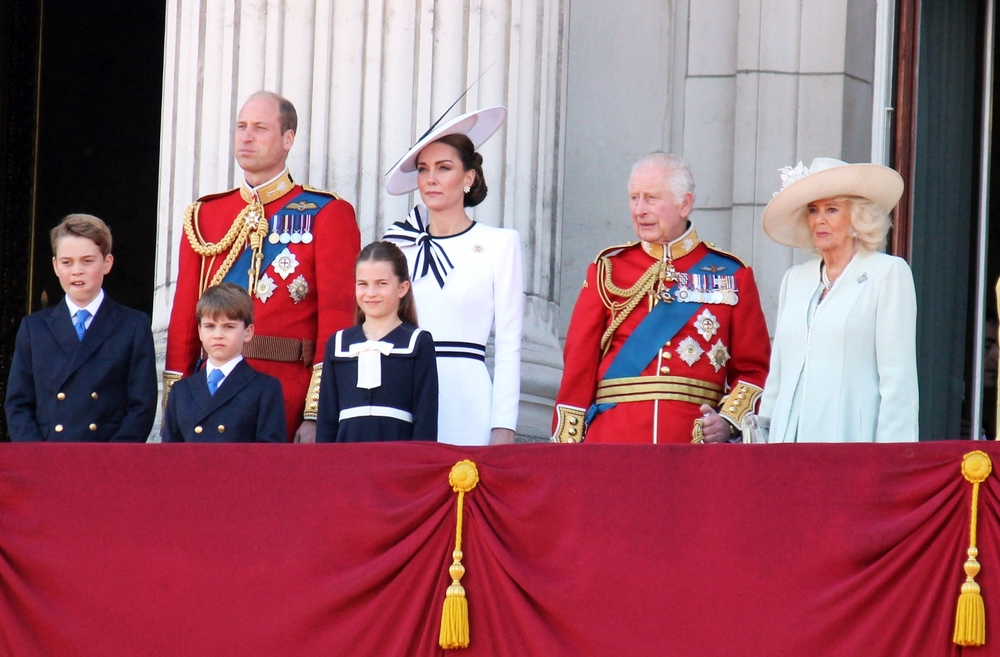
The most politically interesting part of this story is not the caravan itself. It is the role King Charles appears to be playing in shaping the conditions around it.
For years, one of the central criticisms aimed at the monarchy has been that it often acts too slowly when dealing with internal scandal. Public anger may rise quickly, but royal consequences have historically tended to arrive late, carefully and often only when absolutely unavoidable.
That Andrew’s position has continued to deteriorate under Charles is therefore highly revealing.
If the reporting cited in your references is accurate, Charles has not merely allowed Andrew to fade into the background. He has taken steps that amount to an institutional distancing strategy. Housing arrangements have changed. Financial dependency has increased. The autonomy that once came with Andrew’s senior royal identity appears to have been steadily dismantled.
This matters because Charles inherited not only the throne, but a complicated burden. He became monarch at a moment when the royal family was under pressure to modernise, slim down and prove its relevance to a more sceptical public. In that context, Andrew represents one of the most toxic unresolved issues the institution faces.
He is difficult to fully remove because he is family.
He is difficult to publicly defend because he is politically radioactive.
So what remains is management by reduction.
The strategy appears to be simple: lower his profile, narrow his comfort, minimise his symbolic importance and make clear, without requiring daily statements, that he no longer occupies the royal status he once did.
That is why this housing story lands with such force. It reads less like a property move and more like a constitutional mood shift inside the family itself.
The Shadow of Scandal Never Really Left
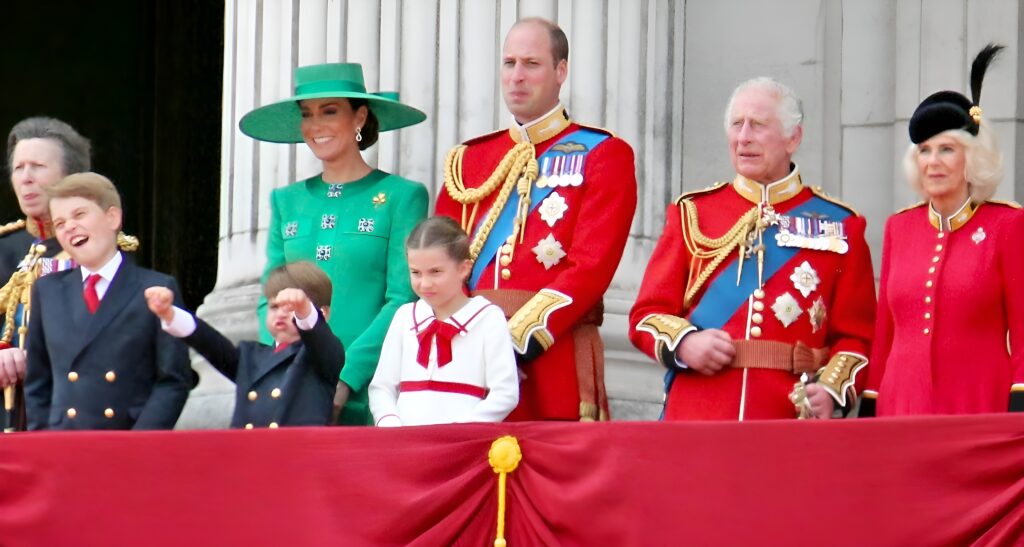
None of this would be happening in a vacuum. Andrew’s collapse in status has not been caused by one embarrassing photograph or one unflattering report. It has been cumulative.
For years, his name has remained tied to some of the most damaging controversies to engulf any modern member of the royal family. His relationship with Jeffrey Epstein became one of the defining scandals of his public life and, in the eyes of many, permanently altered how he was seen both in Britain and abroad.
Even where legal guilt has not been established, reputational damage has been immense.
That distinction matters. In public life, institutions often have to operate on two tracks at once: legal exposure and reputational survival. Someone may deny wrongdoing, avoid criminal conviction or settle civil matters without admissions, and still become politically or institutionally untenable.
Andrew’s situation appears to reflect exactly that tension.
The references you provided also mention more recent allegations relating to confidential trade documents and investigations into possible misconduct in public office. Those allegations are serious and, if true, would deepen the sense that his liabilities are not historical footnotes but continuing problems. He has denied wrongdoing.
Still, even the presence of such allegations keeps the pressure alive.
That matters enormously for the monarchy because royal institutions depend on carefully maintained moral distance. The Crown does not function like a celebrity brand alone. It functions as a symbolic state institution. Once a figure inside that system becomes persistently associated with scandal, secrecy or impropriety, the issue is no longer merely personal. It becomes structural.
In that sense, the caravan is not the story because it is humiliating.
It is the story because it shows what institutional quarantine can look like when it is carried out through lifestyle rather than outright exile.
A Fall From Privilege That the Public Can Actually Picture
One reason this story has such traction is because it is unusually easy to visualise.
Many scandals involving the rich and powerful are abstract. They involve legal filings, confidential meetings, internal reviews or palace briefings. The public understands that consequences may be unfolding, but often cannot see them.
This is different.
People understand what a mansion means. People understand what a caravan means. And they understand the emotional and cultural distance between the two.
That is why this story cuts through.
It takes a long-running royal scandal and translates it into something almost painfully simple: a man who once lived in a 30-room residence is now associated with a faded mobile home in a garden.
That image does not require constitutional expertise or royal obsession to decode. It is instantly legible.
It also speaks to a deeper public appetite for visible accountability.
Across politics, celebrity culture and monarchy alike, there is growing frustration with the idea that elite people can simply absorb scandal and carry on unchanged. When the public sees someone once protected by rank now facing visible reduction, there is often a sense that consequences, however delayed, have finally become real.
That does not mean the public response is always noble. Stories like this can easily drift into mockery, voyeurism and class theatre. But they also reveal something more serious: people want to see that status does not permanently outrank consequence.
In Andrew’s case, that is precisely why the caravan has become such a potent symbol.
What This Says About the Monarchy in 2026
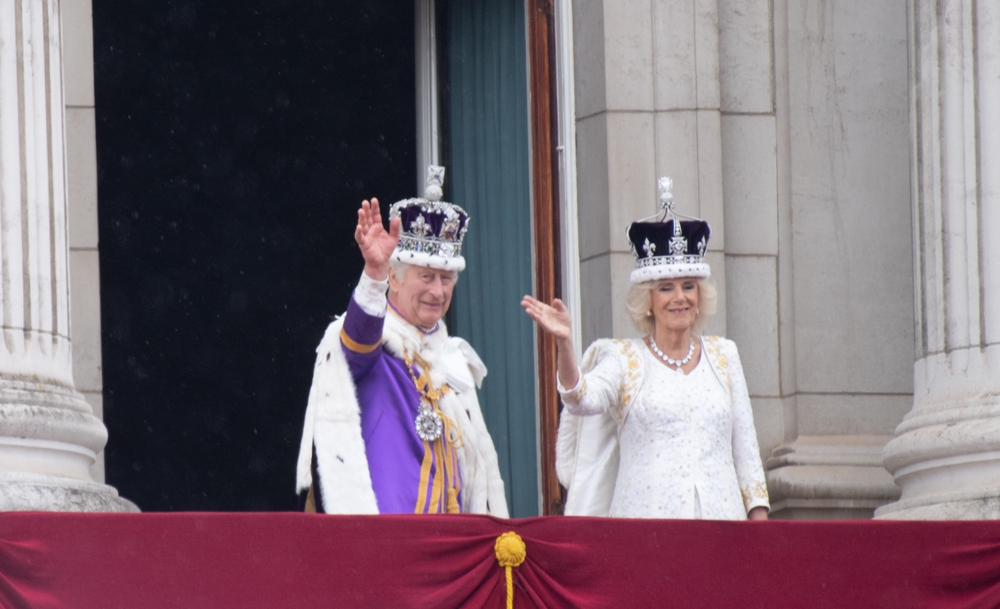
This story is not just about Andrew. It is also about the monarchy trying to adapt to a different era of scrutiny.
The royal family today operates in a much harsher environment than it did even twenty years ago. Deference has declined. Media ecosystems are more aggressive. Public trust is more conditional. Every contradiction between royal messaging and royal behaviour is now amplified instantly and repeatedly.
That means the institution can no longer rely on silence alone to make difficult figures disappear.
Instead, it has to demonstrate that consequences exist, even if they are administered quietly and unevenly.
That appears to be part of what is happening here.
By reducing Andrew’s visible comfort and limiting the prestige of his surroundings, the monarchy can signal that he is no longer operating under the same assumptions of permanence, entitlement and support that once defined his life. It is a way of acknowledging public sentiment without staging an all-out family war in public.
Whether that is enough is another matter entirely.
Critics will say it is still a soft landing by ordinary standards. Even a reduced royal life remains one of private estates, security arrangements, staffed support and family-funded shelter. And that criticism would be fair. For most people, this is not ruin. It is merely a far less gilded version of privilege.
But institutions like the monarchy do not work on ordinary scales. They work on symbolic scales.
And symbolically, this is devastating.
A man once photographed at state occasions, military events and diplomatic functions is now being discussed through the dimensions of a garden mobile home.
That is not just a housing update. It is a collapse of stature.
The Real Lesson is Not About Royal Property
It would be easy to end this story as a neat morality tale. Powerful man falls. Palace acts. Public watches. Caravan arrives.
But the real significance is a little more uncomfortable than that.
The Andrew story has always forced a broader question into view: how long do institutions protect damaged insiders before self-preservation finally overrides loyalty?
In many systems, whether political, corporate, media or royal, the answer is often the same. Much longer than the public expects.
That is why this moment resonates. It feels less like the beginning of accountability and more like the final visible stage of a very long reluctance.
Andrew’s apparent relocation from stately royal comfort to a much narrower existence does not erase the years in which he remained protected by title, access and family insulation. It does not resolve every question that still follows him. And it certainly does not transform him into a tragic everyman figure.
What it does do is reveal the limits of inherited protection in a modern public climate.
Even in the monarchy, one of the oldest and most ritualised systems of inherited power in the world, there comes a point where a damaged figure becomes too costly to carry in the old way.
That seems to be where Andrew now stands.
And perhaps that is why the caravan image has landed so hard.
Not because it is funny. Not because it is petty. But because it captures, in one strange and unglamorous object, the final shrinking of a life once built around untouchable status.
For the monarchy, it is an attempt at containment.
For the public, it looks like consequence.
And for Andrew Mountbatten-Windsor, it may be the clearest sign yet that whatever remained of his old royal world is no longer really his at all.