
Your cart is currently empty!
The Trump Administration’s Pursuit of a Massive Voter Database: Why Election Officials are Wary of Federal Data Centralization
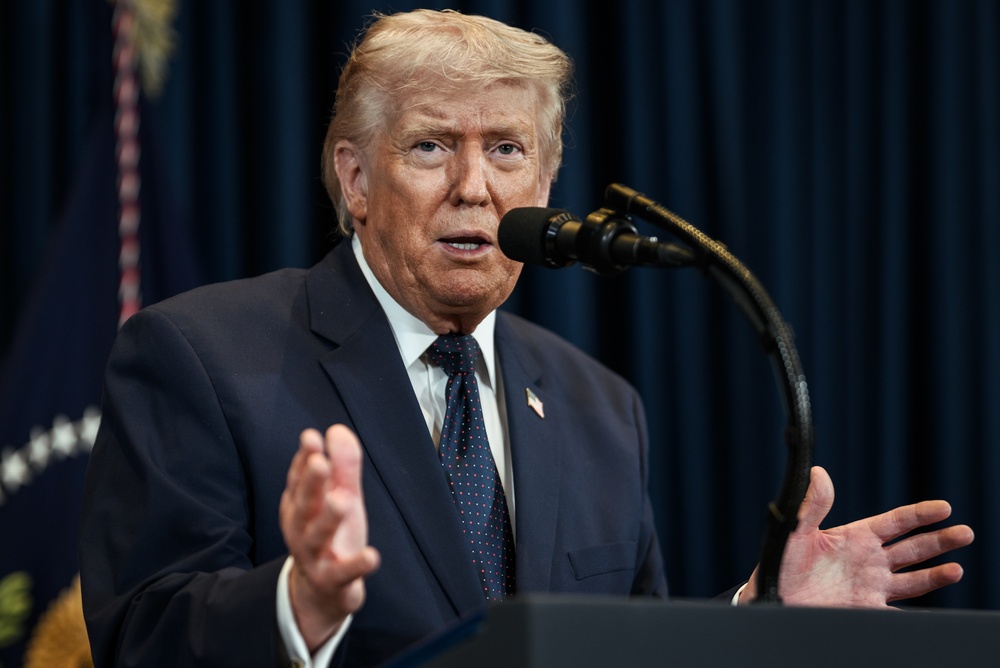
Across the country, the way elections are managed is starting to shift. What has long been handled at the local level is now facing increased federal involvement, creating tension between community control and centralized oversight. Many people have assumed their voter information stays with local officials they know and trust, but efforts to combine that data into a single federal system are challenging that idea. As a result, questions are emerging about who actually controls this information and how secure it really is. This isn’t just about updating systems—it’s raising broader concerns about privacy in a more centralized landscape.
Contents
show
The National Voter Registry
The way we run elections in America is undergoing a major shift that has put local officials and the federal government at odds. Traditionally, each state manages its own list of voters, but a new push from the Department of Justice is attempting to change that. The goal is to gather unredacted voter files from every corner of the country and bring them together into one massive, central database.
This isn’t just a simple list of names. Federal officials are asking for highly personal details, including full addresses, dates of birth, and even partial Social Security numbers. The administration argues that this is a necessary step for “election integrity.” They believe that by having all this data in one place, they can more easily spot people who have moved, passed away, or are registered in two places at once, making sure the rolls are as accurate as possible.
However, this move has hit a wall of resistance. While the government says it is just trying to follow federal law, many legal experts point out that the executive branch doesn’t actually have the clear authority to take over these lists. This disagreement has turned into a legal battle, with nearly 30 states currently facing lawsuits for refusing to hand over their citizens’ private information. What started as a debate over paperwork has quickly evolved into a much bigger conversation about privacy and where the federal government’s power should end.
The Pushback: Why State Officials Are Saying No

The resistance from state capitals isn’t just about legal technicalities; it’s driven by a deep concern for voter privacy and safety. Election officials from both parties have voiced fears that a centralized federal database creates a single point of failure. In an era where data breaches are common, having the private information of millions of Americans stored in one place makes it a high-value target for hackers. A single security lapse could expose the personal details of almost every registered voter in the country, leading to identity theft on an unprecedented scale.
Beyond cyber threats, there is the human element. Many state secretaries of state argue that local control is the best defense against overreach. They fear that if the federal government holds these lists, the data could be used for more than just “maintenance.” There is a lingering worry that the information could be weaponized to target specific groups of voters or to create lists for aggressive investigations that might intimidate people from showing up at the polls.
For many officials, the issue is one of trust. They believe that voters are more comfortable knowing their information is held by their own state and local neighbors rather than a distant federal agency. By fighting these data requests in court, these states are essentially drawing a line in the sand, arguing that protecting a voter’s right to privacy is just as important as protecting the security of the vote itself.
A Nation Divided
As the administration pushes forward, the country has split into different camps over how to handle these requests. The Department of Justice has taken an aggressive stance, filing lawsuits against 29 states and the District of Columbia to force them to hand over their voter rolls. Attorney General Pamela Bondi has been clear about the government’s position, stating that accurate and well-maintained rolls are a basic requirement for the election integrity that citizens deserve.
The government is basing its legal argument on a few key laws, including the Civil Rights Act of 1960 and the National Voter Registration Act. They argue these statutes give the federal government the power to inspect records to ensure states are doing their jobs correctly. So far, about 12 states, including Texas, Ohio, and Alaska, have agreed to provide their full data. Others have tried to find a middle ground by offering public versions of their lists while withholding the most sensitive details, like Social Security numbers.
However, a large group of states remains in open defiance. In places like California and Michigan, federal judges have recently dismissed the government’s lawsuits, ruling that the Department of Justice hasn’t yet proven it has the legal authority to demand such private information. These cases are now heading to appeals courts, and many legal experts believe the issue will eventually be decided by the Supreme Court. Until then, the map of the U.S. remains a patchwork of different data policies, with the future of voter privacy hanging in the balance.
Privacy Concerns in Federal Voter Data
At its heart, this debate isn’t just about databases—it’s about the people on the lists. When news of a centralized federal registry breaks, it often creates a ripple of anxiety among the public. Privacy advocates warn that if voters believe their most sensitive personal details are being funneled to a central authority, they might be less likely to register or update their information. This “chilling effect” could unintentionally weaken the very system the government claims to be strengthening.
There is also the question of how this data might be used in the future. While the stated goal is to clean up voter rolls, history shows that massive datasets can be repurposed in ways that are difficult to predict. Experts suggest that such a database could potentially be used for targeted messaging, surveillance, or even to challenge the eligibility of specific voters en masse. For many citizens, the idea of their private data being handled by a political entity—regardless of the party in power—is a unsettling prospect.
The strength of an election system relies on public confidence. If voters feel that their participation comes at the cost of their privacy, that trust begins to erode. As this database moves closer to becoming a reality, the challenge for officials will be to prove that they can balance the technical needs of a modern election with the fundamental right to keep one’s personal life private.
Trust as the Real Foundation
At the end of the day, the fight over this national database is about more than just paperwork or digital security. It’s a debate about how much control we want the federal government to have over our most personal details. While the administration sees this central list as a way to make things run more smoothly, others see it as a risk to the way our democracy has always worked—where power is kept close to home.
The big lesson here is that an election is only as strong as the people’s trust in it. If we want to move toward a more modern system, it has to be done in a way that respects privacy and stays transparent. Without those clear boundaries, the very tools meant to protect our vote could end up making people hesitate to join in. Real progress will come from proving that we can keep our elections accurate without sacrificing the privacy of every American who casts a ballot.