
Your cart is currently empty!
Trump Sets Another Iran Deadline as Tehran Rejects Ceasefire

Six weeks ago, the Trump administration called it a short excursion. Now, with ceasefire proposals rejected, deadlines shifting by the hour, and strikes raining down on three countries, the war with Iran has become something far larger and far more dangerous. As Monday dawned, a new framework sat on the desks of officials in Washington and Tehran. Whether either side accepts it before Tuesday’s deadline could determine whether millions of civilians face an even deeper catastrophe.
Contents
show
Here is where things stand.
Tehran Says No to a Temporary Pause
Iran made its position clear on Monday. After receiving a ceasefire proposal from regional mediators, Tehran rejected it outright, calling for a permanent end to hostilities rather than a brief pause. Foreign ministry spokesperson Esmail Baghaei told reporters that negotiations were “incompatible with ultimatums and threats to commit war crimes.”
A senior Iranian official, speaking anonymously to Drop Site, went further. Tehran views a temporary ceasefire as a trap, one that would allow the United States and Israel to regroup, rearm, and prepare for another round of attacks. Iran’s leadership believes Washington lacks the political will for a permanent agreement and is instead seeking a short breathing period to stabilize financial markets and address domestic legal constraints around the prosecution of the war.
Iran’s stance carries weight because of what happened before the war started. In February, Tehran brought technical experts to Geneva and proposed major concessions on its nuclear program, including expanded monitoring by the International Atomic Energy Agency and a non-aggression pact. Omani foreign minister Badr Albusaidi went on American television to say a peace deal was within reach. Days later, instead of engaging with those concessions, the U.S. and Israel launched a surprise attack on Tehran that killed Iran’s head of state and dozens of senior officials.
That betrayal now colors every proposal that arrives in Tehran.
Trump’s Shifting Deadlines
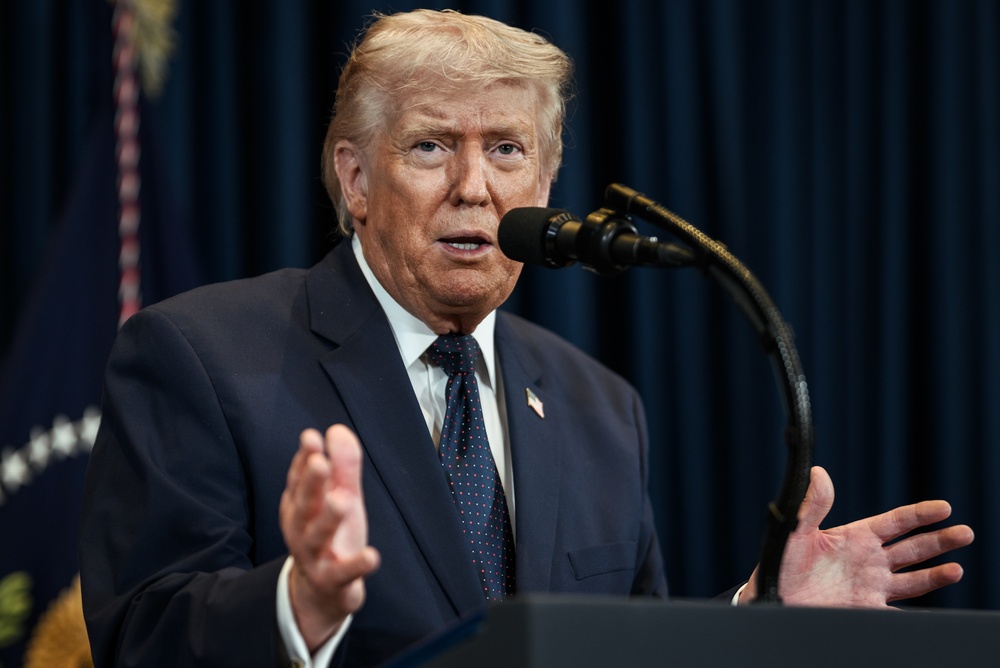
On Easter morning, Trump took to Truth Social with a message that left little room for diplomatic interpretation. He threatened to destroy Iranian power plants and bridges if Tehran did not reopen the Strait of Hormuz by Tuesday at 8 p.m. Eastern Time. “Tuesday will be Power Plant Day, and Bridge Day, all wrapped up in one, in Iran,” he wrote, before adding profane demands that Iran comply.
Amnesty International has warned that intentionally attacking civilian infrastructure such as power plants could amount to a war crime under international humanitarian law, given that such facilities are essential to the basic needs of tens of millions of people.
Trump’s Tuesday ultimatum is only the latest in a pattern that has defined his approach to the conflict. On March 21, he issued a 48-hour ultimatum. On March 23, he paused it, claiming talks were productive, a characterization Tehran immediately dismissed as fake news designed to manipulate markets. On March 26, he extended the deadline by ten days. On March 30, he expanded his target list to include oil wells, Kharg Island, and desalination plants. On April 1, he claimed Tehran was seeking a ceasefire, which Iran again denied. On April 4, he issued another 48-hour warning. Now, once more, the clock resets.
Each cycle follows the same rhythm: Trump publicly claims Iran is begging for a deal, Iran denies it, and the threats escalate.
Pakistan Steps In With the “Islamabad Accord”
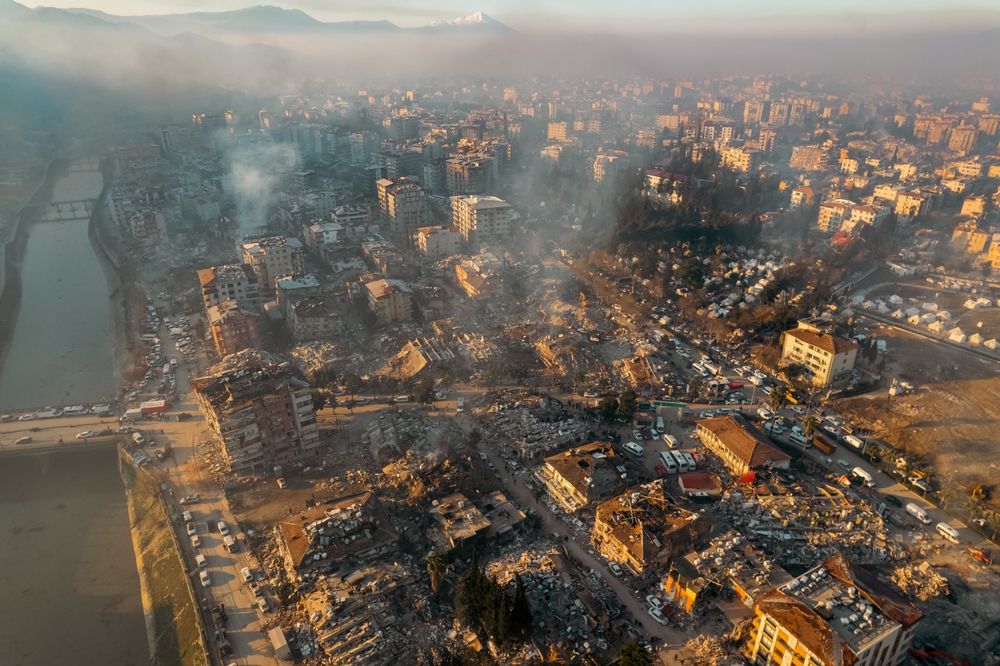
Behind the scenes, Pakistan has emerged as the sole channel of communication between Washington and Tehran. On Sunday night, Pakistan’s army chief, Field Marshal Asim Munir, held separate phone calls through the night with Vice President JD Vance, special envoy Steve Witkoff, and Iranian Foreign Minister Abbas Araghchi.
From those calls emerged a two-tier framework now known as the “Islamabad Accord.” Its first tier calls for an immediate ceasefire and the reopening of the Strait of Hormuz. Its second tier allows 15 to 20 days to finalize a broader settlement covering Iran’s nuclear program, sanctions relief, and the release of frozen Iranian assets. Final talks would take place in person in Islamabad.
A White House official, speaking to CNN, described it as one of many ideas and confirmed Trump has not signed off. Tehran, for its part, confirmed receiving the proposal but reiterated that a temporary ceasefire remains unacceptable.
Separately, U.S., Iranian, and regional sources told Axios that mediators are discussing terms for a 45-day ceasefire that could lead to a more permanent resolution. Trump told the outlet there was a good chance of success but could not resist adding a caveat: “If they don’t make a deal, I am blowing up everything over there.”
Why Iran Won’t Budge on the Strait
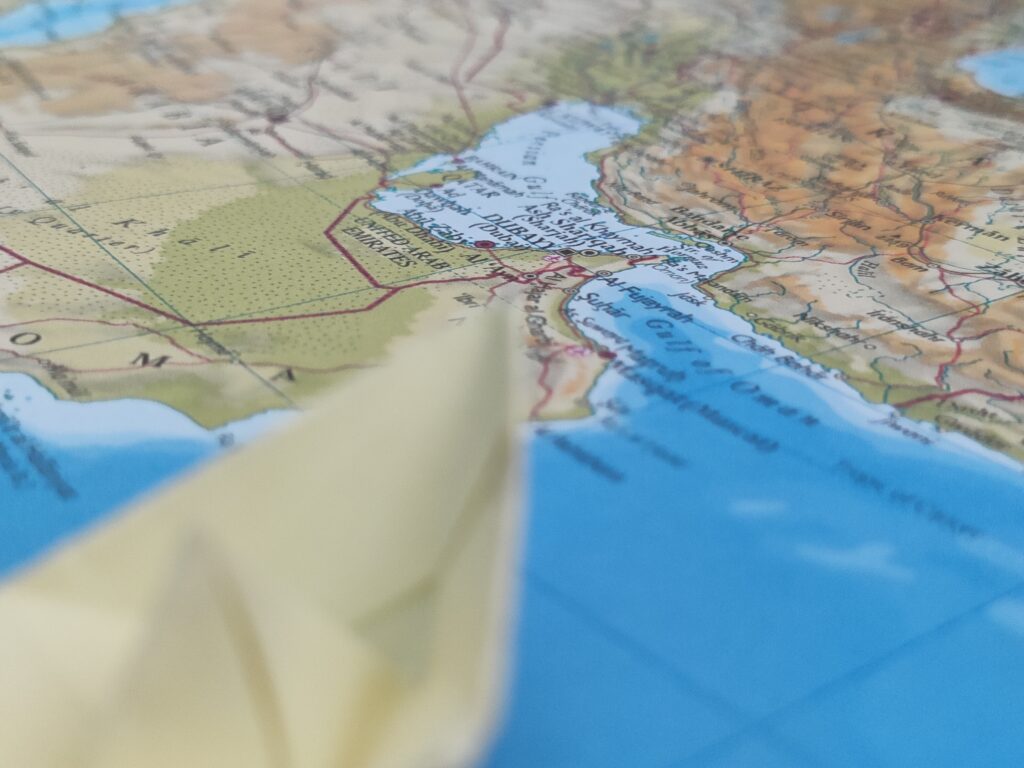
Before the war, the Strait of Hormuz was open. Now, Iran has turned it into a bargaining chip and, more than that, a statement of sovereignty. Iranian forces control which ships may transit. Parliament has passed measures to normalize long-term Iranian oversight of the waterway. Tehran has begun charging fees for passage and has stated that ships associated with hostile nations will not be allowed through.
Iran’s senior official told Drop Site that Tehran has already built a new system for managing the Strait and plans to present it to regional countries. “The reopening of the Strait of Hormuz in exchange for the establishment of a temporary ceasefire is not acceptable,” the official said.
Tehran has signaled willingness to negotiate access for U.S.-linked vessels, but only within a broader, permanent peace agreement. For now, the strait remains closed to hostile traffic, and the global oil shock continues to build.
Iran’s Counter-Proposal
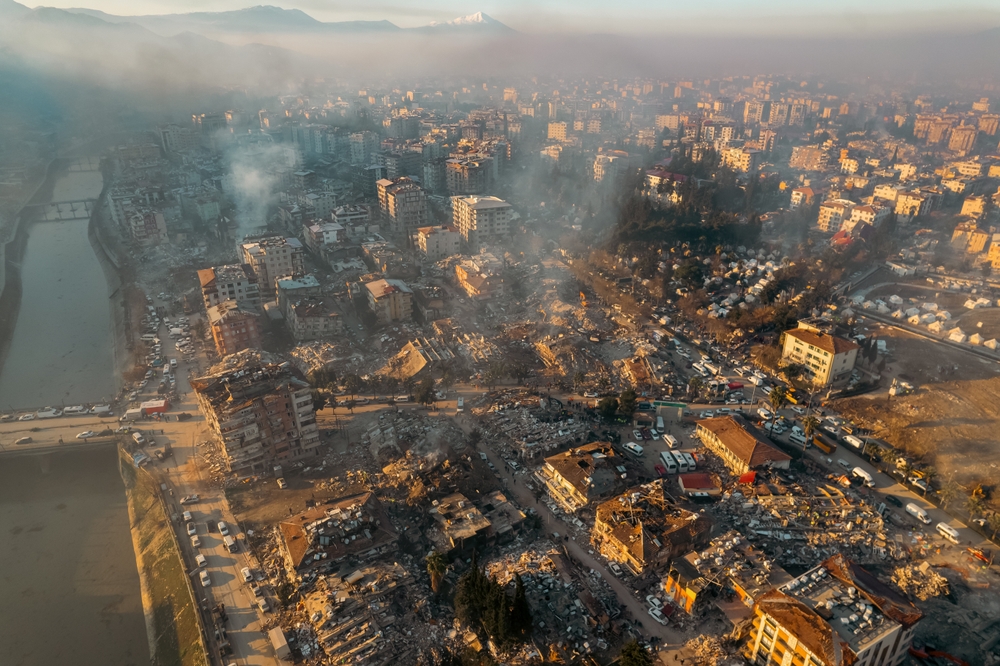
Rather than simply rejecting the Pakistani framework, Iran responded with its own 10-clause proposal, delivered to Pakistan for relay to Washington. Its terms include an end to all regional conflicts, a protocol for safe passage through the Strait of Hormuz, sanctions relief, and reconstruction assistance for war damages.
Iran has also pointed back to its February Geneva proposal as proof of its seriousness. At those talks, Tehran offered what nuclear experts considered unprecedented concessions, including extensive IAEA monitoring and a posture of maximum flexibility on weapons-related concerns. Steve Witkoff and Jared Kushner, who represented the U.S. at those talks, were later criticized by nuclear experts for failing to grasp the significance of Iran’s technical offers. Iran brought a full team of technical specialists to Geneva. Witkoff and Kushner did not.
In late March, the Trump administration reportedly sent Iran a 15-point plan demanding a 30-day ceasefire, total dismantlement of Iran’s nuclear program, limits on its ballistic missile capabilities, an end to support for armed resistance groups, and immediate reopening of the strait. Iranian officials dismissed those terms as maximalist and unreasonable.
Strikes Keep Hitting on All Sides

While diplomats exchange proposals, the bombs keep falling. Israel struck the South Pars petrochemical complex on Monday, knocking out the Jam and Damavand facilities. Defense Minister Israel Katz said the strike rendered inoperative facilities that account for roughly 85% of Iran’s petrochemical exports, calling it an economic blow worth tens of billions of dollars in lost revenue.
In Tehran, a U.S.-Israeli attack early Monday hit two residential buildings in Baharestan County, a densely populated area southwest of the capital. State media reported at least 13 dead. Videos from the Iranian Red Crescent showed rescue crews digging through rubble.
Lebanon’s toll continues to climb. Israeli strikes killed at least 11 people on Monday, including a four-year-old girl. More than 1,497 people have died in Lebanon since the war expanded there. Some far-right Israeli lawmakers have pushed for the military to go further, demanding a new security border and the expulsion of hundreds of thousands of Lebanese civilians living south of a proposed line.
In Israel, a missile struck a seven-story building in Haifa on Sunday, killing four people. In Jerusalem, a CNN producer filmed missiles streaking across the night sky early Monday.
Iranian-linked militias also targeted U.S. diplomatic facilities in Iraq in two overnight attacks, though the State Department did not specify exact locations or report casualties.
A Rescue Behind Enemy Lines
Amid the chaos, one story captured American attention. A U.S. airman whose fighter jet was shot down over Iran survived alone for more than a day, hiding and scaling rugged terrain to evade capture. Hundreds of American military and intelligence personnel mounted a rescue operation that included special operations forces and CIA operatives running a deception campaign to mislead potential Iranian captors.
Trump announced a Monday afternoon press conference to discuss the rescue and described the crew member as seriously wounded. Iranian state media, meanwhile, shared images of what appeared to be aircraft wreckage.
A War Neither Side Can Easily Exit
What was supposed to last days has stretched into its sixth week with no end in sight. Iran has maintained a steady rate of fire toward Israel and Gulf Arab states, draining limited stockpiles of missile interceptors and forcing the Pentagon to transfer munitions from East Asia to the Middle East. Iranian officials say they have prepared for a prolonged war of attrition.
Tehran suspects Washington’s real strategy is to repeat a cycle of war and temporary ceasefires, gradually eroding Iranian sovereignty. “The U.S. appears to envisage the pursuit of the collapse of Iranian sovereignty by repeating this war-ceasefire cycle until the third year of [Trump’s] presidency,” the senior Iranian official told Drop Site.
Global markets remain volatile. Energy prices swing with each deadline and each extension. Oman continues quiet talks with Iran about the Strait. Egypt works to keep communication lines open. Pakistan shuttles proposals back and forth. And the Tuesday deadline ticks closer.
Whether it holds or gets pushed again may depend on whether anyone in Washington or Tehran is ready to accept what the other side is actually offering.
Abbas Araghchi, global energy markets, Iran ceasefire rejected, Iran nuclear program, Iran sovereignty, Iran war, Islamabad Accord, Israel Iran strikes, JD Vance, Lebanon strikes, Middle East war 2026, oil crisis, Pakistan mediation, South Pars petrochemical, Steve Witkoff, Strait of Hormuz, Trump Iran deadline, Trump Truth Social, US Iran conflict