
Your cart is currently empty!
The US Government Just Claimed the Aliens.gov Domain — Everything You Need to Know

The idea of life beyond Earth was strictly confined to Hollywood movies and late-night rumors, far removed from serious government business. Yet, a quiet administrative update has just flipped that script entirely, revealing that federal authorities recently claimed a highly unexpected piece of digital real estate.
Contents
show
This subtle but historic move suggests a massive shift from decades of strict secrecy toward a new era of public transparency, promising to finally bring hidden files out of the shadows and address the mysteries people have been wondering about for years.
A New Digital Home for the Unknown

Recently, public domain records revealed that the United States government registered two new websites: alien.gov and aliens.gov. The Cybersecurity and Infrastructure Security Agency handled the registration. Right now, these pages sit empty. Yet, their creation marks a massive shift in how the government handles a topic that has fueled public imagination for decades.
The timing of this digital footprint is no accident. In February 2026, President Trump issued a formal directive acknowledging the overwhelming public interest in unidentified anomalous phenomena, commonly known as UAPs or UFOs. He instructed federal agencies to begin gathering and releasing official records concerning these aerial mysteries and potential extraterrestrial life.
For years, people asking questions about the skies have faced stigma and secrecy. This new development feels like a genuine step toward transparency. The goal is to bring organized, factual information to the public rather than leaving people to rely on internet rumors.
Government officials are taking the mandate seriously. Secretary of Defense Pete Hegseth recently confirmed that teams are actively working through the archives. “We’ve got our people working on it right now,” Hegseth stated. He cautioned that the review process takes time but added, “We’re going to be in full compliance with that executive order.”
Whether these domains will eventually host the declassified files remains to be seen. However, securing these official web addresses shows a clear readiness to address the public’s curiosity head-on. It is a validating moment for anyone who has ever looked up at the night sky and wondered what exactly is out there.
Decoding the Message Behind the Name
Choosing the words “alien” and “aliens” for official government websites is an unexpected move. For years, the military and intelligence communities have used the stricter term “Unidentified Anomalous Phenomena” or UAP to distance their research from science fiction. Embracing the popular, everyday term “alien” suggests the current administration is leaning into the public’s fascination rather than fighting it.
The response from officials has only added to the intrigue. When a reporter asked about the timeline and purpose of the new websites, White House deputy press secretary Anna Kelly offered a brief reply. She simply wrote, “Stay tuned!” accompanied by an alien emoji. This lighthearted approach is a sharp contrast to the decades of strict silence and denial that previously defined the topic.
While the casual tone is engaging, it also taps into a long history of deep mistrust between the public and the military. For generations, people have felt left in the dark about mysterious aerial sightings. Historically, there are practical reasons for this secrecy. A past CIA study revealed that over half of the UFO reports in the 1950s and 1960s were actually classified reconnaissance flights. The military intentionally kept the truth hidden to protect sensitive national security projects, inadvertently feeding into conspiracy theories.
Today, the conversation is shifting from secret spy planes to a genuine search for answers. President Trump recently noted that while he does not necessarily consider himself a believer, he has spoken with serious professionals who report seeing “really strange things” in the sky. By setting up dedicated platforms, the government is signaling a readiness to separate national security secrets from genuine, unexplained mysteries.
Sorting Through the Science and the Static
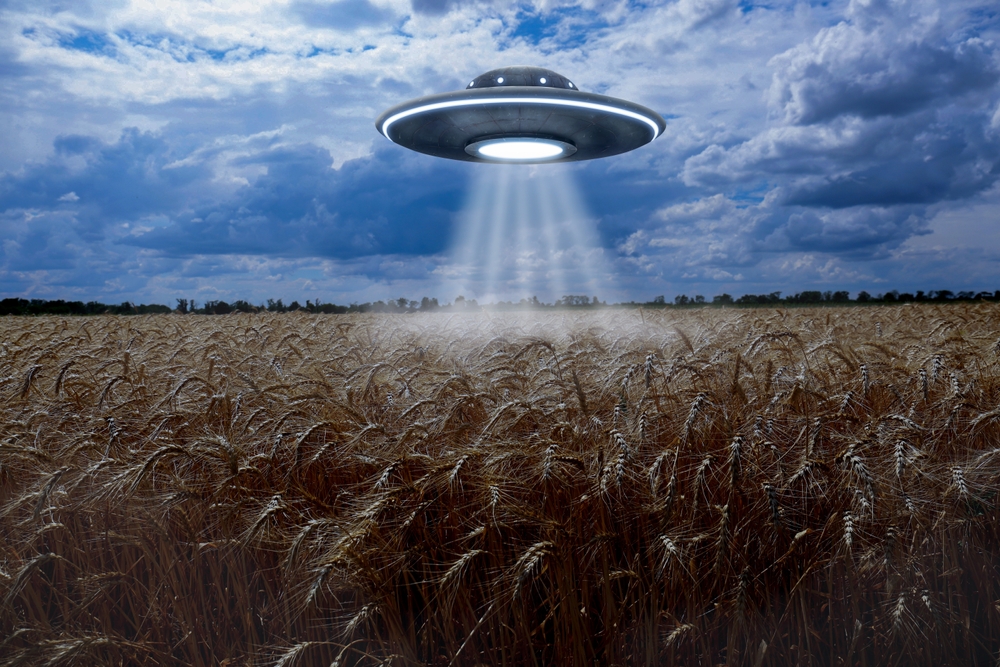
The new web domains will act as the digital storefront, but the heavy lifting of sorting through the actual files falls to a specific Pentagon department. The All-domain Anomaly Resolution Office, commonly known as AARO, is the lead agency tasked with investigating these mysteries. Currently, this office is managing a massive caseload of more than 2,000 reports of unidentified aerial phenomena.
While the promise of declassified files is thrilling, the reality of the data is highly complex. AARO notes that most sightings eventually find commonplace explanations, such as advanced military drones, weather balloons, or even flocks of birds caught on radar. However, hundreds of cases remain actively open because the objects displayed unusual flight characteristics or the sensor data was simply too strange to easily categorize. To tackle this, AARO recently hosted a workshop with researchers to explore using artificial intelligence to spot hidden patterns across decades of disorganized reports.
This methodical, scientific approach sometimes clashes with the urgency demanded by the public and politicians. Lawmakers like Representative Tim Burchett have been vocal advocates for total transparency, arguing that the public deserves to see the unedited truth immediately. Yet, AARO maintains a strictly evidence-based stance. In its most recent historical reports, the office clearly stated that it has found no empirical evidence of extraterrestrial technology so far.
A Safe Space for Those Who Fly

For decades, commercial and military pilots have carried a heavy burden. Many have witnessed inexplicable objects while flying at high altitudes. Yet, the fear of public ridicule or serious damage to their careers kept them silent. Reporting a strange sighting to air traffic control often meant risking a psychological evaluation or becoming the target of workplace jokes.
The registration of these new federal websites signals a crucial turning point for aviation professionals. By making the conversation official, the government is validating the experiences of highly trained observers. It removes the stigma and replaces it with a serious, safety-first approach.
When pilots feel comfortable reporting unusual activity without fear of backlash, everyone benefits. From a practical standpoint, understanding what is flying in domestic airspace is a matter of basic safety. If a pilot sees an object moving in unpredictable ways, identifying it quickly is vital. This holds true whether the object is a foreign surveillance drone, a sophisticated weather balloon, or something truly unknown.
Advocacy groups for aerospace safety have long argued that the lack of a standardized, stigma-free reporting system creates a massive blind spot. The current administration’s push for transparency is finally addressing this gap. By openly creating platforms to handle these reports and declassify historical files, the government is telling pilots that their eyes and their instruments are trusted. This cultural shift ensures that future data will be driven by facts and professional observations rather than whispers and fear.
Embracing Curiosity in an Age of Disclosure
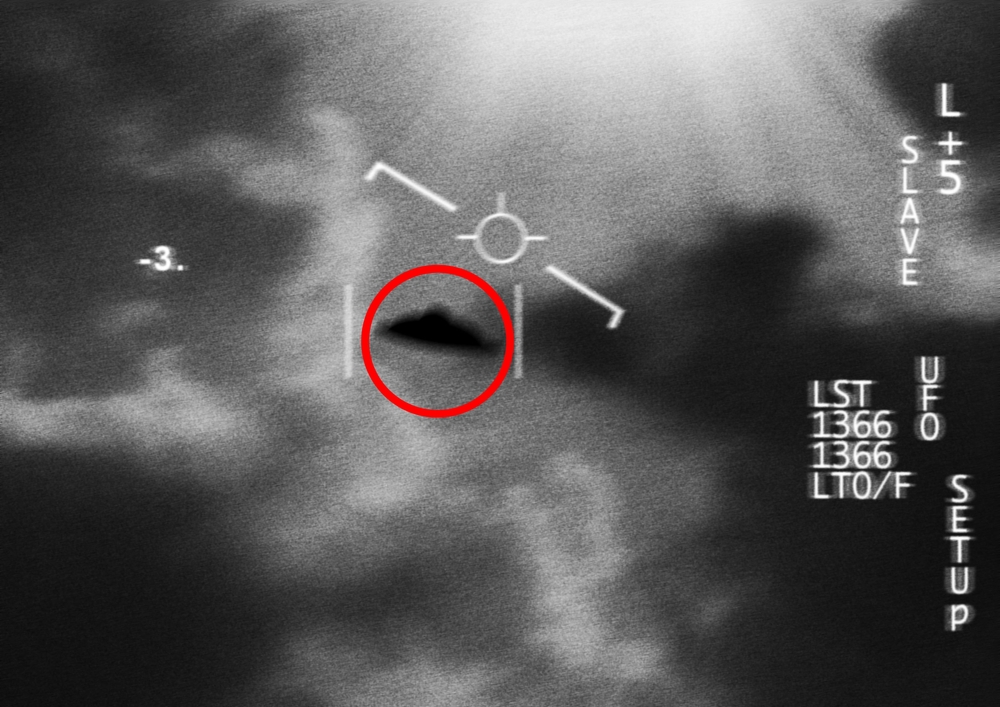
The creation of an official government portal for the unknown marks a rare cultural shift. For generations, the possibility of life beyond Earth was a topic reserved for science fiction or late-night television. Now, it has a formal address on a federal server. This move validates decades of human curiosity and proves that asking big, difficult questions about our universe is a worthwhile endeavor.
As the public waits for the historical files to become available, maintaining a balanced perspective is essential. The upcoming disclosures might not provide the instant, dramatic proof of visitors from other planets that many hope to see. Instead, the release will likely offer a massive collection of technical data, military logs, and perhaps a few enduring mysteries that challenge current scientific understanding. Approaching this new wave of information with patience and critical thinking will be key to separating genuine discoveries from internet rumors.
The true value of this transparency initiative goes far beyond simply finding immediate answers. It serves as an invitation for everyone to stay engaged with science and to demand honesty from official institutions. When the archives finally open to the public, take the time to review the verified data. Keep an open mind, continue asking tough questions, and never lose that simple sense of wonder when looking up at the night sky.