
Your cart is currently empty!
Trump Arch Plan Sparks Taxpayer Funding Debate
The idea of monumental architecture has always carried symbolic weight in Washington, D.C. From the Lincoln Memorial to the Washington Monument, each structure tells a story about national identity, sacrifice, and power. Now, a new proposal tied to former President Donald Trump is attempting to insert itself into that landscape, and it is doing so under intense public scrutiny.
Contents
show
Plans for a large triumphal arch, unofficially dubbed the “Arc de Trump,” have ignited a wide-ranging political and cultural debate. What began as a bold vision tied to America’s 250th anniversary has evolved into a discussion about public spending, presidential legacy, and the boundaries between personal ambition and national symbolism.
A Monument Inspired by History
The proposed arch is modeled after the Arc de Triomphe in Paris, one of the most recognizable monuments in the world. Trump has repeatedly emphasized his desire to create a structure that not only matches but exceeds the scale and impact of its European counterpart.
Renderings and models shared during Oval Office meetings and donor events show a grand white structure adorned with classical features. These include sculpted eagles and a prominent Lady Liberty figure, positioned in a way that aligns visually with the Lincoln Memorial across the Potomac River.
According to reporting from BBC and other outlets, the arch would sit near the end of Memorial Bridge, acting as a symbolic gateway into the nation’s capital. Trump has described the location as one where “something is supposed to be,” suggesting that the space has long felt incomplete to him.
The president has also taken a hands-on role in shaping the concept. A senior White House official told CNN that the idea originated directly from Trump and that he has been involved in the design process at every stage. During a presentation to donors, he displayed three versions of the structure and expressed a clear preference for the largest option.
Funding Questions and Public Reaction

While the design itself has drawn attention, the issue that has generated the most controversy is how the project will be paid for. Early statements from Trump suggested that the arch could be funded privately, possibly using leftover money from a separate ballroom project at the White House.
However, a spending plan from the National Endowment for the Humanities has complicated that narrative. According to documents approved by the Office of Management and Budget, approximately 15 million dollars in federal funds have been set aside for the project. This includes 2 million dollars in direct funding and 13 million dollars in matching grants.
This revelation means that American taxpayers are expected to contribute to the construction of the arch, at least in part. The development has drawn criticism from various corners, particularly from those who question whether public funds should be used for a project that appears closely tied to a single political figure.
At the same time, there is precedent for federal involvement in monument funding. Historical examples, such as the Martin Luther King Jr. Memorial, have received government support alongside private donations. Still, critics argue that the context and symbolism of this particular project make it fundamentally different.
Legal and Logistical Challenges

Building a new monument in Washington, D.C. is not a simple process. The city operates under a complex framework of federal oversight, historical preservation rules, and urban planning restrictions.
Experts cited by the BBC explain that any new memorial must go through a lengthy approval process involving multiple agencies. These include the National Capital Planning Commission and the Commission of Fine Arts. Together, they evaluate proposals based on design, historical significance, environmental impact, and overall suitability.
Federal law also places strict limits on construction near the National Mall, one of the most protected areas in the country. While the proposed site for the arch may fall within a designated zone for new memorials, it still must meet the requirement of having preeminent historical and lasting significance.
Even under ideal conditions, the timeline for such a project would likely span several years. Experts have expressed skepticism that the arch could be completed in time for the nation’s semiquincentennial celebrations. The approval process alone could take a year or more, followed by additional time for design finalization and construction.
There are also practical concerns about the proposed location. The site sits near a flight path for Reagan National Airport, raising questions about height restrictions and safety. Additionally, the area is already heavily trafficked, and any major construction project could disrupt transportation and tourism.
A Broader Vision for Washington
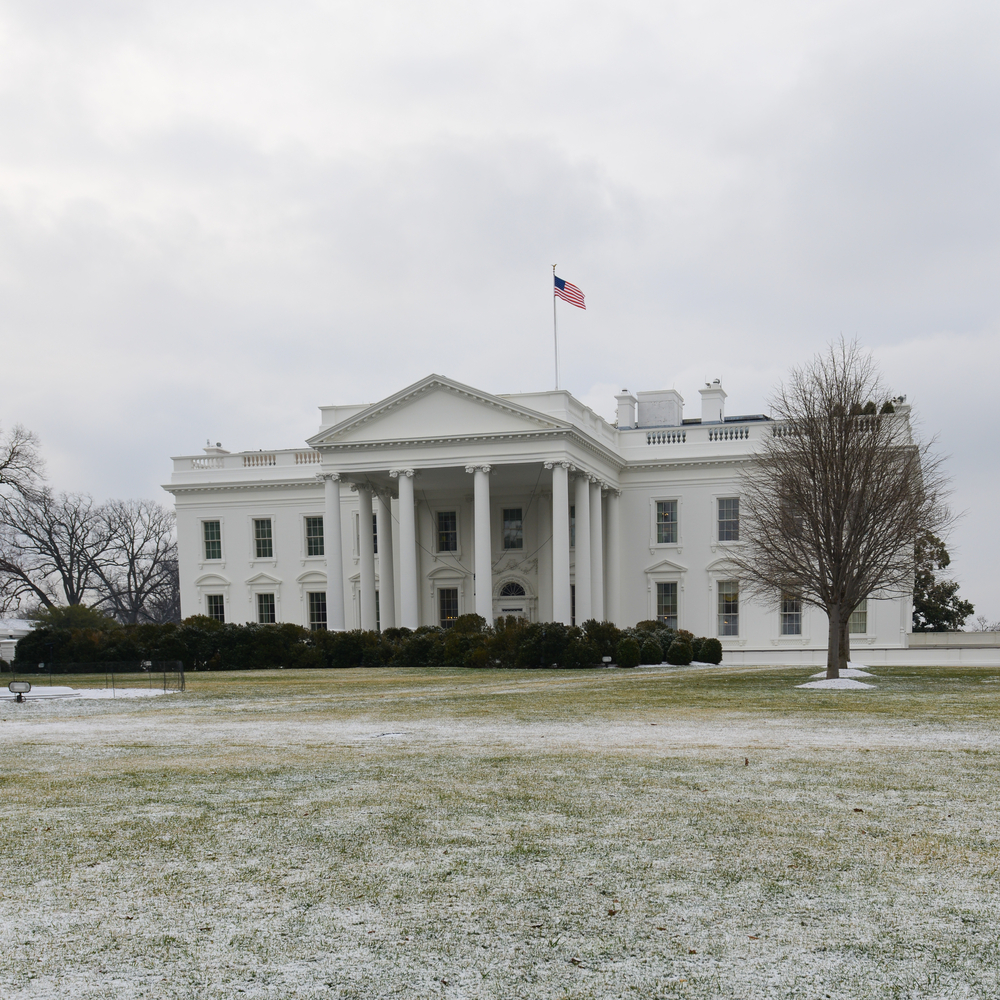
The arch proposal is not an isolated idea. It is part of a broader effort by Trump to reshape the visual and cultural identity of Washington, D.C. during his presidency.
Reports from Axios and other outlets describe a series of renovations and projects that reflect a consistent aesthetic direction. These include a large ballroom addition to the White House, the installation of marble flooring, and the introduction of gold-accented design elements reminiscent of Trump’s Mar-a-Lago estate.
Other changes have included paving over parts of the Rose Garden and creating a Presidential Walk of Fame featuring portraits of past leaders. Critics have described some of these updates as excessive or out of step with the historical character of the White House.
Supporters, on the other hand, argue that presidents have always left their mark on the executive residence. They view Trump’s approach as an extension of that tradition, albeit on a larger and more personal scale.
The proposed arch fits into this pattern. It is not just a standalone monument but part of a larger vision that seeks to redefine how power and legacy are expressed in the nation’s capital.
Symbolism, Legacy, and Political Identity
At the heart of the debate is a deeper question about what the arch represents. Public monuments are rarely neutral. They reflect the values and priorities of the people and institutions that create them.
Trump has framed the project as a celebration of America’s 250th anniversary, a milestone that carries undeniable historical significance. In that sense, the arch could be seen as part of a broader effort to commemorate the nation’s past and inspire future generations.
However, comments made by the president have also fueled a different interpretation. When asked who the arch was for, Trump reportedly responded that it was for him and that it was going to be beautiful. That remark has reinforced the perception that the project is as much about personal legacy as it is about national pride.
This duality has made the arch a focal point for political debate. Supporters may see it as a bold addition to the capital, while critics view it as an unnecessary and self-serving use of resources.
Opposition and Public Concerns

The proposal has already faced organized opposition. A group of Vietnam veterans filed a lawsuit, arguing that the construction of a large arch near Arlington National Cemetery would disrupt the area and detract from its solemn character.
Their concerns highlight the sensitivity of building new structures in historically significant locations. Arlington Cemetery is not just a piece of land but a site of national memory and mourning. Any development nearby is likely to be examined for its impact on that legacy.
In addition to legal challenges, there are broader public concerns about cost, transparency, and priorities. At a time when the federal government faces multiple domestic and international challenges, some question whether a project like this should be a focus.
Others point to the lack of clarity around the total cost of the arch. While the allocated funding provides some insight, it is unlikely to cover the full expense of such a large and complex structure. Without a clear budget, it is difficult for the public to fully assess the financial implications.
The Reality of Monument Building
Monuments often begin as ambitious ideas but evolve significantly over time. They require collaboration between architects, engineers, historians, and government officials. They also depend on public support, which can shift as new information emerges.
The Arc de Trump remains in its early stages, and many details are still uncertain. There is no confirmed construction timeline, no finalized design, and no comprehensive funding plan. What exists instead is a concept that has captured attention and sparked debate.
History shows that even widely supported memorials can take years or decades to complete. They must navigate bureaucratic hurdles, design revisions, and changing political climates. In this context, the future of the arch remains uncertain.
A Moment of Reflection
The discussion surrounding the Arc de Trump goes beyond architecture. It touches on broader themes about leadership, identity, and the role of government in shaping public spaces.
For some, the project represents an opportunity to create a bold new symbol for the United States at a historic moment. For others, it raises concerns about priorities and the use of public funds.
What is clear is that the debate itself reflects a deeply engaged public. People are paying attention not just to what is being built, but to why it is being built and who it ultimately serves.
As the nation approaches its 250th anniversary, conversations like this are likely to become more prominent. They offer a chance to consider how history is remembered and how the present shapes the future.
Whether the arch is eventually constructed or remains a proposal, its impact is already being felt in the ongoing dialogue about power, legacy, and the spaces that define a nation.