
Your cart is currently empty!
The Life Changing Experience Astronauts Have in Space
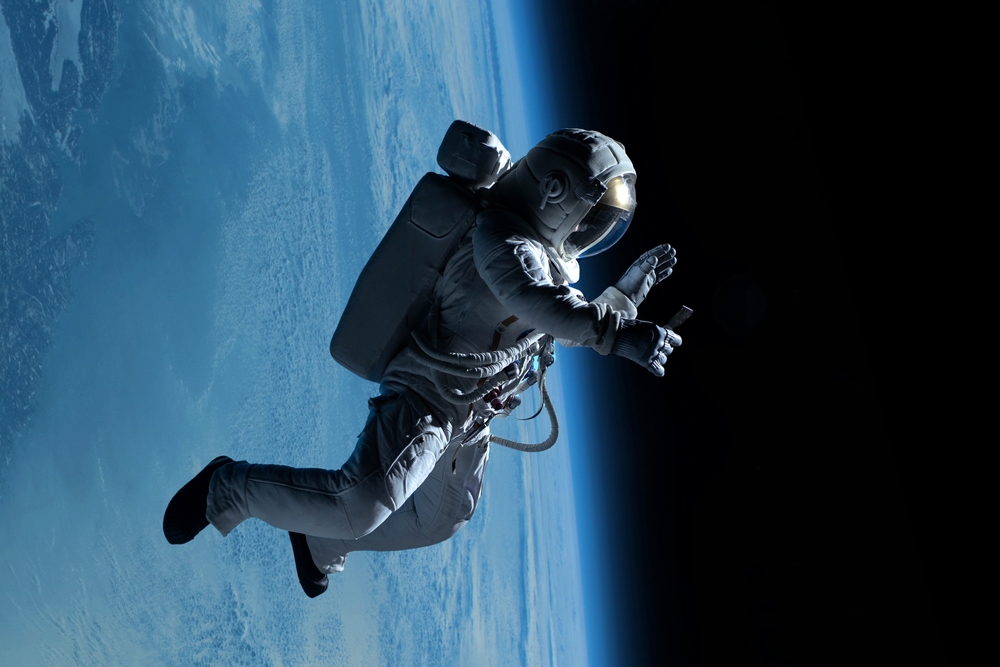
High above Earth, beyond the clouds and weather systems that define everyday life, astronauts often encounter something they struggle to describe. It is not just the silence of space or the beauty of the stars. It is a sudden and overwhelming shift in perspective that changes how they see the world and their place within it.
Contents
show
Many astronauts have returned from orbit saying the same thing in different words. The experience left them emotional, reflective, and in some cases, completely transformed. Some cried. Others felt a deep sense of unity with humanity. Nearly all of them carried the impact long after returning to Earth.
This phenomenon is known as the overview effect. First described by space philosopher Frank White in 1987, it refers to the profound mental and emotional shift that occurs when a person sees Earth from space against the vast backdrop of the universe.
The View That Redefines Reality
For astronauts aboard the International Space Station, the defining moment often comes when they look out through the cupola, a dome-shaped window that offers an uninterrupted view of Earth below. From this vantage point, the planet appears whole, vibrant, and fragile all at once.
Christina Koch, who has spent extended time in orbit, described seeing a thin band of atmosphere surrounding Earth. This narrow layer sustains every living being on the planet. Beyond it lies a cold and unforgiving vacuum.
What makes the moment so powerful is not just what astronauts see, but what they do not see. There are no borders etched across continents. There are no visible signs of political divisions or cultural boundaries. The familiar lines that define maps simply disappear.
Instead, there is only one planet suspended in darkness.
Astronauts often describe this realization as immediate and deeply emotional. Retired astronaut T.J. Creamer once noted that every crew member he guided to that window for the first time reacted in the same way. They were overwhelmed, and many of them cried.
A Shift Toward Unity
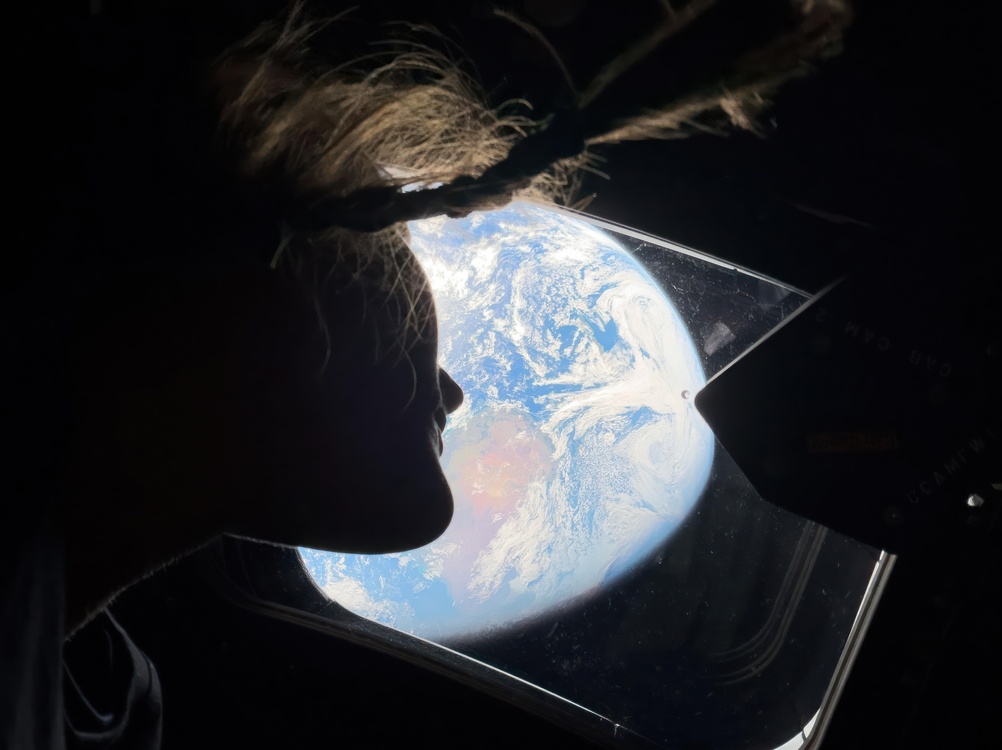
One of the most consistent outcomes of the overview effect is a change in how astronauts perceive humanity. The absence of visible borders reinforces a powerful idea. The divisions that shape life on Earth are, in many ways, constructs rather than fundamental truths.
Victor Glover, who has flown both to the International Space Station and around the Moon, reflected on what happens after astronauts return home. He described it as a choice. Having seen Earth from above, individuals can either return to familiar habits or choose to live with a greater awareness of global connection.
This awareness often translates into a renewed sense of unity. Astronauts frequently speak about humanity as a single community rather than separate groups. The experience encourages a broader perspective, one that places shared challenges and collective responsibility at the forefront.
Bob Behnken, another former astronaut, emphasized that events affecting one part of the world are rarely isolated. Whether it is a pandemic, environmental crisis, or social challenge, the interconnected nature of life on Earth becomes impossible to ignore when viewed from space.
Redefining the Meaning of Home

The overview effect does more than reshape abstract ideas. It changes something deeply personal. It alters how astronauts think about home.
Nicole Stott recalled a moment during her first mission when she eagerly waited to see Florida from orbit. When the spacecraft finally passed over the region, she looked down expecting a familiar feeling. Instead, she experienced something different.
Florida no longer stood out as a separate place. It became part of a larger whole. Earth itself became home.
This shift may seem subtle, but it carries significant emotional weight. Local identities remain important, but they are placed within a broader context. Astronauts often return with a stronger sense of belonging not just to a country or region, but to the entire planet.
The idea of being an earthling becomes more than a poetic phrase. It becomes a lived experience.
Confronting the Fragility of Earth
Another defining aspect of the overview effect is the recognition of Earth’s vulnerability. From space, the atmosphere appears incredibly thin. It is the only barrier protecting life from the harsh conditions beyond.
This realization has a lasting impact on many astronauts. Mike Foreman, a retired NASA astronaut, explained that even those who did not previously consider themselves environmental advocates often return with a strong desire to protect the planet.
The contrast between Earth and space reinforces this perspective. While Earth appears vibrant and full of life, the surrounding universe looks dark, empty, and hostile. Actor William Shatner, who traveled briefly to space, described the blackness beyond Earth as deeply unsettling. His experience left him reflecting on how fragile and precious the planet is.
For many astronauts, this awareness leads to a sense of responsibility. Protecting the environment becomes less of an abstract concept and more of an urgent necessity.
Beyond Emotion: The Science of Spaceflight

While the overview effect focuses on psychological and emotional change, research shows that spaceflight also produces measurable physical effects on the human body.
A study conducted by researchers at the Massachusetts Institute of Technology examined how microgravity influences the brain. Using MRI scans from astronauts before and after their missions, scientists identified consistent changes in brain positioning.
The findings revealed that the brain tends to shift slightly upward and backward during time in space. These changes are not temporary in all cases. Some effects can persist for months after astronauts return to Earth.
Researchers analyzed multiple regions of the brain and found widespread movement rather than localized changes. The degree of shift often depended on the duration of time spent in microgravity.
These physical changes are linked to real-world effects. Many astronauts experience balance issues when they first return to Earth. This is partly due to how the brain and inner ear adapt to the absence of gravity.
Although most individuals recover within a short period, the study highlights that space travel leaves a lasting imprint on the body as well as the mind.
Seeing Earth From Farther Away

The overview effect is not limited to low Earth orbit. Astronauts who travel farther into space often describe an even more intense experience.
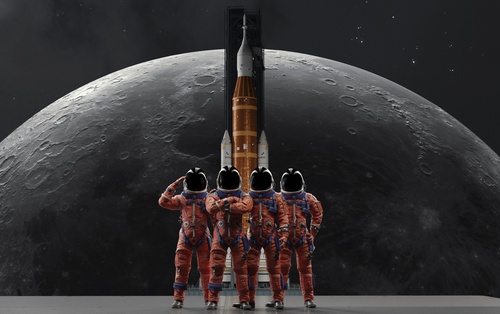
During a lunar flyby, members of the Artemis II mission observed Earth from a much greater distance. Against the vastness of space, the planet appeared smaller yet more significant.
Victor Glover described the view of the Moon as surreal, with its surface illuminated in a way that felt almost otherworldly. Yet it was the sight of Earth that left the deepest impression.
Christina Koch reflected on the experience by acknowledging humanity’s drive to explore. She spoke about building spacecraft, establishing outposts, and continuing to push into the unknown. At the same time, she emphasized that Earth remains central to everything.
No matter how far humans travel, the connection to Earth endures.
The Psychological Depth of the Experience
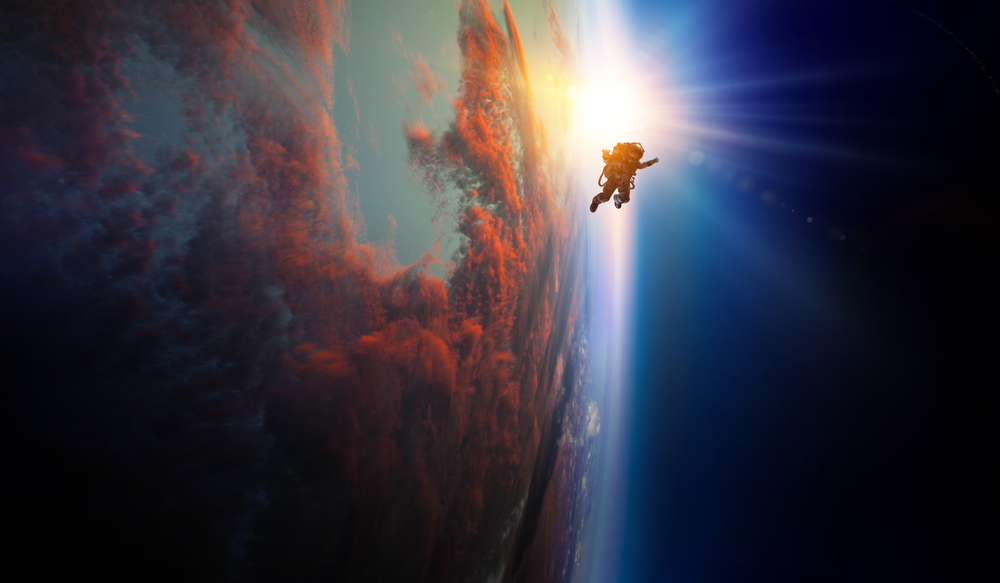
The overview effect is not identical for every astronaut. While many share similar observations, the emotional response can vary widely.
Some individuals feel a deep sense of connection and unity. Others experience a sense of smallness or insignificance. There can also be moments of loneliness, particularly when Earth appears distant against the vastness of space.
These mixed emotions highlight the complexity of the experience. It is not simply uplifting or inspiring. It can also be humbling and, at times, unsettling.
Experts suggest that this combination of emotions is part of what makes the overview effect so powerful. It forces individuals to confront both the beauty and the vulnerability of existence.
Lessons for Life on Earth

Although only a small number of people will ever travel to space, the insights gained from the overview effect are widely applicable.
Astronauts often return with a desire to live more intentionally. They focus on what connects people rather than what divides them. They become more aware of environmental challenges and the need for collective action.
There are several key ideas that emerge from their experiences:
First, perspective matters. Viewing problems from a broader standpoint can change how they are understood and addressed.
Second, connection is fundamental. Despite cultural and political differences, humanity shares a common home and a shared future.
Third, responsibility is unavoidable. The conditions that make life possible on Earth are limited and must be protected.
These lessons do not require space travel to understand, but they become clearer when seen from that unique vantage point.
A View That Changes Everything
The overview effect remains one of the most profound human experiences associated with space exploration. It goes beyond scientific discovery and technological achievement. It touches on something deeply human.
Astronauts return to Earth not just as explorers, but as witnesses to a perspective few others have seen. They carry with them a renewed understanding of unity, fragility, and responsibility.
The view of Earth from space strips away the distractions of everyday life and reveals a simple truth. Humanity shares one planet, one atmosphere, and one future.
That realization has the power to change how people think, how they act, and how they relate to one another. Even for those who never leave the ground, the message remains clear. Perspective can transform everything.