
Your cart is currently empty!
Rare Comet to Appear for First Time in 170,000 Years – Here’s How to See It
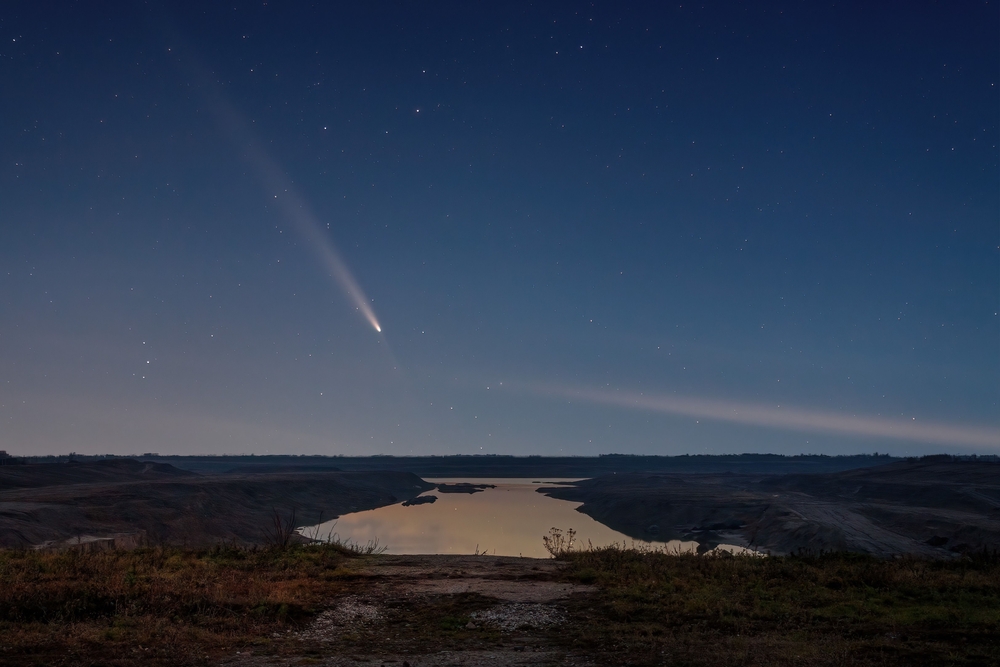
Looking up at the night sky this week offers a rare chance to see the same glowing beacon that appeared to our ancestors nearly 170,000 years ago. Long before the rise of modern civilizations or the invention of the wheel, this celestial traveler swept past Earth, leaving a mark on a world where early humans were only just beginning to master the art of fire and basic stone tools.
Contents
show
Today, this icy visitor from the farthest reaches of our solar system has finally returned, offering a fleeting bridge between our high-tech present and a deeply primitive past. While the world below has changed beyond recognition, the silent arrival of Comet PANSTARRS reminds us that some wonders operate on a scale far grander than human history itself.
A Prehistoric Visitor
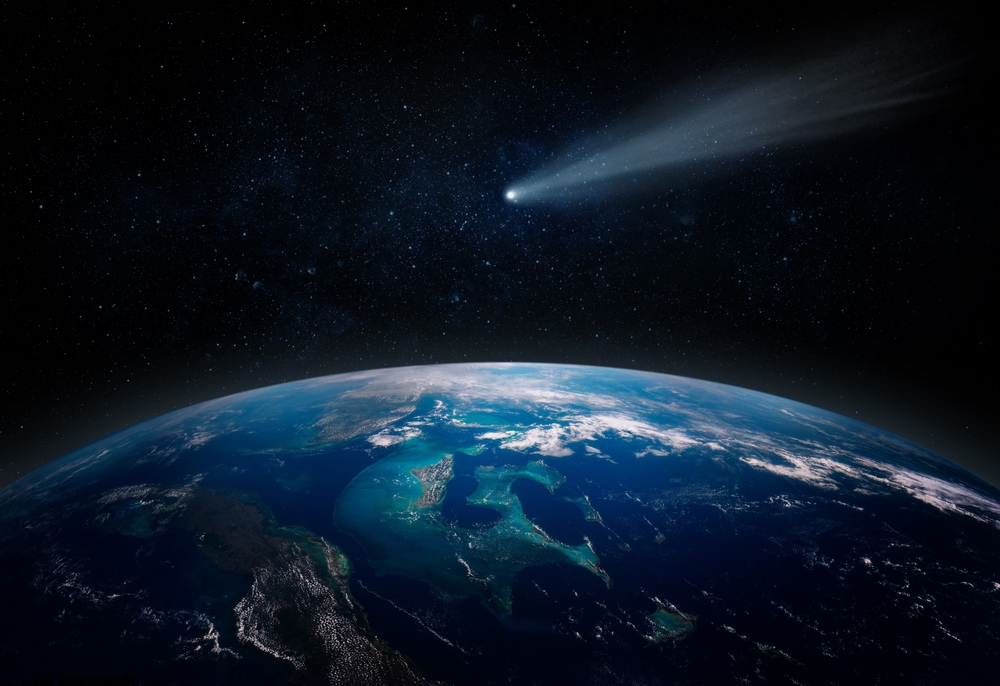
The night sky is about to offer a rare treat as Comet C/2023 P1 (PANSTARRS) makes its way through our corner of space. This icy traveler isn’t a frequent guest; in fact, it hasn’t been seen from Earth in roughly 170,000 years. To put that in perspective, the last time this comet swung past our planet, early humans were just beginning to craft basic stone tools and survive in a world vastly different from our own. This incredible timeframe makes it a “long-period” comet, a frozen relic that has spent almost all of human history drifting in the cold, dark reaches of the outer solar system.
Recently, the comet has started to “wake up” in a big way. Observations from the Pan-STARRS survey in Hawaii show that it has suddenly become much brighter than experts initially expected. In a span of just two days, the comet doubled in its intensity. This happens because as the comet gets closer to the sun’s heat, the ice inside begins to turn into gas, blowing off dust and creating the glowing “head” and tail we recognize. Astronomer Jamie Carter, writing for Forbes, noted that this kind of sudden “outburst” is exactly what makes watching a new comet so exciting—they are famously unpredictable.
Right now, what was once a tiny speck only visible through high-powered telescopes has brightened enough to be seen with simple binoculars. In some very dark areas, away from city lights, you might even be able to spot it with the naked eye. However, scientists warn that this window of time is small. As the comet gets closer to the sun, the heat and gravity can sometimes cause these “dirty snowballs” to break apart entirely. This makes the coming days a “now or never” moment for anyone hoping to see a piece of prehistoric history with their own eyes.
Spotting the Glow: Where and When to Look
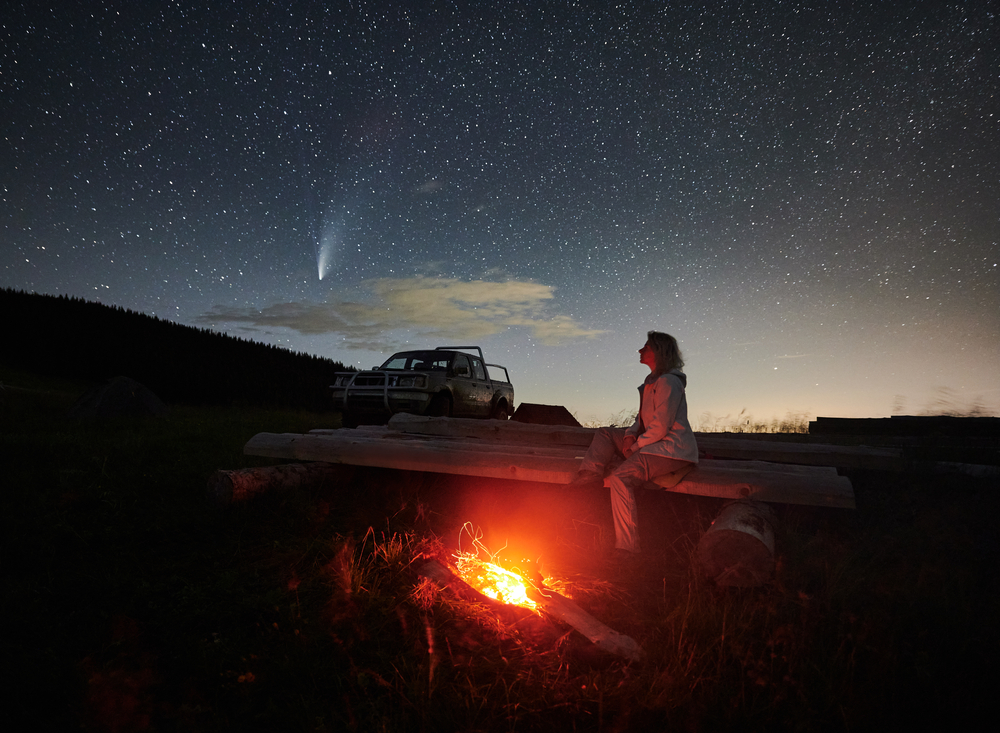
Catching a glimpse of Comet PANSTARRS requires a bit of planning and a clear view of the horizon. Because the comet is positioned relatively close to the sun from our perspective, the best time to look is during the brief window of twilight. This Tuesday evening is particularly important for observers. About 45 to 60 minutes after the sun goes down, enthusiasts should face the west-northwest horizon.
The comet currently sits in the constellation Aries, but it stays quite low in the sky. It is essential to find a location with an unobstructed view of the horizon, such as a hilltop or a beach, as buildings or trees will easily block the sight. Experts from Astronomy.com suggest that while the comet has brightened significantly, it still competes with the lingering glow of the sunset. This means that timing is everything. Looking too early results in a sky that is too bright, while waiting too long means the comet will have already set below the horizon.
While some might hope for a naked-eye spectacle, most people will find that binoculars are the best tool for the job. A pair of 10×50 binoculars is ideal for gathering enough light to reveal the comet’s fuzzy “coma” and the beginning of its tail. For those using a telescope, a low-power eyepiece provides a wider field of view, making it easier to sweep the sky and lock onto the target. It is helpful to allow the eyes at least 15 minutes to adjust to the darkness. Avoiding the blue light from smartphone screens during this time ensures that the eyes remain sensitive enough to pick up the faint, ghostly glow of this prehistoric visitor.
Living on Borrowed Ice
The reason Comet PANSTARRS is putting on such a show right now comes down to a process called sublimation. When a comet is far away in the frozen edges of the solar system, it is little more than a “dirty snowball”—a cold lump of rock, dust, and frozen gases. As it falls toward the sun, the temperature begins to climb. Instead of melting into a liquid, the ice turns directly into gas. This escaping gas carries dust with it, forming the massive, glowing atmosphere around the nucleus known as the coma.
What makes this specific comet stand out is its recent “outburst.” Scientists believe that as the comet heats up, pockets of volatile gas trapped under the surface can build up pressure. Eventually, the surface cracks, and a massive plume of dust and gas is ejected into space. This acts like a giant mirror, reflecting more sunlight back to Earth and making the comet appear much brighter to us. According to data from the Space.com hunting guide, these outbursts are why the comet’s brightness can jump unexpectedly, catching even experienced astronomers by surprise.
However, this brightening is also a sign of danger for the comet. As it approaches its closest point to the sun, the intense heat and gravitational pull put immense stress on its fragile structure. Many comets don’t survive this journey; they can literally crumble under the pressure. This phenomenon is why the current brightness is so precious. Every photon of light we see is a result of the comet slowly shedding its outer layers. For scientists, this provides a rare chance to study “fresh” material from the birth of our solar system, preserved in the deep freeze of space for billions of years until this very moment.
Tips for a Better View
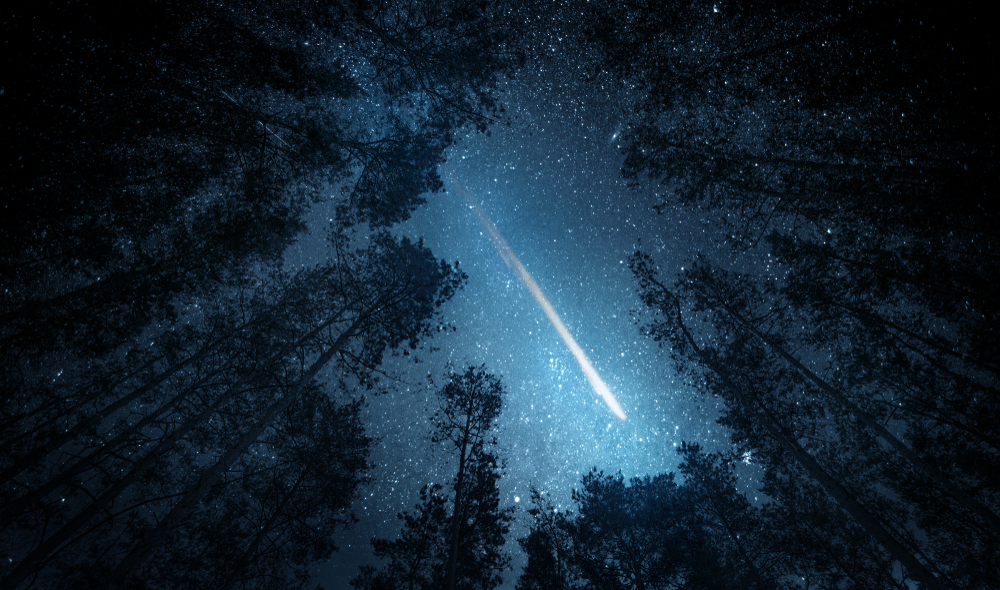
Seeing a comet is a rewarding experience, but it requires a different approach than typical stargazing. One of the best techniques for spotting faint objects is “averted vision.” This involves looking slightly to the side of the comet rather than directly at it. Because the human eye is more sensitive to light in its peripheral areas, the comet will often appear brighter and more detailed when viewed this way.
For those interested in preserving the memory, modern technology has made it easier than ever to photograph the sky. Most smartphones now have a dedicated “Night Mode” that allows for long exposures. To get a clear shot, stability is the most important factor. Even a slight wobble can turn the comet into a blurry streak. Propping the phone against a steady surface or using a small tripod is highly recommended. If using a DSLR, a 2 to 3 second exposure is usually enough to capture the glow without causing the stars to trail.
Beyond the technical aspect, the environment plays a huge role in visibility. Moving away from the orange haze of city lights to a “dark sky” location can drastically improve the view. Astronomers use the Bortle Scale to measure how dark a sky truly is, with a Level 1 being perfectly dark. While most people live in areas rated 5 or higher, finding a local park on the edge of town can provide the contrast needed for the comet’s tail to stand out. As veteran observer Stephen James O’Meara often suggests, patience and proper dark adaptation are an astronomer’s best tools. Taking a moment to simply sit and breathe in the darkness helps the brain process the faint light, turning a ghostly smudge into a once-in-a-lifetime memory.
A Fleeting Connection to the Cosmos
Witnessing Comet PANSTARRS is more than just a hobby for stargazers; it is a profound connection to the immense scale of time and space. As this prehistoric visitor speeds toward its encounter with the sun, it serves as a gentle reminder of the wonders that exist far beyond our daily routines. In a world that moves increasingly fast, taking an hour to stand in the quiet of twilight and search the horizon allows for a rare moment of perspective. This comet will not return for another 170,000 years, making this week the only time in our lives—and many generations to come—that its light will touch our eyes.
Opportunities like this are rare and easily missed if we don’t make the effort to step outside. Whether you are an experienced astronomer or someone who has never looked through a pair of binoculars before, the call of the cosmos is universal. There is something deeply moving about seeing a light that has traveled through the void for millennia just to reach us now. It encourages a sense of stewardship for our own planet and a curiosity about the mysteries that remain unsolved in the dark.
Tonight, consider making a plan to head out before the window closes. Find a high spot, bring a friend, and let your eyes adjust to the fading light. Even if you only see a faint smudge in the sky, you are participating in a tradition of human wonder that stretches back to the very first time our ancestors looked up in awe. Don’t let this prehistoric visitor slip away unnoticed into the depths of space—take the time to look up, breathe, and witness a piece of history in the making.