
Your cart is currently empty!
Maine High School Swaps Indoor Detention for Three-Mile Hikes on Local Trails

When the bell rings for detention at Morse High School in Bath, Maine, some students aren’t heading to a silent classroom to stare at the walls. Instead, they are lacing up their sneakers and heading toward the treeline of a local three-mile trail.
Contents
show
This shift in scenery is part of a growing movement to rethink how schools handle discipline, moving away from isolation and toward something much more active. By trading a hard plastic chair for a walk through the woods, these students are testing a theory that a bit of fresh air might be more effective than a lecture when it comes to changing behavior.
Trading the Classroom for the Trail
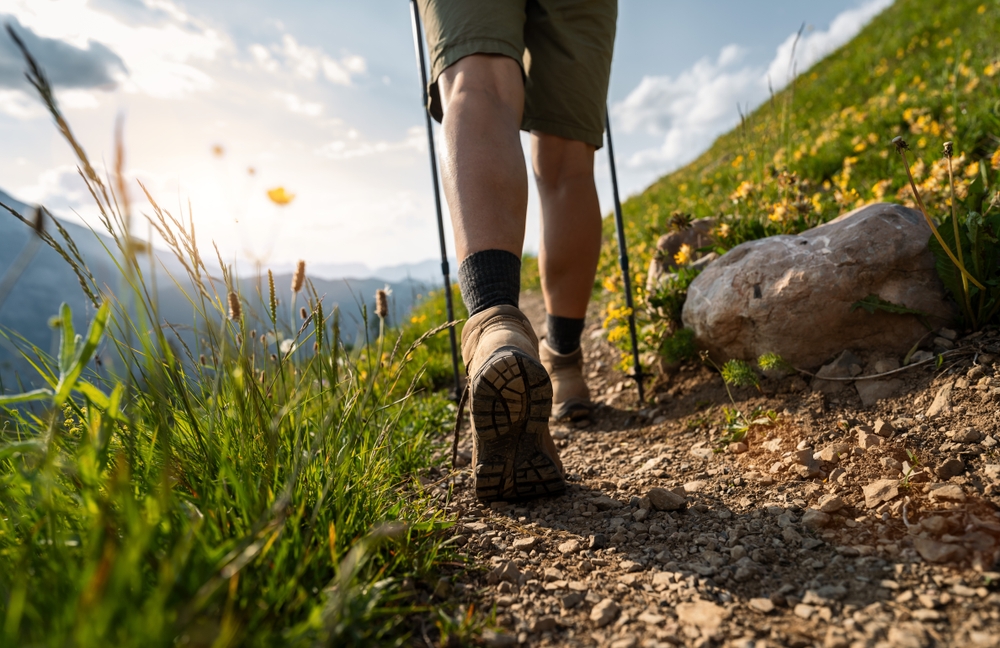
When a student gets in trouble, the usual punishment is sitting quietly in a detention room. The goal is to make them think about what they did wrong. However, at Morse High School in Bath, Maine, school counselor Leslie Trundy noticed this method was not working for everyone. Instead of keeping teenagers stuck indoors, she created a different option. Students can now swap their regular detention for a two-hour, three-mile hike on the local Whiskeag Trail.
Trundy has hiked the entire Appalachian Trail, so she knows firsthand how walking outside can clear the head. Making a stressed or angry teenager sit perfectly still in a chair often makes them more frustrated. Trundy started the hiking program to give them a physical outlet. “Students don’t benefit from more time indoors, and I wanted to offer them a mindset shift through walking outside,” Trundy stated to the Maine Department of Education.
The program is straightforward. If a student receives one to three hours of detention, they can choose the trail instead. The physical effort of walking through the woods, navigating tree roots, and dealing with the weather serves as the consequence. But the trail also offers something a quiet room cannot. Walking next to a supportive adult changes the entire dynamic. It removes the tension of sitting across a desk in a principal’s office.
Trundy wanted to be available as a trusted adult, ready to listen whenever a student felt comfortable talking. By moving discipline outside, the school helps students burn off nervous energy while holding them accountable. They get fresh air, a bit of exercise, and a much better chance to clear their minds.
The Calming Effect of the Great Outdoors
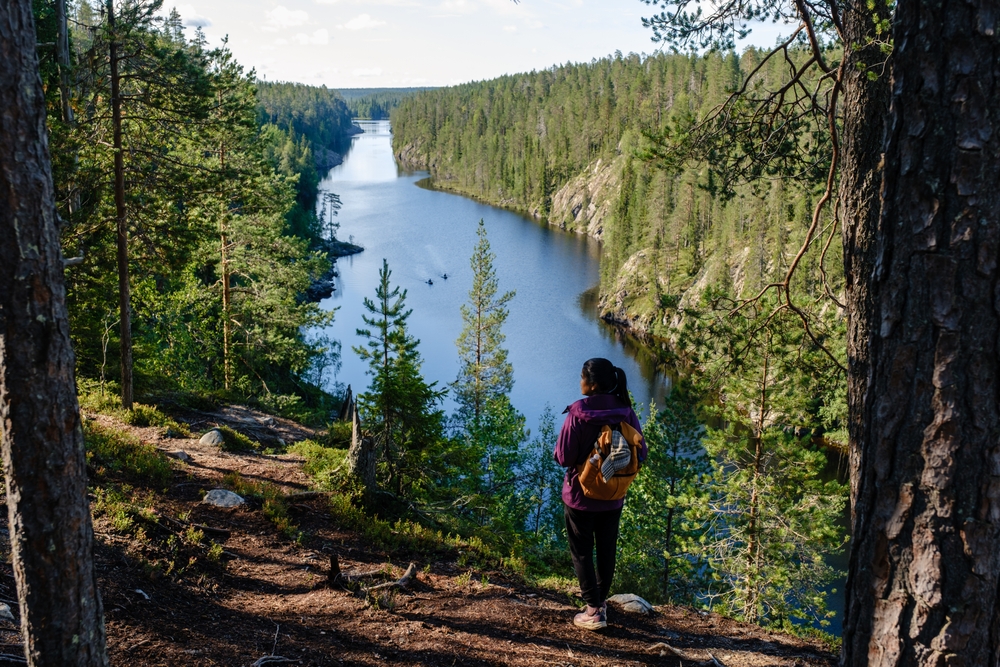
There is a real reason why a walk in the woods feels so different from sitting in a windowless room. Science shows that being in nature can lower stress and help people feel more grounded. For a student who has had a rough day, the woods provide a sense of space and calm that a school building simply cannot match. When students are on the trail, they aren’t just serving time; they are experiencing what researchers call “biophilia,” which is the natural bond humans have with the living world.
Spending time outside has been shown to lower heart rates and decrease the production of cortisol, the body’s primary stress hormone. A study published in the journal Frontiers in Psychology found that just 20 minutes of sitting or walking in a place that makes you feel connected to nature is enough to significantly lower stress levels. At Morse High School, the three-mile hike gives students even more time to let those physical benefits kick in.
Instead of staring at a clock on a wall, students focus on the rhythm of their own footsteps and the world around them. This shift in focus is important because it helps the brain reset. When a person is constantly surrounded by screens, noise, and school pressure, their attention becomes tired. Nature offers a “soft fascination”—the ability to look at leaves, water, or birds without having to concentrate hard. This gives the mind a chance to rest and recover.
By the time the hike is over, many students find that their initial anger or frustration has started to fade. They aren’t being “let off the hook” for their behavior, but they are being given the mental tools to handle their emotions better. This approach recognizes that sometimes the best way to help a student do better is to help them feel better first.
Building Better Bonds on the Move
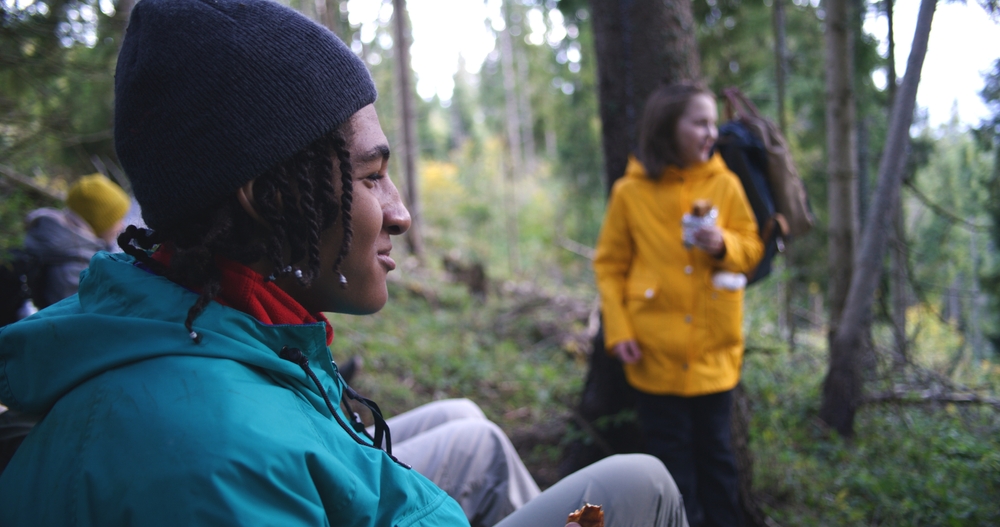
One of the most surprising outcomes of the hiking program is how it changes the relationship between students and staff members. In a traditional detention setting, the supervisor acts as a guard. There is a clear wall between the person in trouble and the person in charge. On the trail, that wall starts to crumble. When a teacher or counselor walks side-by-side with a student, they are sharing the same experience. They are both navigating the same rocky path and breathing the same air.
This side-by-side positioning is actually a powerful tool in communication. Many teenagers find it difficult to make eye contact when talking about their feelings or their mistakes. When they are hiking, the pressure to look someone in the eye is gone. Conversations happen more naturally because they are focused on the path ahead. Students often find themselves opening up about what is bothering them at home or why they acted out in class, simply because the environment feels safe and relaxed.
The program also gives staff a chance to see students in a different light. A student who might be struggling in a math class or acting out in the hallway might turn out to be a great hiker or a curious observer of nature. These positive interactions help build trust. When that student returns to the classroom the next day, they have a different connection with the staff. They are no longer just “the kid who got detention.” They are someone the teacher has shared a journey with.
The Trail to Self-Discipline
The success of the hiking program at Morse High School is measured by more than just footsteps. Educators have seen a noticeable change in how students view their own behavior. Instead of viewing detention as a wasted hour of boredom, they see the hike as a challenging but rewarding choice. This sense of agency is vital for personal development. When students are given a choice in how they resolve their mistakes, they are more likely to take ownership of their actions.
Statistics from schools that implement outdoor activities show a positive trend in student behavior. Research indicates that physical activity increases blood flow to the brain, specifically to the areas responsible for decision-making and impulse control. For a teenager, these areas are still developing. By providing a hike instead of a chair, the school is supporting the natural growth of the brain. The students aren’t just serving a sentence; they are training their minds to respond better to stress in the future.
The feedback from the students themselves has been overwhelmingly positive. Many have noted that they feel more relaxed and less defensive after completing the trail. One student mentioned that the walk allowed them to process their day in a way that sitting in a room never could. These are not just anecdotes; they represent a shift in school culture. When a school prioritizes wellness over purely punitive measures, the entire community benefits from reduced tension and fewer repeat offenses.
The long-term impact of this approach reaches far beyond the high school years. Students are learning a valuable life skill: how to use nature and movement as a way to cope with life’s frustrations. Instead of turning to negative habits when things get difficult, they now know that a long walk in the fresh air can offer the perspective they need. By teaching students to “take a hike,” Morse High School is helping them navigate the much longer trail of life.