
Your cart is currently empty!
Design Renderings Unveiled for President Trump’s Proposed Triumphal Arch

The Washington, D.C. skyline has long been a carefully curated collection of marble and history, but a new proposal aims to add a massive silhouette to the horizon. Recent architectural renderings have finally brought the vision of a 250-foot “triumphal arch” into focus, presenting a structure that challenges traditional scales and sparks a conversation about how a nation chooses to mark its most significant milestones.
Contents
show
As the United States prepares to celebrate its 250th birthday, this towering addition to the capital’s landscape raises intriguing questions about the intersection of classical tradition, modern ambition, and the lasting legacy of American architecture.
The Blueprint for a Capital Monument
The Department of the Interior has formally submitted architectural renderings to the U.S. Commission of Fine Arts for a proposed triumphal arch in Washington, D.C. The presentation, filed in early April ahead of the commission’s upcoming review, outlines a 250-foot tall neoclassical structure planned for Memorial Circle. The proposed site is a traffic roundabout situated on federal land between the Lincoln Memorial and Arlington National Cemetery.
Designed by the architectural firm Harrison Design, the monument is pitched by the Trump administration as a commemorative project for the approaching 250th anniversary of American independence. According to the official 12-page filing, the stone arch would measure significantly larger than comparable historic monuments. At 250 feet, it is designed to represent one foot for each year of the nation’s history. This scale would make it more than twice the height of the neighboring 99-foot Lincoln Memorial and notably taller than the 164-foot Arc de Triomphe in Paris.
The structural blueprints detail a facade heavily accented with gilded ornamentation. The monument is set to be crowned by a 60-foot golden winged figure holding a torch and a crown, flanked by two smaller golden eagles. At ground level, four golden lions anchor the corners of the base. Additionally, the design features the phrases “One Nation Under God” and “Liberty and Justice for All” inscribed in gold lettering across the upper span. White House officials have stated the arch is intended to honor American history and military sacrifices. Meanwhile, the sheer scale and prominent location of the proposed structure are now undergoing formal evaluation by city planners and historic preservationists.
Symbol or Obstruction?
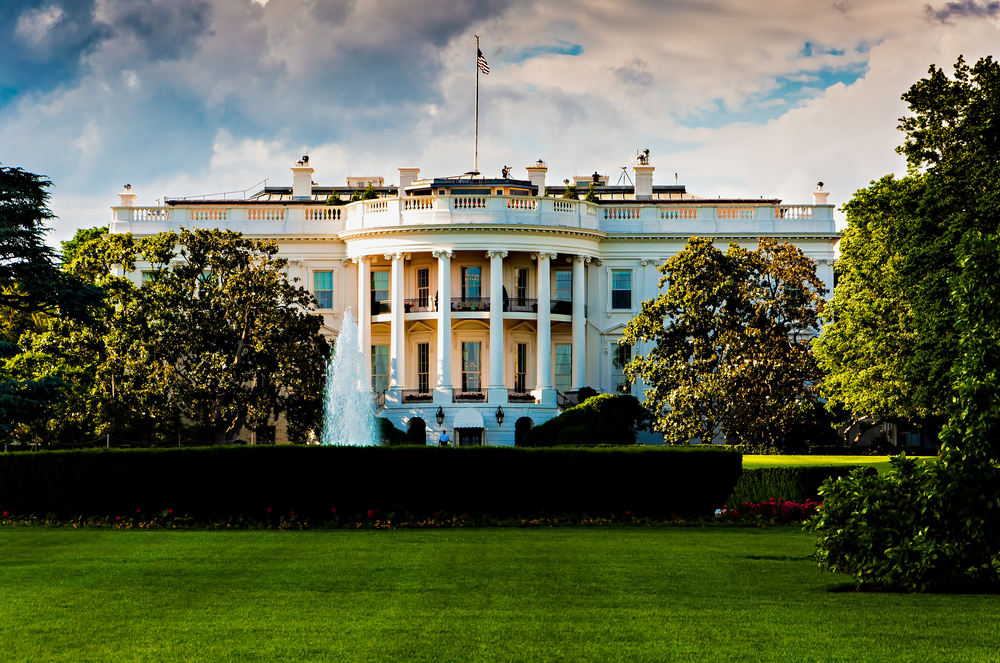
The magnitude of the proposed structure has sparked a rigorous debate among architectural historians and urban planners. At 250 feet, the monument would significantly alter one of the capital’s most revered sightlines, a carefully preserved corridor linking the Lincoln Memorial to Arlington National Cemetery. For decades, this visual axis has served to symbolize historical reconciliation and national unity.
Critics argue that an edifice of this size could overwhelm the surrounding landscape. In February 2026, a coalition including veterans and architectural historians filed a lawsuit seeking to halt the project. Their filing contends that the arch would disrupt the solemn atmosphere of the nearby cemetery and bypass federal regulations requiring explicit congressional approval for new commemorative structures. Furthermore, some preservation advocates have expressed concern that a monument of such unprecedented height might pose navigational challenges for air traffic operating out of nearby Reagan National Airport.
Conversely, proponents view the monumental scale as a necessary reflection of American endurance. The administration has consistently framed the project as a patriotic tribute worthy of the nation’s semiquincentennial. Addressing these concerns, White House spokesperson Davis Ingle stated in a formal communication that the arch will “enhance the visitor experience at Arlington National Cemetery for veterans, the families of the fallen, and all Americans alike.” Ingle added that it is intended to serve as a visual reminder of the noble sacrifices borne by American heroes throughout history.
How the Administration Plans to Build Its Legacy

As blueprints for the proposed triumphal arch circulate, attention has naturally turned toward the logistical realities of financing and federal approval. The White House has indicated that the total cost of the 250-foot structure remains under calculation. Administration officials anticipate utilizing a blend of private donations and public capital to bring the ambitious vision to life. Recent reports suggest the administration might request $15 million from the National Endowment for the Arts to help fund the project, signaling a shift from earlier expectations of entirely private backing.
The path to realizing this architectural endeavor relies on the U.S. Commission of Fine Arts. The federal advisory panel is scheduled to review the Harrison Design proposal in the coming days. This initiative aligns with a broader architectural agenda pursued by the current administration, which includes a distinct preference for classical design in federal buildings and a proposed $400 million neoclassical ballroom at the White House. These combined efforts illustrate a concerted drive to reshape the aesthetic fabric of the capital city.
Observing these grand plans take shape offers a fascinating perspective on how leadership and legacy are cultivated. Grand architecture has historically served as a tangible expression of a society’s defining narratives. The endeavor to erect such a towering monument in Washington underscores a timeless human desire to solidify historical values in stone and gold. The ongoing developments surrounding this project serve as a compelling reminder that public spaces are never truly static; they are continuously molded to reflect evolving interpretations of national identity and collective memory.
Historical Precedents and the Classical Revival
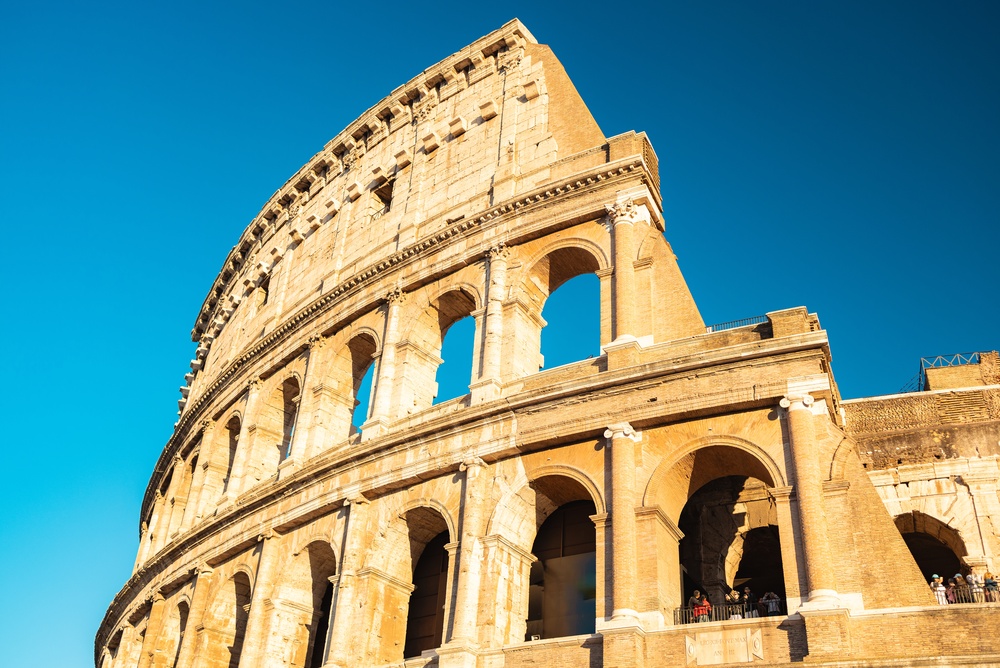
The idea of a triumphal arch is a throwback to ancient Rome, where these massive stone gateways were built to celebrate military wins and major national milestones. By choosing this look, the architects at Harrison Design are leaning into “neoclassicism.” This is the same white-stone, pillar-heavy style seen in the oldest buildings in Washington, D.C. The goal is to make a brand-new structure feel like it has always belonged among the city’s historic landmarks.
The design uses a “four-fronted” layout, which means it looks the same from every direction and serves as a central hub for people walking through the area. On the very top, the 60-foot golden statue holding a torch is a nod to “Victoria,” the Roman goddess of victory. The four golden lions sitting at the base are traditional symbols of strength and protection. While the capital is full of classical buildings, experts note that nothing in the modern era has been proposed on this level. The sheer height is what sets it apart from anything built in the last century.
Using white stone, like marble or granite, helps the arch match the color of the nearby Lincoln and Jefferson Memorials. Even with the flashy gold accents, the choice of material keeps the look familiar to tourists and locals alike. Picking a style from thousands of years ago is a way to try and make a new monument feel permanent. It suggests that the history being celebrated today is just as lasting as the civilizations of the past. As the city prepares for the country’s 250th birthday, this design shows a clear preference for tradition over more modern, abstract art.
The Logistics of a Landmark Celebration
With the 250th anniversary of the United States—the Semiquincentennial—fast approaching in July 2026, the timeline for the arch’s construction is a major point of discussion. Building a 250-foot structure made of heavy stone and detailed gold accents is a massive undertaking that usually takes years to complete. If the project receives a green light from the Commission of Fine Arts soon, crews would need to work around the clock to meet the summer deadline. This creates a unique challenge for the city’s infrastructure, especially since the proposed site at Memorial Circle is a key artery for traffic moving between Virginia and the District of Columbia.
Beyond the construction itself, the arch is designed to be the focal point of a series of national celebrations. Planners envision it as a gathering place for parades, military tributes, and public gatherings during the holiday weekend. Because Memorial Circle sits on the path to Arlington National Cemetery, the arch would become one of the first things millions of visitors see when they cross the Arlington Memorial Bridge. This high-visibility location is intended to make the monument as iconic as the skyscrapers or cathedrals that define other global power centers.
City officials and tourism boards are already weighing the impact of such a large-scale project on the local economy. While construction might cause temporary delays for commuters, a new landmark of this size could draw record-breaking crowds to the National Mall. For a city that thrives on tourism, the addition of a “triumphal” centerpiece offers a new reason for people to visit. As the country prepares to mark two and a half centuries of history, the arch represents an effort to give that milestone a physical, lasting shape that can be seen from miles away.
A Moment for Reflection and National Dialogue

The unveiling of these renderings does more than just show off a new building; it asks us to think about how we want to be remembered. Monuments are the “footprints” of an era, showing future generations what a society valued and how it viewed its own story. Whether one sees the proposed arch as a bold tribute to American endurance or a project that is too large for its surroundings, the conversation it has started is a healthy part of a living democracy. It reminds us that our public spaces are shared, and the way we choose to decorate them reflects our collective identity.
As the review process moves forward, this proposal serves as an invitation for all citizens to engage with their history. It is a chance to look back at the last 250 years with gratitude while looking forward to what the next chapter of the American story might look like. In the end, the most important part of any monument isn’t just the stone or the gold it is built with, but the ideals it represents. Whether this arch is eventually built or remains a set of ambitious drawings, it has already succeeded in making people stop and consider the weight of the legacy we are building today.
As we approach the 250th anniversary, the best way to honor the nation’s journey is to stay informed and involved in these decisions. Our capital is a reflection of our history, and every new addition is a chance to reaffirm the values that bring us together. By participating in the dialogue surrounding our national landmarks, we ensure that the story of America remains vibrant, inclusive, and forward-looking for the next 250 years and beyond.