
Your cart is currently empty!
Melania Trump Statement Brings Epstein Controversy Back Into Focus
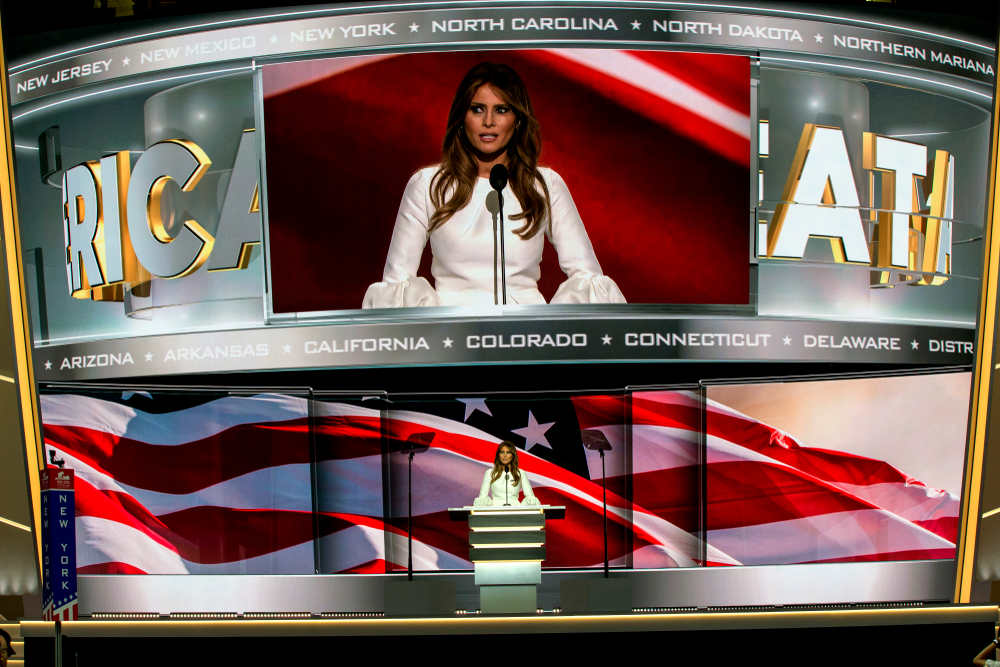
The political climate in Washington has long been shaped by moments that arrive without warning. Yet even by those standards, Melania Trump’s recent appearance at the White House podium stood out. Known for maintaining a relatively low public profile, the First Lady stepped forward to address one of the most controversial and persistent scandals connected to powerful figures in recent history.
Contents
show
Her remarks were direct and unequivocal. She denied any knowledge of Jeffrey Epstein’s crimes and rejected any suggestion of involvement. She also called for greater transparency, including public hearings where survivors could share their testimony. The speech, however, did not bring closure. Instead, it reignited public scrutiny at a time when attention had begun to shift elsewhere.
As newly resurfaced emails tied to the Epstein files circulate once again, her statement has become the center of renewed political debate, media confusion, and public reflection on accountability and timing.
A Statement That Shifted the Narrative
When Melania Trump began her address, there was little indication that it would dominate headlines within minutes. According to multiple reports, even those closely connected to the administration had no advance knowledge of what she intended to say. As she delivered her opening line rejecting any connection to Epstein, news networks quickly shifted their coverage back to a scandal that had gradually faded from daily political focus.
Her message was clear. She stated that she had never been involved with Epstein or his associate Ghislaine Maxwell, and that she had no knowledge of the abuse tied to his network. She also rejected rumors circulating online, including claims that Epstein had introduced her to Donald Trump. In doing so, she attempted to draw a firm line between herself and a scandal that has implicated numerous high-profile individuals over the years.
Yet the clarity of her denial did not answer the question many observers immediately raised. Why now?
The Timing That Puzzled Washington
The timing of the statement quickly became one of the most discussed aspects of the story. According to reporting from major outlets, even well-connected journalists struggled to understand what prompted the First Lady to speak at that particular moment. Fox News correspondent Jacqui Heinrich described widespread confusion among reporters, noting that there was no obvious triggering event that would explain the sudden decision.
This uncertainty was echoed elsewhere. The New York Post reported that the White House had been attempting to move past the Epstein controversy, making the decision to revisit it all the more surprising. The issue had largely been overshadowed by other geopolitical developments, including escalating tensions abroad, which had dominated the political agenda.
Statements from within the administration did little to clarify the situation. President Donald Trump reportedly said he was unaware that his wife planned to make the speech. A spokesperson later suggested that he may have known about the statement, though not necessarily its content. The conflicting accounts only added to the sense of unpredictability surrounding the event.
Some advisers framed the decision as a response to ongoing misinformation. One senior adviser suggested that the First Lady spoke out because she felt that false narratives had persisted for too long. Still, the lack of a clear external trigger has fueled speculation that the move may have been preemptive.
Emails From 2002 Return to Public Attention

Alongside the speech, renewed attention has focused on a set of emails dating back to October 2002. These messages, released as part of a broader collection of Epstein-related documents, include correspondence from someone identified as Melania to individuals associated with Epstein and Maxwell.
In the email, the sender expresses familiarity and a friendly tone, referencing a magazine profile of Epstein and discussing travel plans. The message concludes with a casual sign-off. While the content itself does not suggest wrongdoing, its tone has drawn scrutiny given the broader context in which it now appears.
Melania Trump addressed the email directly in her statement, describing it as trivial and characterizing it as casual correspondence. She emphasized that limited social overlap at events did not constitute a meaningful relationship. This explanation aligns with her broader effort to distance herself from Epstein and his circle.
The release of millions of documents related to Epstein has brought many such interactions into public view. As has been widely noted, being named in these files does not imply involvement in criminal activity. However, the cumulative effect of these revelations has been to sustain public interest and debate about the networks surrounding Epstein.
A Renewed Focus on Donald Trump’s Past Associations
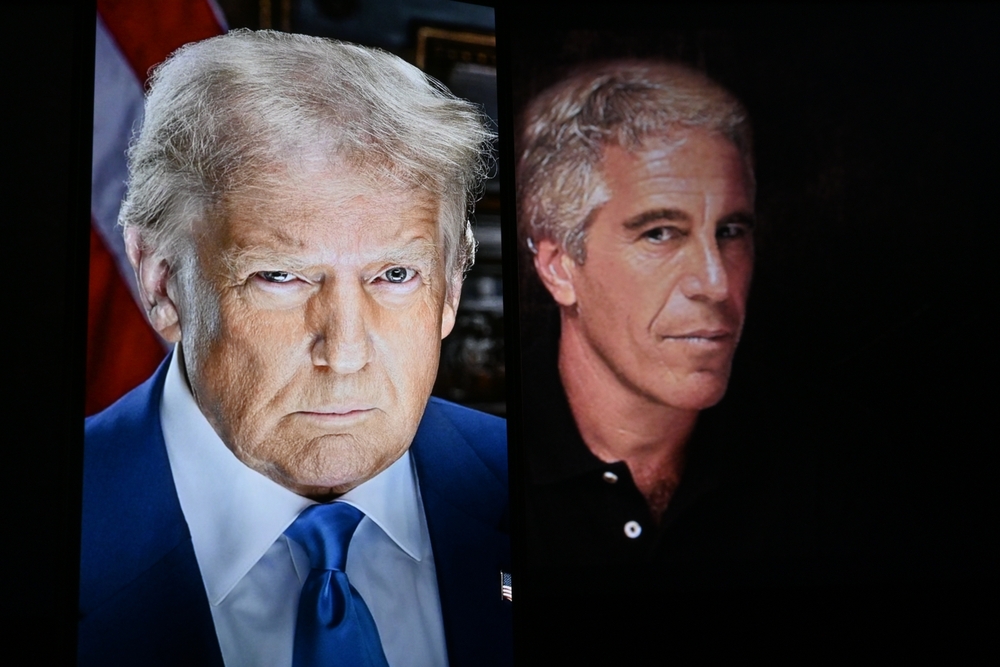
While Melania Trump’s statement centered on her own position, it inevitably drew attention back to Donald Trump’s past interactions with Epstein. The two men were known to have moved in similar social circles for years, attending events and gatherings that included other prominent figures.
Trump has consistently denied any knowledge of Epstein’s crimes and has not been accused of wrongdoing in connection with the case. Nonetheless, his name has appeared in various documents and reports, contributing to the broader scrutiny of his past associations.
Observers noted that the First Lady’s statement did not explicitly defend her husband. Some commentators interpreted this omission as significant, suggesting that it may reflect a deliberate focus on her own reputation rather than a broader defense of the administration.
This distinction has contributed to ongoing political analysis about the implications of her remarks. In a political environment where messaging is often carefully coordinated, the absence of a unified response has raised questions about internal dynamics.
Survivor Reactions Reveal a Divided Response
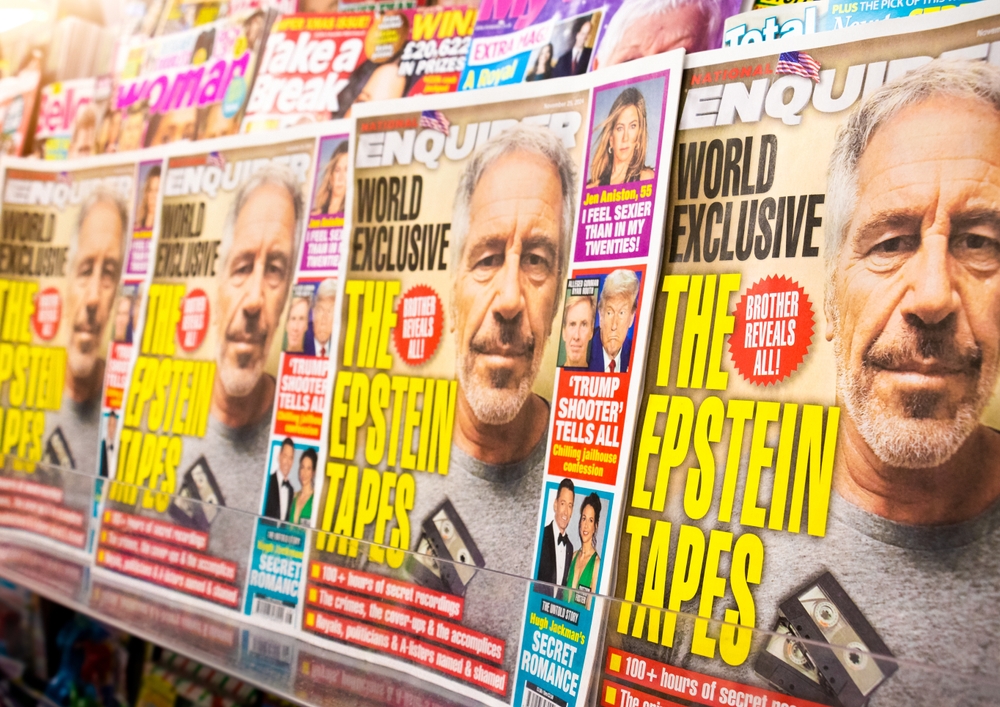
The reaction from survivors of Epstein’s abuse has been mixed, reflecting the complexity of the issue. Some survivors expressed frustration, arguing that calls for public testimony could place additional burdens on those who have already endured significant trauma.
A group of survivors issued a joint statement suggesting that the proposal for congressional hearings risked shifting responsibility away from institutions and toward individuals. They argued that accountability should rest with the systems and authorities that failed to act, rather than requiring survivors to repeatedly relive their experiences.
Others took a more supportive view. Some survivors welcomed the call for transparency, interpreting it as a step toward ensuring that their stories are formally recognized and preserved. This divergence highlights the broader challenge of addressing historical abuse in a way that balances public accountability with personal sensitivity.
The differing reactions underscore that there is no single consensus on how best to move forward. Any effort to revisit the Epstein case inevitably raises difficult questions about justice, closure, and the role of public testimony.
Media, Politics, and the Return of a Lingering Scandal
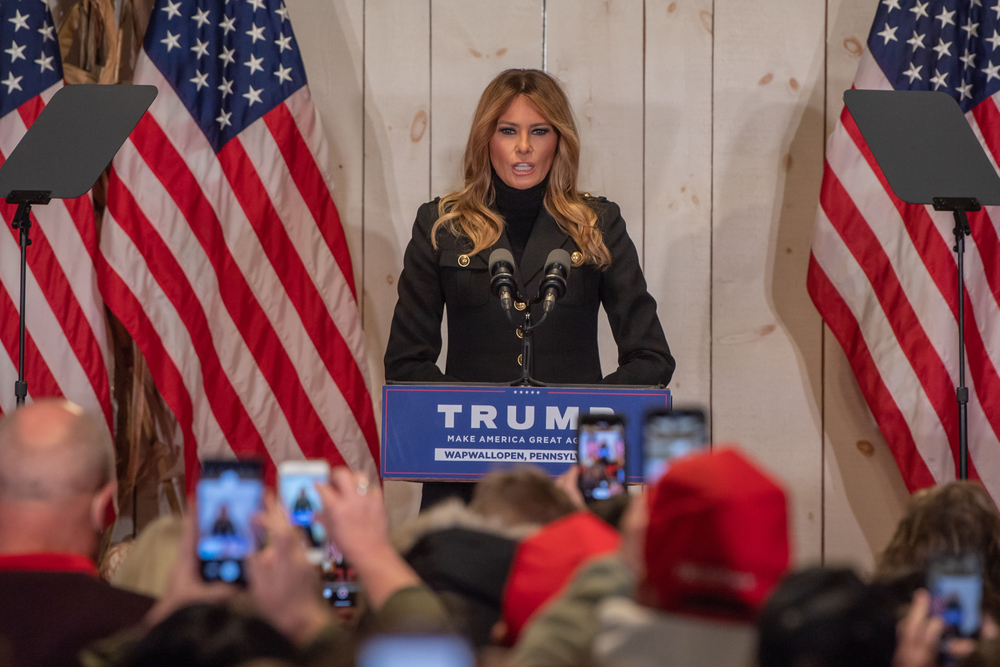
The immediate media response to Melania Trump’s statement was swift and expansive. News organizations interrupted ongoing coverage to report on the development, signaling the enduring significance of the Epstein case in the public imagination.
Political commentators quickly began analyzing the potential motivations behind the speech. Some suggested that it may have been an attempt to regain control of a narrative that could resurface in more damaging ways. Others viewed it as a reaction to renewed attention on the Epstein files, particularly as additional documents continue to be released.
Investigative journalist Vicky Ward, who has reported extensively on Epstein, noted that the timing was difficult to interpret. She pointed out that the level of direct connection between Melania Trump and Epstein appears limited, making the decision to address the issue publicly somewhat unexpected.
At the same time, the broader political context cannot be ignored. With ongoing debates about transparency and accountability, the Epstein case remains a symbol of unresolved questions about power and influence. Any development related to the case has the potential to resonate beyond the individuals directly involved.
The Broader Implications for Transparency and Trust
Melania Trump’s call for congressional hearings introduces a new dimension to the discussion. By advocating for a formal platform where survivors can share their stories, she has positioned herself as a voice for greater transparency. However, this proposal also raises questions about how such hearings would be structured and what outcomes they might achieve.
The Department of Justice has already released millions of documents related to Epstein, while withholding others due to legal constraints. Critics argue that more information should be made public, while officials maintain that certain limits are necessary. This tension reflects a broader debate about the balance between transparency and legal considerations.
In this context, the First Lady’s intervention can be seen as part of an ongoing conversation about how societies confront past wrongdoing. The challenge lies in ensuring that efforts to uncover the truth do not inadvertently cause further harm.
A Moment That May Have Lasting Consequences
Although the immediate impact of Melania Trump’s statement has been to reignite attention on the Epstein case, its longer-term consequences remain uncertain. Political narratives often evolve quickly, and what begins as a single speech can have ripple effects across multiple areas of public discourse.
For the Trump administration, the renewed focus on Epstein represents both a challenge and an opportunity. It brings renewed scrutiny but also creates a platform to address lingering questions. How that balance is managed could influence public perception in the months ahead.
For Melania Trump herself, the decision to speak out marks a notable departure from her usual approach. By addressing the issue directly, she has taken a more visible role in shaping the narrative surrounding a highly sensitive topic.
A Story That Refuses to Fade
The Epstein case has proven to be one of those stories that resists closure. Each new development, whether it involves documents, testimony, or public statements, has the potential to reopen questions that many would prefer to leave behind.
Melania Trump’s recent remarks have done exactly that. By stepping forward and addressing the issue in her own words, she has brought renewed attention to a complex and deeply troubling chapter in recent history.
The resurfacing of emails, the uncertainty surrounding the timing, and the varied reactions from survivors and political observers all point to a larger reality. Some issues do not disappear simply because time has passed. They remain, waiting for moments like this to return to the forefront.
What happens next will depend on how institutions, individuals, and the public choose to engage with the questions that have once again been raised. The search for clarity continues, shaped by new information and the enduring demand for accountability.