
Your cart is currently empty!
Teacher Sparks Debate About How 90s Kids Survived Without Water Bottles in School
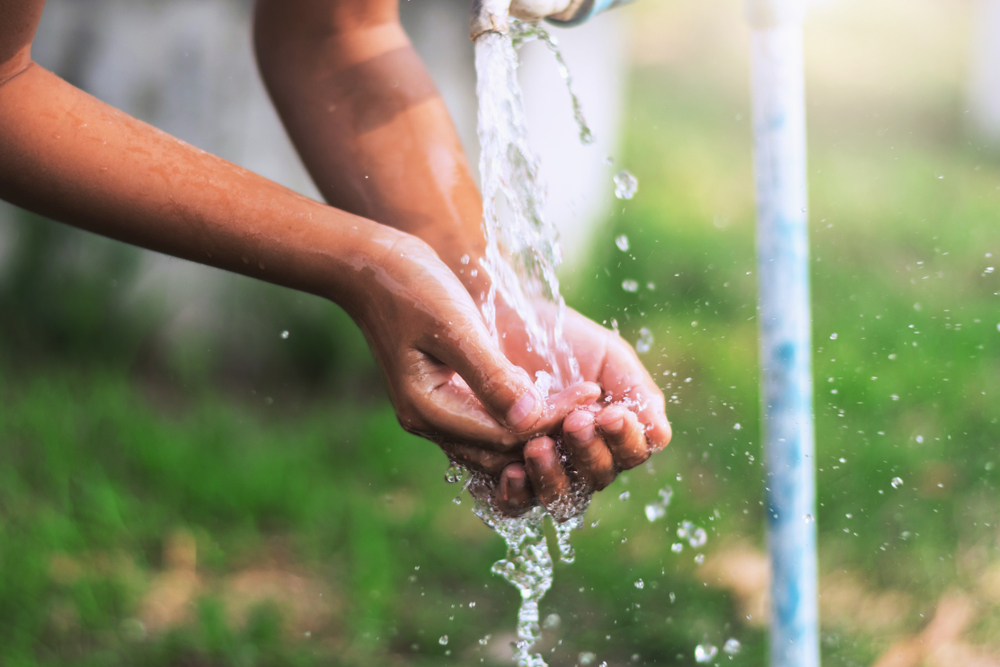
It starts with a memory that feels almost unreal when placed next to modern routines. A line of kids gathers around a hallway water fountain. One takes a quick sip while others count down impatiently. A teacher taps a shoulder. Time is up. The next child steps forward.
Contents
show
For millions of adults today, this was not unusual. It was simply school life. There were no insulated tumblers, no reminders to hydrate, and certainly no oversized bottles clipped to backpacks. And yet, somehow, everyone made it through the day.
That contrast has now become the center of a viral conversation after a teacher’s TikTok video resurfaced a shared experience many had not thought about in years. What began as a lighthearted reflection quickly turned into a deeper discussion about how culture, health awareness, and consumer habits have transformed something as simple as drinking water.
A Viral Reminder Of A Different Era
The spark for the conversation came from a teacher associated with the popular Bored Teachers platform. In a short video that gained more than 1.5 million views, she asked a straightforward question about whether anyone over the age of 30 remembered being allowed to carry water bottles in elementary school.
The response was immediate and overwhelming. Most people did not.
Instead, hydration during the school day followed a rigid structure. Students drank water during lunch or recess, and even then, access was limited. The water fountain was not a place to linger. It was a brief stop governed by unspoken rules and peer pressure.
The teacher described how children would stand in line while others counted down, making sure no one exceeded their few allotted seconds. If a student stayed too long, a teacher might intervene. The moment ended quickly, and the day continued.
Today, the idea of restricting water access in that way feels almost unimaginable. Classrooms now often encourage students to keep water bottles on their desks, and some schools even require them.
The Three Second Rule And The Culture Around It
For those who grew up in the 1980s and 1990s, the memory of the water fountain carries a surprising level of intensity. It was not just about hydration. It was about timing, social dynamics, and sometimes even competition.
Students recall being rushed while drinking as others counted down loudly. There was pressure not to take more than their share. Some remember being tapped on the shoulder if they stayed too long. Others recall having to wait long stretches before another chance to drink.
These experiences were so common that they now feel like a shared cultural ritual. One commenter joked that behavior problems might have been lower simply because kids were too dehydrated to act out. Another pointed out that limiting water also meant fewer bathroom breaks, which may have been part of the system’s design.
There was also a different relationship with beverages overall. Many children did not drink much water at all. Instead, they consumed milk at lunch, juice at home, or sugary drinks like Kool Aid. Water was often something you drank only when you were truly thirsty, not something you carried with you throughout the day.
Growing Up Without Constant Hydration

Looking back, many adults are surprised by how little water they consumed as children. Stories from that era often include drinking from garden hoses, kitchen sinks, or quick sips from public fountains. Hydration was not treated as a continuous need.
Reference accounts describe how students relied almost entirely on shared fountains or waited until designated breaks. There was no expectation that water should be accessible at all times. In fact, bringing a personal water bottle to school would have seemed unnecessary or even strange.
This absence of constant hydration shaped habits that many carried into adulthood. Some people today still struggle to meet recommended daily water intake levels, partly because they were never conditioned to drink regularly.
Others look back with humor, describing themselves as having survived on milk cartons and occasional sips of water. While these recollections are often exaggerated for comedic effect, they highlight a real shift in how hydration is perceived.
The Rise Of Hydration Culture
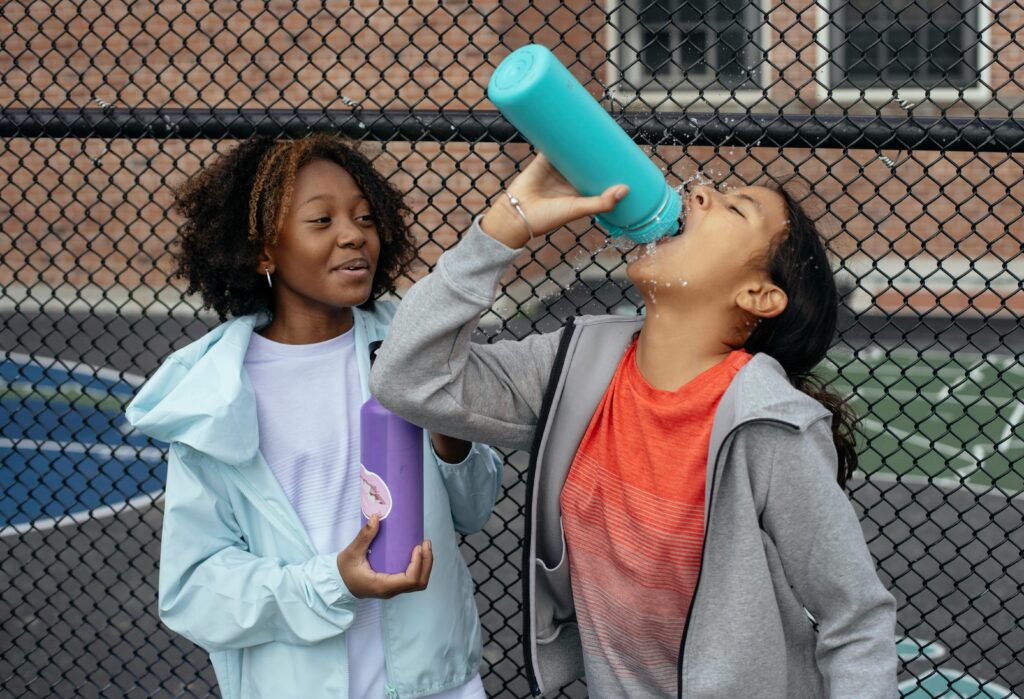
Fast forward to the present, and the difference is striking. Water is no longer just a basic necessity. It has become a daily ritual, a wellness practice, and in some cases, a form of self-expression.
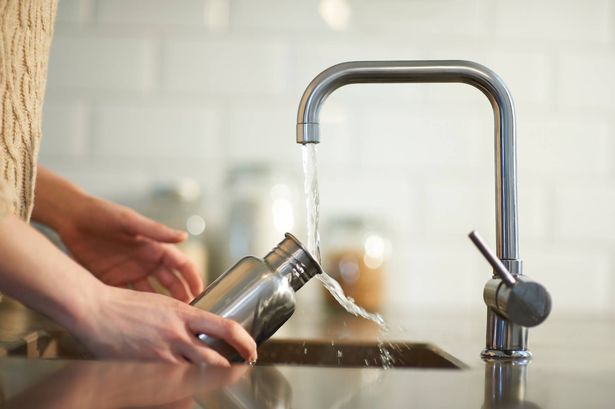
Modern students often carry reusable bottles everywhere they go. These bottles are designed to maintain temperature for hours, ensuring that water stays cold throughout the school day. Refilling stations have replaced many traditional fountains, and hygiene considerations have made shared drinking sources less appealing.
This shift reflects broader changes in awareness and priorities. Increased attention to health and wellness has emphasized the importance of staying hydrated. Parents, educators, and healthcare professionals now encourage regular water intake as part of a healthy lifestyle.
At the same time, consumer culture has played a significant role. Water bottles have evolved into accessories that reflect personal style. Brands, colors, and designs have become part of identity, especially among younger generations.
When Water Bottles Become Status Symbols
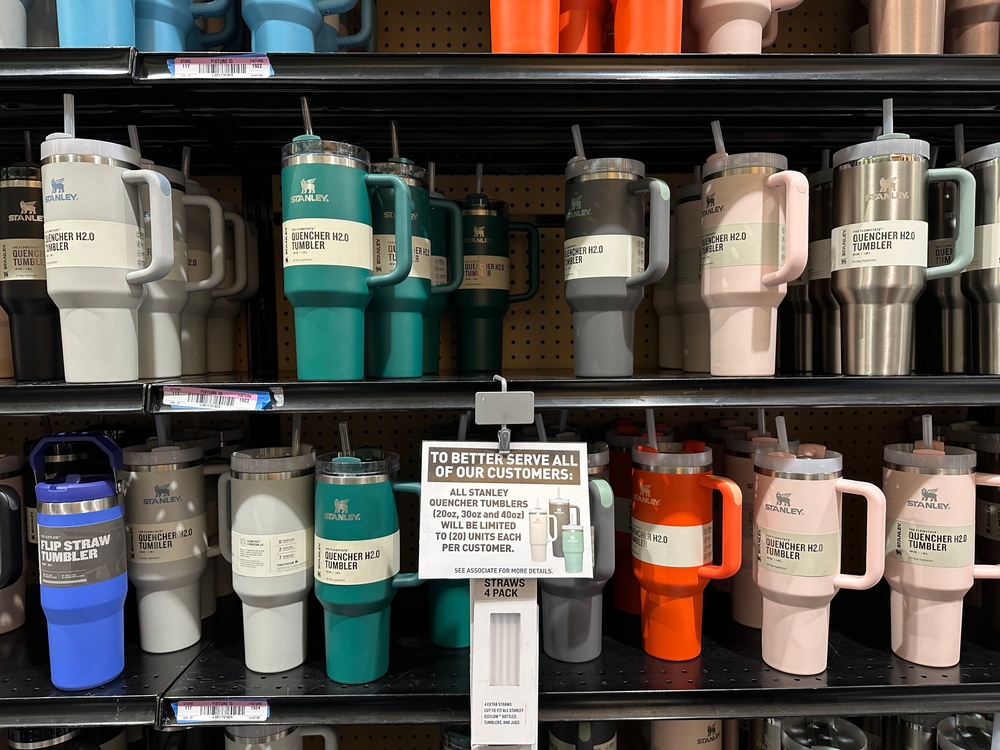
One of the most notable aspects of the current trend is how water bottles have moved beyond function. They are now part of fashion and social signaling.
Certain brands have gained popularity not just for their practicality but for what they represent. Carrying a specific type of bottle can signal belonging, taste, or even social awareness. For some, it is about sustainability. For others, it is about aesthetics.
This cultural shift became especially visible during high-profile product releases. In early 2024, a limited edition collaboration between Stanley and Starbucks created a frenzy that surprised many observers. People lined up outside stores, and some even rushed displays to secure the bottles.
The reaction raised an obvious point about how everyday objects can take on new meaning. A water bottle is something people carry constantly, making it a natural extension of personal style. Another factor is the growing emphasis on self-care, where staying hydrated is framed as an essential habit.
Generational Perspectives On Drinking Water

Different generations view hydration through very different lenses, shaped by their experiences growing up.
For many in Generation X, the current emphasis on constant hydration can feel excessive. They remember a time when drinking water was occasional rather than continuous.
Millennials occupy an interesting middle ground. As children, they often had limited access to water during the school day. As adults, they have embraced hydration culture more fully, becoming major consumers of reusable bottles.
Generation Z and younger children have grown up in an environment where water bottles are standard. For them, carrying a bottle is not optional. It is part of daily life. In many cases, it is also tied to social trends and online culture.
Some observers have humorously compared modern water bottles to childhood comfort items, suggesting that they function almost like emotional support objects. While this comparison is exaggerated, it reflects how deeply integrated these items have become in everyday routines.
Hygiene, Safety, And Practical Changes
Beyond cultural trends, there are practical reasons for the shift toward personal water bottles.
Hygiene standards have evolved significantly. Shared water fountains, once common, are now viewed with more caution. Concerns about cleanliness and the spread of germs have led many schools to install bottle-filling stations instead.
Safety awareness has also increased. Parents and educators are more attentive to children’s physical needs, including hydration. Ensuring that students have easy access to water is seen as part of creating a supportive learning environment.
Additionally, advancements in product design have made reusable bottles more convenient. Insulated materials keep beverages at the desired temperature for extended periods, making them more appealing for daily use.
These changes suggest that the rise of hydration culture is not purely about trends. It is also tied to evolving standards of care and comfort.
Nostalgia Meets Reality
While many people look back fondly on their childhood experiences, it is important to recognize that nostalgia often simplifies the past.
The idea that previous generations managed without constant hydration does not necessarily mean that their approach was ideal. Limited access to water may have been inconvenient or uncomfortable at times.
At the same time, the current emphasis on hydration can sometimes feel excessive. Carrying large bottles everywhere and treating them as essential items may reflect a degree of overcorrection.
The contrast between these two perspectives has fueled much of the online conversation. Some see modern habits as a positive evolution. Others view them as an example of how consumer culture can amplify basic needs into trends.

What This Says About Changing Lifestyles
The discussion around water bottles offers a glimpse into broader societal changes.
It highlights how attitudes toward health have shifted, with greater emphasis on prevention and daily habits. It also shows how products can become intertwined with identity, turning functional items into symbols.
Perhaps most importantly, it reflects how quickly norms can change. What once seemed unnecessary is now considered essential. What was once standard now feels outdated.
These shifts are not unique to hydration. They can be seen in many aspects of daily life, from food choices to technology use.
A Simple Habit, A Bigger Conversation
At its core, the debate is about more than water. It is about how society evolves and how small changes can reveal larger patterns.
The viral video resonated because it tapped into a shared experience while also highlighting a clear contrast with the present. It reminded people of a time that felt simpler, even if it was not perfect.
For younger generations, the conversation offers a perspective on how routines have changed. For older generations, it provides an opportunity to reflect on how their habits have evolved.
Finding Balance In A Changing World
In the end, the truth likely lies somewhere between the two extremes.
Access to water is important, and encouraging healthy habits is a positive development. At the same time, not every aspect of modern hydration culture needs to be taken to its limits.
Carrying a water bottle can be practical and beneficial. It can also become a trend that goes beyond necessity.
What matters most is understanding the purpose behind the habit. Staying hydrated supports health and well-being. Everything else, from brand choices to social trends, is secondary.
The next time someone fills up their bottle before heading out, it might be worth remembering those brief moments at the water fountain. Not as a better or worse way of doing things, but as a reminder of how much can change in a relatively short time.
Sometimes, even the smallest routines tell the biggest stories.