
Your cart is currently empty!
‘The End is Near’: Donald Trump’s Chilling Post Sparks Widespread Concern
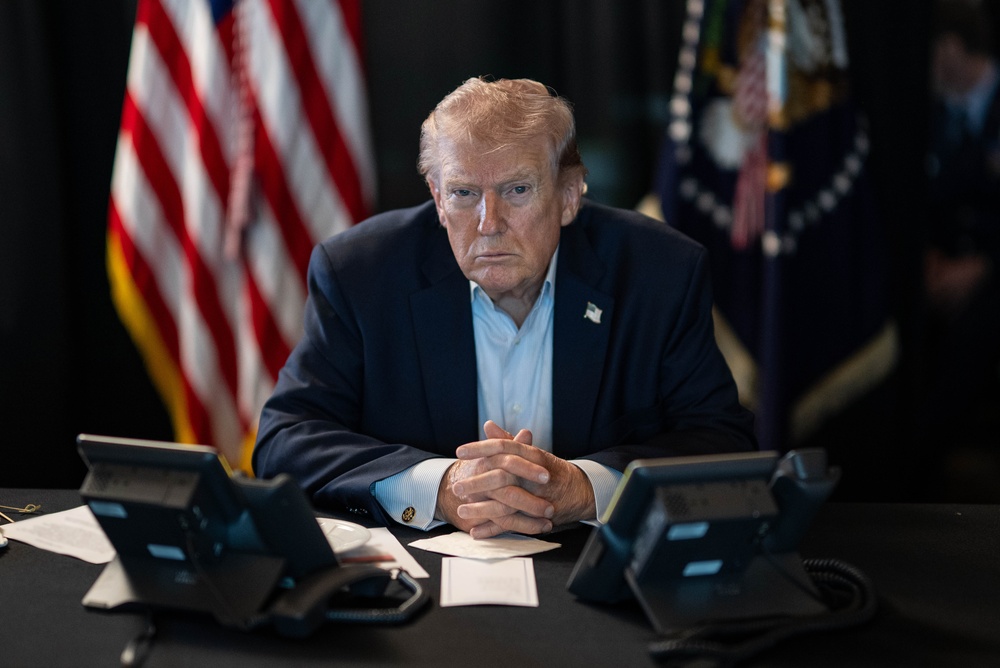
A recent post by Donald Trump on Truth Social featuring the phrase “the end is near” has ignited a wave of speculation across the media landscape. Rather than being interpreted as standard campaign rhetoric, the stark brevity of the statement prompted an entirely different kind of conversation.
Contents
show
The Truth Social Post
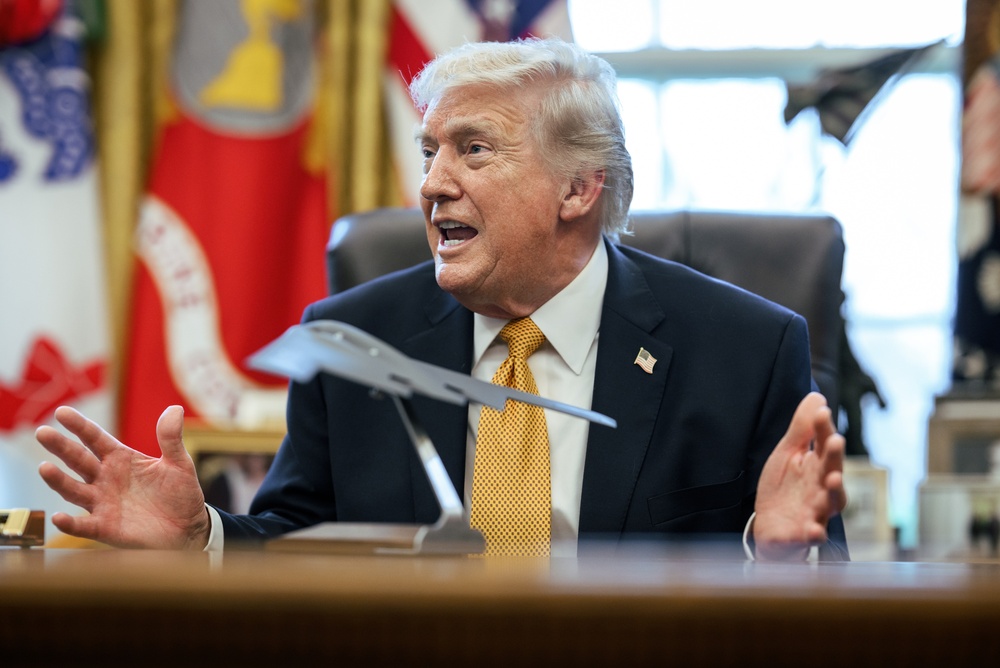
President Donald Trump recently drew widespread attention after posting a brief message on Truth Social. The post, reading “the end is near,” stood out from his usual communications regarding campaign news and political commentary.
Without additional context provided, the phrase quickly generated public speculation. News outlets and political observers began analyzing the statement to determine its meaning. Discussions centered on whether the message was a remark on the current political landscape, a reference to ongoing legal proceedings, or something related to his personal health.
Reaction was swift across various media platforms. Supporters expressed concern for his well being, while political analysts debated the strategic intent behind the wording. Because political figures are closely monitored, unexpected shifts in tone routinely lead to heightened scrutiny. In this case, the lack of clarity transformed a short message into a focal point of national conversation.
Mounting Health Speculations
Recent weeks have seen a sharp increase in public scrutiny regarding Donald Trump’s physical condition, setting the stage for the dramatic reaction to his latest social media activity. Prior to the “the end is near” post, brief absences from the public eye during holiday weekends had already triggered viral speculation across platforms like X, where trending hashtags frequently questioned his whereabouts and overall vitality.
When Trump did make public appearances, observers and the media quickly zeroed in on specific physical anomalies. Photographs from recent events, including a golf outing in Miami and a press briefing in the Oval Office, captured him sporting bandages on his fingers and noticeable discoloration on his hands. White House officials and his medical team have previously addressed these details, attributing the bruising to frequent handshaking, aspirin use, and chronic venous insufficiency. However, the visual cues have nonetheless kept his physical health at the forefront of the news cycle.
Against this backdrop of heightened medical speculation, the cryptic Truth Social post acted as an accelerant. Because the public was already hyper-focused on his physical appearances and analyzing his movements for signs of fatigue, a post declaring that “the end is near” was immediately viewed through the lens of his personal well being rather than standard political rhetoric. The incident highlights how rapidly online rumors can intersect with official communications, transforming an ambiguous statement into a national conversation about a high profile figure’s physical fitness. By examining the context of the weeks leading up to the post, it becomes clear why the public reacted with genuine health fears instead of simply brushing it off as campaign messaging.
Campaign Strategy and Managing the Narrative
In modern political campaigns, the rapid spread of online speculation forces communication teams to remain on high alert. When Donald Trump’s “the end is near” post began generating widespread health concerns, the immediate challenge for his staff was to regain control of the narrative. The speed at which the public interpreted the message as a sign of physical decline highlighted a significant vulnerability in using ambiguous rhetoric.
Typically, campaign officials address such incidents by reframing the conversation, attempting to shift the focus away from the candidate’s personal well being and back to political talking points. In situations involving cryptic social media posts, spokespersons frequently clarify that the statements were intended as critiques of opposing administrations or commentary on the nation’s political trajectory, rather than personal reflections. However, executing this pivot becomes increasingly difficult once the public and the media have already anchored their attention on health fears.
The difficulty lies in the fact that official clarifications often struggle to outpace viral rumors. Even when a campaign issues a formal statement explaining a post’s intent, the initial impression left by the ambiguous phrasing tends to linger with voters. This dynamic underscores the inherent risks of unfiltered, direct-to-voter communication strategies. While platforms like Truth Social allow figures like Trump to bypass traditional media filters and energize their base, they also remove the safety net of professional editing.
The Risks of Apocalyptic Political Rhetoric

Using stark, doomsday language is a familiar tactic in modern elections. Candidates frequently frame political contests as existential battles to motivate voter turnout. Warnings about a nation’s imminent collapse are standard fare in fundraising materials and rally speeches. However, the recent Truth Social post crossed a different threshold. Because the statement lacked a clear political target or policy context, the “end” it referenced remained entirely ambiguous.
When political rhetoric removes the usual policy context, the modern media ecosystem steps in to fill the void. Cable news networks and digital platforms thrive on analyzing these exact ambiguities. Instead of debating a candidate’s legislative agenda, commentators and political analysts are thrust into the role of amateur diagnosticians. This phenomenon highlights a significant shift in political journalism, where the mental and physical acuity of a leader frequently overshadows their actual platform.
Furthermore, relying on extreme messaging carries inherent strategic risks. While doom laden rhetoric may briefly energize a highly loyal base, it often alienates moderate voters who prioritize stability and predictability in leadership. Political historians consistently note that campaigns leaning too heavily on fatalistic messaging risk projecting vulnerability rather than strength.
In this specific instance, the strategy backfired by turning the public focus inward. Rather than highlighting the perceived failures of his political opponents, the ambiguous phrasing inadvertently placed Donald Trump’s own vitality on trial. The reaction serves as a clear demonstration of the volatile nature of fear based messaging in the digital age. When a leader uses words typically reserved for national crises to make an undefined point, they open the door for the public to question their personal fitness for the demands of the office.
The Enduring Demand for Clarity
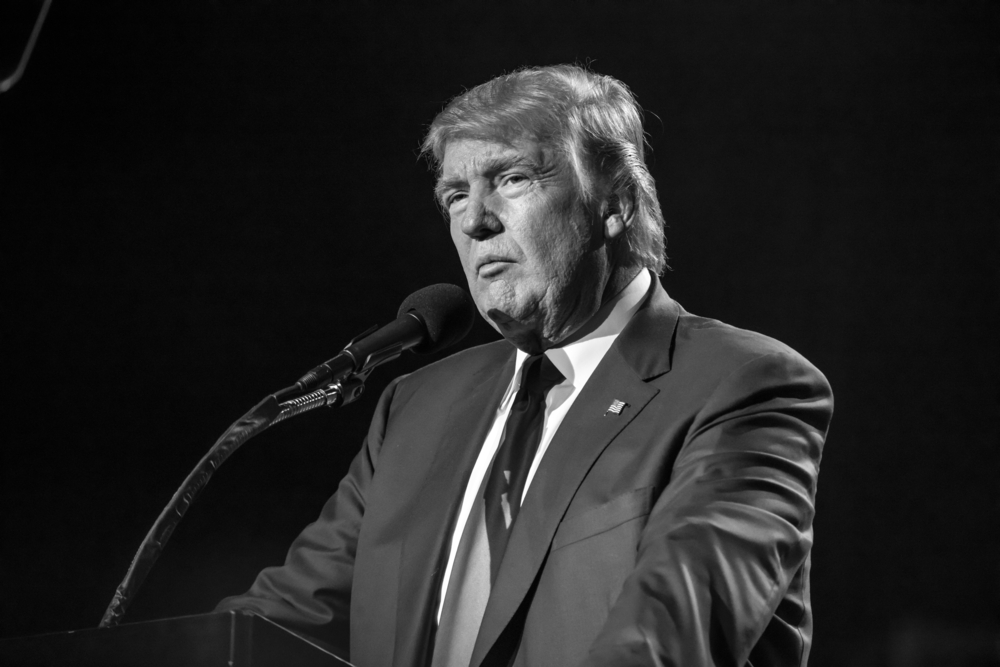
A handful of words intended for a digital audience quickly evolved into a national conversation regarding physical stamina and mental acuity. This immediate shift demonstrates how eager the public is to find meaning in every action, especially when the communication lacks definitive context.
In a media landscape where direct online engagement allows leaders to bypass traditional press channels, the margin for error remains virtually nonexistent. Audiences today are not merely consuming policy updates; they are actively monitoring the well being of the individuals behind the screen. When public rhetoric turns exceptionally dark or ambiguous, it strips away the standard political armor. This exposes the underlying human vulnerabilities that voters and media observers continuously monitor.
The intense speculation sparked by this brief post serves as a compelling reminder of the delicate balance between strategic messaging and public confidence. The demands of high office are unyielding, and the physical toll on those who seek such power will inevitably remain a primary focus of public interest. The incident leaves behind a clear lesson for modern public figures. In the highest levels of leadership, precise communication is just as vital as physical endurance.