
Your cart is currently empty!
Hidden Cave Under Welsh Castle Reveals Secrets From 120000 Years Ago

For centuries, Pembroke Castle has stood as a powerful symbol of medieval history. Its towering stone walls, strategic coastal position, and royal legacy have long drawn visitors eager to step into Britain’s past. It is the birthplace of Henry Tudor, a place shaped by battles, politics, and power.
Contents
show
Yet beneath this familiar story, something far older has been quietly waiting in the dark.
Recent archaeological discoveries have revealed that deep below the castle lies a vast cave system containing evidence of life stretching back around 120,000 years. What was once assumed to be an empty or disturbed space is now being described as one of the most important prehistoric sites ever found in Britain. Researchers say the findings could transform how we understand ancient human life, climate change, and the shifting environments of the distant past.
A Discovery Hidden in Plain Sight
The cave, known as Wogan Cavern, sits directly beneath Pembroke Castle in Wales. It is accessed through a spiral staircase installed during the Victorian era, a feature that for years gave the impression that the site had already been explored and stripped of anything significant.
For decades, archaeologists believed there was little left to uncover. That assumption shaped how the site was treated and studied. The cave was considered interesting but not extraordinary.
That perception began to change between 2021 and 2024 when small-scale excavations were carried out.
According to BBC News, these initial digs uncovered something unexpected. Instead of an empty cavern, researchers found a rich and layered archaeological archive filled with well-preserved remains.
The discoveries included stone tools, animal bones, and traces of human activity spanning tens of thousands of years. What appeared at first to be a modest site quickly revealed itself as something far more significant.
Dr Rob Dinnis from the University of Aberdeen, who led the early excavations, described the site as a truly remarkable place. He emphasized that there is no other site like it in Britain and called it a once in a lifetime discovery.
The Hippo That Changed Everything
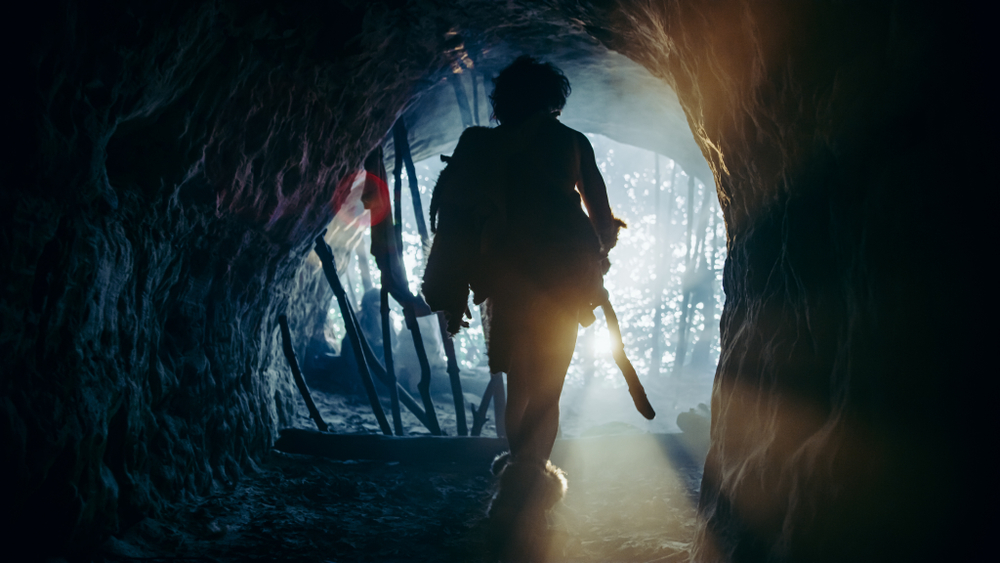
Among the most striking discoveries in Wogan Cavern were the remains of a hippopotamus dating back roughly 120,000 years. At first glance, the idea of hippos in Wales may seem almost impossible. Today, the region is known for its cool, temperate climate. The presence of such an animal tells a very different story about the past.
According to reports from The Guardian and other outlets, these hippo remains likely date to the last interglacial period, a time when the climate in Britain was significantly warmer. Rivers and landscapes would have supported species that are now associated with much hotter regions.
The discovery does more than surprise. It provides concrete evidence of dramatic environmental change. It shows that Britain was once a place where ecosystems looked entirely different from what we know today.
Alongside the hippo bones, researchers have also uncovered remains of mammoths, woolly rhinoceroses, reindeer, and wild horses. Each species represents a different climatic phase, suggesting that the cave was used repeatedly across vastly different eras.
This mixture of animals is what makes Wogan Cavern particularly valuable. It is not just a snapshot of one moment in time. It is a layered record of changing environments over more than 100,000 years.
Traces of Early Humans and Neanderthals
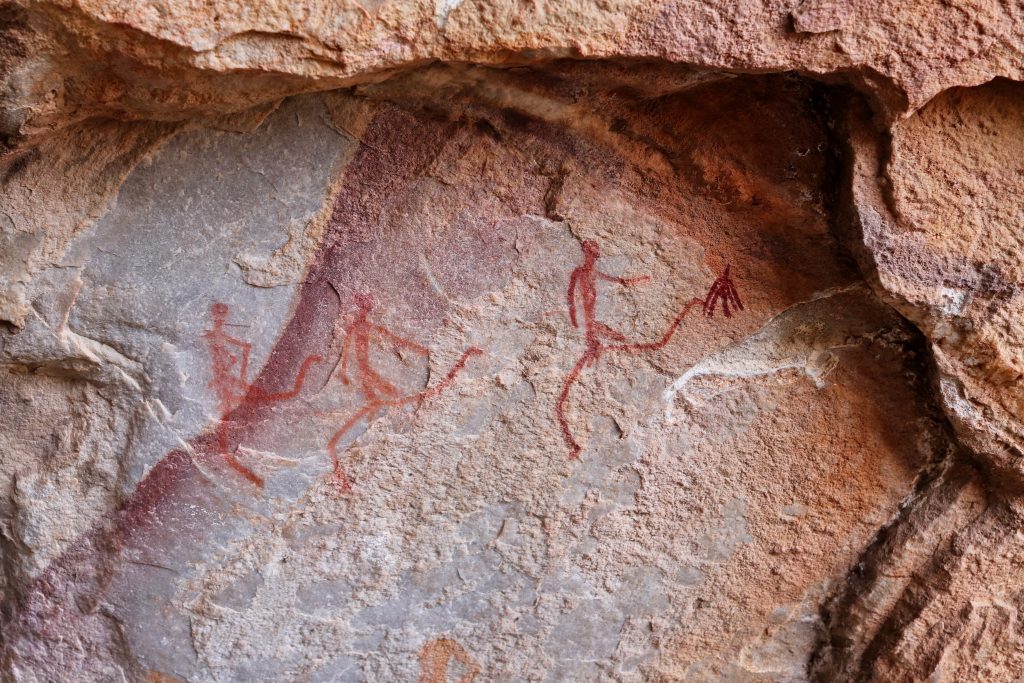
The animal remains alone would make the site significant, but what truly elevates its importance is the evidence of human presence.
Archaeologists have identified stone tools and other signs that suggest early Homo sapiens once occupied the cave. These findings may date back between 45,000 and 35,000 years ago, a period when modern humans were spreading across Europe.
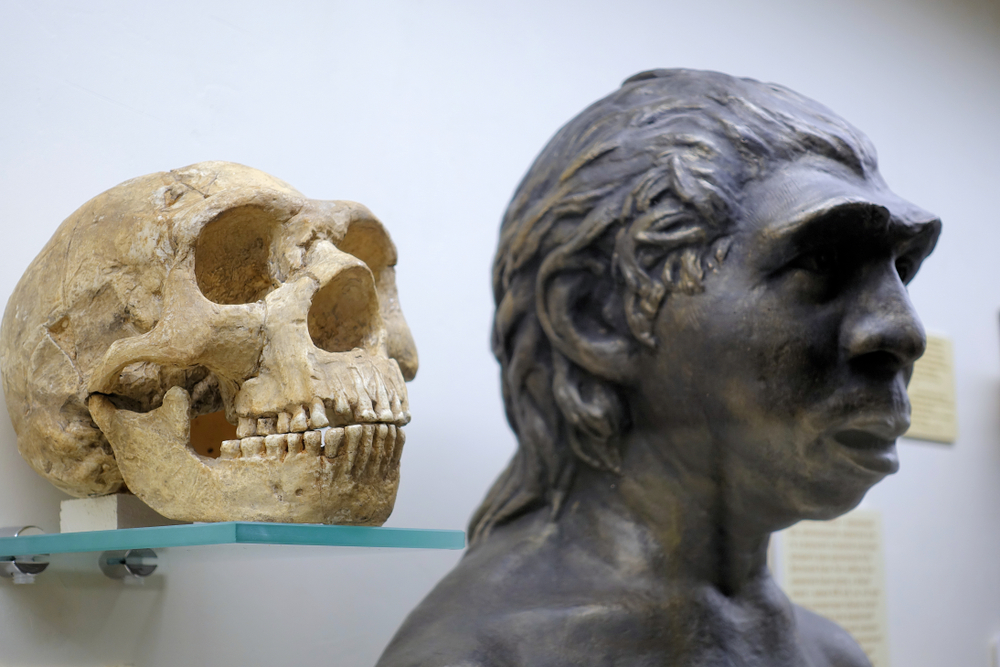
Even more intriguing are hints that Neanderthals may have used the site even earlier. While further research is needed to confirm this, the possibility adds another layer of complexity to the cave’s history.
According to AFP and other reports, researchers believe Wogan Cavern could preserve a long sequence of human activity. This sequence may stretch from hunter gatherers living in the cave after the last Ice Age, around 11,500 years ago, all the way back to much earlier human populations.
Such continuity is rare in British archaeology. Many sites have been disturbed over time, making it difficult to trace long-term patterns. Wogan Cavern, by contrast, appears to have preserved its layers with remarkable clarity.
Why This Site Stands Out

Archaeologists are describing Wogan Cavern as one of the most important prehistoric archives in Britain. This is not simply because of the age of the finds, but because of how much information the site can potentially reveal.
Professor Kate Britton from the University of Aberdeen highlighted that the bones discovered in the cave are exceptionally well preserved. This opens the door for advanced scientific analysis, including high-resolution dating and the study of ancient DNA.
These techniques could help researchers reconstruct past environments in extraordinary detail. They may also shed light on how animals and humans adapted to changing climates over thousands of years.
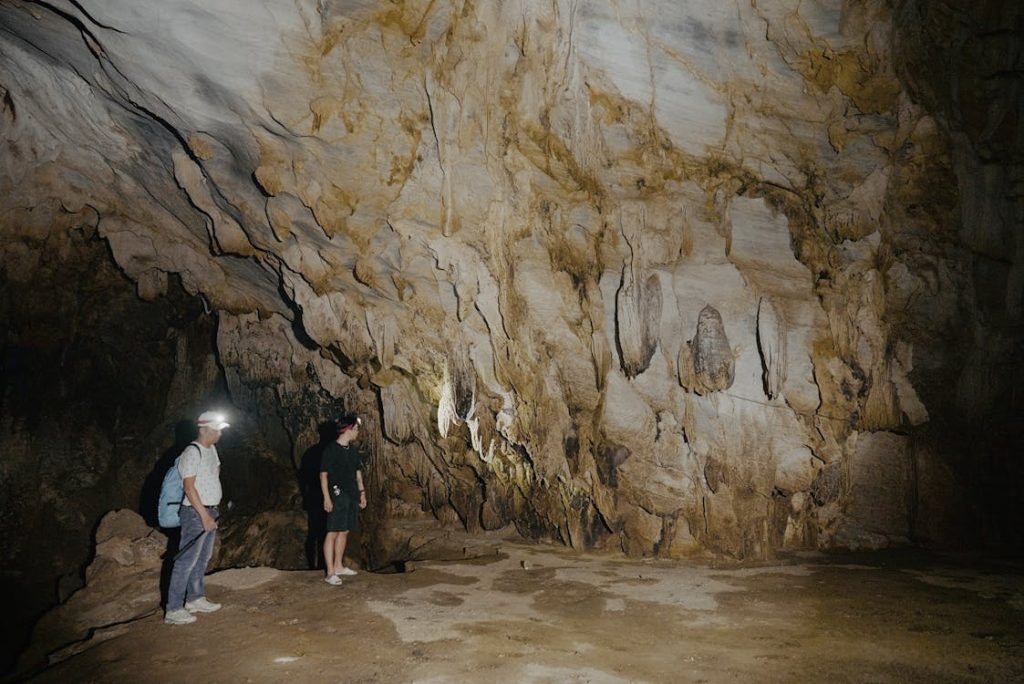
The cave’s structure itself plays a key role. Measuring around 23 meters in length and reaching heights of up to 10 meters, it provides a stable environment where sediments have accumulated gradually. These layers act like pages in a history book, each one preserving evidence from a different period.
According to multiple sources, this kind of continuous record is extremely rare. It allows scientists to study not just isolated events, but long-term changes and patterns.
A Five-Year Project to Uncover the Past

The initial discoveries have led to a much larger effort to explore Wogan Cavern in depth. The University of Aberdeen has been granted permission to lead a five-year excavation project, supported by the Pembroke Castle Trust and funded in part by the Calleva Foundation.
The project, which is set to begin in late May, will involve a range of scientific methods. Researchers plan to conduct detailed excavations, analyze sediments, and extract ancient DNA from both bones and the surrounding soil.
The goal is to build a comprehensive picture of how the cave was used over time. This includes understanding who lived there, what animals roamed the area, and how environmental conditions changed.
Dr Dinnis has expressed optimism about what the project might reveal. He believes the cave could help chart a long and detailed sequence of human activity and environmental change, offering insights into how prehistoric communities adapted to shifting conditions.
A Castle With Layered History
For Pembroke Castle itself, the discovery marks the beginning of a new chapter. The site has long been celebrated for its medieval heritage, but the findings in Wogan Cavern add a much deeper dimension to its story.
Castle manager Jon Williams described the discovery as incredibly exciting. He noted that the cave reveals a side of history very different from the medieval narratives usually associated with the site.
The Pembroke Castle Trust is working to ensure that the discoveries are preserved and shared with the public. Plans are in place to curate and display the finds locally, allowing visitors to engage with both the medieval and prehistoric aspects of the site.
This layered history is part of what makes the discovery so compelling. It transforms the castle from a single era landmark into a place where multiple timelines intersect.
Rethinking Britain’s Prehistoric Past
One of the most important implications of the discovery is how it may reshape our understanding of Britain’s prehistory.
The presence of hippos suggests that the region experienced much warmer climates in the past than previously imagined. The potential evidence of early human and Neanderthal activity could also shift timelines for when different groups inhabited the area.
Researchers hope that further study will clarify these timelines and provide new insights into migration patterns, survival strategies, and interactions between species.
The site may also contribute to broader discussions about climate change. By examining how ecosystems and human populations responded to past environmental shifts, scientists can gain valuable perspective on the challenges facing the world today.
The Importance of Unexpected Discoveries
One of the most striking aspects of the Wogan Cavern discovery is how unexpected it was. For years, the site was overlooked because it was assumed to have been fully explored.
This serves as a reminder that history is not fixed. Even in places that seem well understood, there may still be hidden layers waiting to be uncovered.
The cave challenges the idea that we already know the full story of Britain’s past. It highlights the importance of revisiting old assumptions and continuing to explore.
The Past Is Far From Finished
The discovery of Wogan Cavern beneath Pembroke Castle is more than an archaeological breakthrough. It is a powerful reminder of how much history can still surprise us.
What was once thought to be an empty space has turned into one of the most important prehistoric sites in Britain. From hippos roaming ancient landscapes to early humans seeking shelter, the cave tells a story that stretches across vast stretches of time.
As researchers continue their work, the hope is that this hidden cavern will provide answers to long standing questions and open the door to new ones. It shows that even in places we think we understand, there is always more waiting to be discovered.
And sometimes, the most extraordinary stories are the ones hidden right beneath our feet.