
Your cart is currently empty!
Hidden Danger in Coastal Waters as Flesh Eating Bacteria Cases Rise
As temperatures rise and summer draws people back to beaches, bays, and lakes, a growing environmental and public health concern is beginning to surface in an unsettling way. What should be a season of relaxation is now accompanied by warnings from scientists about a dangerous bacteria quietly spreading through familiar waters.
Contents
show
For many, the idea of stepping into the ocean or a calm bay brings a sense of peace. Families gather, children play, and communities reconnect with nature. Yet beneath the surface, something far less visible is taking hold, and experts say it demands attention.
Researchers have confirmed that a potentially deadly organism, often referred to as flesh-eating bacteria, is present in multiple locations across Long Island. The most alarming part is not just its presence, but the speed at which it can become life threatening. According to experts, people infected may face a 20 percent chance of dying within just 48 hours.
This is not a distant or isolated threat. It is a developing situation tied to environmental changes, human activity, and warming waters, raising important questions about safety, awareness, and prevention.
A Growing Discovery in Familiar Waters
Scientists from Stony Brook University have identified the presence of Vibrio vulnificus in several bodies of water across Long Island. This bacterium, which naturally lives in coastal environments, has now been detected in areas that many people visit during the summer months.
Among the locations where it has been found are Sagaponack Pond, Mecox Bay, and Georgica Pond. These are not obscure or restricted zones. They are well known and frequently used for recreation.
Professor Christopher Gobler, a coastal ecologist leading the research, explained that the bacteria has formed what he described as hotspots. These are areas where conditions allow the bacteria to thrive and potentially expose more people.
According to his findings, the bacteria was first detected in the region in 2023, when three people died after being infected in Long Island Sound. Since then, continued monitoring has revealed that the organism is appearing in more locations, particularly during the warmest months of the year.
He emphasized that infections are especially dangerous when the bacteria enters through an open wound. Once inside the body, it can spread rapidly and cause severe damage to tissue in a very short period of time.
For residents and visitors alike, the reality is unsettling. These waters are not new or unfamiliar. What has changed is the invisible risk within them.
Understanding Vibrio and Its Risks
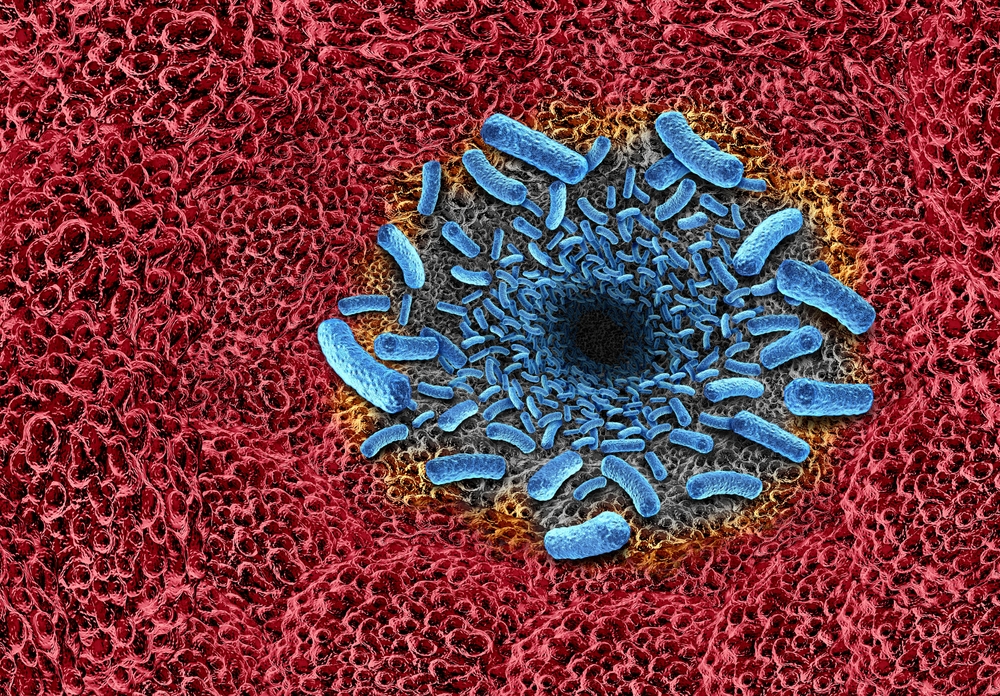
Vibrio bacteria are naturally occurring microorganisms found in coastal waters, particularly in environments where saltwater and freshwater mix. These conditions are common in estuaries, bays, and tidal ponds.
The bacteria tend to multiply more rapidly in warmer months, especially between May and October. This seasonal pattern aligns closely with peak human activity in the water, increasing the likelihood of exposure.
There are several types of Vibrio that can cause illness in humans, but Vibrio vulnificus is among the most severe. It is associated with a condition known as vibriosis, which can range from mild gastrointestinal symptoms to life threatening infections.
Health authorities estimate that tens of thousands of vibriosis cases occur each year in the United States, many linked to contaminated seafood. However, infections from Vibrio vulnificus are less common and far more dangerous.
Common Ways Infection Occurs
People can become infected in two primary ways:
- Eating contaminated seafood: Raw or undercooked shellfish, particularly oysters, are a common source of infection. The bacteria can accumulate in these organisms and enter the body when consumed.
- Exposure through open wounds: Cuts, scrapes, or sores that come into contact with contaminated water can allow the bacteria to enter the bloodstream.
While many cases of vibriosis are mild, infections involving Vibrio vulnificus are significantly more dangerous and require immediate medical attention.
The Rapid Progression of Infection
One of the most concerning aspects of Vibrio vulnificus is how quickly it can escalate. Health experts report that severe infections can develop within hours of exposure.
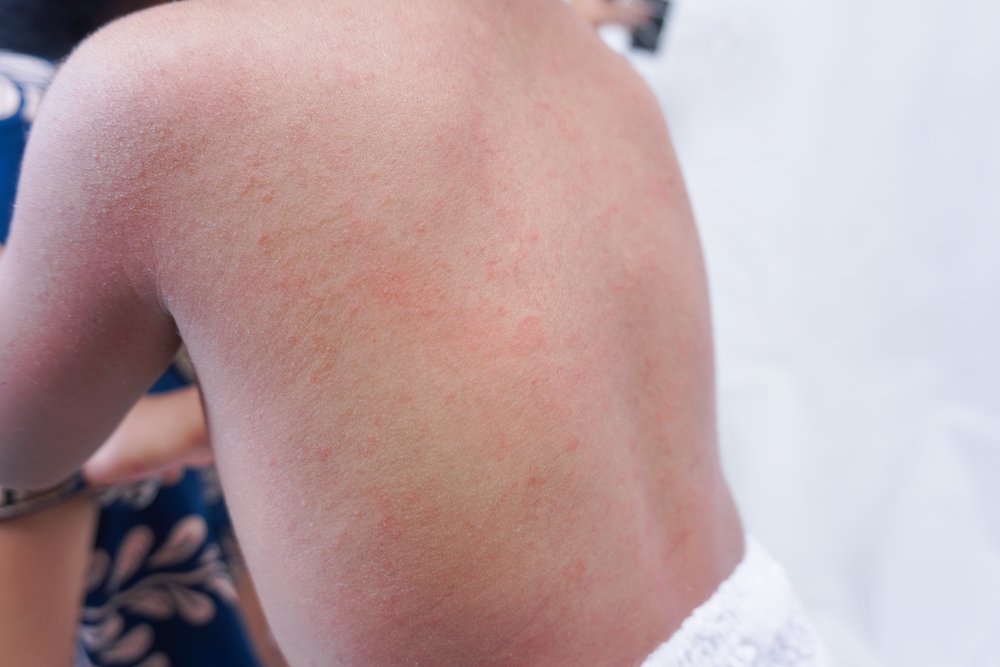
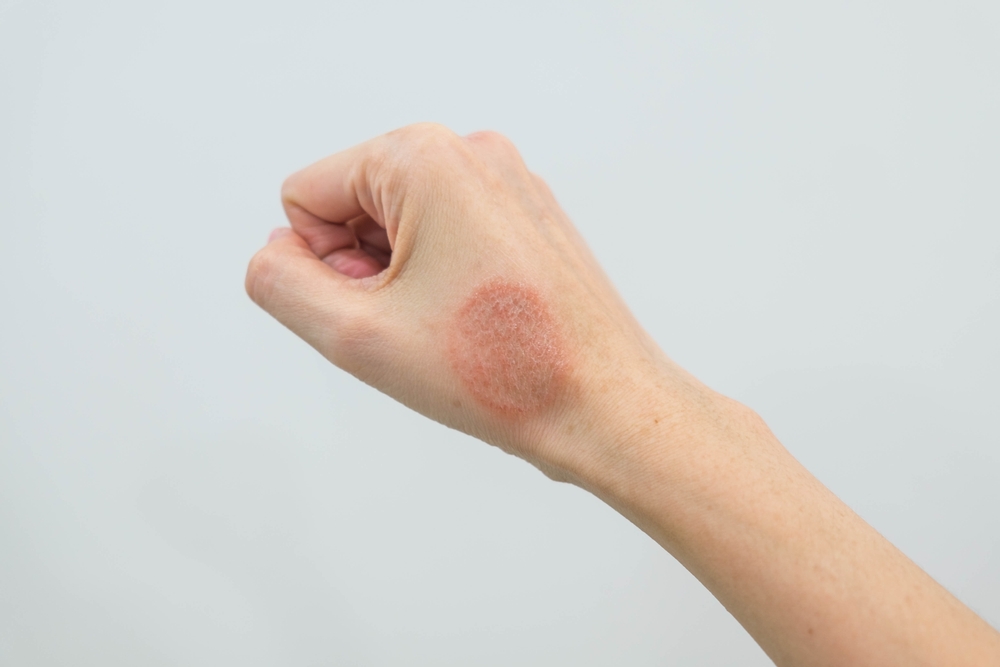
Symptoms may include fever, chills, low blood pressure, and painful skin lesions. In wound infections, the affected area may become red, swollen, and discolored, sometimes forming blisters.
In the most serious cases, the infection can lead to necrotizing fasciitis, a condition where surrounding tissue begins to die. This can require emergency surgery and, in some cases, amputation.
Statistics from health authorities indicate that about one in five people with severe Vibrio vulnificus infections may die, sometimes within one to two days of becoming ill.
Why Speed Matters So Much
The danger lies in how quickly the bacteria can overwhelm the body. Unlike many infections that develop gradually, Vibrio vulnificus can enter the bloodstream and begin causing systemic damage in a very short time.
This means that delays in seeking treatment can significantly increase the risk of severe outcomes. Early symptoms may seem manageable, but they can escalate rapidly, making immediate medical attention essential.
Doctors often rely on a combination of antibiotics and, in severe cases, surgical intervention to remove infected tissue. In some situations, amputation is necessary to prevent the infection from spreading further.

Why This Is Happening Now
Researchers point to a combination of environmental and human factors that are contributing to the spread of this bacteria in regions where it was previously less common.
Rising Water Temperatures
Warmer waters create ideal conditions for Vibrio bacteria to grow and multiply. Climate change has led to increased water temperatures in many coastal regions, extending the range and duration of bacterial activity.
What was once primarily a concern in southern states is now appearing further north, including New York.
Scientists warn that as global temperatures continue to rise, the geographic range of these bacteria may expand even further, potentially affecting new regions that have not previously faced this risk.
Nitrogen Pollution and Runoff

Another major factor is nitrogen runoff from land sources. In Suffolk County, hundreds of thousands of aging septic systems and cesspools are releasing nitrogen into nearby waterways.
This excess nitrogen fuels the growth of algae, leading to harmful algal blooms that degrade water quality. As algae die and decompose, oxygen levels in the water drop, creating conditions that further support bacterial growth.
A Compounding Effect
The combination of warming waters, nutrient pollution, and changing ecosystems has created what researchers describe as a perfect storm. Each factor amplifies the others, increasing the likelihood of harmful bacteria thriving in these environments.
This interconnected system highlights how environmental issues rarely exist in isolation. Instead, they build upon one another, creating challenges that are more complex and more difficult to address.
The Role of Harmful Algal Blooms
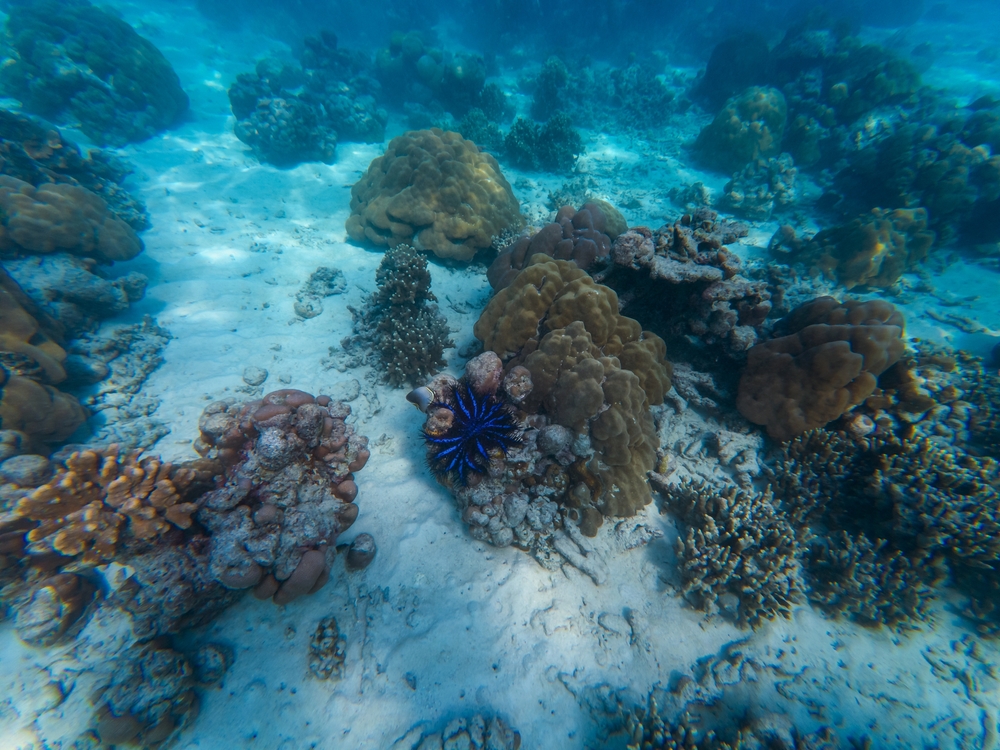
The issue is not limited to bacteria alone. Scientists have also observed an increase in harmful algal blooms across Long Island waters.
These blooms can produce toxins that affect both marine life and humans. In some areas, shellfish have been found to contain neurotoxins that are far more potent than cyanide.
This has led to restrictions on shellfishing in certain locations and has impacted local industries that rely on clean water.
Additionally, there have been reports of animals, including dogs, becoming sick or dying after exposure to contaminated water.
Effects on Marine Ecosystems
Harmful algal blooms can create low oxygen zones, often referred to as dead zones, where marine life struggles to survive.
Fish, shellfish, and other organisms may die or migrate away, disrupting the balance of the ecosystem and affecting local economies.
In some parts of Long Island, shellfishing areas have been temporarily closed due to the presence of toxins such as saxitoxin, which can cause serious illness or even death if consumed.
A Community Facing Uncertainty
For residents living near these waters, the issue is not just scientific. It is deeply personal.
Many people rely on these environments for recreation, livelihood, and a sense of identity. Fishing, boating, and swimming are not just activities. They are part of everyday life.
Hearing that these same waters may carry a potentially deadly bacteria creates a sense of unease. Some residents have expressed concern about the timing, especially as summer approaches and outdoor activity increases.
At the same time, experts emphasize that awareness and precaution can go a long way in reducing risk.
Who Is Most at Risk
While anyone can become infected, certain groups are more vulnerable to severe illness. These include:
- Individuals with weakened immune systems
- People with chronic conditions such as liver disease, diabetes, or cancer
- Older adults
- Those taking medications that reduce stomach acid
People in these groups are more likely to experience complications and should take extra precautions when interacting with coastal waters or consuming seafood.
Understanding personal risk factors can help individuals make informed decisions about their activities.
Warning Signs That Should Not Be Ignored
Recognizing the symptoms early can make a significant difference in outcomes.
Common Symptoms:
- Diarrhea
- Stomach cramps
- Nausea and vomiting
- Fever and chills
Severe Symptoms:
- Rapidly worsening skin infections
- Blistering lesions
- Severe pain around a wound
- Low blood pressure
Anyone experiencing these symptoms after exposure to coastal water or seafood should seek medical attention immediately.
Medical professionals stress that it is better to act quickly rather than wait, especially given how rapidly the infection can progress.
Practical Steps to Stay Safe

While the risks are serious, there are practical measures people can take to reduce their chances of infection.
Before Entering the Water
- Avoid swimming with open wounds or cuts
- Cover any existing wounds with waterproof bandages
After Water Exposure
- Wash thoroughly with clean water and soap
- Monitor for any unusual symptoms
Food Safety Measures
- Avoid eating raw or undercooked shellfish
- Ensure seafood is properly cooked and handled
General Awareness
- Check local advisories before swimming or fishing
- Stay informed about water quality conditions in your area
Taking these precautions does not eliminate risk entirely, but it significantly reduces the likelihood of exposure.
Not All News Is Negative
Despite the concerning findings, there are signs that intervention and environmental management can make a difference.
In parts of Long Island Sound, improvements in wastewater treatment have significantly reduced nitrogen pollution. This has led to a reduction in low oxygen zones over time.
Efforts such as introducing oysters, clams, and kelp into waterways have also shown promise. These organisms naturally filter water and help remove excess nutrients.
There are also programs offering financial support to homeowners to upgrade outdated septic systems, which can reduce nitrogen runoff and improve water quality.
These examples demonstrate that while the problem is serious, it is not without solutions.
Lessons Beyond Long Island
The situation unfolding in Long Island offers insights that extend beyond a single region.
It illustrates how environmental changes can directly impact public health in ways that are not always immediately visible. It also highlights the importance of proactive measures, both at the individual and community levels.
Other coastal areas may face similar challenges as temperatures rise and ecosystems shift. Learning from current research and responses can help prepare for what lies ahead.
A Changing Relationship With Nature
The emergence of flesh eating bacteria in new regions reflects broader changes in the environment. It highlights how human activity, infrastructure, and climate patterns can interact in complex ways.
What was once considered a rare or distant risk is becoming more visible in everyday settings. This shift challenges assumptions about safety and underscores the importance of adapting to new realities.
It also serves as a reminder that natural systems are dynamic. When conditions change, the effects can ripple through ecosystems and communities alike.

What This Means for the Future
The situation in Long Island may be a preview of what other regions could experience as environmental conditions continue to evolve.
Warmer waters, increased pollution, and shifting ecosystems may create similar risks elsewhere. Monitoring, research, and public awareness will play key roles in managing these challenges.
At the same time, the progress seen in certain areas shows that action can lead to measurable improvements.
Investment in infrastructure, environmental protection, and public education can help reduce risks and protect both ecosystems and human health.
Awareness Without Panic
The discovery of flesh eating bacteria in Long Island waters is understandably alarming. The idea that a simple swim could lead to a life threatening infection within days is difficult to ignore.
However, the situation calls for awareness rather than panic. Understanding how the bacteria spreads, recognizing symptoms, and taking preventive steps can significantly reduce risk.
This is also a reminder of the broader connection between environmental health and human health. Cleaner water, better infrastructure, and responsible practices do not just protect ecosystems. They protect people as well.
As summer approaches, the message from scientists is clear. Enjoy the water, but do so with caution, knowledge, and respect for the changing conditions beneath the surface.