
Your cart is currently empty!
Woman Gives Birth On Packed Flight After Crew Makes Urgent Call For Help
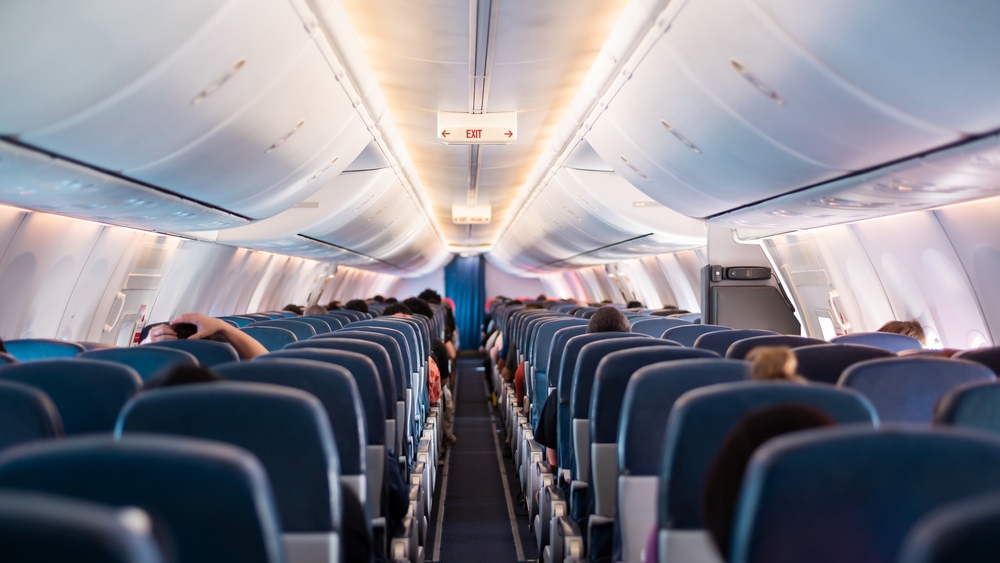
A routine cross-country flight turned into a high-stakes medical emergency when passengers suddenly found themselves part of a live birth happening thousands of feet in the air. What began as an ordinary five-hour journey quickly transformed into a moment filled with urgency, uncertainty, and a level of human coordination that no one on board had prepared for when they first took their seats.
Contents
show
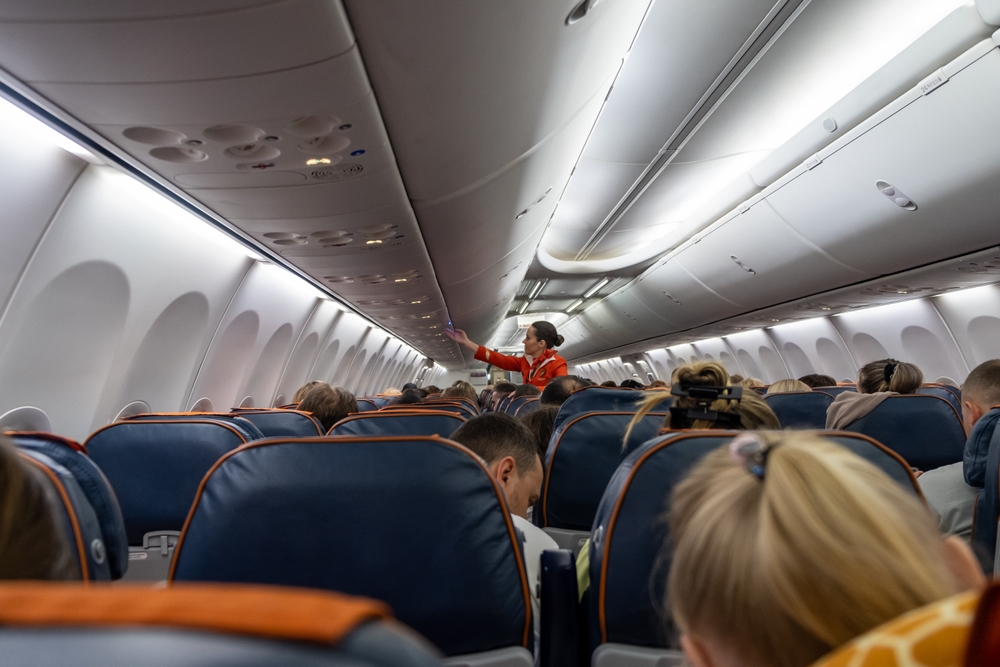
Inside the aircraft, the calm and predictable rhythm of travel was disrupted in a matter of minutes as a pregnant passenger began experiencing strong, closely timed contractions. With no hospital nearby, no specialized equipment, and no option to delay what was unfolding, the cabin became an improvised delivery space where strangers had to act quickly, trust each other, and work together to bring a new life safely into the world.
Passenger Goes Into Labor Mid-Flight
The incident took place on Delta Air Lines flight 478, which had departed from Atlanta and was en route to Portland on April 24. The passenger, identified as Ashley, began experiencing contractions that escalated rapidly in intensity, making it clear that the situation could not wait until the plane reached its destination. The timing created immediate pressure, as there was still a significant portion of the flight remaining and no medical facility within reach.
A flight attendant made an urgent announcement over the intercom, asking if any medical professionals were present on board. The request was direct and carried a sense of urgency that quickly spread throughout the cabin, shifting the mood among passengers who suddenly realized they were witnessing a real-time emergency unfold just a few rows away from them.
Within moments, individuals with medical training responded to the call, stepping out of their seats and into a situation that required immediate attention. The confined environment of the aircraft presented obvious challenges, but there was no alternative. The focus shifted entirely to assisting Ashley as her labor progressed faster than expected, leaving no time for hesitation or delay.
Strangers Step Up In A Critical Moment
Among the passengers were Tina Fritz and Kaarin Powell, two emergency medical technicians who were returning from a vacation together. Their presence turned out to be crucial, as they immediately stepped forward and began assessing the situation with the calm urgency that comes from experience. They were not on duty, nor were they expecting to be placed in such a situation, yet their training made them the most capable individuals on board to take control.
Fritz later described how quickly everything escalated once they were alerted to what was happening. “Then the steward came up to us and he goes, ‘Hey, we have a lady up front who thinks she’s going into labor. Contractions are about three minutes apart. Can you guys check her out?’ ” The message made it clear that this was not a precautionary check but an active labor that was already well underway.
The responsibility fell on them instantly, and without hesitation, they moved forward to assist. In a confined aircraft cabin, surrounded by passengers and limited by space and resources, they had to rely on their training and ability to stay composed under pressure while managing a situation that typically unfolds in a fully equipped medical environment.

Limited Supplies, High Stakes
One of the most immediate challenges was the complete absence of proper medical equipment for childbirth. Commercial aircraft are not designed to handle situations like this, and there was no obstetrics kit available on board, forcing the EMTs to improvise every step of the process using whatever materials they could gather from the crew and fellow passengers.
Fritz explained how they adapted under pressure and began assembling what they needed from scratch. “I asked for an OB kit, which they did not have. I asked for blankets, which they did not have. So I was like, okay, we need to get blankets from passengers.I need some shoestrings. So the flight attendant took his shoestring out, cut it for us,” she said. The situation required quick thinking, and even the smallest resources became essential tools.
Passengers responded immediately, offering blankets and creating space where possible, while the crew worked to coordinate efforts and maintain order. The cabin, never intended for medical procedures, became a makeshift delivery room where every available resource was repurposed to support the process.
A Rapid Delivery
Ashley’s labor progressed quickly, leaving little time for preparation or contingency planning. The EMTs recognized that the baby would arrive before the plane could land, making it necessary to proceed with the delivery right there in the aircraft cabin. The situation required full focus, as there was no room for delay or error.
The delivery itself happened faster than expected, adding intensity to an already high-pressure moment. “Within three really good pushes, the baby was out and doing perfect. Mom was a rock star, like, mom did so good,” Fritz said. The speed of the birth meant that both mother and baby stabilized quickly, but it also required immediate action to ensure everything was handled safely.
After the baby was born, the EMTs continued working to ensure the infant was breathing properly and that Ashley was stable. Despite the unusual and challenging environment, the process was managed with a level of calm that reflected both their training and their ability to adapt under pressure.

A Birth Just Minutes Before Landing
The baby was delivered approximately 30 minutes before the plane reached Portland, creating a unique overlap between an ongoing medical emergency and the aircraft’s scheduled descent. As the plane began preparing to land, the responders were still focused on stabilizing both mother and child in an environment that offered very little room for movement or adjustment.
Fritz described the tension during those final moments as the aircraft touched down. “I cut the cord and we wrapped her up, and they’re like, the plane is touching down, so Kaarin grab the seat. And I grabbed the seat. We didn’t get anything buckled, and we just landed,” she said. The urgency did not ease until the plane was safely on the ground.
Once the aircraft taxied in, the atmosphere inside the cabin shifted dramatically from tension to relief. “Then, we gave baby back to mom, and we taxied in, so the whole plane cheered for mom. It was great.” What had been a high-stress situation moments earlier turned into a shared moment of celebration among everyone on board.
What Made This Situation So Unusual
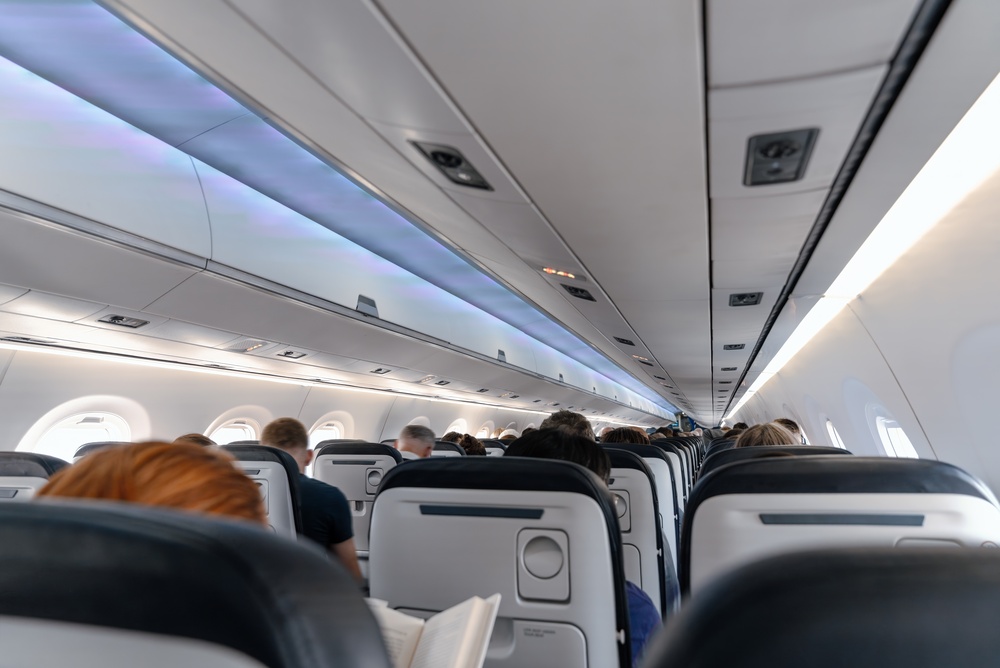
Mid-air births are extremely rare, particularly in commercial aviation where conditions are not designed to support medical procedures of this nature. The situation stood out not just because of the birth itself, but because of the combination of challenges that had to be managed simultaneously in a confined and resource-limited environment.
- No proper medical equipment: The absence of an OB kit meant that responders had to improvise critical tools using everyday items available on board
- Confined environment: The narrow cabin space limited movement and made positioning during delivery more difficult
- Rapid progression of labor: The speed at which labor advanced left no time to prepare or delay
- Dependence on passengers: The outcome relied heavily on the presence and actions of trained individuals who happened to be on the flight
Each of these factors could have complicated the situation significantly, yet the coordinated response ensured that both mother and baby remained safe throughout the process.