
Your cart is currently empty!
Iran Strikes Caused More Damage to US Bases Than Officials Revealed
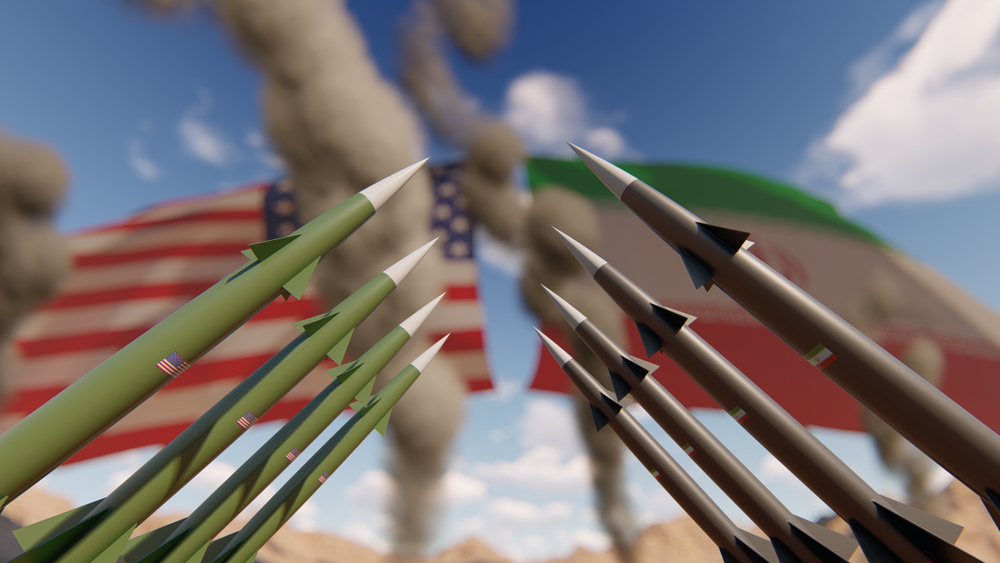
The official version suggested limited impact. What officials are saying behind closed doors points to something far more serious.
Contents
show
New reporting indicates Iran’s recent strikes across the Middle East caused deeper and broader damage to US military infrastructure than the Pentagon has publicly disclosed. Lawmakers are now pushing for answers, and the silence is starting to draw attention.
A Wider Pattern Of Strikes Across The Region
According to reports citing US officials and congressional aides, Iranian strikes since February 28 have hit American-linked facilities in at least seven countries.
This was not a single-location incident. It was a coordinated wave targeting multiple layers of military capability, spread across a wide geographic area that includes key US operational hubs in the Gulf.
The strikes reportedly hit a mix of operational and support infrastructure, suggesting an effort to weaken the system rather than just score symbolic hits. Warehouses, command centres, aircraft hangars, runways, radar systems, satellite communications networks, and even military aircraft were all reportedly affected.
- Warehouses storing military supplies
- Command centres coordinating operations
- Aircraft hangars and maintenance facilities
- Runways used for deployment and response
- Radar systems tied to air defence
- Satellite communication networks
- Military aircraft on the ground
Each of these plays a role in how the US projects power in the region. Disrupting them creates ripple effects beyond the immediate damage. When supply depots are hit, logistics slow down. When command centres are impacted, coordination becomes harder. When aircraft and runways are damaged, response times are affected.
Officials familiar with internal assessments say the cumulative effect is what stands out, with multiple systems impacted at once rather than isolated damage. This kind of layered disruption is more difficult to repair quickly and forces military planners to adapt in real time.
The fact that strikes occurred across multiple countries also complicates recovery. Each location operates under different logistical constraints, local partnerships, and operational priorities. Repairing one base is a challenge. Repairing several across different nations at the same time introduces delays and competing demands.
Air Defences Failed To Stop Key Strikes

One of the most striking details in the reports is how some attacks managed to get through advanced US air defence systems.
For years, these systems have been presented as a key advantage, capable of intercepting incoming threats before they reach critical targets. The recent strikes suggest that assumption may need to be reassessed.
In one instance, an older Iranian F-5 fighter jet was reportedly able to carry out a successful strike. The aircraft is considered outdated compared to modern platforms, which has raised concerns about potential gaps in detection or response systems.
Officials were reportedly surprised by this development. The expectation had been that legacy aircraft would struggle to operate effectively against modern defence systems. The fact that one managed to penetrate those defences has prompted questions about how those systems perform under pressure.
Beyond this single case, some strikes are believed to have targeted radar installations themselves. Radar is a critical component of any air defence network. If those systems are degraded or disabled, the ability to detect and track incoming threats is reduced.
That creates a cascading effect. Once detection becomes less reliable, interception becomes more difficult. That, in turn, increases the chances of additional strikes landing successfully.
There is also concern about the possibility of coordinated tactics designed to overwhelm defences. Multiple incoming threats, combined with attacks on detection systems, can stretch even advanced networks beyond their limits.
These developments do not necessarily mean the defence systems failed entirely. However, they do suggest that under certain conditions, those systems can be challenged in ways that were not fully anticipated.
Pentagon Faces Backlash Over Lack Of Transparency
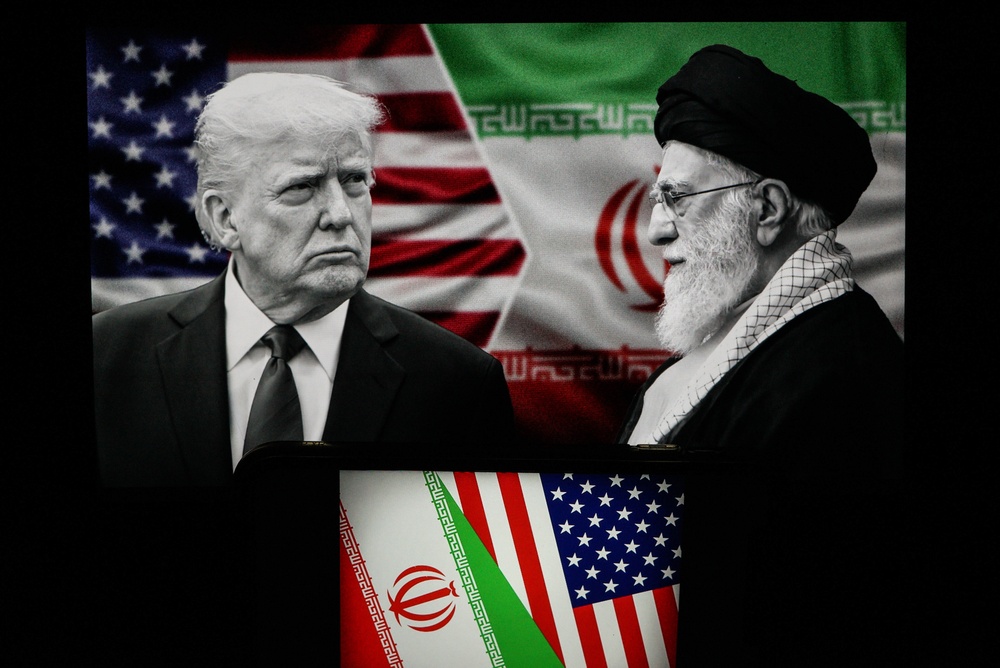
Despite the scale of the reported damage, the Pentagon has not publicly detailed the full extent of what was hit.
US Central Command has declined to comment on battle damage assessments, and official briefings have remained limited. That silence is now becoming a central part of the story.
Some Republican lawmakers have privately expressed frustration over the lack of information. One congressional aide was quoted as saying, “No one knows anything. And it’s not for lack of asking. We have been asking for weeks and not getting specifics, even as the Pentagon is asking for a record high budget.”
The frustration is tied to timing. Requests for increased defence funding are happening alongside limited disclosure about losses and damage. Lawmakers argue that without clear information, it becomes difficult to evaluate the scale of the situation or the resources required to address it.
There are several possible reasons for withholding details. Operational security is often cited as a key factor. Revealing the extent of damage could expose vulnerabilities that adversaries might exploit.
Another factor is strategic messaging. Publicly acknowledging large-scale damage could alter perceptions of the conflict, both domestically and internationally. It could influence public opinion, diplomatic positioning, and even adversary behaviour.
At the same time, limited transparency carries its own risks. It can erode trust among policymakers and create uncertainty about the true state of military readiness.
The tension between secrecy and accountability is not new, but in this case it is becoming more visible as reports continue to surface.
Billions In Damage And A Growing Cost Of Conflict
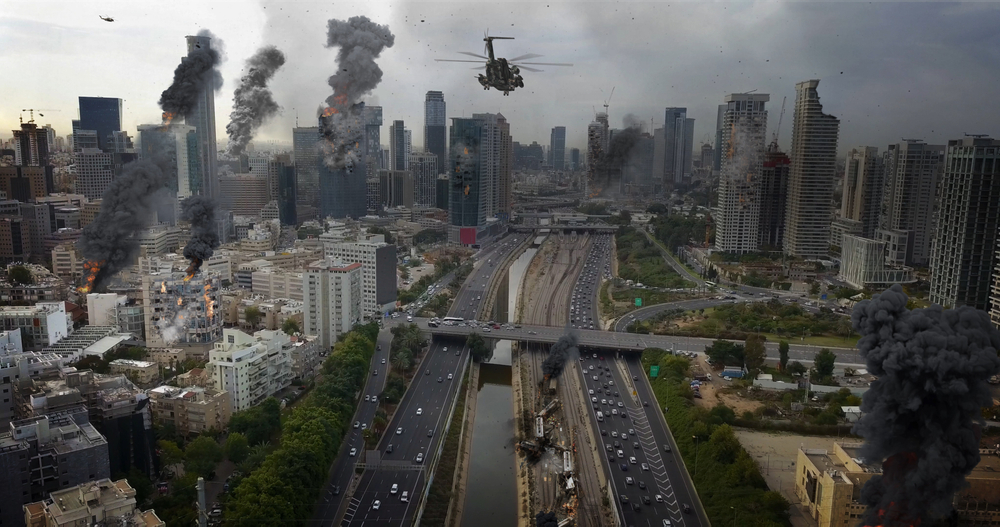
Repairing damaged infrastructure across multiple countries is expected to cost billions of dollars.
The financial impact extends beyond replacing destroyed equipment. It includes restoring the systems that allow US forces to operate effectively across the region.
Estimates suggest that in just the first six days of fighting, US spending on munitions alone reached between $11 billion and $12 billion, roughly $2 billion per day. Those figures highlight how quickly costs can escalate during sustained military operations.
At the same time, the Pentagon has reportedly sought more than $200 billion in additional funding from Congress to sustain operations and replenish stockpiles. That request reflects both current needs and anticipated future demands.
The cost of repairs adds another layer. Runways need to be rebuilt, radar systems restored, communication networks repaired, and damaged aircraft either fixed or replaced. Each of these processes requires specialized equipment, skilled personnel, and coordination across multiple agencies.
There is also the issue of timing. Some repairs can be completed relatively quickly, while others may take months or longer. During that period, affected bases may operate at reduced capacity, which can influence broader military planning.
The financial burden is not limited to immediate repairs. Long-term maintenance, upgrades, and defensive improvements may also be required to prevent similar damage in the future.
Taken together, these costs contribute to a growing financial strain that extends beyond the battlefield.
Strategic Questions Are Now Back On The Table
The scale of the reported damage is triggering a broader debate in Washington about the current US military presence in the region.
Maintaining bases close to Iran has long been part of US strategy. These locations provide rapid response capability and allow for sustained operations across key areas.
However, the recent strikes highlight the risks that come with that proximity.
If bases are within reach of coordinated attacks, they may become more vulnerable during periods of escalation. That vulnerability raises questions about whether the benefits of proximity outweigh the risks.
Some policymakers are expected to revisit how forces are distributed and defended. This could involve strengthening air defence systems, redistributing assets to less exposed locations, or reassessing which bases remain essential.
There is also the question of deterrence. A strong regional presence is intended to discourage adversaries from taking aggressive action. At the same time, visible vulnerabilities could influence how that deterrence is perceived.
The debate is not limited to military strategy. It also involves political considerations, alliances, and long-term regional stability.
As more details about the damage emerge, these discussions are likely to become more prominent.
The Operational Impact Goes Beyond Physical Damage
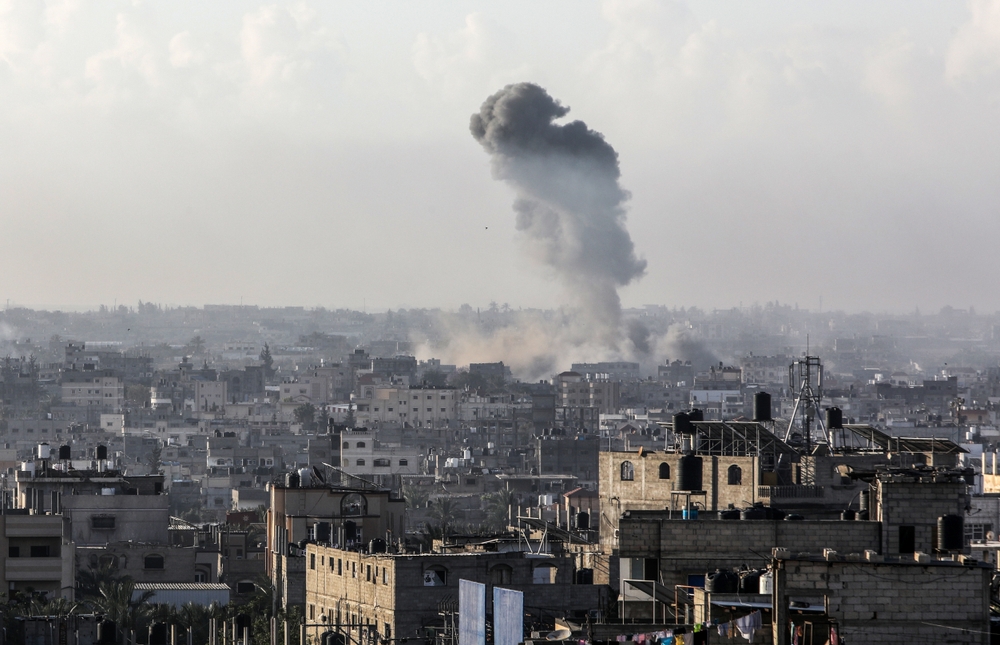
While headlines focus on destroyed infrastructure, the operational consequences may be just as significant.
Damage to communication systems can slow coordination between units. Hits on radar systems can reduce detection capability. Runway damage can delay deployments and limit response times. These effects are not always visible, but they shape how military operations unfold in real time.
Even temporary disruptions can have lasting consequences. Delays in deployment can alter timelines. Reduced communication can affect decision-making. Limited detection capability can increase risk during ongoing operations.
There have also been reports of casualties, including deaths and injuries among US service members. Beyond the human cost, such incidents affect morale and planning, forcing commanders to balance recovery with ongoing operations.
Logistical challenges add another layer. Moving equipment, coordinating repairs, and maintaining supply chains across multiple countries requires significant effort and planning.
These factors combine to create a situation where the impact of the strikes extends well beyond the immediate damage.
A Conflict That Is Becoming Harder To Contain
What began as a series of retaliatory strikes is now evolving into a more complex situation.
The US is dealing with rising costs, infrastructure damage, and questions about defence effectiveness, all at the same time. Each layer adds pressure to decision-making at both military and political levels.
There is also the broader regional context to consider. Tensions between the US and Iran have been building, and these strikes represent a significant escalation within that ongoing dynamic.
With each new development, the risk of further escalation remains present. Miscalculations, retaliatory actions, and shifting alliances can all influence how the situation evolves.
Officials have not yet outlined a detailed recovery plan or long-term response strategy. What is clear is that the situation is under closer scrutiny than before.
The reported damage has shifted the conversation. It is no longer only about the strikes themselves, but about what those strikes revealed about vulnerabilities, costs, and the future of US military strategy in the region.
The next phase will depend on how those lessons are interpreted and acted upon, both in Washington and on the ground across the Middle East.