
Your cart is currently empty!
A Lobster Pulled From The Ocean Left Fishermen Doing A Double Take
A routine fishing trip off Cape Cod turned into something that left seasoned fishermen staring in disbelief, because what they pulled from the ocean did not resemble anything you would expect to see in a standard catch. The lobster sitting in their trap looked like two completely different animals fused into one, with a clean, almost surgical divide separating its body into two distinct colors that ran from its head all the way down to its tail, forcing everyone on deck to stop and take a closer look.
Contents
show
What made the moment even more surreal was how precise the split appeared, as if nature had drawn a perfect line through the creature and assigned each half a different identity. One side carried the familiar mottled brown that helps lobsters blend into the ocean floor, while the other glowed in a vivid orange tone that looked more like it belonged after cooking than in the wild, instantly turning a routine day at sea into a story that spread far beyond the docks and into wider public fascination.

The Catch That Stopped Everyone In Their Tracks
Fishermen working off Cape Cod on April 16 were expecting a normal haul, the kind they had seen countless times before during the busy spring season when traps are regularly filled and sorted without much surprise. Instead, when they brought up their gear, they found themselves looking at a lobster that felt almost unreal, forcing them to pause and double-check what they were seeing to make sure it was not simply a trick of the light or a momentary illusion caused by water and movement.
The contrast between the two halves was impossible to ignore, with one side showing the standard brown shell that helps lobsters stay hidden in their natural habitat while the other side displayed a bright orange tone that stood out immediately and seemed almost out of place in the wild. The division was not patchy or uneven in any way, but instead ran cleanly through the body from top to bottom, creating a near-perfect split that made the lobster look like two different specimens that had somehow been seamlessly joined together.
It quickly became clear that this was not just another oddly colored lobster, but something far rarer that demanded attention beyond the fishing boat and beyond the usual seafood process. Even experienced crew members, who had likely seen unusual catches over the years, recognized that this was something they might never encounter again, making the moment feel far more significant than an ordinary day at sea.
Why This Lobster Is So Rare
Unusual lobsters are not entirely unheard of in New England waters, especially during the warmer months when fishing activity increases and more catches are brought to shore, revealing occasional surprises among the usual harvest. Every season, there are reports of lobsters showing unexpected colors, and those alone are often enough to draw curiosity from both scientists and the public who are intrigued by rare natural variations.
Not Your Typical Color Mutation
Most of these unusual lobsters display a single rare color that sets them apart from the typical brown shell seen in the majority of the species, making them interesting but still somewhat familiar within scientific discussions. Some appear blue due to genetic quirks, others show up in bright orange, and a few develop calico patterns or even soft pastel shades that have earned them the nickname “cotton candy” lobsters because of their unusual and almost playful appearance.
- Blue lobsters
- Bright orange lobsters
- Calico-patterned lobsters
- “Cotton candy” lobsters
These variations happen because of genetic mutations that affect how pigments bind with proteins in the shell, changing how light reflects off the surface and giving each lobster its unusual appearance in a way that can vary widely depending on the exact mutation involved. While rare, these single-color mutations are still far more common than what fishermen found off Cape Cod, which makes this particular lobster stand out even among other unusual discoveries.
A Perfect Split Is Something Else Entirely
What makes this lobster stand out is not just its color, but the fact that it carries two completely different colors in a perfectly divided pattern that appears almost too precise to occur naturally at first glance. This kind of symmetry is far less common and points to a different biological process than standard pigment mutations, making it a subject of interest not just for curiosity but for scientific understanding as well.
Scientists explain that a two-colored lobster can occur because two lobster eggs fused and grew as one animal, creating a single organism with two distinct halves that develop separately in terms of coloration and sometimes other traits. The result is a striking visual split that looks almost designed, yet is entirely a product of natural development occurring in a rare and unusual way.
The Decision That Saved It From The Pot
When fishermen bring in a catch, the expectation is usually straightforward, with most lobsters heading directly toward the seafood market and eventually onto someone’s plate without much second thought. That routine did not apply in this case, because the moment this lobster was seen and understood for what it was, it became clear that treating it like any other catch would mean losing something truly rare and worth preserving.
A Quick Call Changed Everything
The team at Wellfleet Shellfish Co. immediately recognized the significance of what had been found and chose to take a different route that would allow the lobster to be studied and appreciated rather than consumed. Instead of sending it through the normal supply chain, they made the decision to preserve it, describing it as a “remarkable and exciting find” and ensuring it would be seen by far more people than a typical catch ever would.
Their choice transformed the lobster from a fleeting curiosity into a lasting exhibit, allowing scientists, visitors, and curious onlookers to observe something that most people would otherwise never encounter in person, while also highlighting how rare discoveries can change the usual course of events.
Where The Lobster Is Now
“The lobster is now with Woods Hole Science Aquarium’s animals currently being housed in holding tanks at the Marine Biological Laboratory during the aquarium’s construction period. When the aquarium reopens, the lobster will be on display, offering visitors a rare look at one of the ocean’s most striking natural anomalies,” the shellfish company said in a statement.
For now, the lobster remains in expert care, monitored and maintained in conditions that ensure its well-being while it waits for the aquarium to reopen, at which point it is expected to become one of the most talked-about attractions for visitors.
Scientists Have Seen This Before But Rarely
While divided lobsters have been documented in scientific circles and discussed in marine biology research, they are not something that appears frequently enough to be considered familiar or predictable. Each sighting adds to a relatively small collection of known examples, giving researchers a rare opportunity to better understand how such unusual formations occur and what they reveal about marine life development.
How It Actually Happens
Marine science experts point to a rare developmental event in which two fertilized eggs merge at an early stage, growing into a single organism that retains characteristics from both, including differences in coloration that become clearly visible as the lobster matures. This process leads to a clear division in physical traits, which explains the sharp contrast seen in this lobster and the clean separation between its two halves.
Because each half develops with its own genetic instructions influencing pigment and structure, the final result can appear almost symmetrical, creating the kind of clean split that makes these lobsters so visually striking and instantly recognizable as something unusual.
Why Exact Numbers Are Hard To Pin Down
There are often claims about how rare different lobster colors are, with some suggesting odds that sound almost unbelievable, but scientists caution that these figures are rough estimates rather than precise measurements. Many unusual catches go unreported or are never studied in detail, which makes it difficult to determine exactly how often these rare variations occur in the wild.
Environmental factors, regional fishing activity, and simple chance all play a role in how often these lobsters are discovered, meaning that each confirmed sighting becomes an important piece of a larger puzzle that researchers are still trying to fully understand.
The Internet’s Obsession With Weird Lobsters
Even before reaching public display, lobsters like this tend to capture attention far beyond the fishing community, spreading quickly as images circulate and people react to something that looks so different from what they expect. The unusual appearance creates immediate curiosity, drawing in viewers who might not otherwise pay attention to a typical fishing story.
People Can’t Look Away
There is a strong visual impact that comes with seeing a perfectly divided lobster, one that challenges expectations and creates a sense of disbelief that encourages people to take a closer look. The clean split and contrasting colors make it stand out instantly, turning it into a subject that people want to share and discuss.
Images of similar finds in the past have sparked widespread interest, and this lobster follows that same pattern, gaining attention simply because it looks so different from what people are used to seeing in nature.
Stories like this resonate because they combine something familiar with something unexpected, creating a contrast that captures attention quickly and keeps people engaged. Everyone knows what a lobster is supposed to look like, so when that expectation is disrupted in such a clear and dramatic way, it becomes something worth talking about.
It turns an ordinary fishing story into something memorable and widely shared, giving it a reach that extends far beyond the coastline where it was first discovered.
What Makes Lobsters Change Color At All
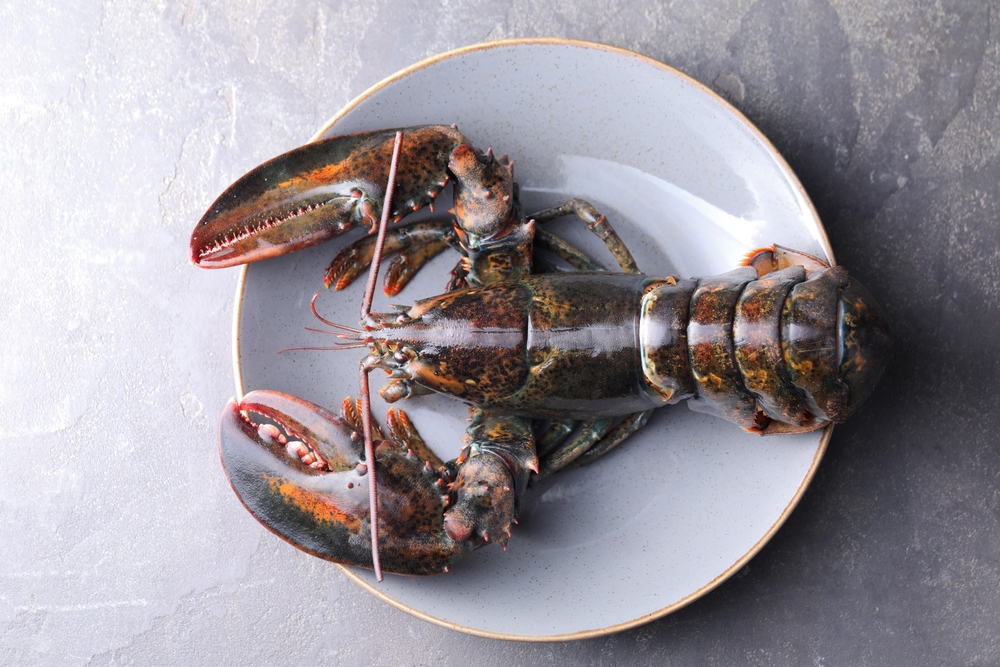
The typical lobster is designed to blend into its surroundings, with a shell that helps it stay hidden from predators along the ocean floor, which is why most people are used to seeing them in muted, natural tones. When that pattern changes, it becomes immediately noticeable and often surprising.
Lobster shells contain pigments that interact with proteins, and when those proteins are altered by genetic mutations, the resulting colors can shift in unexpected ways that produce rare variations. This is how blue, orange, and multicolored lobsters come into existence, each representing a different outcome of how those pigments are expressed.
These changes are not just cosmetic, but reflect deeper biological differences that scientists continue to study in order to better understand how genetics and environmental factors influence marine species.
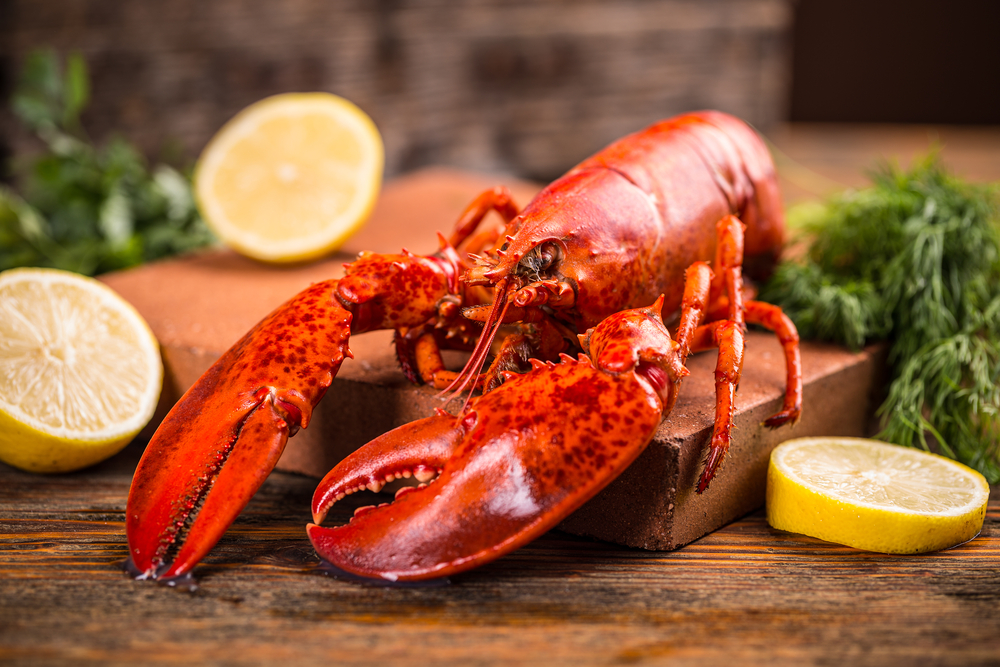
Most people are familiar with the bright red color of cooked lobster, but that transformation only happens when heat breaks down the proteins that normally mask the red pigment underneath the shell. In the wild, those pigments remain hidden, which is why seeing bright colors before cooking is so unusual and immediately eye-catching.
This makes naturally orange or multi-colored lobsters especially striking, because they display colors that are typically only revealed after cooking, giving them an appearance that feels both familiar and unexpected at the same time.
A Rare Find That Will Now Be Seen By Thousands
Instead of disappearing into a kitchen, this lobster is set to become a centerpiece attraction when the aquarium reopens, giving visitors a chance to see something that few people ever encounter in real life. Its presence will transform a single moment at sea into an experience shared by thousands who come to see it up close and understand what makes it so unusual.
For the fishermen who pulled it from the water, the discovery changed an ordinary day into something unforgettable, showing that even in familiar waters, there are still surprises waiting just beneath the surface, ready to turn a routine catch into a story that captures widespread attention.