
Your cart is currently empty!
EU Says Every Phone Sold in Europe Needs a Replaceable Battery Except, Perhaps, the iPhone
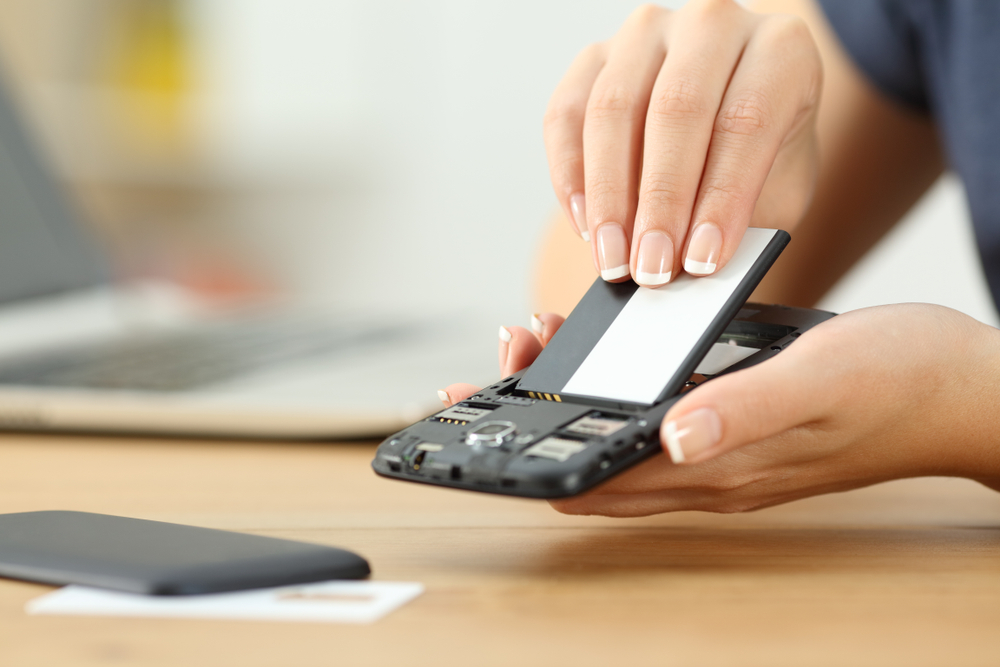
For years, European Union regulators have steadily changed how consumer electronics are designed, sold, and used across the bloc. First came age verification rules. Then app store reforms arrived, forcing major platforms to open up in ways their parent companies had long resisted. Most recently, the USB-C charging mandate pushed even Apple to abandon its Lightning connector after more than a decade of loyalty to a proprietary standard.
Contents
show
Each regulation landed with a mix of industry reluctance and public applause. Each one left manufacturers scrambling to adapt their product lines to meet European compliance deadlines. And each one signalled that Brussels was nowhere near finished with the consumer electronics sector.
Now, regulators have set their sights on phone batteries. Starting February 2027, any smartphone or tablet sold within the EU must carry a battery that users can remove and replace without professional assistance. On paper, the requirement sounds clear enough. In practice, it reopens a decade-old debate about whether phone makers have been prioritizing sleek design over consumer rights. It also raises an unexpected question about whether the manufacturer most publicly associated with resisting repairability laws may have cleared the very bar it spent years arguing against.
A Regulation Years in the Making
Few pieces of EU legislation arrive overnight, and battery repairability is no different. A European Commission proposal first landed in December 2020. From there, it moved through rounds of institutional negotiation before the European Parliament adopted it in June 2023. Now, with February 2027 set as the enforcement date, manufacturers have roughly a year to adapt.
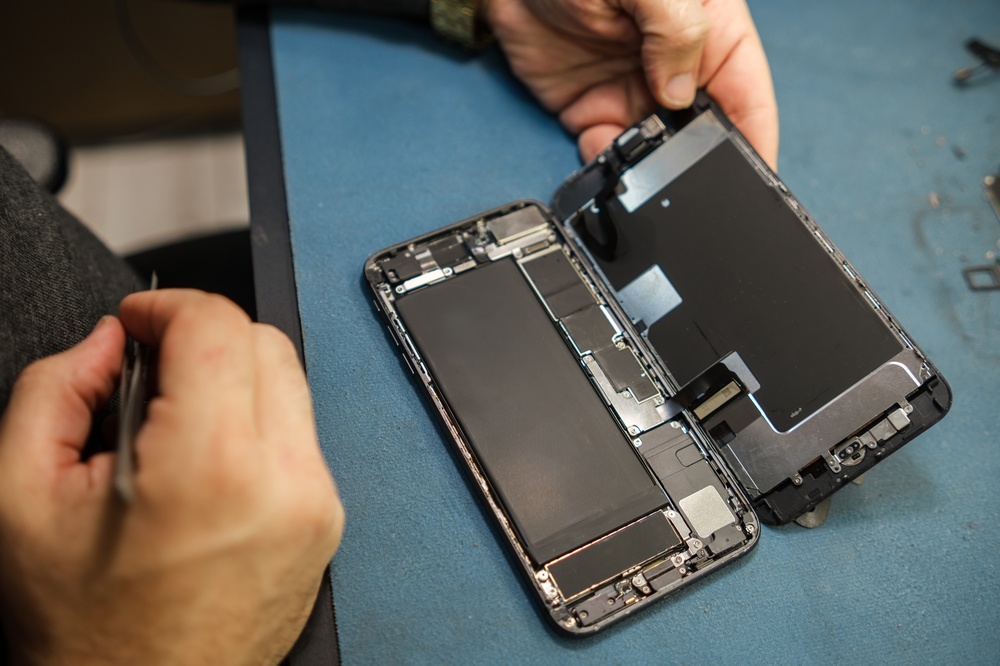
What the regulation demands is worth understanding precisely. Manufacturers must design batteries to be “readily removable and replaceable” by end users, without requiring specialized tools. Where specialized tools are needed, they must be provided free of charge at the point of purchase. No proprietary screws. No batteries are buried so deeply inside a device that only a trained technician can reach them. Replacement batteries for any given model must also remain commercially available for at least five years after the last unit of that model leaves production.
Worth clarifying here is what the regulation does not call for. A return to the pop-off backs and hot-swappable batteries that defined smartphones before water resistance became a standard feature is not on the table. Industry observers say a major structural redesign is unlikely. A more probable outcome is incremental change, perhaps a small disassembly tool included in the box, or battery panels secured with standard screws rather than adhesive and proprietary hardware. Phone makers have time to adapt, and most appear to be moving in that direction already.
Part of a Broader Push
Battery repairability sits within a larger regulatory package that has rolled out in stages since 2023. Under the same set of measures, all phones and tablets manufactured after 2024 must charge via USB-C. Software updates must remain available for at least five years from the date the last unit of a given model is sold, a requirement already in force since 2025.
Beyond consumer devices, the regulation covers electric vehicle batteries, industrial batteries, and batteries used in light transport such as e-bikes and e-scooters. Game consoles and smart glasses fall under its scope too. Medical devices and underwater equipment carry exemptions. Nintendo reportedly already built a battery-swappable Switch 2 in anticipation of the incoming rules.
Labelling requirements and an electronic “battery passport” with a QR code also form part of the package. Battery labelling standards apply from 2026, with the QR code requirement following in 2027.
Why Brussels Is Making the Case

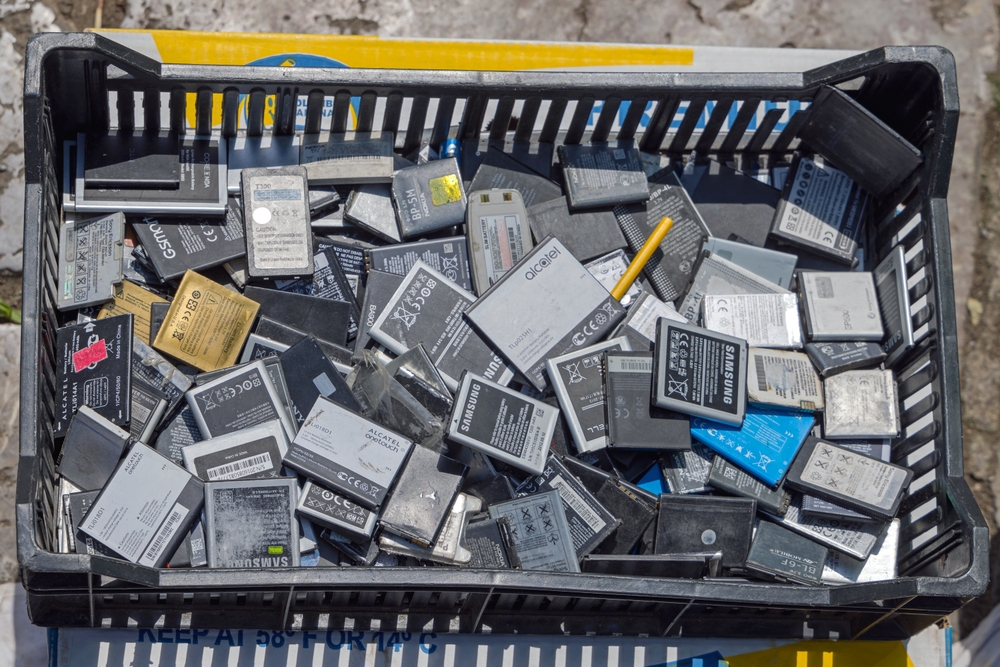
Stripped back, the regulation is environmental policy dressed in consumer-friendly language, and the numbers behind it make a reasonable case. Around 150 million smartphones and 24 million tablets are sold across the EU each year. That volume generates roughly five million tonnes of electronic waste annually, with less than 40% of it properly recycled.
Phone batteries are often the first component to fail in an otherwise functional device. When replacement costs run high and the process requires professional knowledge, consumers frequently choose to buy a new device rather than repair the one they already own. EU officials project that easier battery replacement could help European consumers save up to €20 billion collectively by 2030.
Teresa Ribera, Spain’s minister for ecological transition, framed the regulation in terms of resource dependency as much as environmental protection. “Batteries are key to the decarbonisation process and the EU’s shift towards zero-emission modes of transport. At the same time end-of-life batteries contain many valuable resources and we must be able to reuse those critical raw materials instead of relying on third countries for supplies. The new rules will promote the competitiveness of European industry and ensure new batteries are sustainable and contribute to the green transition.” she said.
Recycling targets accompany the repairability requirements. Producers must collect 63% of waste portable batteries by the end of 2027, rising to 73% by 2030. Lithium recovery targets stand at 50% by 2027 and 80% by 2031. Minimum recycled content levels are fixed for key materials, including cobalt, lead, lithium, and nickel.
The Industry Reads the Room
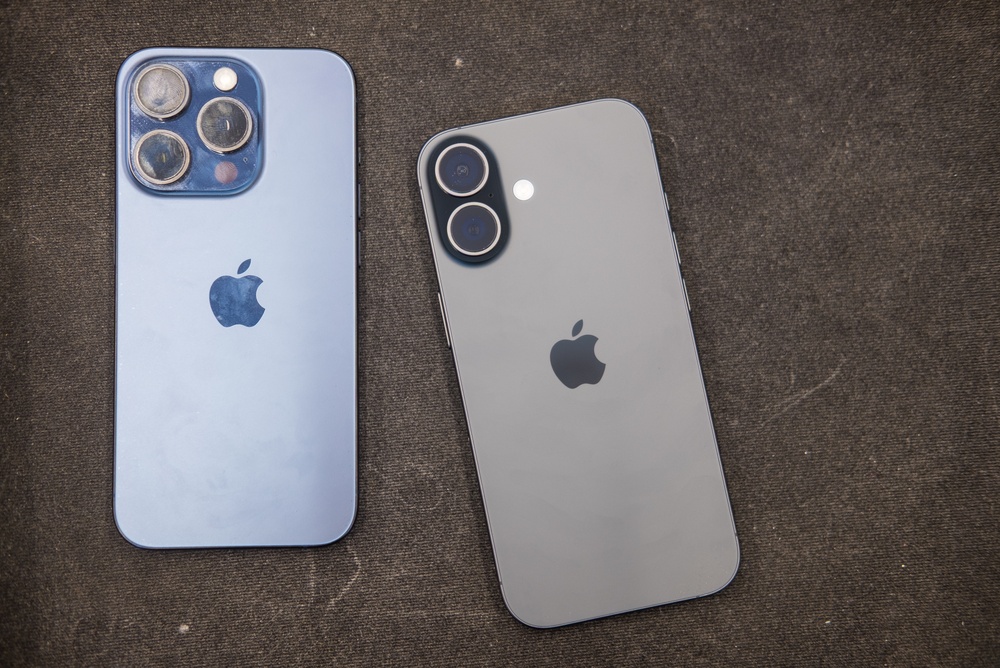
Phone makers have been on notice about right-to-repair legislation for several years, and some have already moved to get ahead of it. Apple launched a self-service repair programme giving users access to official parts, tools, and manuals for battery replacements and other common repairs. Apple built that programme, in part, around this incoming EU legislation and similar laws taking shape in other markets.
Apple’s incoming CEO, John Ternus, has spoken about repairability in public settings, saying he supports the right to repair broadly. His position comes with a caveat that reflects where Apple’s design philosophy has long sat. Ternus has argued that “repairability in isolation” is not always the best answer, and that making products that last matters more than making them easy to open up.
That argument, whatever one makes of it commercially, may have earned Apple a pass from the very rule it spent years resisting.
The Clause That Changes the Story
Buried in the regulation’s supporting documents is a provision that generated considerable discussion after surfacing on Reddit in April 2026. Devices whose batteries can maintain 80% capacity after 1,000 recharge cycles are exempt from the replaceable battery requirement. If a phone’s battery degrades slowly enough, regulators treat the repairability concern as addressed.
Apple meets that threshold on all models from the iPhone 15 onwards, per its official support documentation. Given that iPhone 15 launched in 2023, Apple has met the standard for several product generations already, even as it publicly pushed back against right-to-repair frameworks in the years leading up to those releases.
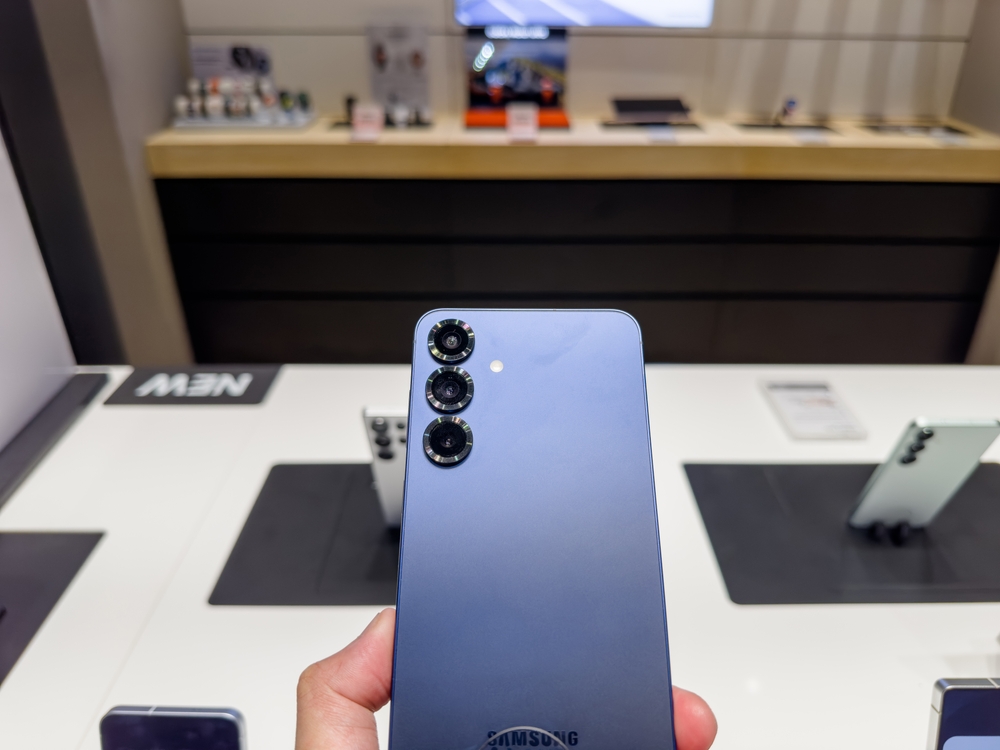
Apple is far from alone in qualifying. Google’s Pixel 10 Pro is rated at 1,000 cycles. Samsung’s Galaxy S26 Ultra clears the mark at 1,200 cycles. Nothing’s Phone 4a Pro reaches 1,400 cycles. All smartphones sold in the EU must submit to battery durability testing, with results published publicly so consumers can verify where any given device stands.
Who Gets Affected, and When
For manufacturers that fall below the 1,000-cycle durability threshold, February 2027 leaves roughly one year to adapt. Samsung’s Galaxy S27 line sits among the devices most likely to face compliance requirements first. Given how global production lines function, design changes made for EU markets often carry over into units sold elsewhere, meaning consumers outside Europe may benefit from the regulation even without it technically applying to them.
Earbuds present a thornier challenge. Among the least repairable consumer gadgets on sale right now, compact wireless earbuds with sealed, adhesive-heavy construction sit awkwardly against a rule expecting batteries to be user-accessible. Exactly how enforcement will address that product category remains an open question, and one that the industry will be watching closely.
How Consumers Are Reading It
Public reaction to the incoming rules has been broadly positive, at least among those paying attention. When the exemption clause first circulated on Reddit in April 2026, users described the wider battery replacement measures as a great consumer-friendly change,” with many pointing to battery degradation as the single most common reason a perfectly functional phone gets retired early.
Whether consumer behaviour actually shifts over time, with more repairs and fewer replacements, will take years to measure against baseline data. What the regulation does establish is a clear expectation that hardware should last, and that manufacturers carry some responsibility for making that possible.
A Pattern Worth Watching
Anyone who has followed EU tech regulation over the past five years will recognise the pattern. Brussels sets a policy direction, announces a long lead time, allows markets to adjust, and enforces with relatively little surprise. USB-C followed that path. App store reform followed it too. Battery repairability arrives on the same schedule, with the same logic.
For most manufacturers, the deadline is now close enough to demand real action. For Apple, the outcome carries a certain irony. A company that resisted repairability legislation at every turn has ended up, by building batteries that hold their charge through years of daily use, sitting largely outside the reach of the very rule it opposed most publicly. Whether that reflects deliberate engineering strategy, fortunate timing, or a genuine shift in how Apple approaches product longevity is a question the next few product cycles will help answer.
Apple exemption, Apple iPhone battery, battery durability, battery passport, circular economy, consumer electronics regulation, e-waste recycling, electronic waste, EU 2027 rules, EU battery regulation, EU legislation, EU tech regulation, green technology, phone battery replacement, replaceable batteries, right to repair, Samsung Galaxy battery, smartphone repairability, smartphone sustainability, USB-C mandate