
Your cart is currently empty!
Microplastics Are Hidden Everywhere – Here’s How to Keep Them Off Your Plate
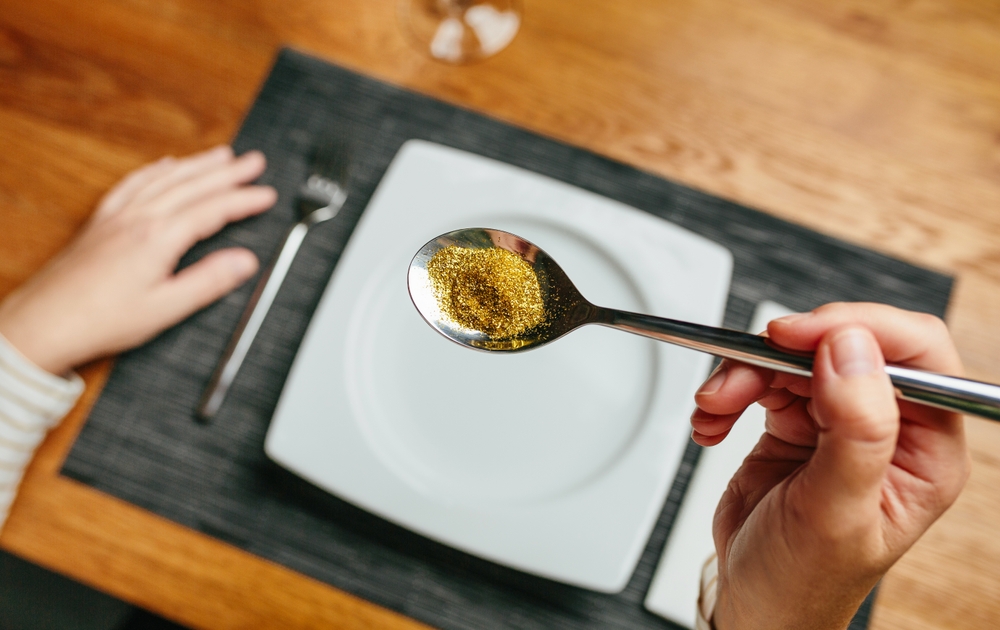
Preparing a home-cooked meal or enjoying a warm morning beverage often feels like a safe, nourishing routine. Yet, a hidden contaminant is quietly infiltrating these exact daily rituals. Microscopic synthetic fragments, known as microplastics, have become so ubiquitous that they seamlessly enter the human food chain through the most unexpected household sources.
Contents
show
While the sheer scale of global plastic pollution can feel overwhelming, the true frontline of this environmental challenge is located right inside the modern kitchen and dining room. Recognizing exactly how these invisible particles sneak onto the dinner plate is a crucial step toward drastically lowering daily exposure and reclaiming control over personal health.
1. Swap Your Plastic Cutting Board for Wood or Bamboo
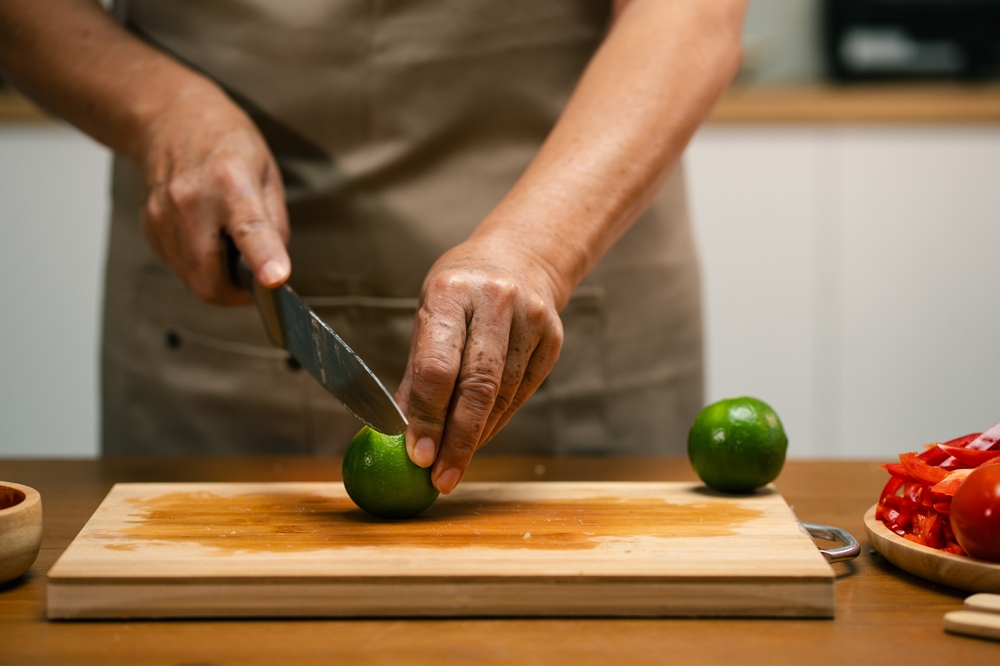
Preparing dinner often feels like a comforting ritual, but every slice and chop on a plastic surface sheds invisible fragments directly into the meal. A 2023 study published in Environmental Science & Technology revealed that plastic cutting boards can release up to 79 million microplastic particles annually. The steady accumulation of these particles raises significant health concerns. Matthew Campen, PhD, a Regents’ Professor in the University of New Mexico Department of Pharmaceutical Sciences, emphasizes the gravity of ongoing environmental exposure, noting, “If the dose keeps going up, we start to worry. If we’re seeing effects on placentas, then all mammalian life on this planet could be impacted.”
To minimize this daily risk, transition to cutting boards made of natural materials like wood or bamboo. Wooden boards are naturally antimicrobial and much gentler on kitchen knives, while bamboo offers a durable, plastic-free alternative that resists deep knife grooves where bacteria and plastic fragments typically hide. Although these natural options require hand washing and occasional oiling to maintain their surface, the effort significantly reduces the intake of synthetic polymers.
2. Never Microwave Food in Plastic Containers
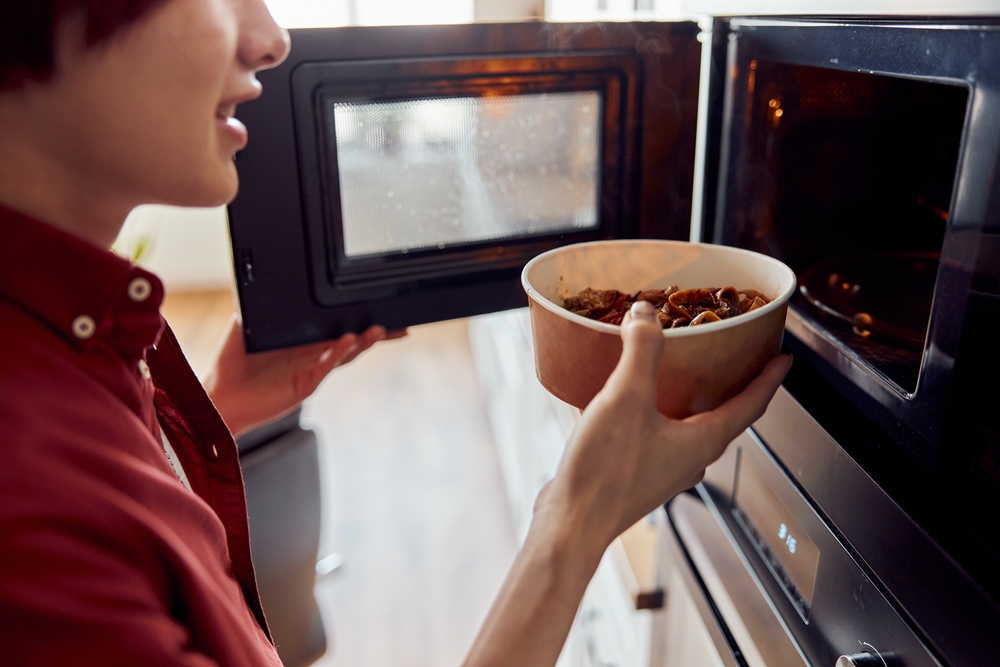
Temperature acts as a major catalyst for material breakdown, meaning that microwaving leftovers in plastic containers introduces a massive amount of invisible particles directly into food. A 2023 University of Nebraska-Lincoln study revealed the severity of this reaction, demonstrating that microwaving baby food containers released over two billion nanoplastics per square centimeter. The study’s lead author, Kazi Albab Hussain, pinpointed the exact trigger for this shedding, explaining, “Heat probably plays the most crucial role in generating these micro and nanoplastics.” Because the naked eye cannot see these particles, it is easy to assume that a microwave-safe label guarantees safety, but that label merely indicates the material will not melt or start a fire.
Protecting daily meals requires a straightforward shift in how leftovers and hot items are handled. Always transfer food to glass or ceramic plates before reheating, as these materials are non-porous and highly durable against extreme temperatures. Additionally, allow freshly cooked, hot meals to cool down before placing them into plastic storage bins, and brew hot beverages directly into stainless steel or glass cups rather than synthetic travel mugs.
3. Invest in a Certified Tap Water Filter
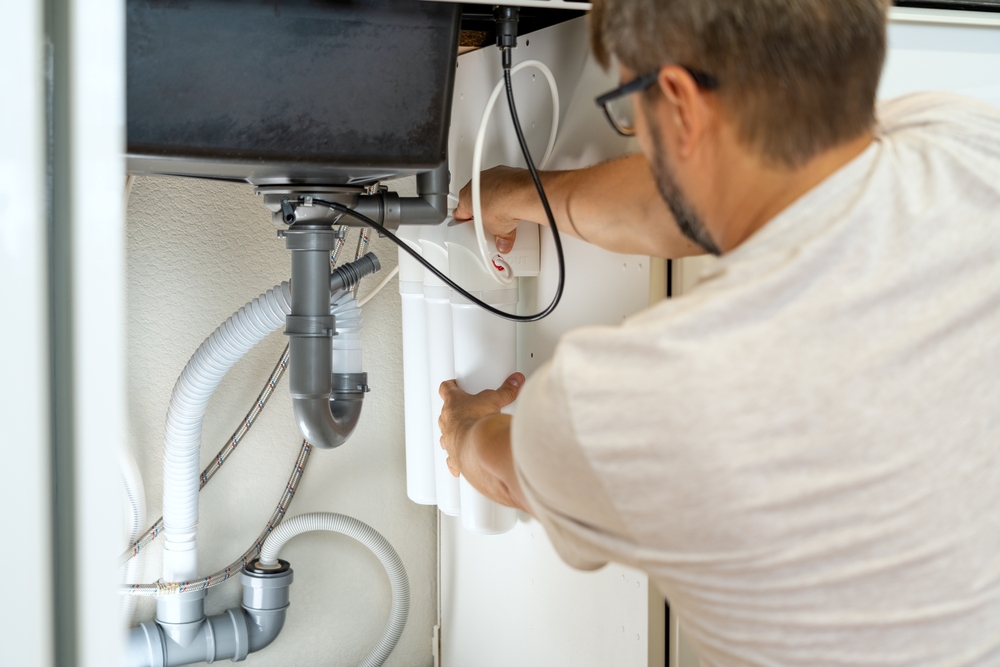
Hydration is essential for overall well-being, yet the water flowing from household faucets frequently carries microscopic synthetic pollutants. According to a widely cited 2019 study commissioned by the World Wildlife Fund and conducted by the University of Newcastle, an average person might ingest up to five grams of plastic every week, which roughly equals the weight of a standard credit card. The researchers identified drinking water, encompassing both tap and bottled sources, as the largest single contributor to this global consumption. Dick Vethaak, an ecotoxicologist at Vrije Universiteit Amsterdam who has studied plastic accumulation in the human body, emphasizes the need for awareness. “It is certainly reasonable to be concerned,” Vethaak stated regarding ongoing exposure. “The particles are there and are transported throughout the body.”
Securing a cleaner water supply starts with implementing an effective household filtration system. When selecting a water filter, prioritize models that are explicitly certified to meet NSF/ANSI Standard 53 or Standard 401, as these are rigorously tested to reduce microscopic particulates and emerging contaminants. While basic activated carbon pitchers can improve taste and catch larger debris, under-sink reverse osmosis systems force water through a semipermeable membrane to provide a much tighter barrier against nanoplastics.
4. Minimize Household Dust Around Meals

While dietary sources often dominate conversations about synthetic exposure, the surrounding environment plays an equally surprising role. Microplastics from synthetic carpets, furniture, and clothing constantly shed into the air and settle as household dust directly onto dinner plates. A study published in the journal Environmental Pollution investigated this phenomenon, discovering that an individual meal can attract approximately 100 plastic particles from the surrounding air. Over the course of a year, this invisible fallout leads to the ingestion of nearly 70,000 microplastics. Dr. Ted Henry, a researcher involved in the study, noted the unexpected magnitude of this indoor pollution. “These results may be surprising to some people who may expect the plastic fibers in seafood to be higher than those in household dust,” Henry stated regarding the findings.
Preventing this airborne accumulation requires proactive cleaning habits right before sitting down to eat. Always cover prepared dishes with a glass lid or a clean cloth while they rest on the counter to block falling debris. When cleaning dining tables and kitchen counters, use a damp cloth rather than a dry duster, as dry sweeping simply kicks synthetic particulates right back into the air. Additionally, making a strict habit of washing hands before every meal removes the microscopic fibers picked up from touching fabrics and surfaces throughout the day. Tracey Woodruff, director of the Program on Reproductive Health and the Environment at the University of California San Francisco, highlights that handwashing effectively reduces exposure to the microplastics hiding in everyday dust.
5. Brew Loose Leaf Tea Instead of Using Silken Bags
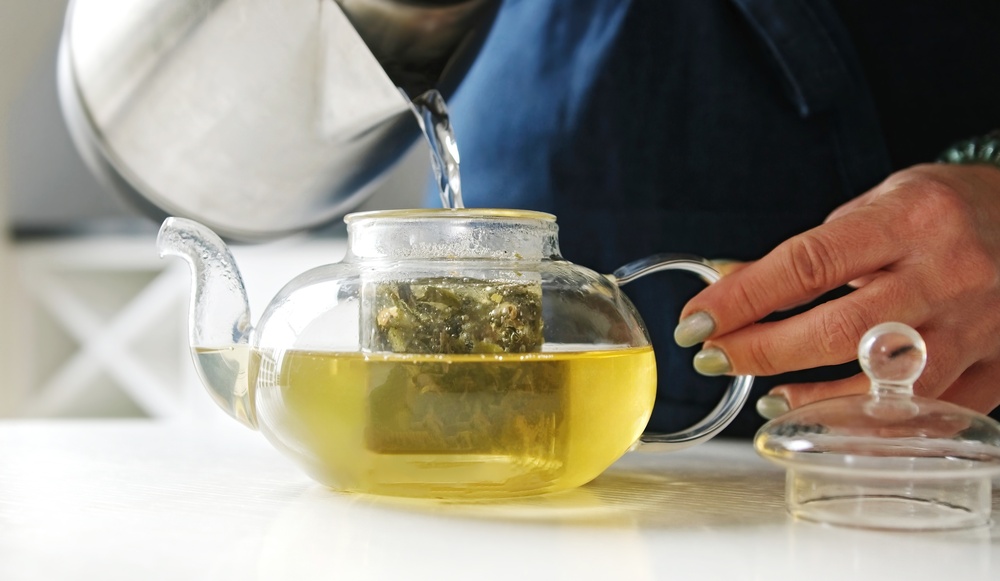
A soothing cup of hot tea is a daily staple for millions, but the seemingly harmless bag it steeps in may be a hidden source of synthetic ingestion. While traditional tea bags are made from paper, many premium brands have switched to silken meshes made from nylon or polyethylene terephthalate. A landmark 2019 study conducted by researchers at McGill University discovered that steeping a single plastic tea bag at brewing temperature releases approximately 11.6 billion microplastics and 3.1 billion nanoplastics into the water. Dr. Nathalie Tufenkji, the lead researcher of the study, highlighted the unprecedented scale of this contamination, noting that the levels observed were significantly higher than the plastic burdens previously found in other foods and beverages.
This daily beverage requires a return to traditional brewing methods. The most effective approach is switching entirely to loose leaf tea, which eliminates the need for any synthetic packaging during the steeping process. Consumers can use stainless steel strainers or ceramic teapots with built-in infusers to brew their favorite blends safely. For those who prefer the convenience of pre-packaged options, it is crucial to seek out brands that explicitly state their bags are made from unbleached paper or organic cotton.
6. Choose Fresh Foods Over Highly Processed Proteins
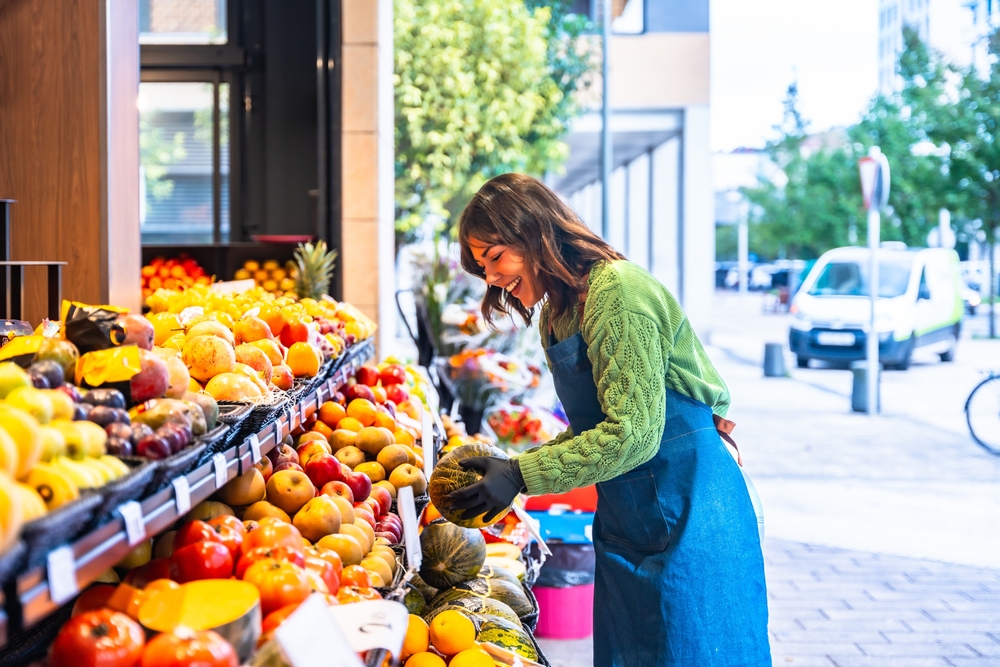
Convenience in the grocery store often comes at a hidden nutritional cost. Beyond the usual concerns about sodium and preservatives, heavily processed and packaged foods are now identified as major sources of synthetic contamination. A comprehensive 2024 study published in the journal Environmental Pollution, led by researchers from the Ocean Conservancy and the University of Toronto, examined a variety of common protein sources. The researchers discovered that highly processed items, such as breaded chicken nuggets, fish sticks, and plant-based burgers, contained significantly more microplastics per gram than their minimally processed counterparts. The study calculated that consuming these packaged proteins exposes the average adult to more than 11,000 microplastic particles every year. The intense mechanical processing and heavy reliance on synthetic packaging involved in creating these convenience foods directly introduce these fragments into the final product.
Protecting the body from this specific type of exposure requires a conscious shift toward whole, unpackaged ingredients. Prioritize buying fresh, whole cuts of meat or poultry directly from the butcher counter where items can be wrapped in plain paper instead of sealed in plastic trays. For plant-based diets, opt for dry beans, lentils, and fresh vegetables rather than heavily processed meat alternatives wrapped in multi-layered synthetic films. When shopping, seek out items that utilize alternative packaging like cardboard or glass, and carry reusable mesh bags for loose produce.
7. Bring Your Own Cup for Hot Beverages

Grabbing a coffee to go is a daily habit for many, but the standard paper cup provided by cafes is highly deceptive. To prevent the cardboard from disintegrating, these cups are lined with a thin, hidden layer of polyethylene plastic. When exposed to boiling water or hot milk, this lining rapidly degrades. A 2020 study published in the Journal of Hazardous Materials conducted by the Indian Institute of Technology Kharagpur found that a single disposable paper cup releases approximately 25,000 microplastic particles into a hot beverage within just 15 minutes. Dr. Sudha Goel, the lead researcher of the study, highlighted the cumulative risk of this daily routine, noting that an individual consuming three regular cups of tea or coffee daily from these containers “would be ingesting 75,000 tiny microplastic particles.”
Protecting against this hidden exposure requires rethinking the morning cafe run. The most effective strategy is to invest in a high quality, reusable travel mug made from food grade stainless steel, ceramic, or glass. Keeping this mug in a car or daily work bag ensures it is always available for impromptu coffee stops. If a reusable cup is forgotten, opting for an iced beverage in a clear plastic cup is generally safer than pouring scalding liquids into a polyethylene lined paper cup, as extreme heat is the primary catalyst for rapid plastic degradation.
8. Switch from Sea Salt to Mined Mineral Salt
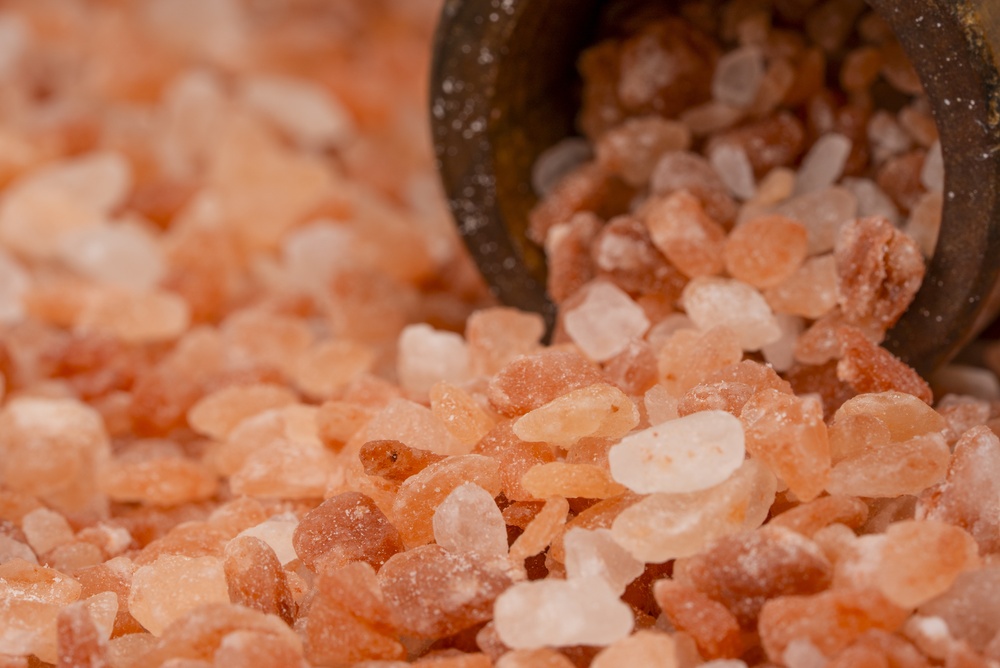
Sea salt is often celebrated for its natural trace minerals, but its connection to modern oceans brings a hidden consequence. A comprehensive 2018 study published in Environmental Science & Technology, conducted by researchers at Incheon National University and Greenpeace East Asia, analyzed 39 salt brands globally. The researchers discovered that over 90 percent of the sampled sea salts contained microplastics. Professor Seung-Kyu Kim, the corresponding author of the study, highlighted the direct link between environmental pollution and daily diets, stating, “The findings suggest that human ingestion of microplastics via marine products is strongly tied to emissions in a given region.” This reality means that a seemingly wholesome culinary ingredient often sprinkles microscopic polymers directly onto the dinner plate.
To minimize this specific avenue of exposure, reconsider the type of salt used for daily cooking and seasoning. Transitioning from modern sea salt to mined options, such as Himalayan pink salt or traditional rock salt, significantly lowers the risk of synthetic contamination. Because these mineral salts are extracted from ancient geological deposits formed millions of years before the invention of plastic, they remain largely insulated from modern ocean pollution. When shopping for pantry staples, carefully read the packaging to verify the geographical source of the seasoning.
9. Choose Natural Gum Over Synthetic Brands
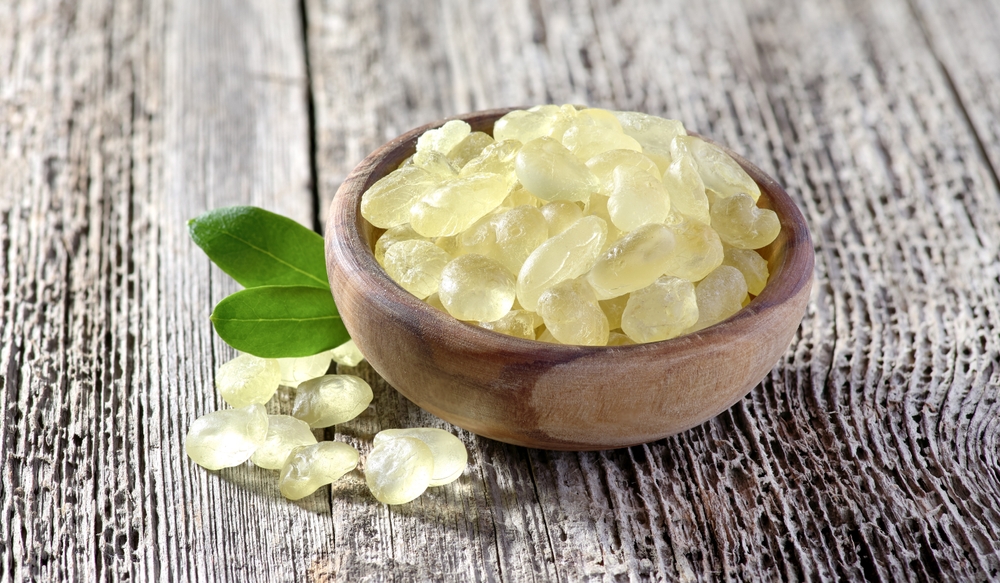
Chewing gum serves as a popular breath freshener and stress reliever, but most conventional options require chewing directly on synthetic polymers. The foundational ingredient in many popular brands is listed simply as “gum base,” a vague term that frequently masks the presence of polyvinyl acetate, which is the exact same plastic used to manufacture carpenter glue. The Plastic Soup Foundation, an environmental organization dedicated to halting plastic pollution, highlighted this hidden exposure in a comprehensive awareness campaign. Maria Westerbos, the director and founder of the organization, bluntly summarized the reality of this everyday habit, stating, “People are literally chewing on plastic without knowing it.”
Breaking this specific synthetic habit simply requires a closer look at the candy aisle. To satisfy the urge to chew, seek out natural brands that utilize chicle, a sustainably harvested tree sap, as their primary ingredient. These plant-based alternatives provide the exact same familiar texture and flavor longevity without introducing industrial polymers into the mouth and digestive tract.