
Your cart is currently empty!
A Spirit Airlines Pilot Planned to Retire on May 2. His Airline Shut Down That Morning. Then Southwest Stepped In.

Before dawn on Saturday, May 2, 2026, Captain Jon Jackson woke up expecting one thing from the day ahead. After years of flying for Spirit Airlines, he had reached the moment that every commercial pilot eventually pictures, a final flight, a proper send-off, and then a well-earned step back from the cockpit. By mid-morning, that plan was gone. What replaced it, however, was something no one on his crew could have scripted.
Contents
show
Jackson’s story played out against one of the more dramatic single-day collapses in recent American aviation history, and it ended not with a quiet farewell at a gate he knew well, but with fire trucks, champagne, and a crowd of strangers who had no particular reason to cheer for him, and chose to anyway.
The Night Spirit’s Lights Went Out
Spirit Airlines had been in trouble for years before May 2 arrived. Since the start of 2020, the ultra-low-cost carrier has lost more than $2.5 billion. It filed for Chapter 11 bankruptcy protection in November 2024 and sought it again in August 2025, reporting $8.1 billion in debts against $8.6 billion in assets. Soaring jet fuel prices, tied in part to the ongoing US-Israel war on Iran, had made an already precarious financial position untenable.
In its final weeks, Spirit turned to the Trump administration in search of a $500 million emergency bailout. Talks went deep enough that the administration reportedly floated taking a 90% government stake in the airline to prevent its liquidation. Bondholders rejected the proposal, and by Friday evening, May 1, it was clear that no deal was coming. Spirit Aviation Holdings made it official in the early hours of Saturday morning, announcing it had “started an orderly wind-down of our operations, effective immediately.”
By the time most of its passengers woke up that day, 277 flights had been canceled. Another 379 scheduled for Sunday were scrapped entirely. Customer service went dark. After 34 years in business and with roughly 17,000 employees on its payroll, Spirit was done.
“To our guests,” the airline said in its shutdown statement, “all flights have been cancelled, and customer service is no longer available. We are proud of the impact of our ultra-low-cost model on the industry over the last 34 years and had hoped to serve our guests for many years to come.”
For most travelers, that announcement meant a scramble to rebook, find a hotel, or call someone for help. For Jackson, it meant something different and more final.
A Retirement Flight That Disappeared Overnight
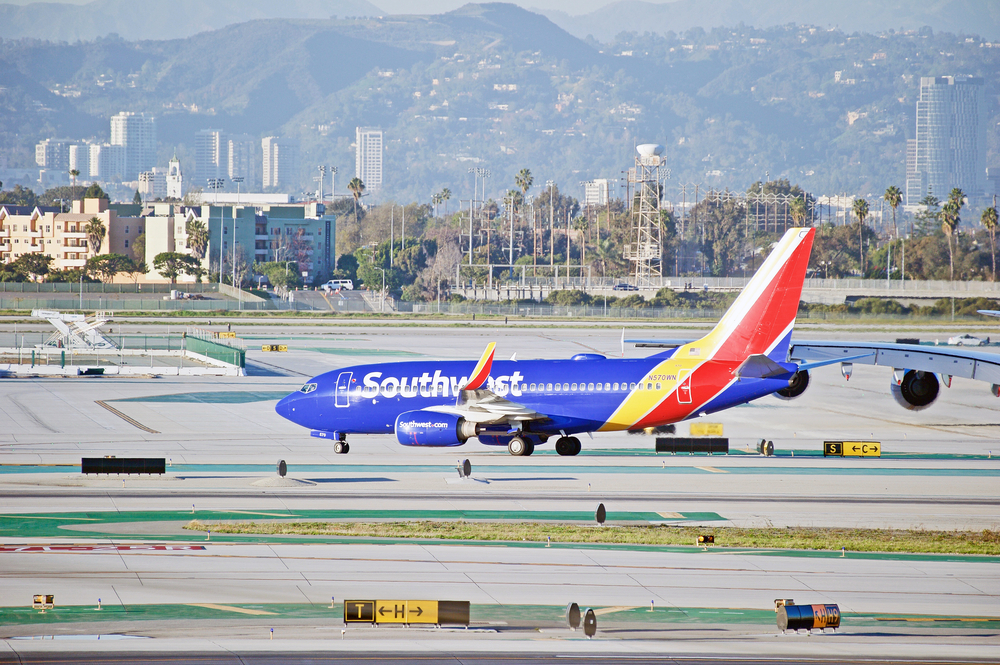
Jackson had spent decades in the cockpit for Spirit, and May 2 was supposed to mark the end of that chapter in the most ceremonial way possible. He was scheduled to fly his final trip into Baltimore-Washington International Airport, the kind of milestone moment that airline crews mark with intercom announcements, gate gatherings, and the particular pride that comes from a career properly closed.
Instead, he found himself in Fort Lauderdale with nowhere to go and no flight to board, at least not as a captain. Grounded by a shutdown he had no hand in and no warning of, Jackson did what any stranded passenger would do. He booked a seat on the next available flight to Baltimore and headed for the gate.
What made his situation different was who happened to be working that flight. Seated beside him, or rather stationed in the cockpit ahead of him, was his son Chris Jackson, a Southwest Airlines first officer. Father and son were going home together, though not in the way either had imagined the day would unfold.
A Casual Remark That Set Everything in Motion
During the flight north from Fort Lauderdale, Chris said something to his fellow crew members that he may not have expected to travel very far. He mentioned, without apparent fanfare, that this trip should have been his father’s retirement flight, that the man sitting in the cabin behind them had planned to close out a full career that morning before Spirit’s shutdown took that away from him.
Southwest later described what happened next in an Instagram post that circulated widely over the weekend.
“Chris casually mentioned to the flight’s Pilots that this would have been his dad’s retirement flight. They seized the opportunity to change the course of the day for Capt. Jackson, setting in motion a plan that resulted in a proper retirement party when the flight landed in Baltimore.”
Working quickly and quietly, the crew coordinated with dispatchers at BWI to arrange a tribute on arrival. Jackson, seated in the back of a Southwest Boeing 737, had no idea what was waiting for him on the ground.
The Send-Off at Baltimore
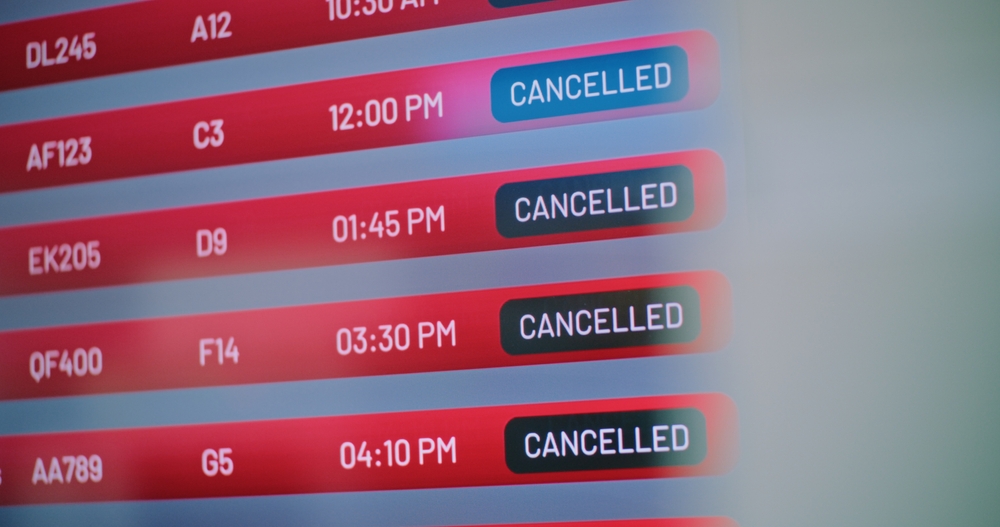
When the aircraft touched down at Baltimore-Washington International Thurgood Marshall Airport, it did not pull straight to the gate. Baltimore Airport Fire and Rescue met it on the tarmac with a water cannon salute, two arching sprays crossing over the fuselage in the tradition reserved for milestone arrivals and departures. It is a gesture that carries real weight in aviation culture, a formal acknowledgment that something worth marking has just happened.
Jackson watched it from his window seat, as a passenger on someone else’s airline, receiving an honor his own carrier had no longer been able to give him.
At the gate, the scene was warmer still. Airport workers and travelers who happened to be nearby had gathered, word having spread through the terminal in the short time between landing and deplaning.
A gate agent took to the intercom and made an announcement that stopped people mid-stride. “Ladies and gentlemen, Mr. Jon Jackson.”
Applause filled the gate area. Jackson walked out to a crowd he had not expected and a bottle of champagne he had not been promised, surrounded by Southwest staff, his son beside him, and strangers who had connected to a story they had only just heard. He gave a brief speech, visibly moved by what was in front of him. “Very overwhelming, I can’t thank you all enough. As Spirit goes down, this is kind of a sad day, and you guys made it incredible. Thank you so much.”
Jackson posed for photographs with Chris and the rest of the Southwest crew before leaving the airport. Behind him, a career had quietly and officially come to a close, not on a Spirit aircraft as planned, but on a Southwest jet, surrounded by people who chose to mark the occasion anyway.
Southwest’s Statement and What the Gesture Reflected
Southwest’s social media posts about the tribute spread quickly, drawing attention from people well outside the aviation industry. Airlines competing for passengers rarely go out of their way to honor the staff of a rival carrier, and yet the Southwest crew’s response to Chris’s offhand remark required no corporate directive, no marketing strategy, and no planning. It came from a group of pilots and ground staff who recognized what the day meant for a fellow professional and acted on it.
In its official statement about the tribute, Southwest put the moment in terms that felt deliberately measured rather than promotional. “Above all, this moment was about honoring a fellow aviator. Congratulations, and thank you for your service in the skies, Capt. Jackson.”
For anyone who works in commercial aviation, the water cannon salute carries a specific meaning. It is not performed for passengers or for optics. Crews request it, fire departments execute it, and everyone involved understands what it signifies. Receiving one as a passenger on another airline’s aircraft, on a day when your own carrier had ceased to exist, carried a different kind of weight entirely.
The Wider Fallout from Spirit’s Collapse
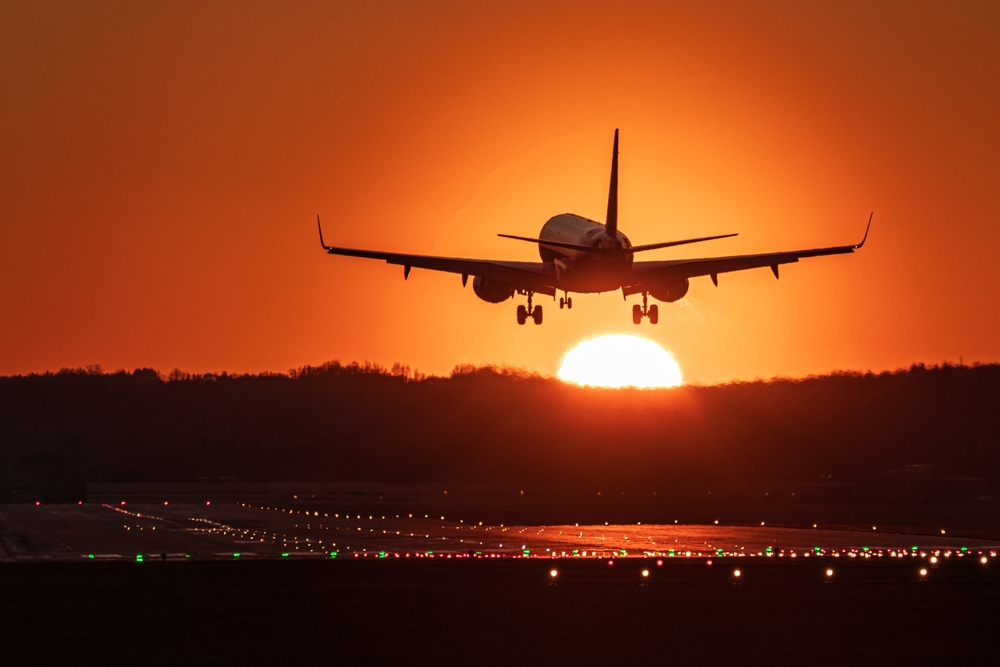
Jackson’s story attracted the most public attention on May 2, but the shutdown of Spirit Airlines sent much larger ripples through the industry and across the country. Thousands of passengers found themselves stranded, their travel plans canceled without warning or alternative arrangements from the airline itself.
Transportation Secretary Sean Duffy responded quickly, announcing a government-coordinated effort to help Spirit’s displaced customers. United Airlines, Delta Air Lines, JetBlue, and Southwest all agreed to cap their fares for Spirit passengers seeking to rebook, a coordinated response that Duffy described as the industry stepping up.
“We’ve activated our airline partners to ensure passengers are not stranded, communities maintain route access, fares do not skyrocket, and Spirit’s workforce is connected to new job opportunities,” Duffy said in a Saturday statement.
Spirit’s collapse also reopened a pointed debate about the federal government’s earlier decision to block a proposed merger between JetBlue and Spirit. Critics argued at the time that the merger would reduce competition in the budget travel market. With Spirit now liquidated and its routes gone, opponents of that regulatory decision argued the outcome had done exactly the opposite of what was intended, leaving travelers with fewer affordable options rather than more.
Spirit had promised automatic refunds for ticketed passengers and launched a dedicated website to handle questions, though it offered no assistance with rebooking. Passengers were left to navigate a crowded travel day on their own, relying on the capped-fare programs from competing carriers to manage the disruption.
A Career Ends, A Story Begins
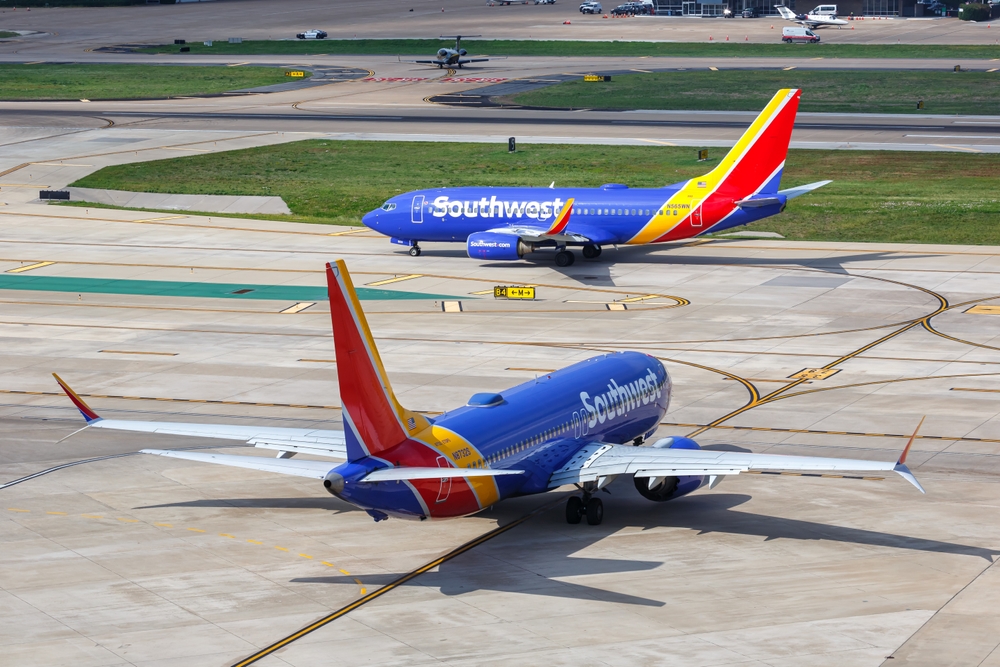
Most retirements in commercial aviation follow a familiar script. A final leg, a few words over the intercom, maybe some cake at the gate and a photograph with the crew. Captain Jon Jackson got none of that from the airline he had given his career to, not because anyone failed to plan it, but because the airline itself had ceased to exist before sunrise.
What he got instead was a water cannon salute from an airport fire crew that owed him nothing, a bottle of champagne from a ground staff that had known his name for approximately ten minutes, and applause from a crowd of travelers who understood, in the way that most people do when a career ends unexpectedly, that the moment still deserved to be marked.
Chris Jackson’s casual remark to his Southwest colleagues was the only thing that changed the shape of the day. In a terminal full of stranded passengers and canceled flights, one retired Spirit captain walked out to a round of applause, carrying champagne, his son by his side, his career finished, and the send-off, improbably, exactly right.
airline industry news, airline layoffs, airline retirement, aviation community, aviation news, budget airlines, BWI airport, Captain Jon Jackson, commercial aviation, Fort Lauderdale airport, Human Interest, JetBlue Spirit merger, pilot retirement, Southwest Airlines, Spirit Airlines bankruptcy, Spirit Airlines collapse, Spirit Airlines shutdown, Transportation Secretary Sean Duffy, Trump administration bailout, water cannon salute