
Your cart is currently empty!
This Pencil Was Forgotten For Centuries And Somehow Survived
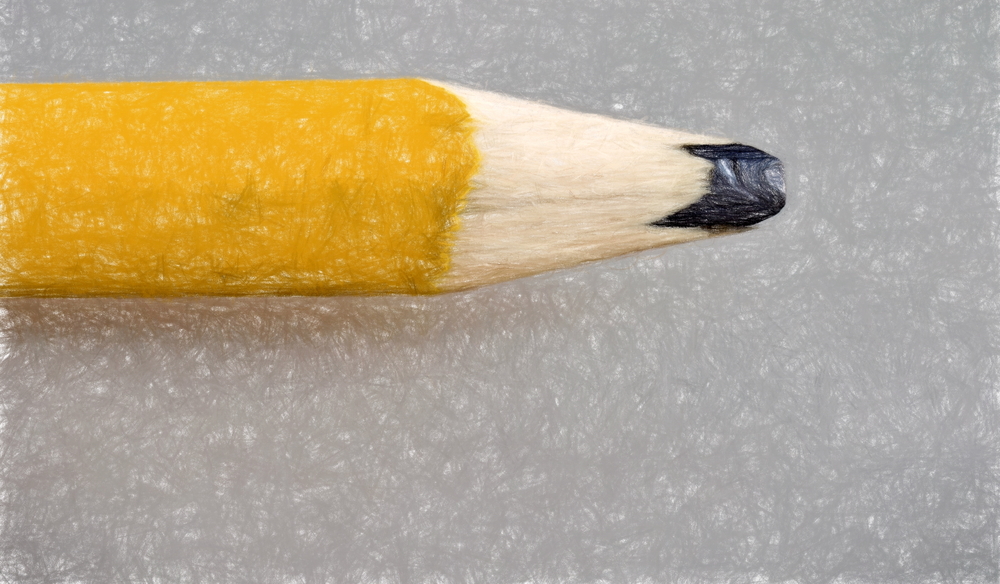
There are moments in life that feel so small they barely register, moments that slip through awareness almost as quickly as they arrive, moments that seem destined to disappear without leaving behind any trace at all, because they carry no sense of importance, no emotional weight, no signal that they might matter beyond the second in which they occur, blending into the background of daily life in a way that makes them indistinguishable from everything else we do without thinking, without pausing, without considering that even the smallest action exists within time in a way we do not fully understand.
Contents
show
And yet, every so often, one of those moments lingers, not because it was meant to, not because anyone tried to preserve it or give it meaning, but because it simply remained, quietly untouched while everything else moved forward, turning something ordinary into something that feels almost impossible to ignore, revealing that what lasts is not always what we intend to keep, but what time allows to stay.
A Quiet Day That Meant Nothing
In the 1600s, a German carpenter was building a house, moving through a day that likely felt no different from countless others before it, shaped by repetition, effort, and the steady rhythm of physical labor, where each task followed the next without pause, without reflection, without any sense that this particular day would ever stand apart or carry any significance beyond the structure it helped create, because nothing about it asked to be remembered or suggested that it would be.
“In the 1600s, a German carpenter was building a house.”
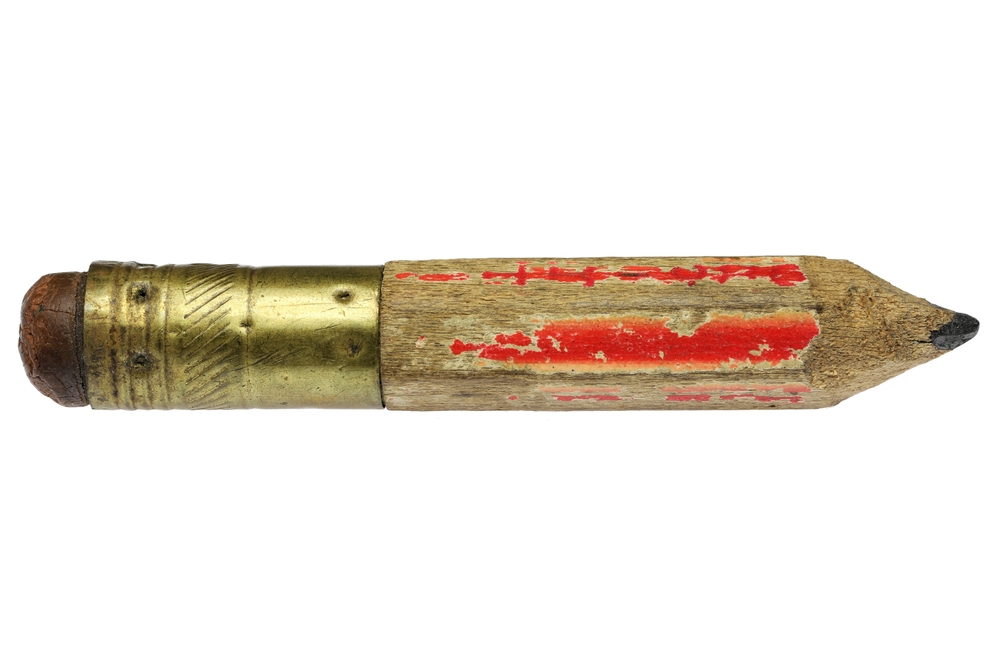
At some point, in the middle of that work, he placed his pencil into the rafters and forgot about it, a simple action carried out without intention, the kind of moment that happens when attention shifts, when something else demands focus, when the flow of work continues uninterrupted, leaving behind small traces that feel too insignificant to matter, too ordinary to notice, too temporary to imagine lasting beyond the day.
“At some point during the job, he tucked his pencil into the rafters… and forgot about it.”
A Structure That Held More Than Wood
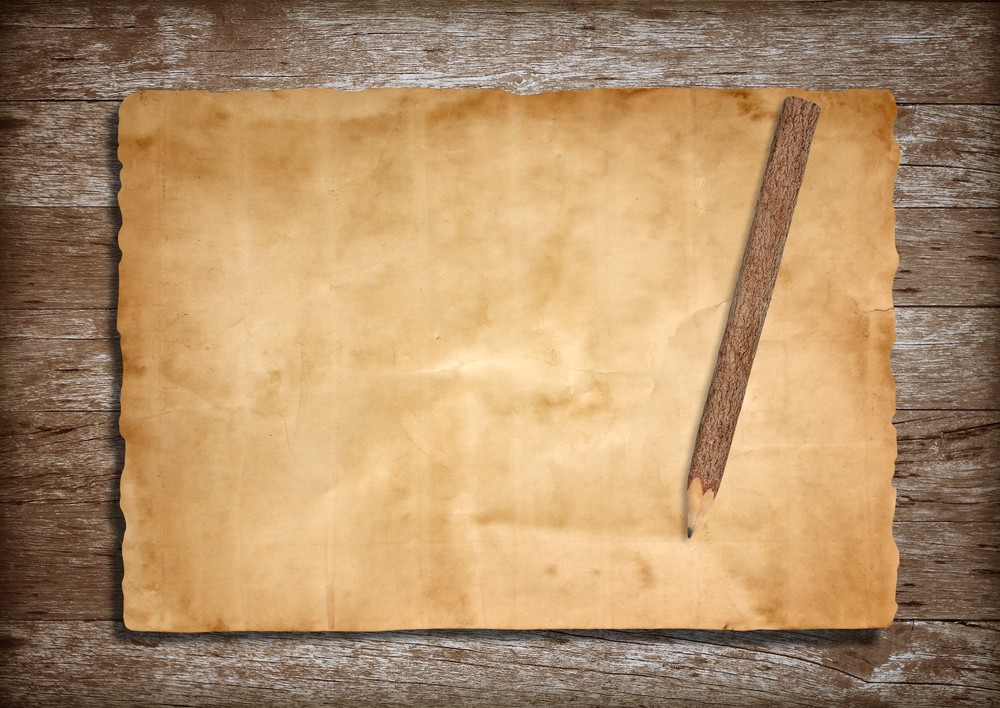
The house remained standing for centuries, holding its place as time moved forward, carrying with it not only the visible structure of beams and walls, but also something unseen, something small and easily overlooked, a fragment of a moment that had long since passed yet continued to exist within it, hidden above the lives of people who would never know it was there, quietly preserved by the very space it had been forgotten in.
“That house stood for centuries.”
Beneath those rafters, life unfolded again and again, families lived their lives, moments came and went, generations passed through without ever sensing what remained above them, while the pencil stayed exactly where it had been left, unchanged and undisturbed, existing in a kind of stillness that allowed it to outlast everything else that was constantly shifting around it.
When The Past Finds Its Way Back
Eventually, the house was restored, and during that process, something unexpected was uncovered, something that had no reason to still exist and yet had remained all the same, bridging a gap between past and present in a way that felt almost accidental, as though time had quietly preserved a piece of itself without anyone noticing.
“Hundreds of years later, during restoration, they found it still there.”
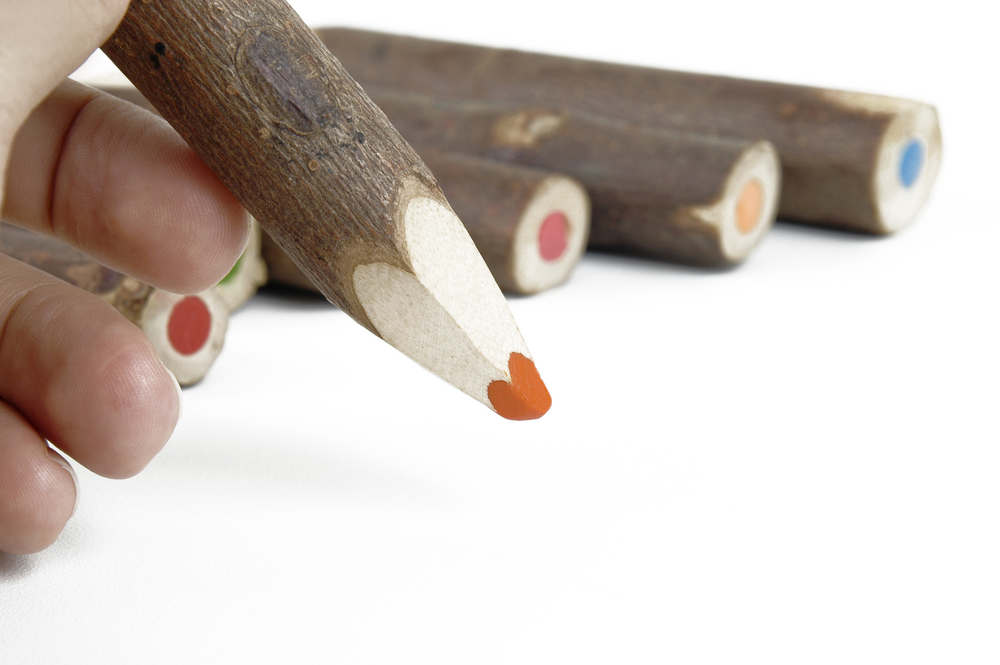
That discovery turned a forgotten object into something remarkable, not because it had been created with care or intention, but because it had endured, becoming the oldest surviving pencil in the world simply by remaining where it was, untouched long enough for time to give it a new kind of meaning.
“That forgotten pencil is now the oldest surviving pencil in the world.”

How Time Changes Meaning
The pencil itself did not become something new in any physical sense, it remained the same simple object it had always been, yet the way it is understood has shifted entirely, turning it into something that carries a connection across centuries, a quiet link between a person who once lived and a present that can only imagine that life, showing how time reshapes meaning without altering the object itself.
“Think about that.”
Time has a way of doing this, of changing how we see things not by transforming them, but by allowing them to remain long enough for perspective to shift, for distance to add weight, for something once ignored to become something that feels significant.
When Nothing Was Meant To Last
There was no intention behind that moment, no effort to preserve it, no thought that it would ever be seen again, just a simple action that carried no meaning at the time and no expectation of becoming anything more, existing only as part of an ordinary day that felt like every other day.
“No grand intention. No idea anyone would ever see it again.”
“Just a normal day, a small mistake, a moment that didn’t matter.”
Yet that moment remained, stretching far beyond its original context, existing long enough to take on a meaning that was never assigned to it, showing how time can give weight to something that once felt weightless.
The Way We Think About History
We often imagine history as something shaped by large events, by moments that demand attention and recognition, by actions that leave clear marks behind, yet alongside those moments exist countless others that pass quietly, unnoticed, and unrecorded, even though some of them remain in ways we never expect, revealing a different layer of what it means for something to endure.
“We like to think history is made of big, important events.”
“Sometimes it’s just a guy who forgot his pencil.”
The Small Things That Slip By
Much of life is made up of actions that feel temporary, things we do without thinking, moments we assume will disappear, like setting something down and forgetting where it is, leaving a conversation unfinished, walking away from a place without realizing it is the last time, each one blending into the flow of daily life without leaving any obvious mark, yet carrying a quiet possibility of remaining.
These moments do not ask to be remembered, and most of them are not, yet some remain, not because they were important, but because they happened to stay where they were, untouched long enough to outlast everything else.
Living Without Knowing What Lasts
The carpenter had no idea anyone would ever see that pencil again, and he was not trying to create meaning or leave something behind, he was simply moving through his day, focused on the work in front of him, unaware that a small action would quietly stretch far beyond his lifetime, reflecting the reality that we rarely know which moments will remain and which will disappear, and that most of what we do feels temporary precisely because we cannot see how time will treat it.
There is something deeply grounding in that realization, because it removes the illusion that permanence is something we can control, showing instead that what lasts is often shaped by circumstance, by where something ends up, by whether it is disturbed or left alone, allowing ordinary moments to carry a quiet potential without ever announcing it or asking for recognition.
It suggests that countless moments pass through our lives with the same possibility, unnoticed and unremarkable, yet capable of remaining simply because they settle into a place where time cannot easily reach them, where they can exist quietly while everything else continues to move forward.
A Different Way To Look At Time
Time does not move evenly across everything, as some moments fade almost instantly while others linger, held in place by conditions that have nothing to do with meaning or value, and the pencil remained not because it was important, but because it stayed where it was, undisturbed for long enough to outlast the changes around it, revealing a different way of understanding endurance.
This shifts how we think about permanence, because it suggests that what remains is not always what mattered most, but what was still, what was hidden, what was left alone long enough to become part of something that outlasted everything around it, giving a different kind of weight to stillness and absence.
There is a quiet unpredictability in what survives, a reminder that time does not preserve based on importance, but on circumstance, allowing certain moments to linger simply because they were not interrupted, not noticed, not moved.
The Unexpected Weight Of A Pencil
A German carpenter once forgot his pencil while building a house, and that small, unnoticed action remained far longer than anyone could have imagined, quietly existing through centuries of change while the world transformed around it, turning something ordinary into something that now feels meaningful without ever intending to be, showing how something simple can stretch across time without effort.
What gives this story its depth is not the object itself, but the realization that something so small can outlast so much, that a moment without intention can connect lives across generations, holding a fragment of a life that once unfolded without any awareness of being remembered, existing quietly while everything else moved on.
Somewhere right now, moments just as ordinary are happening, unnoticed and easily forgotten, yet one of them may remain, quietly waiting, just as that pencil once did, carried forward by time without ever asking to be.