
Your cart is currently empty!
From 17 Dollars to 100000: The Prison Story That Moved the World

A man earning 13 cents an hour inside a California prison made a choice that most people with complete freedom, steady paychecks, and comfortable lives would struggle to make. After spending more than 136 hours cleaning floors, distributing meals, and maintaining prison spaces, he received a paycheck totaling just $17.74. It was the kind of amount many people would overlook without a second thought. For Hamza, it represented weeks of labor inside a system where every dollar comes painfully slow. But instead of spending that money on himself, he gave every cent away to humanitarian relief efforts in Gaza.
Contents
show
What happened next turned a small prison paycheck into a global story about empathy, redemption, and the unexpected power of one simple act of generosity.
For most people, $17 barely covers a quick meal or a few everyday essentials. Inside prison, though, that amount can represent weeks of exhausting work. Hamza earned it through long hours of janitorial labor, cleaning shared spaces and helping maintain daily routines inside a California correctional facility. The donation was never meant to attract attention. There were no cameras, no fundraising campaign, and no expectation that anyone outside prison walls would ever hear about it. Hamza simply saw people suffering in Gaza and decided that even the little he had was worth giving.
Then the internet found out. When filmmaker Justin Mashouf shared a photo of Hamza’s prison paycheck and time log online, the story spread at a speed no one expected. Thousands of strangers were stunned that a man earning 13 cents an hour had chosen to donate everything he made. What started as a quiet act of compassion inside a prison cell soon became a worldwide conversation about sacrifice, humanity, and the surprising ripple effect of kindness. As the story gained momentum, donations began pouring in from around the world. People who had never met Hamza started contributing to help him rebuild his life after prison. Within a short time, the fundraiser created in his name passed $100,000, transforming one of the smallest donations imaginable into one of the internet’s most powerful acts of collective generosity.
The Moment That Turned $17 Into A Global Story
Hamza’s paycheck was small enough to ignore at first glance. It totaled $17.74, the result of 136.5 hours of janitorial work inside a California prison.
That meant weeks of cleaning floors, handling laundry, and maintaining shared spaces for other inmates. It meant showing up day after day for work that most people never think about, earning only a few cents at a time. Every shift added something small, almost invisible on its own, but slowly building toward a total that still felt shockingly low.
Instead of keeping the money for himself, he chose to donate every cent to humanitarian relief efforts in Gaza.
The decision did not come from a place of comfort. It came from watching footage of families struggling to survive without basic necessities. For Hamza, those images felt personal. He later described how seeing children in danger reminded him of his own family, and the thought stayed with him long after the news coverage ended.
It was not a dramatic moment. There was no announcement, no plan to share it with the world. It was a quiet decision made in a confined space, shaped by what he had seen and how he chose to respond. That decision, small on the surface, would go on to reach people across continents who had never heard his name.
Inside The Reality Of Prison Wages

To understand why this story struck such a nerve, it helps to look closely at what that $17 actually represents. Prison wages in the United States can be as low as a few cents per hour. In Hamza’s case, he earned around 13 cents for each hour worked.
Each dollar came slowly. Each shift added only a small amount to his total, even though the work itself was physically demanding and essential to daily prison operations. The imbalance between effort and reward is difficult to ignore when placed in plain view.
He worked as a porter and janitor, cleaning shared spaces, distributing meals, and supporting basic systems inside the facility. These roles are often invisible to the outside world, but they are necessary for keeping prisons functioning. Without this labor, daily routines would break down quickly.
Over time, that routine began to carry a different meaning for him. It became less about passing time and more about contributing to the people around him. Keeping spaces clean, making sure others had what they needed, and maintaining some level of order gave structure to his days and purpose to his work.
That same mindset shaped what he chose to do with his earnings. The money itself was limited, but the act of giving was not defined by the amount. It was defined by intention.
The Social Media Post That Changed Everything

For months, the donation went unnoticed. It existed as a private act between Hamza and the person helping facilitate it.
Then filmmaker Justin Mashouf shared a photo of the paycheck and prison time log online.
The response was immediate. Within days, the post had gathered more than 24,000 likes and thousands of shares. A simple image of a $17.74 check and the hours behind it spread across platforms at speed, moving far beyond its original audience.
People were not reacting to the amount itself. They were reacting to where it came from and what it represented. It forced a pause. It made people look twice.
There was no campaign, no branding, and no attempt to go viral. Just a single act of generosity from someone with almost nothing. That lack of performance made the story feel grounded in something real.
In a digital space filled with large-scale fundraising efforts and polished messaging, this stood out for the opposite reason. It was simple, direct, and difficult to misinterpret.
When The Internet Decided To Give Back

As the post spread, strangers began asking how they could help. Messages arrived in large numbers, and it quickly became clear that something bigger was unfolding.
People wanted to contribute, not because they were asked to, but because they felt compelled to respond to what they had seen. The story created a kind of shared reaction that translated into action.
Mashouf created a GoFundMe campaign to support Hamza’s transition back into society. What followed exceeded expectations.
The fundraiser grew rapidly. It passed early milestones within hours, then continued climbing. Tens of thousands of dollars turned into more. Eventually, it crossed $100,000.
That number carried weight, but the meaning behind it mattered more. Thousands of individuals, many of whom had no connection to Hamza, chose to give. Each contribution added to something that had started with less than twenty dollars.
What began as a single decision inside a prison cell became a global response shaped by people who saw it and chose not to ignore it.
A Life Shaped By One Tragic Moment
Hamza’s story stretches back decades, long before the donation that brought him global attention. As a teenager in the 1980s, he was involved in an accidental shooting that led to the death of a family member.
He was convicted of second-degree murder and sentenced to 15 years to life. That sentence became nearly four decades behind bars.
Time in prison is often described in years, but the reality is measured in routines. Days repeat. The outside world changes while life inside remains structured and limited. Technology evolves. Culture shifts. Entire systems transform.
During those years, Hamza began to rebuild his life through consistent effort. He turned to reading and education, exploring history, philosophy, and social movements. Books became a way to understand the world he was physically removed from.
He also embraced Islam, which became central to his personal development. It offered a framework for discipline, reflection, and accountability. It gave structure to how he thought about change and responsibility.
He focused on daily habits rather than dramatic turning points. Small commitments repeated over time shaped how he approached each day. That steady approach to growth defined his years behind bars.
The Meaning Behind The $17.74

On paper, the amount looks insignificant. In reality, it represented weeks of labor under strict conditions.
It also represented a choice.
Hamza did not donate because he had extra money. He donated because he believed he had a responsibility to act when faced with suffering.
That difference is what resonated with people across the world. The amount itself became secondary to the intention behind it.
In a space where generosity is often measured in large figures, this story shifted the focus. It reframed what giving can look like when it is not tied to abundance.
Preparing For Life After Prison
At the time his story went viral, Hamza was approaching release after decades of incarceration. The outside world had changed in ways that would require adjustment.
Technology had advanced. Communication had shifted. Every day systems that most people take for granted would be unfamiliar. Even small tasks could feel new.
Reentry presents practical challenges. Housing, employment, and stability require support. There is also the emotional weight of stepping into a world that moved on without you.
The funds raised through the campaign were intended to support these needs, including rent, clothing, and job training. They created a foundation for rebuilding.
Beyond the practical support, the response also carried something less visible. It showed that people were willing to invest in his future. That kind of support can shape how someone sees their next chapter.
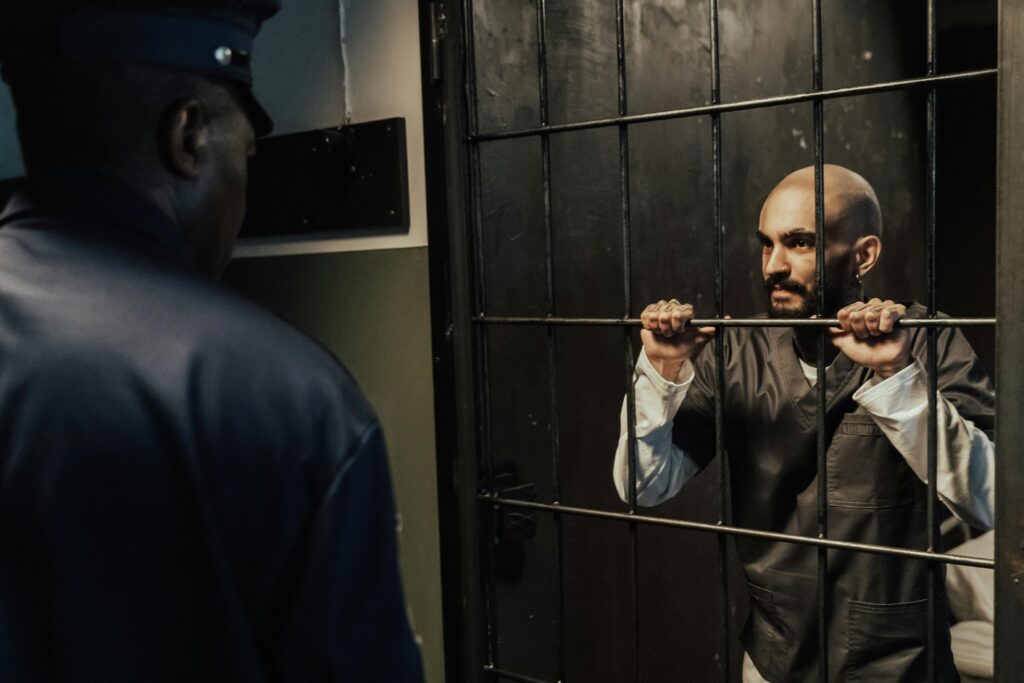
When He Asked People To Stop Donating
At the height of the campaign, when donations were still rising, Hamza made an unexpected decision.
He asked for the fundraiser to be paused.
In a public message, he thanked donors for their generosity. Then he encouraged them to redirect their support toward those facing more urgent crises, including civilians in Gaza, Yemen, and parts of Africa.
This decision surprised many people. It also reinforced the consistency in his actions. His approach did not change when circumstances improved.
He continued to focus on others, even when attention was directed toward him.
The Broader Crisis That Sparked The Decision
The situation in Gaza at the time involved widespread displacement, shortages of food and water, and limited access to medical care. Millions of people had been forced from their homes, and aid agencies warned of worsening humanitarian conditions.
For many people, these realities appear briefly and then fade. They are seen through screens and often replaced by the next headline.
For Hamza, they stayed. He had been watching coverage from inside his cell, and the images did not disappear. They remained present long enough to shape his next action.
That connection, even from a distance, influenced everything that followed.
Why This Story Connected So Widely
Many donation stories circulate online, but only a few capture sustained attention. This one moved differently.
The contrast between effort and amount stood out immediately. More than 130 hours of labor resulted in less than $20. That imbalance created a clear visual and emotional impact.
The fact that the donation came from someone with almost nothing added another layer. It challenged common assumptions about who gives and why.
There was also no expectation of return. The action was not part of a campaign or a public appeal. It was a private decision that later became visible.
That combination created something people could recognize quickly. It felt direct and unfiltered.

The Ripple Effect Of A Single Decision
One act of generosity led to another.
Hamza gave his paycheck.
Strangers responded with financial support.
He then redirected attention back toward people facing more immediate hardship.
Each step built on the previous one, creating a chain reaction that extended far beyond its starting point. The impact grew not because it was planned, but because it was clear.
What Remains After The Headlines Fade
Stories like this move quickly through the news cycle, but some details stay.
A man earning 13 cents an hour chose to give everything he had earned. Strangers responded by giving back in ways he never asked for. Even after receiving support, he continued to point toward others who needed it more.
That pattern leaves behind something simple and difficult to ignore.
Actions do not need to be large to carry weight. They need to be real, and they need to remain consistent, even when no one is watching.