
Your cart is currently empty!
DOJ Investigates ‘Big Four’ Meatpackers Over Anticompetitive Behavior
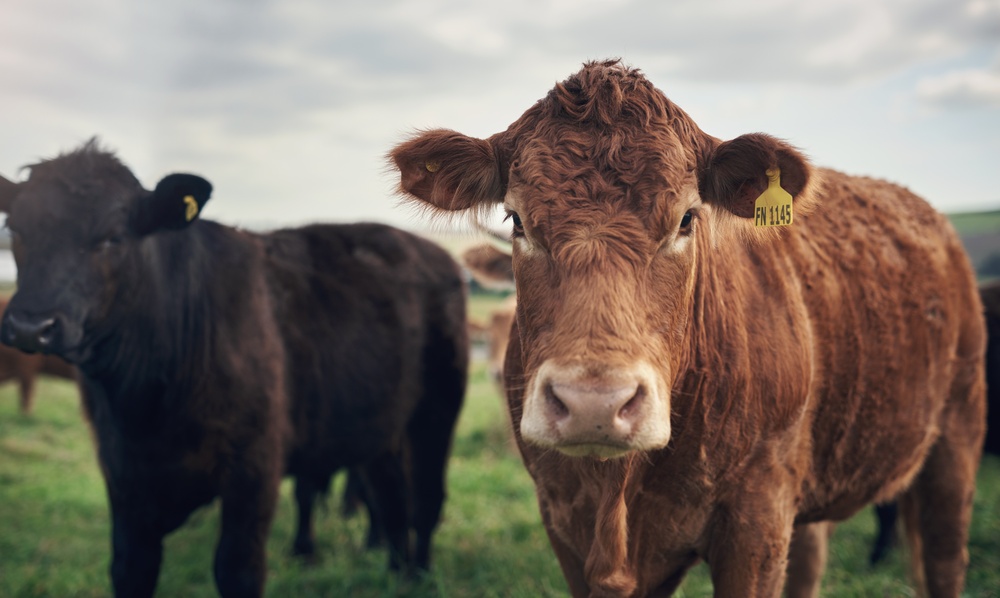
Have you noticed the soaring cost of a simple steak or hamburger at the local grocery store lately? While weather patterns and general inflation often take the blame for high food prices, a much larger, hidden force might actually be controlling the meat aisle.
Contents
show
The Department of Justice recently launched a massive investigation to determine whether a tiny group of corporate giants has been quietly working together to squeeze both independent farmers and everyday shoppers.
How Four Companies Took Over the Beef Industry
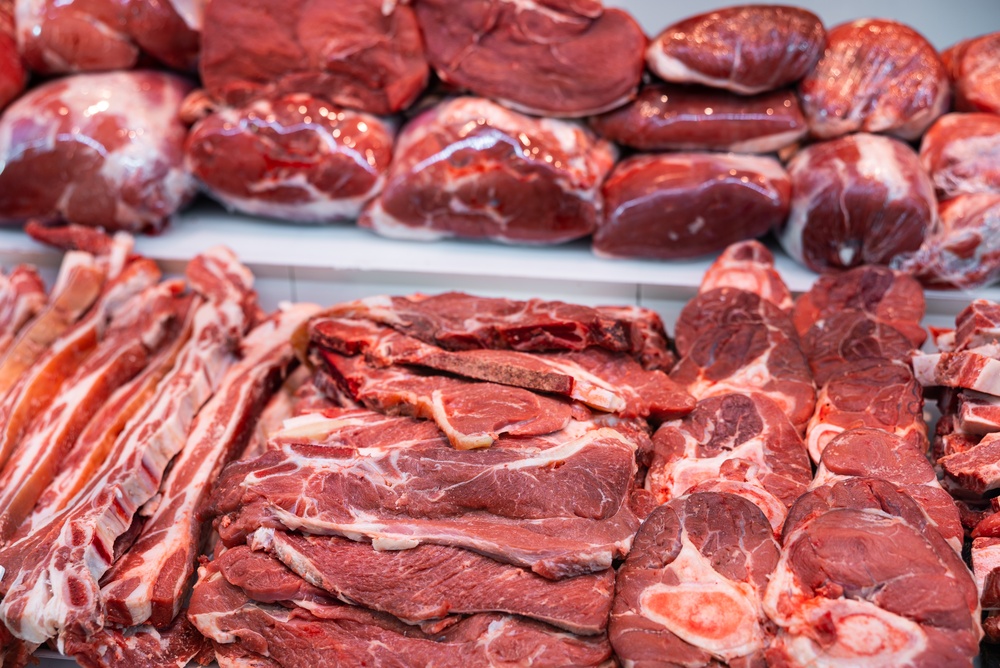
When shopping for groceries, most people assume there are dozens of companies competing to provide the best meat at the lowest price. However, the reality looks quite different. Back in 1977, the four biggest meat processing companies controlled just 25 percent of the market. Today, four massive corporations control a staggering 85 percent of the beef industry. Those companies are JBS, Cargill, Tyson Foods, and National Beef.
This tight grip on the market changes how food gets to the dinner table. With so few buyers in town, independent cattle ranchers have almost no room to negotiate a fair price for their livestock. As a result, families end up paying more at the checkout counter. Acting Attorney General Todd Blanche recently confirmed that the Department of Justice is looking into this setup. Investigators are reviewing over three million documents to see if these companies are breaking antitrust laws. Blanche pointed out that having so much control in so few hands, especially alongside recent plant closures across the country, raises serious questions about fair play.
Agriculture Secretary Brooke Rollins also weighed in on how this setup hurts everyday Americans. She explained that when just a few companies run the entire show, any small hiccup in their operations can cause major spikes in grocery prices. The current system leaves hardworking ranchers with few options to sell their cattle and gives consumers fewer choices at the store. The government’s goal now is to bring real competition back to an industry that feeds the country.
Local Ranchers Struggling
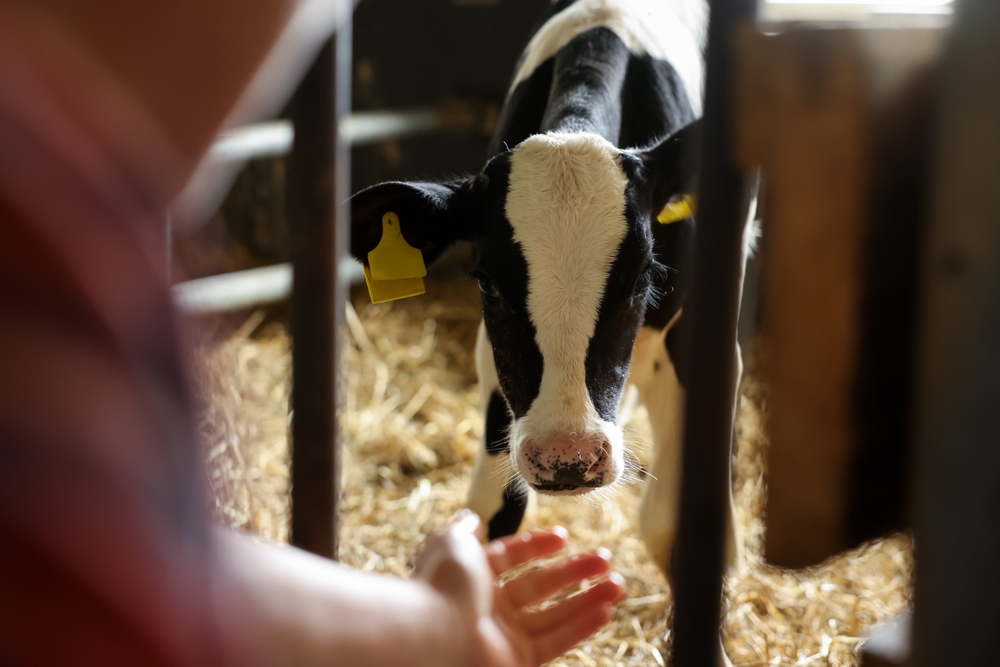
While shoppers feel the sting at the grocery store, the people raising the cattle are fighting to survive. Decades ago, independent ranchers took home around 70 cents of every dollar spent on beef. Today, that number has dropped to roughly 37 cents. Texas rancher Shad Sullivan recently highlighted the human cost of this shift. He pointed out that the United States has lost nearly half of all its beef cattle operations since 1980. Families who have worked the land for generations are being squeezed out of business because they cannot negotiate fair prices with the massive corporations that buy their livestock.
Adding another layer to this issue is the question of who actually owns these processing companies. Out of the top four meatpackers, two of them, JBS and National Beef, have major Brazilian ownership. Agriculture Secretary Brooke Rollins recently addressed this directly. She warned that having half of these giant companies controlled by foreign interests is a threat to both cattle producers and America itself.
White House trade adviser Peter Navarro also expressed serious concerns about this foreign influence. He noted that the combination of fewer cattle and dominant foreign processors has driven up inflation. Navarro strongly criticized the political spending of these companies, stating that the financial returns they see from their influence would make a Wall Street hedge fund blush.
Blowing the Whistle on Corporate Price Fixing
Have you ever wondered what happens behind closed doors at massive food processing plants? The Department of Justice is actively working to pull back the curtain. To break through the corporate secrecy, Acting Attorney General Todd Blanche recently issued a direct call for whistleblowers. He encouraged anyone with inside knowledge of price manipulation, bid rigging, or market allocation to step forward.
To sweeten the deal, the government is offering a substantial financial reward. Under the fraud whistleblower program, individuals who provide information leading to a criminal penalty of over one million dollars can receive 15 to 30 percent of the recovered funds. In an industry dealing with billions of dollars in revenue, a one million dollar penalty is a very low bar.
Furthermore, this antitrust crackdown extends far beyond the beef aisle. The Justice Department is also targeting anticompetitive behavior in the poultry and pork sectors. Specifically, the government is finalizing a major settlement with Agri Stats, a data sharing company for the meat industry. The lawsuit alleged that major meat processors used detailed reports from this company to artificially inflate prices for chicken, pork, and turkey, while simultaneously reducing domestic supplies.
By targeting both the human element through whistleblowers and the digital element through data sharing lawsuits, investigators are tackling the problem from multiple angles. For the average family trying to budget for groceries, these aggressive legal moves offer a promising step toward fair pricing across the entire meat department.
The Slow Death of the Traditional Cattle Auction
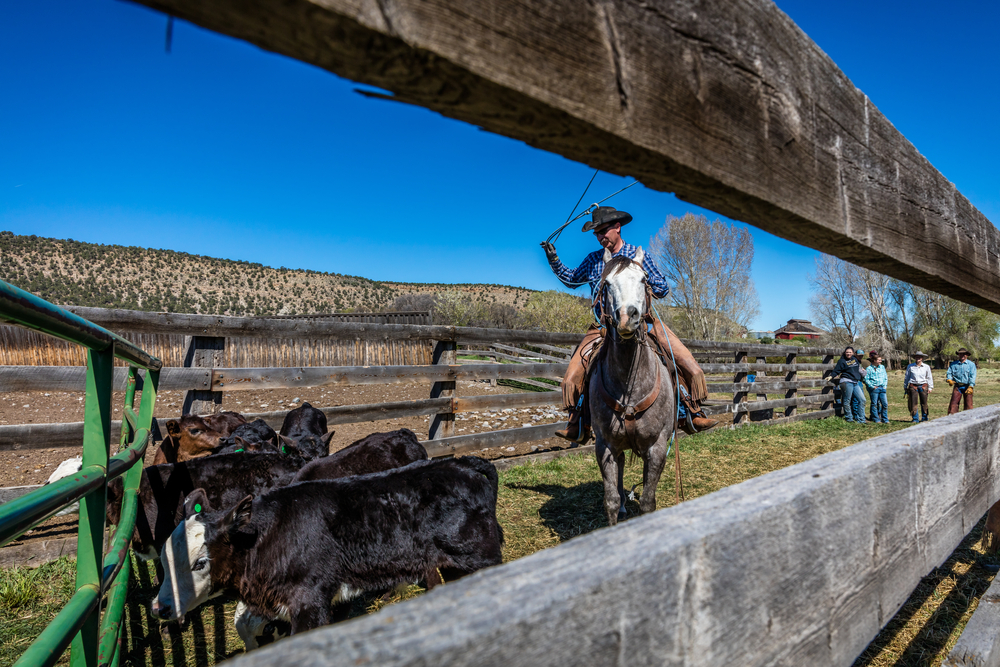
The open auction was the heartbeat of the cattle business. Ranchers would bring their livestock to a central location where multiple buyers would openly bid against one another. This competitive environment ensured a fair market value for the animals. However, the rise of the massive meat processors has largely replaced this public bidding system with private contracts known as alternative marketing agreements.
Under these private agreements, prices are locked in based on a reported base rate rather than real time competitive bidding. Because the four largest processors control the vast majority of cattle purchases, ranchers argue that these companies have the power to artificially depress those base rates. Without a robust open auction to set a true market value, producers are often forced to accept whatever terms the corporate processors dictate.
This pricing pressure arrives at a particularly vulnerable time for the agricultural community. Due to severe multi year droughts and soaring operational costs, the national cattle herd has plummeted to approximately 86.2 million head. This marks the lowest inventory recorded since the 1950s. Rebuilding these herds is a painfully slow process, often taking up to 30 months from the time a calf is born to when it reaches market weight.
Agriculture Secretary Brooke Rollins recently outlined the severe consequences of this market shift. She noted that industry consolidation reduces options for ranchers, directly weakens their negotiating power, and risks a dangerous reliance upon a single buyer. To bring criminal charges under the Sherman Act, the Department of Justice must prove that these processors are actively communicating to rig the system, rather than simply matching each other’s low prices.
Rebuilding a Fair Food System
At the end of the day, this legal battle is about making sure families can afford to put dinner on the table and protecting the hardworking people who raise that food. If these antitrust laws are enforced, the agriculture world might finally see a return to fair play. This kind of shift is exactly what farming communities need to survive, and it helps protect the entire country from sudden food shortages or price spikes.
Breaking up this massive corporate control is the only way many traditional cattle ranches will stay in business. When a market is spread out among many buyers, local operations have room to breathe and grow without the constant fear of artificially low prices. Many folks in the agriculture community see this government intervention as a massive turning point. Real changes to the market could build a much stronger system where honest, hard work actually pays off and market manipulation faces serious consequences.
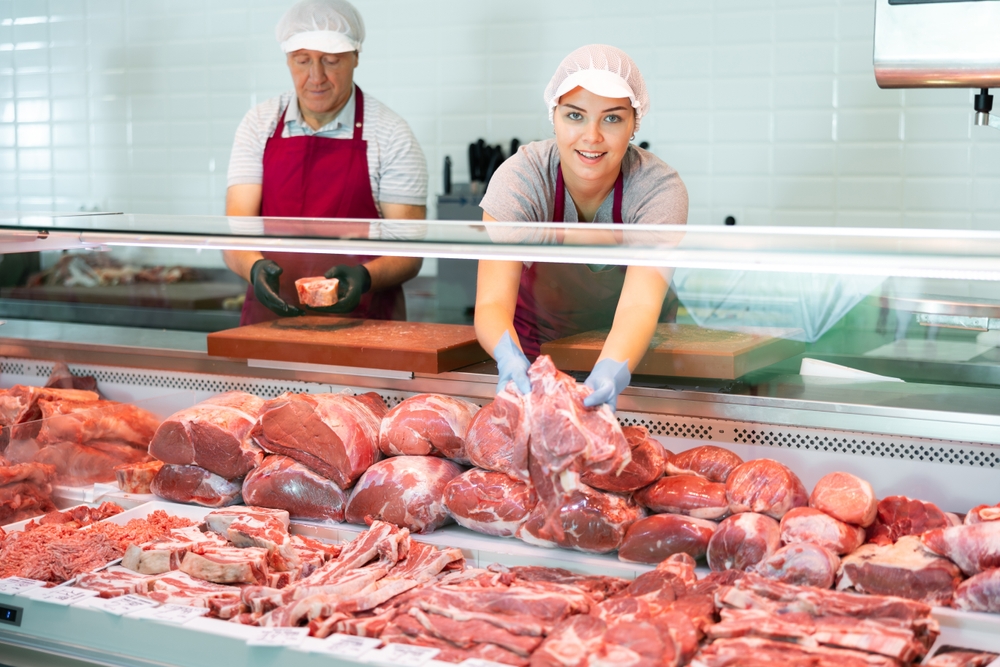
While federal investigators sort through millions of corporate documents, everyday grocery shoppers still have ways to make an impact. People looking to step outside the massive corporate supply chain can always visit a neighborhood butcher or buy meat straight from regional farms. Getting involved in community supported agriculture is another great way to find high quality food while keeping dollars right in the local hometown. Exploring these everyday choices directly supports independent farmers and sends a loud message that people want a fair deal at the meat counter.