
Your cart is currently empty!
Former Mayor Rudy Giuliani Seeks 9/11 Program Health Coverage
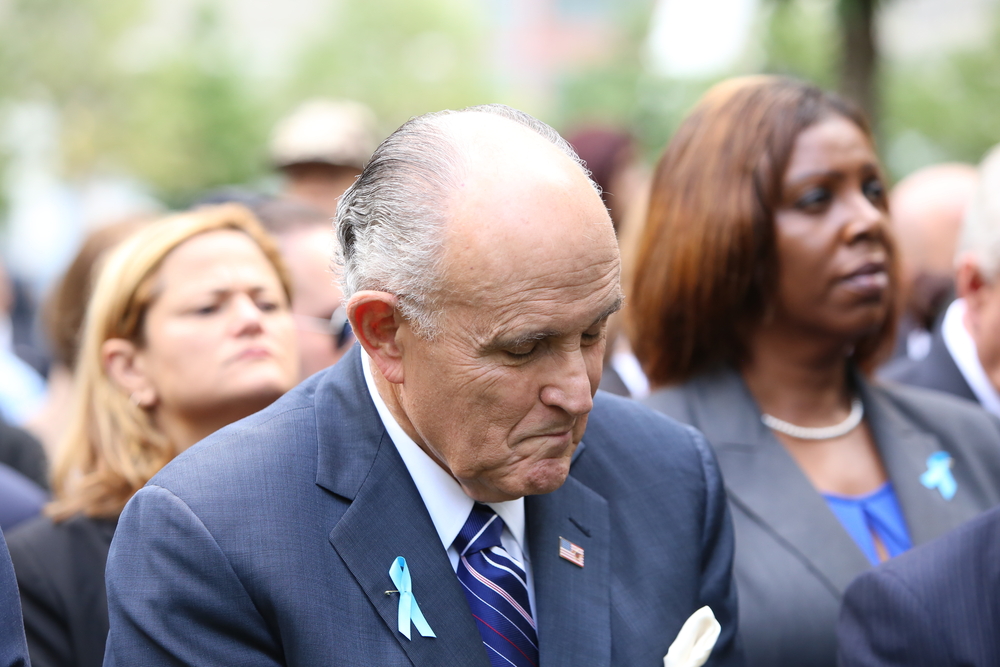
More than two decades after the dust settled over lower Manhattan, the physical toll of September 11 continues to emerge in unexpected ways. For former New York City Mayor Rudy Giuliani, a sudden and severe medical emergency has transformed a historical connection into an urgent, present-day fight for survival.
Contents
show
Ground Zero’s Lasting Echo
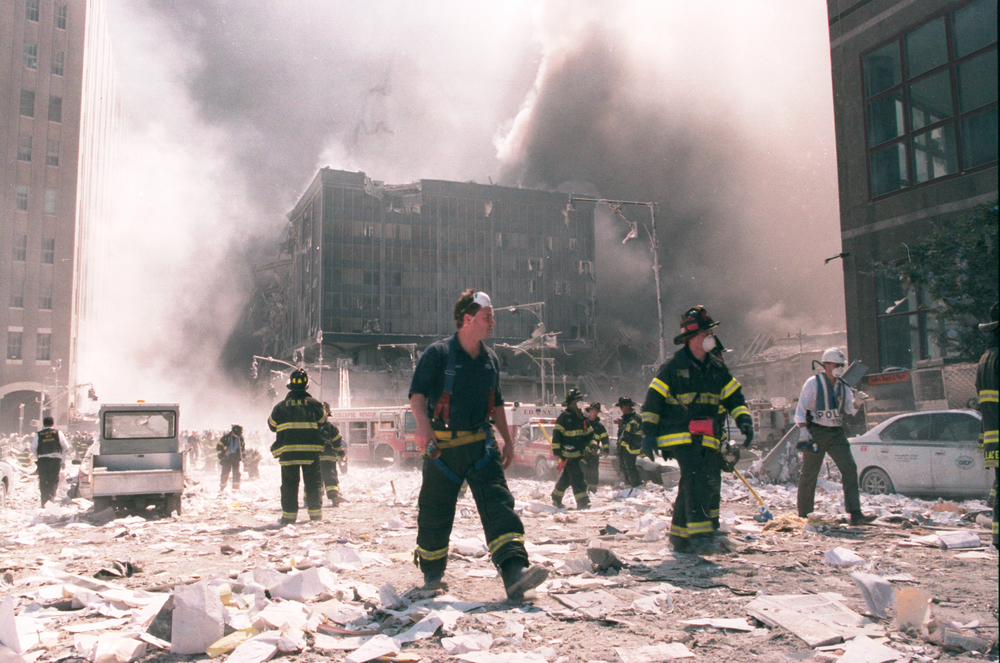
It has been a harrowing week for former New York City Mayor Rudy Giuliani, who recently faced a critical medical emergency. At 81 years old, Giuliani was admitted to a West Palm Beach hospital with a severe case of pneumonia that initially required mechanical ventilation. The sudden deterioration of his health brought a startling reminder of the long-term physical toll linked to his time at Ground Zero.
According to his spokesperson, Ted Goodman, the pneumonia was significantly complicated by restrictive airway disease. This chronic respiratory condition is widely documented among first responders and individuals exposed to the toxic dust cloud following the September 11 terrorist attacks. Goodman noted that the preexisting damage left Giuliani’s system highly vulnerable, allowing the infection to rapidly overwhelm his natural defenses.
In the wake of this hospitalization, the former mayor is taking steps to address his ongoing medical needs. Attorney Michael Barasch confirmed that his client is applying for coverage under the World Trade Center Health Program. This federal initiative provides specialized medical care for those suffering from ailments directly associated with the 2001 tragedy.
“I am proud to represent him and get him the health care he deserves,” Barasch stated regarding the application.
Out of the Woods, But Not Out of the Storm
Days after being placed on life support, the former politician has reached a pivotal milestone in his medical journey. Medical staff in Florida recently transferred Giuliani out of the intensive care unit, confirming that he is now breathing independently. Spokesperson Ted Goodman provided an optimistic update to the press, noting that the patient is successfully navigating the acute phase of his illness.
“The mayor believes in the power of prayer, and we are feeling that strength today,” Goodman shared, adding a hopeful note that Giuliani is “winning this battle.”
This medical emergency arrives amidst a highly turbulent chapter in Giuliani’s public and private life. Over the past few years, he has navigated formidable legal setbacks and staggering financial burdens. These compounding challenges include a widely publicized defamation judgment and complex bankruptcy proceedings that have severely impacted his personal estate. In this context, his enrollment in the federal health program carries profound practical significance, as the initiative covers the substantial costs of treating registered conditions.
Understanding the Health Program

Established by the James Zadroga 9/11 Health and Compensation Act, the World Trade Center Health Program provides an essential lifeline for aging survivors. To fully understand the necessity of this initiative, one must look at the science of the 2001 disaster. The toxic dust cloud that blanketed lower Manhattan contained a hazardous mixture of pulverized glass, cement, asbestos, and toxic metals.
When inhaled, these caustic particulates caused severe mucosal changes and permanent small airway remodeling. According to published data from the National Institutes of Health, aerodigestive disorders rank among the most common ailments certified by the program. These respiratory conditions affect more than 35 percent of enrolled survivors. Conditions like chronic obstructive pulmonary disease, severe asthma, and the restrictive airway disease affecting Giuliani are notoriously persistent. They can lie dormant or remain manageable for years before suddenly compounding other age related illnesses.
The Centers for Disease Control and Prevention, which administers the federal program, notes that the initiative “provides high-quality, compassionate medical monitoring and treatment” to those directly affected. This monitoring is vital, as early detection of changing lung functions can be the difference between a manageable condition and a critical emergency.
The program represents far more than just a bureaucratic health fund. It is a profound, legislated national promise. By covering over 70 types of cancers and numerous respiratory diseases, the initiative ensures that the citizens and first responders who endured the darkest hours of 2001 are not left to face the physical aftermath alone.
Obtaining coverage under the World Trade Center Health Program requires navigating a rigorous enrollment and certification process. Registration is not granted automatically. Applicants must submit comprehensive documentation proving their presence in the New York City exposure zone between September 2001 and July 2002. Furthermore, a specialized clinical center must officially evaluate their medical records before the National Institute for Occupational Safety and Health grants final approval.
While Giuliani’s public status makes his connection to Ground Zero universally known, his application highlights a complex administrative journey that thousands of citizens face each year. His highly publicized medical emergency has unexpectedly served as a profound awareness campaign. According to advocacy groups, a significant number of eligible downtown residents, former students, and office workers remain unaware that they qualify for this essential medical monitoring.
Legal advocates have spent years urging survivors to register before critical illnesses develop. In a public statement addressing the program’s vital funding needs, attorney Michael Barasch emphasized the immense stakes involved for the community. “The health program has saved thousands of lives and rescued many 9/11 families from medical bankruptcy,” Barasch noted. He frequently reiterates that anyone in the exposure zone has the right to register for the health initiative.
Supporting the Survivors of 9/11
Giuliani’s ongoing recovery offers a window into a much broader reality. While his move from intensive care to rehabilitation marks a personal milestone, it also underscores the lingering ailments that continue to afflict thousands of first responders and downtown residents. The dust at Ground Zero may have settled over two decades ago, but its physical toll remains an active, daily fight for an entire generation.
The World Trade Center Health Program was built specifically for this protracted reality, recognizing that the true cost of the attacks would stretch far beyond the immediate aftermath. The initiative ensures that those who endured the environmental fallout are not left to shoulder the medical burden alone, fulfilling a long-standing national commitment to ongoing care.
Setting aside the complexities of his political legacy, the former mayor’s current health battle brings a deeply human element back into focus. It serves as a reality check on the enduring vulnerabilities shared by survivors. As Giuliani and thousands of others navigate these long-term health challenges, their experiences emphasize the necessity of sustained medical support for those still living with the physical echoes of 2001.