
Your cart is currently empty!
The Remote Arctic Island Where Anyone Can Move Without a Visa
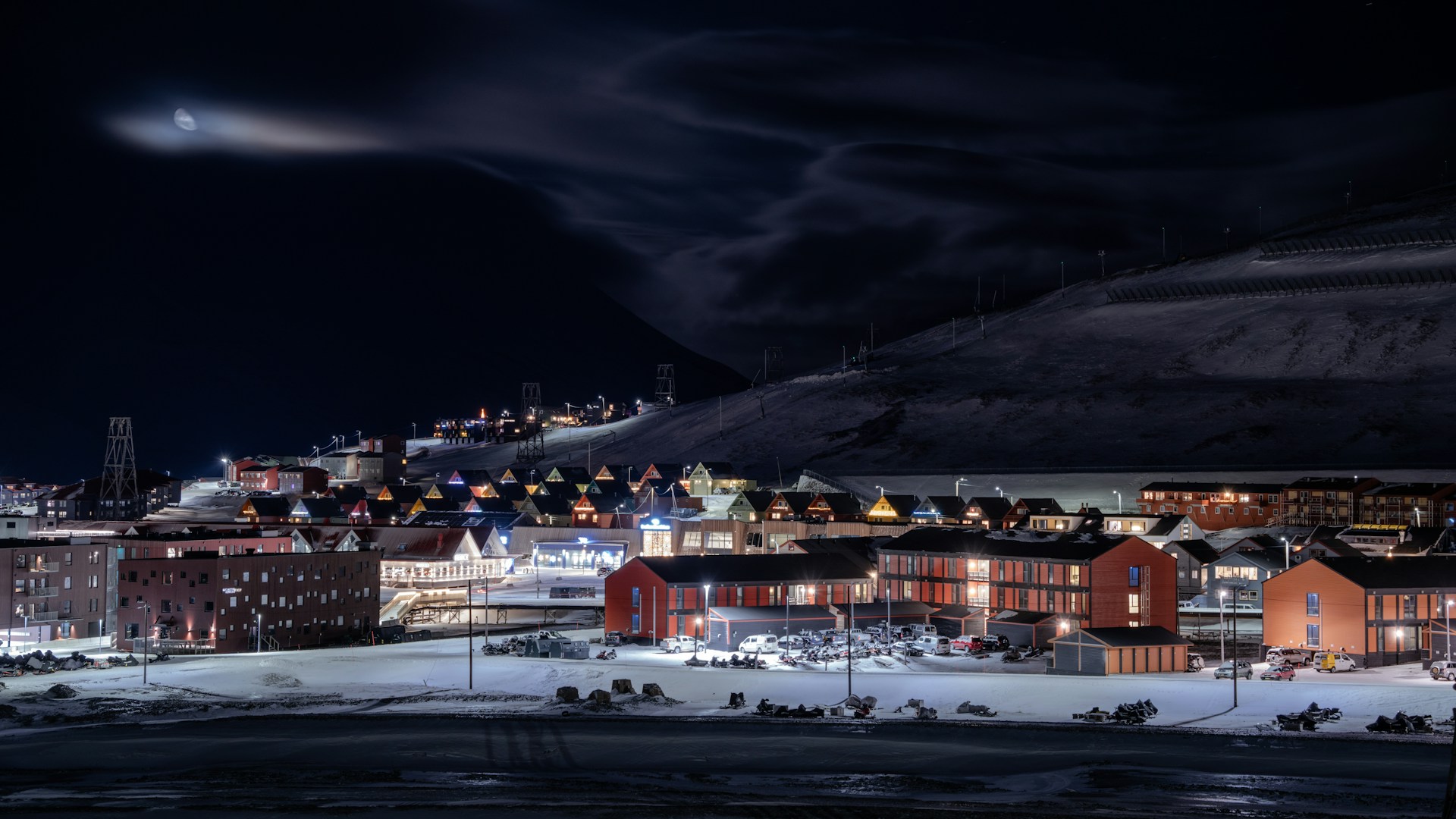
A frozen island near the North Pole has quietly become one of the strangest places on Earth. No matter where someone comes from, they can move there, work there, and stay there without needing a visa. In a time when most countries are tightening immigration policies and increasing border controls, the existence of a place like this feels almost impossible. Yet thousands of people have discovered that this remote Arctic territory still operates under rules that seem completely disconnected from the modern world.
Contents
show
For many people online, the idea sounds too unbelievable to be true. Social media users frequently compare Svalbard to something from a dystopian novel or an alternate reality where national borders barely matter anymore. While the rest of the world debates immigration laws and rising travel restrictions, this frozen Arctic settlement quietly continues operating under rules established more than a century ago. That contrast has turned the islands into one of the internet’s most fascinating hidden stories.
That place is Svalbard, a remote Norwegian archipelago covered in glaciers, polar bears, and months of darkness. Despite its brutal climate, it has become a global curiosity because of one unusual rule that almost sounds made up. Social media users regularly react with disbelief after learning the islands are open to people from nearly every country. Videos explaining Svalbard’s residency rules have generated millions of views online, especially among younger audiences frustrated with expensive housing and difficult immigration systems in other parts of the world.
Why Svalbard Has No Visa Rules
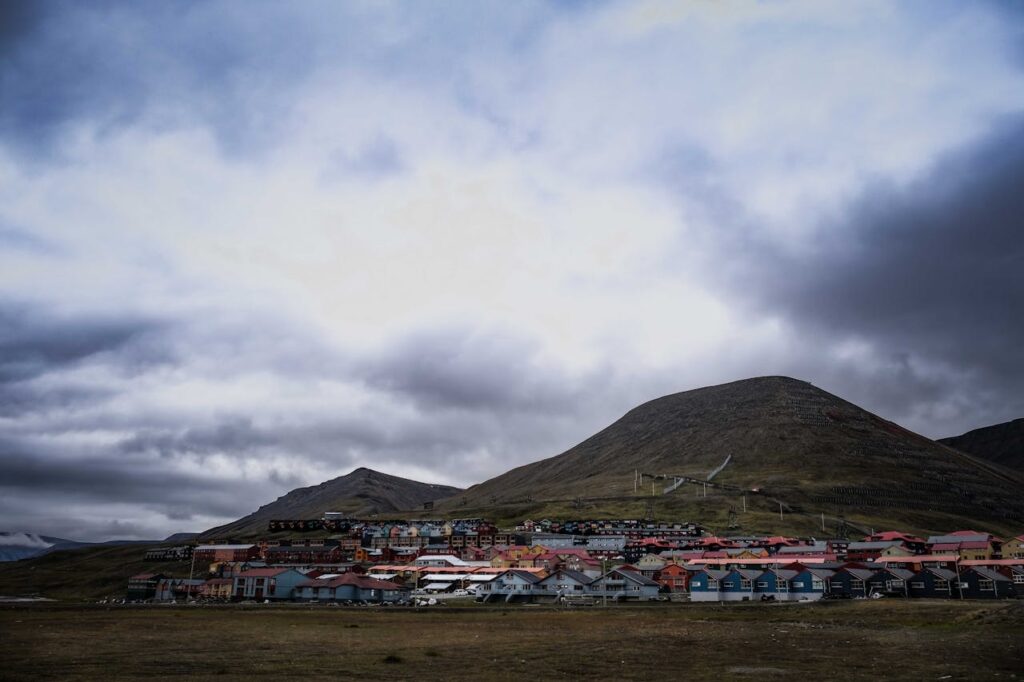
Svalbard sits roughly halfway between mainland Norway and the North Pole. While it belongs to Norway, the islands operate under a unique international agreement called the Svalbard Treaty. The region looks more like a science fiction movie set than a normal place to live. Jagged mountains rise above frozen fjords, snow covers the landscape for much of the year, and the weather can shift rapidly within hours. Even reaching the islands requires careful travel planning because commercial flights are limited.
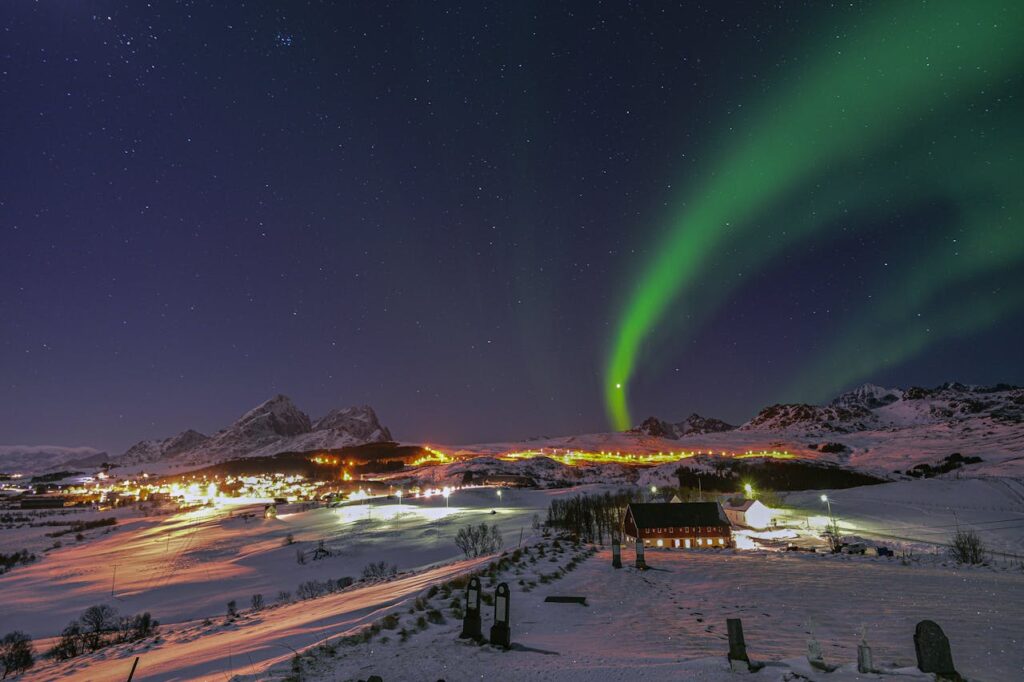
Despite its remote location, Svalbard has slowly transformed into a symbol of global curiosity. Travelers, digital nomads, researchers, and adventure seekers regularly share videos showing daily life there. Some clips feature people walking through snow-covered streets beneath the northern lights, while others show residents navigating total darkness during winter. Those visuals have fueled massive online interest because the islands feel disconnected from modern urban life.
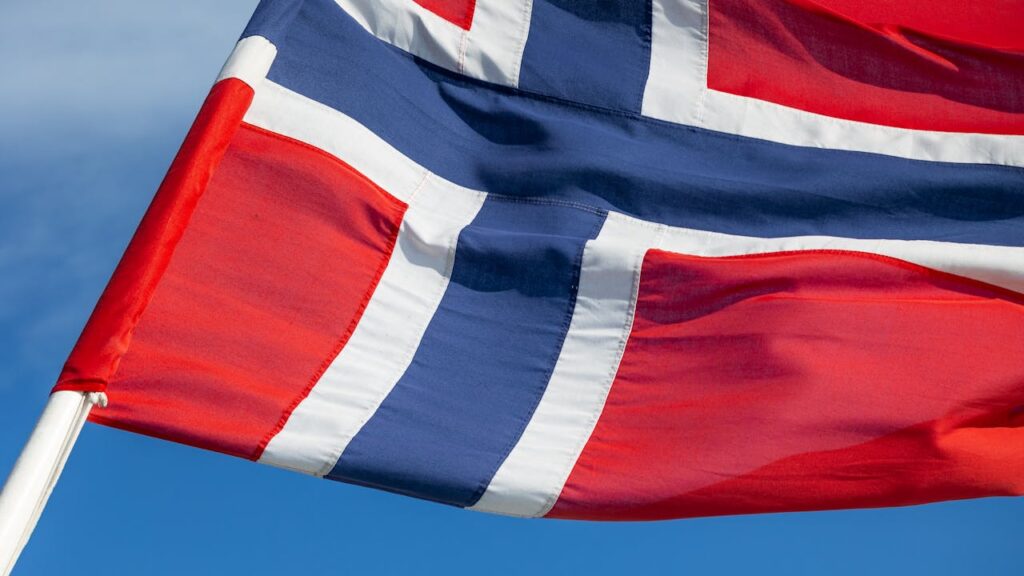
The treaty was signed in 1920 by multiple countries after World War I. It gave Norway sovereignty over the islands, but it also created one rule that still surprises travelers today. Citizens from treaty countries must receive equal rights to live and work there. More than 40 nations eventually signed onto the agreement, including the United States, the United Kingdom, Canada, Japan, and many European countries. That decision permanently shaped the identity of Svalbard as a place built around international access instead of strict border controls.
Over time, that agreement turned Svalbard into what many people now describe as the world’s only truly visa-free zone. Unlike most places on Earth, there is no residence permit requirement for foreigners who want to relocate. The policy continues to surprise immigration experts and travelers because it feels completely opposite to the direction most countries are moving today. In many parts of the world, crossing borders has become increasingly difficult, expensive, and heavily regulated.
The Rule That Changed Everything
Most countries require visas, work permits, sponsorships, or strict immigration checks. Svalbard operates differently because the treaty prevents discrimination based on nationality among participating states. That unusual legal framework has made the islands stand out in a world where immigration systems are becoming increasingly restrictive. Many people are shocked to discover that a place with such open residency policies still exists in modern Europe.
That means someone from India, Canada, Thailand, Brazil, or South Africa can legally move there without going through the normal immigration maze tied to most countries. There are no traditional visa interviews, lengthy waiting periods, or complex residency point systems tied to nationality. The simplicity of the process has attracted growing attention from travelers and remote workers online. For many people, Svalbard represents a rare example of global openness that has almost disappeared elsewhere.
There is still one major catch. People must support themselves financially. Norway does not provide the same welfare protections on the islands that exist on the mainland. Anyone planning to move there must already have savings, employment, or another reliable source of income before arriving. The Arctic environment can become extremely unforgiving for people who arrive unprepared.
Anyone who cannot support themselves may eventually be asked to leave. The freedom to move there exists, but survival still depends on having work, savings, or a stable plan. Living in one of the coldest inhabited places on Earth comes with serious financial and emotional demands. While the immigration rules are unusually open, daily survival still requires careful preparation and long-term stability.
Life in One of the Harshest Places on Earth
The idea of unlimited residency sounds like a dream until people see what daily life in Svalbard actually looks like. Temperatures regularly plunge far below freezing, and winter darkness can last for months. Strong Arctic winds often make the cold feel even harsher, especially during storms. Residents must constantly prepare for extreme weather conditions that can disrupt travel, outdoor movement, and daily routines with little warning.
Daily life requires a level of preparation that most people never experience in ordinary cities. Residents keep emergency supplies inside their homes, wear specialized Arctic clothing, and carefully monitor weather alerts before leaving town. During severe winter conditions, visibility can disappear within minutes because of snowstorms and freezing winds. Even short trips outdoors can become dangerous without proper equipment and experience.
The largest settlement, Longyearbyen, has a population of only a few thousand people. Snowmobiles often replace cars, and residents are required to carry rifles outside town because of polar bear encounters. The small population creates an unusually close community where many people know each other personally. Newcomers often describe the town as both welcoming and surreal because of how isolated it feels from the rest of the world.
Despite the isolation, the town has restaurants, bars, schools, grocery stores, gyms, and internet access. There are even music festivals and community events during the long Arctic winter. Residents often describe the social atmosphere as surprisingly active for such a remote location. Community gatherings become especially important during dark winter months when isolation can feel emotionally overwhelming.
The Sun Disappears for Months
One of the biggest shocks for newcomers is the polar night. Between late October and February, the sun does not rise above the horizon. During this period, darkness dominates daily life for weeks at a time. Many first-time residents say the experience feels surreal because the human body loses its normal connection to daylight and routine.
That constant darkness affects sleep, mental health, and daily routines. Many residents use bright indoor lights and carefully structured schedules to cope with the long winter. Some people also rely on exercise, social events, and outdoor activities to maintain a sense of balance during the darkest months. Mental health awareness has become an important part of life in Arctic communities like Svalbard.
Then the opposite happens in summer. During the midnight sun period, daylight continues around the clock for months. The sun remains visible even late at night, creating an environment where time can feel strangely distorted. Visitors are often amazed by the sight of people hiking, cycling, and socializing outdoors at midnight beneath bright daylight.
Some people love the endless daylight and outdoor activities. Others struggle to sleep because the body loses its normal sense of time. Blackout curtains become essential for many residents trying to maintain regular sleeping patterns during summer. The dramatic seasonal changes are part of what makes life in Svalbard feel completely different from almost anywhere else in the world.
Polar Bears Are a Real Threat
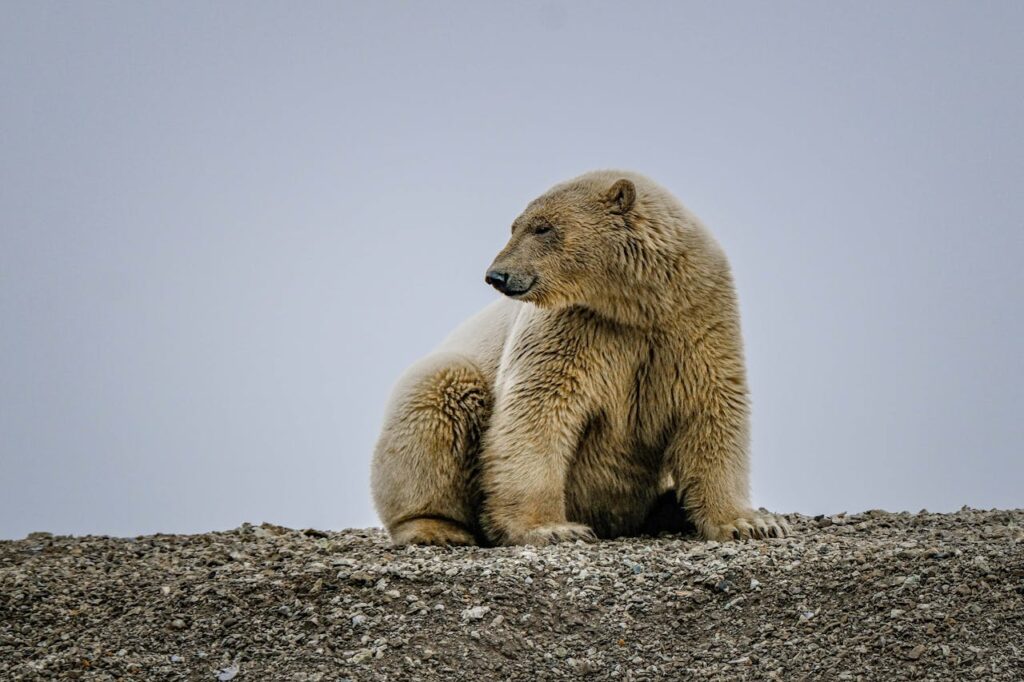
Svalbard is one of the few places in the world where people are legally advised to carry firearms outside settlements. That rule exists because polar bears roam freely across the islands. Unlike zoos or protected safari areas, these animals move naturally across the Arctic landscape and occasionally pass near human settlements. Local authorities repeatedly warn visitors that polar bears should never be approached under any circumstances.
The danger becomes especially serious for hikers, campers, and photographers traveling outside Longyearbyen. Arctic weather conditions can reduce visibility quickly, making wildlife encounters harder to predict. Tour companies operating in remote areas usually require experienced guides trained in polar bear safety procedures. For many tourists, the idea of carrying protection against wild bears adds another surreal layer to the Svalbard experience.
Tourists leaving Longyearbyen often travel with armed guides because safety regulations are taken extremely seriously across the islands. Local authorities repeatedly warn visitors that polar bears are not tourist attractions and should never be treated casually for photographs or videos. While online clips may make the Arctic look peaceful and cinematic, the environment remains dangerous and unpredictable. Visitors unfamiliar with wilderness survival can quickly underestimate how risky conditions become outside populated areas.
Guided expeditions have become one of the safest ways for tourists to explore glaciers, ice caves, and remote coastal regions. Professional guides monitor wildlife activity carefully and remain prepared for emergencies caused by weather or animal encounters. The harsh environment demands constant awareness even during routine outdoor activities. That sense of danger is part of what makes Svalbard feel dramatically different from ordinary tourist destinations.
Why So Many People Are Suddenly Fascinated by Svalbard
Interest in Svalbard has exploded online over the past few years. Viral TikTok videos, travel documentaries, and social media posts have introduced millions of people to the islands. Many content creators describe the location as one of the last truly unusual places left in the modern world. Viewers are often stunned by the combination of open residency laws, Arctic wilderness, and strange local customs that seem disconnected from ordinary life.
The internet has played a massive role in reshaping how younger generations view Svalbard. Videos explaining the islands often attract comments from people joking that they are ready to move there immediately. Others describe the place as both beautiful and terrifying because of the darkness, isolation, and constant threat of polar bears. The strange balance between freedom and danger has helped make Svalbard one of the most viral travel-related topics online.
Many viewers are shocked that a place with open residency rules still exists in modern Europe. The story becomes even more surreal when combined with images of snowy mountains, northern lights, abandoned mining towns, and polar bears wandering across frozen landscapes.
For some people, Svalbard represents escape. Rising housing costs, strict immigration systems, and economic pressure in many countries have made the islands feel like an alternative reality.