
Your cart is currently empty!
The Hidden Giant That Produced Almost Half Of Earth’s Gold
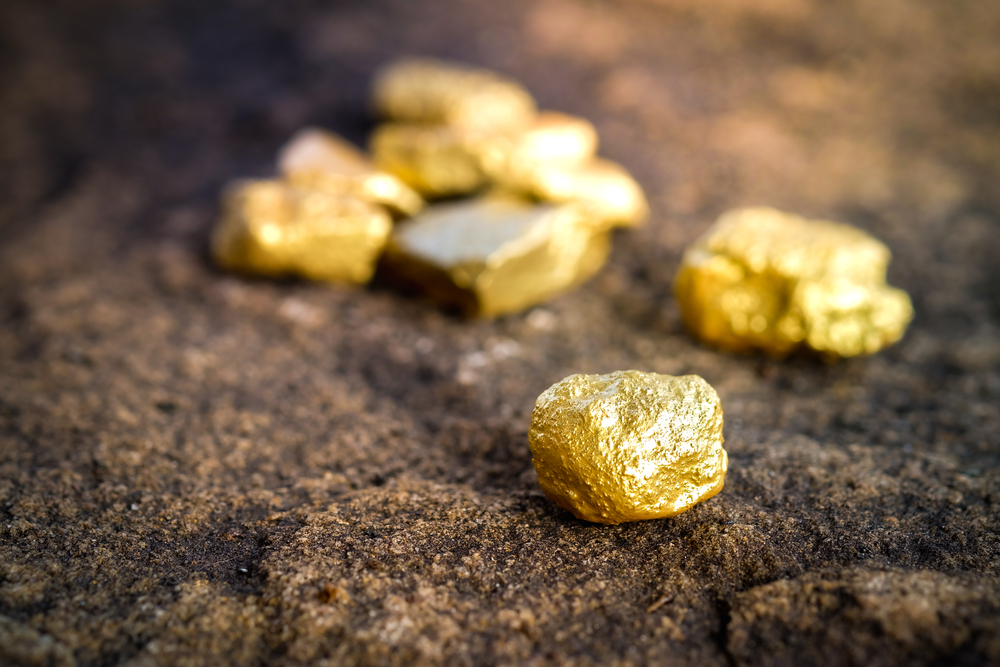
Gold has shaped empires, fueled wars, influenced diplomacy, and transformed economies for thousands of years across continents and cultures. From ancient jewelry and religious artifacts to modern financial reserves and investment markets, this metal has carried power, symbolism, and measurable value through every major era of recorded history. Its presence has often signaled wealth and stability, yet also conflict and competition between nations.
Contents
show
Nearly half of all the gold ever mined on Earth traces back to a single geological formation in southern Africa. That fact alone reshapes how we understand resource concentration, industrial expansion, and the development of global trade networks. It also highlights how one natural region quietly influenced centuries of economic systems far beyond its borders.
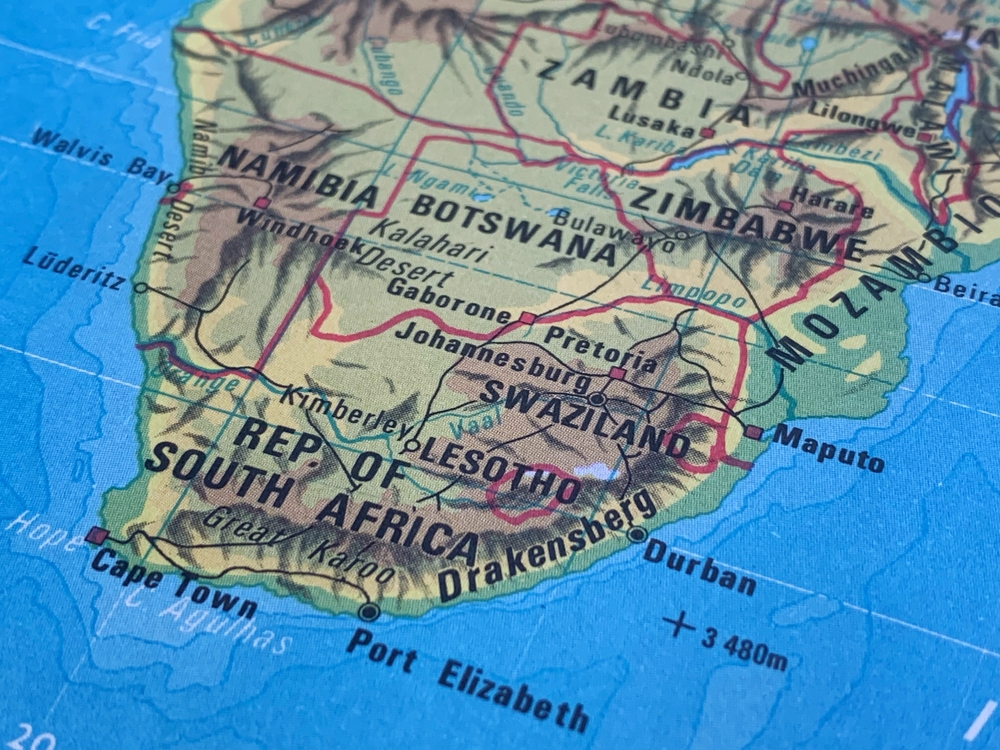
The source is the Witwatersrand Basin in South Africa, widely recognized as the largest known gold deposit in human history. Its impact stretches beyond geology into finance, infrastructure, urban growth, and international markets, making it one of the most significant resource discoveries ever documented.
How The Gold Was Formed
Scientists believe the gold originated from ancient river systems that flowed across prehistoric landscapes long before modern continents took their current shape. These rivers carried microscopic gold particles that were eroded from surrounding rock formations and transported across vast distances.
Over time, erosion deposited these particles into river channels where they settled alongside sand, gravel, and other sediments. Layer after layer accumulated gradually, embedding the gold within thick deposits that would later become part of solid rock structures.
Millions of years of pressure, heat, and geological movement transformed those sediments into the hardened formations recognized today. This slow natural process concentrated the metal into rich deposits that were far more extensive than typical gold regions found elsewhere in the world.
The result was a resource of remarkable scale and density that stood out even among other major mining discoveries. That geological concentration created conditions that allowed industrial mining techniques to extract unprecedented quantities of gold from a single basin.
What Is The Witwatersrand Basin
The Witwatersrand Basin is a vast and ancient geological structure formed more than two billion years ago through complex sedimentary and tectonic processes. It sits in what is now South Africa and extends across a wide region that includes major cities and historically important mining districts.
Geologists describe it as a sedimentary basin rich in layered rock formations that contain concentrated gold deposits. These layers were created through natural accumulation, compaction, and long-term geological transformation over immense spans of time. The environment preserved mineral content in ways that later made large scale extraction possible.
Unlike many gold deposits that form in narrow underground veins, Witwatersrand gold exists primarily in conglomerate rock formations spread across extensive areas. This unusual structure makes it one of the most distinctive and productive mining regions ever discovered anywhere on the planet.
The basin has produced an extraordinary volume of gold since large scale mining began in the late nineteenth century. Its cumulative output has surpassed that of many other regions combined, securing its place in global resource history and economic development.
The Gold Rush That Redrew The Map
In 1886, gold was discovered in the Witwatersrand region, triggering one of the most significant gold rushes in modern history. Prospectors, investors, engineers, and laborers traveled from different countries seeking opportunity and financial advancement.
Townships rapidly expanded into major cities as mining activity intensified across the region. Johannesburg grew from a small settlement into one of Africa’s largest urban centers within a relatively short period, driven primarily by the demand for gold extraction.
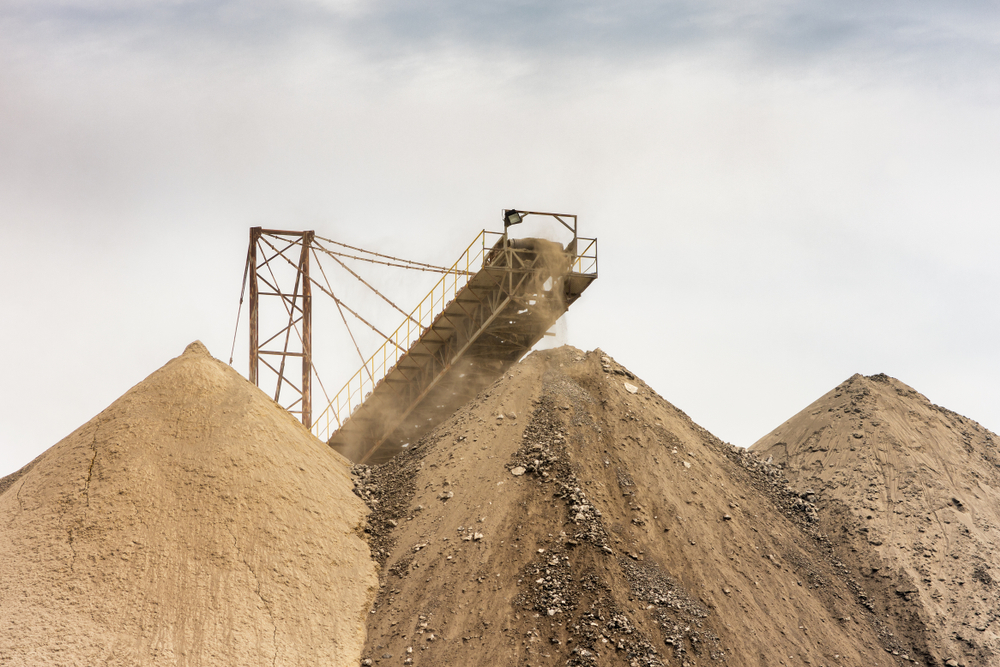
Mining operations scaled quickly as international capital entered the region to fund infrastructure and equipment. Railways, housing developments, and industrial facilities followed in order to support deep underground mining operations and workforce expansion.
The economic impact extended far beyond South Africa’s borders. Global gold markets adjusted as supply increased dramatically, influencing pricing structures, trade balances, and financial planning strategies across multiple nations and institutions.
Why This Deposit Matters Today
The Witwatersrand Basin remains central to global gold production history and continues to be referenced in discussions about resource concentration. Its cumulative output is estimated to account for nearly half of all gold ever mined on Earth, an extraordinary proportion for a single geological source.
That level of production has influenced central banking systems, national reserves, and international monetary strategies. Many countries hold gold reserves that originated, directly or indirectly, from this basin, demonstrating its long-term financial significance.
Gold from Witwatersrand played a notable role during periods when nations relied on gold backed currency standards. Its availability helped shape financial stability frameworks throughout the twentieth century and contributed to global reserve planning practices.
Even today, mining companies continue to explore and extract remaining resources from the basin. While production levels have declined compared to historic peaks, the region still contributes to the ongoing gold supply and remains an active mining area.

Key Facts About Witwatersrand Gold
Here are several standout details that highlight the importance of this geological formation and its impact on world history, both in terms of scale and long term global influence. The concentration of gold within this region has made it a central reference point in discussions about resource distribution and economic development.
The basin is widely regarded as the largest gold deposit ever discovered in human history, based on total output and geological concentration. It has produced nearly half of all gold mined globally since ancient times, a level of output unmatched by any other known source.
Many operations extend several kilometers underground to access deposits, requiring advanced engineering solutions, specialized equipment, and continuous technological innovation. Its production influenced international finance, currency systems, and reserve strategies across multiple generations, shaping how nations store value and manage economic stability.
These characteristics explain why the basin remains one of the most significant resource discoveries ever documented in modern industrial history. Few other sites have had a comparable influence on economic development, industrial expansion, and global trade patterns over such an extended period of time. patterns.
Economic Impact Across Generations
The gold extracted from the Witwatersrand helped shape South Africa’s modern economy over multiple generations. Mining became a dominant industry that supported employment, trade, infrastructure expansion, and technological growth within the region.
Entire communities formed around extraction sites, leading to the development of transportation networks, housing districts, and commercial centers designed to support miners and their families. The region’s urban growth was closely tied to the steady flow of gold from underground deposits.
Revenue generated from gold exports contributed to industrial development and international trade relationships. The basin became a cornerstone of economic activity within the country and an important contributor to global supply chains.
Globally, the consistent supply influenced gold prices and reserve strategies for decades. Its presence in international markets helped stabilize supply during periods of high demand and supported long-term financial planning.

A Geological Story That Shaped The World
The Witwatersrand Basin represents one of the most remarkable natural resource discoveries ever recorded by geologists and historians alike. From ancient river sediments formed billions of years ago to large-scale industrial mining operations, its history spans immense periods of Earth’s evolution and modern economic transformation.
The next time gold appears in headlines, its origins may trace back to this extraordinary region in South Africa. Its influence can be seen in financial systems, infrastructure growth, technological advancement, and global trade patterns across continents.
That single geological source quietly reshaped world history through sheer volume, sustained production, and long-term economic impact. Its legacy continues to echo through markets, industries, and reserve strategies today, long after the first mining shafts were established.
References
- Phillips, G. N. (2013). Witwatersrand gold: discovery matters. Applied Earth Science Transactions of the Institutions of Mining and Metallurgy Section B, 122(2), 122–127. https://doi.org/10.1179/1743275813y.0000000029
- Hofmann, A. (2024). Factors responsible for Witwatersrand gold mineralisation. South African Journal of Geology, 127(2), 271–284. https://doi.org/10.25131/sajg.127.0023