
Your cart is currently empty!
The 175-Year-Old Leo Tolstoy Diary Entry That Still Sounds Exactly Like Modern Dating
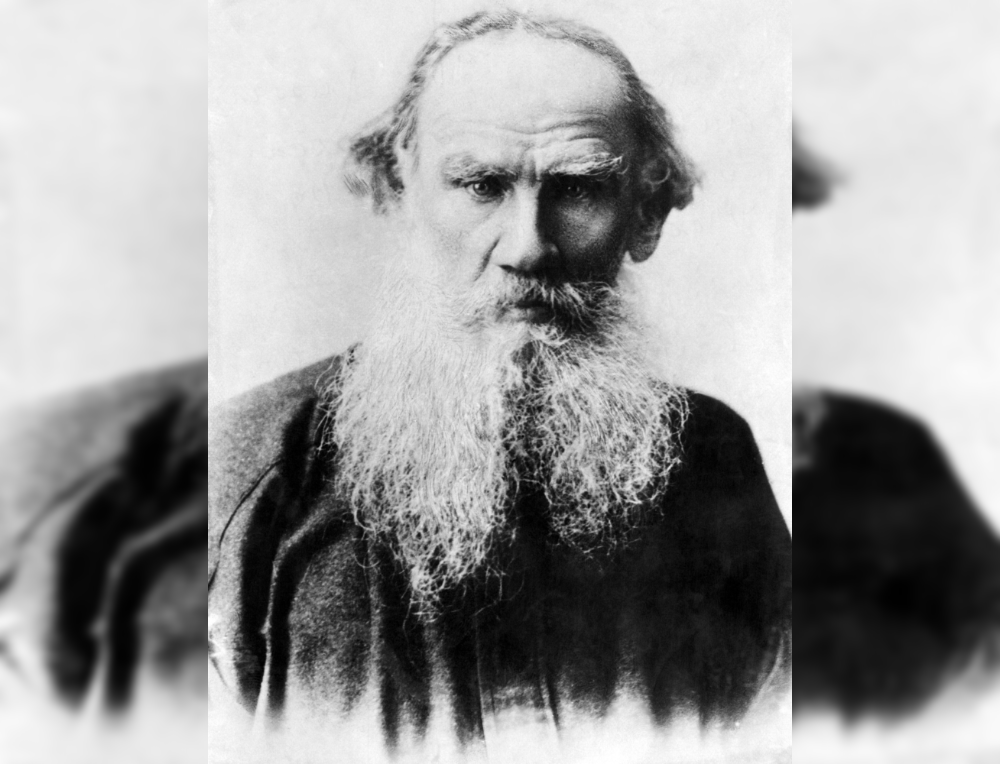
One night out, one crush, and one terrible financial decision. That was apparently enough for a 23-year-old Leo Tolstoy to create one of the most relatable diary entries ever written. More than 170 years later, people online are still laughing at how painfully familiar it feels.
Contents
show
Before he became the literary giant behind War and Peace and Anna Karenina, Tolstoy was just another young man making emotional decisions after a party.
The Two Sentences That Went Viral

On January 25, 1851, Tolstoy wrote a diary entry that has recently exploded across social media for capturing young love with almost suspicious accuracy.
He wrote:
“I’ve fallen in love or imagine that I have; went to a party and lost my head. Bought a horse which I don’t need at all.”
That was it. Two sentences. No dramatic declarations or tortured poetry, just a brutally honest admission that he got emotionally overwhelmed and immediately spent money on something unnecessary.
The internet instantly understood the assignment.
People shared the quote across X, TikTok, Instagram, and Reddit because it feels weirdly modern. Swap the horse for concert tickets, a motorcycle, expensive sneakers, or a spontaneous weekend trip, and the emotional logic still checks out.
Impulsive, Then and Now
There is something almost hilarious about realizing people in 1851 were making the exact same impulsive romantic decisions people make today. Technology changed, dating apps appeared, and entire social norms shifted, yet the emotional chaos of early attraction somehow stayed exactly the same.
Tolstoy’s diary entry works because it captures a very specific kind of emotional confusion. He does not even sound fully convinced he’s actually in love.
“I’ve fallen in love or imagine that I have” feels startlingly current. It sounds like something someone would text their friend after meeting a stranger at a party at 2 a.m.
Then comes the financial spiral.
“Bought a horse which I don’t need at all.”
That line is carrying the entire emotional economy of impulsive decisions.

People Couldn’t Stop Joking About The Horse
Part of the reason the entry spread so quickly online is that the horse detail raises an obvious question.
Was the horse connected to the woman?
Or did Tolstoy simply attend a party, get emotionally overwhelmed, see a horse, and decide his life suddenly required one?
Readers became obsessed with the ambiguity.
Some joked that this was the 19th-century version of buying a sports car after a breakup.
Others pointed out that Tolstoy genuinely loved horses throughout his life, which somehow makes the story even funnier.
The diary entry accidentally leaves room for multiple interpretations:
- He met a woman and impulsively bought a horse afterward.
- He fell in love with the horse itself.
- He confused emotional excitement with life-changing clarity.
- He simply had terrible self-control.
Honestly, all four explanations feel believable.
That uncertainty is part of what makes the quote so good. The human brain loves filling in missing details, especially when emotions and questionable purchases are involved.
Tolstoy Wasn’t Famous Yet
Another reason the entry fascinates people is timing.
When Tolstoy wrote those lines, he was not the legendary literary figure students would later spend years studying.
He was just a young aristocrat still trying to figure himself out.
At the time, he had not published the novels that would eventually make him one of history’s most respected writers. According to the source article, Tolstoy was only 23 years old when he wrote the entry.
That changes how the quote feels.
People often imagine historical geniuses as permanently serious, intellectual, and emotionally composed. Then a diary entry appears where one of the greatest writers in history basically says, “I went to a party, got emotional, and bought something stupid.” Suddenly, he feels less like a monument and more like a person.
The Internet Loves Historical Moments That Feel Weirdly Modern
This kind of viral reaction happens whenever old documents reveal that people centuries ago were dealing with the same emotions people experience now. It cuts through the distance of history.
The clothes were different, transportation looked different, and communication took weeks instead of seconds. But embarrassment, attraction, loneliness, jealousy, and impulsive decision-making stayed remarkably consistent.
That is why people also became fascinated with other short historical diary entries mentioned alongside Tolstoy’s.
Other Tiny Diary Entries That Said A Lot
Several historical figures left behind incredibly short diary moments that accidentally revealed how human they really were.
Aaron Burr Regretted Spending Too Much Money
Former U.S. Vice President Aaron Burr once wrote:
“Have spent 14 shillings and 6 pence magnificently; i.e., like an ass.”
The sentence feels modern because buyer’s remorse apparently existed long before online shopping.
Charles Darwin Had Terrible Days Too
Charles Darwin also left behind a diary line that people still quote today:
“But I am very poorly today and very stupid and hate everybody and everything.”
It sounds less like a famous scientist and more like somebody posting after a rough Monday.
Theodore Roosevelt Wrote One Of History’s Saddest Entries
After losing both his wife and mother on the same day in 1884, Theodore Roosevelt wrote:
“The light has gone out of my life.”
The sentence became one of the most devastatingly concise expressions of grief ever recorded.
King Louis XVI Accidentally Became A Meme
On the day the Bastille was stormed during the French Revolution, King Louis XVI reportedly wrote one word in his diary:
“Nothing.”
Historians later clarified he meant he had not gone hunting that day, but the accidental symbolism became legendary.
Unfiltered Hits Harder
There is an odd power in concise honesty. Tolstoy spent years writing massive novels filled with psychological depth and complex human behavior. War and Peace alone stretches beyond 1,000 pages.
Yet one of the most widely shared things he ever wrote was basically: “I got emotional and bought a horse.”
Short diary entries work because they feel unfiltered.
There is no performance.
No polished public image.
No carefully crafted legacy.
People tend to trust accidental honesty more than formal wisdom. That probably explains why readers connected so strongly with Tolstoy’s entry online. It feels immediate and human in a way polished writing sometimes does not.
Journaling’s Quiet Comeback

The viral spread of Tolstoy’s diary entry also sparked conversations about journaling itself.
For generations, keeping diaries was common. People recorded ordinary moments, emotional spirals, private frustrations, and random observations without expecting anyone else to read them.
Now, much of modern life gets documented publicly instead. Social media timelines replaced personal notebooks for many people, but they are not really the same thing.
A diary captures thoughts before they are edited for an audience.
That difference matters.
Researchers have also spent years studying whether journaling affects mental health.
According to a study referenced in the original report, young adults who spent time journaling experienced reductions in anxiety, depression, and hostility symptoms.
The habit forces people to slow down long enough to process what they are actually feeling.
Sometimes that produces emotional clarity.
Sometimes it produces a sentence about buying a horse you absolutely did not need.
Young Love Has Always Been Slightly Ridiculous

Part of what makes Tolstoy’s entry so memorable is how recognizable the emotional logic feels. People still make strange decisions when they get caught up in excitement, attraction, or the idea of a new relationship.
Today, someone might impulse-buy expensive concert tickets, book flights they cannot afford, or suddenly convince themselves they need a whole new personality after one good conversation. In 1851, Tolstoy bought a horse.
That is probably why the quote keeps spreading online. Beneath the historical setting and literary legacy, it captures something simple and familiar: young people have always done slightly irrational things when emotions take over.