
Your cart is currently empty!
President Trump ‘Seriously Considering’ Adding Venezuela as the 51st State
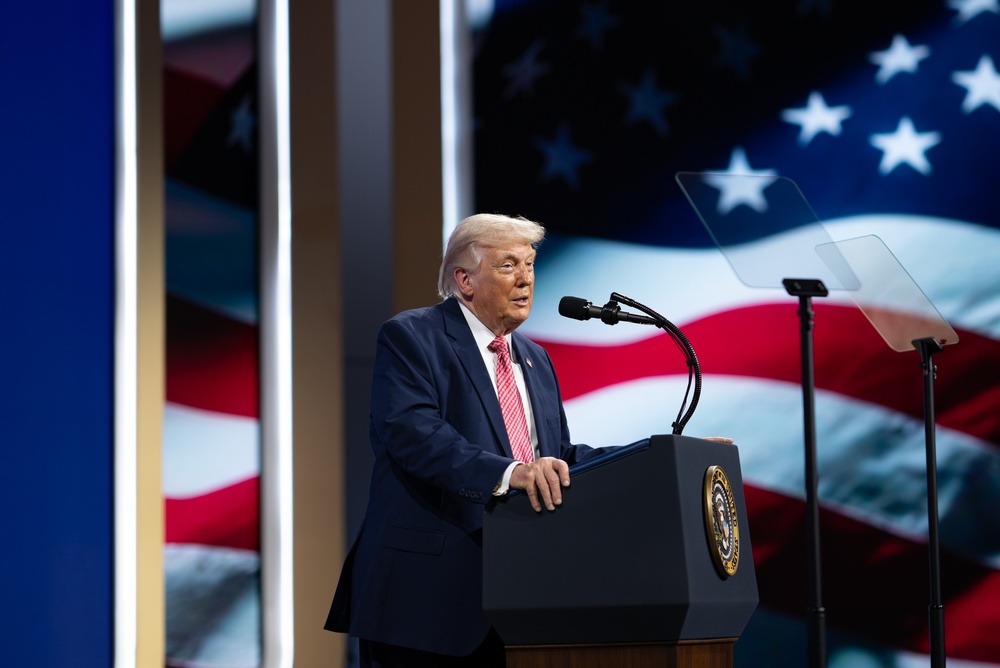
It reads like the plot of a high-stakes political thriller, but the latest news out of Washington is rooted in reality. President Donald Trump is reportedly reviewing an unprecedented proposal to make Venezuela the 51st state of the United States. Following a sudden and dramatic shift in Venezuelan leadership, the prospect of absorbing a sovereign South American nation alongside its massive oil wealth has ignited intense conversations in the capital.
Contents
show
Claiming the World’s Largest Oil Reserve
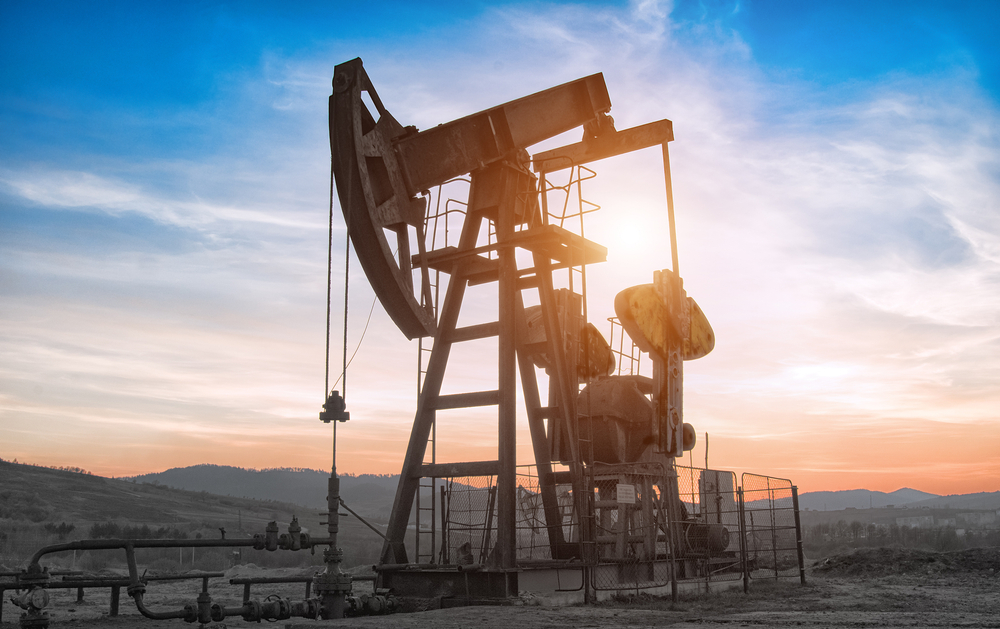
Recent reports indicate that President Donald Trump is weighing an unprecedented political move regarding South America. Sources suggest the administration is taking a close look at a proposal to incorporate Venezuela into the United States as the 51st state. The focal point of this interest appears to be the country’s massive natural resources.
Venezuela holds the largest proven oil reserves on the planet. Estimates put this figure at nearly 304 billion barrels. Valued at roughly $40 trillion, this energy reserve is a massive economic factor. Incorporating these resources into the American energy portfolio would completely change global oil markets and domestic production strategies. The administration is reportedly looking at the financial benefits of bringing such a massive oil supply under direct American jurisdiction.
This development comes at a time of ongoing tension regarding Venezuela’s borders and resources, specifically the Essequibo region disputed with Guyana. Adding Venezuela to the United States would inherently involve the American government in these long-standing international disputes. While the financial appeal of the oil is clear, the practical steps of acquiring a sovereign nation present immediate legal and diplomatic hurdles. Political analysts are currently tracking how this idea might transition from a concept to a formal policy discussion.
The Fall of Maduro and a New Era in Caracas
The discussion around statehood did not simply emerge out of nowhere. It follows one of the most dramatic power shifts in recent South American history. In January, former Venezuelan President Nicolás Maduro was removed from power during a targeted military operation. He was subsequently brought to the United States to face federal charges. This sudden exit created a massive leadership vacuum, fundamentally altering the political landscape of the region.
Currently, an interim administration led by Delcy Rodríguez is steering the nation. While Washington is eager to establish stronger ties and normalize operations, Rodríguez has drawn a firm line regarding the sovereignty of her nation. Responding directly to the statehood chatter, she made it clear that her country has no plans to join the American union. “We will continue to defend our integrity, our sovereignty, our independence, our history,” she stated, firmly adding that the nation is “not a colony, but a free country.”
Despite this resistance to annexation, the everyday reality between the two nations is changing rapidly. The United States has reopened its embassy in Caracas, and direct commercial flights between the two countries have officially resumed. It is a complex diplomatic situation. There is a clear push for economic integration, matched by a fierce protection of national identity from local leaders. These high-level diplomatic maneuvers are creating immediate, tangible shifts on the ground. As commercial flights bring an influx of American influence directly into Caracas, citizens are left to navigate the jarring reality of their rapidly changing national identity.
The Fight Over the Essequibo Border
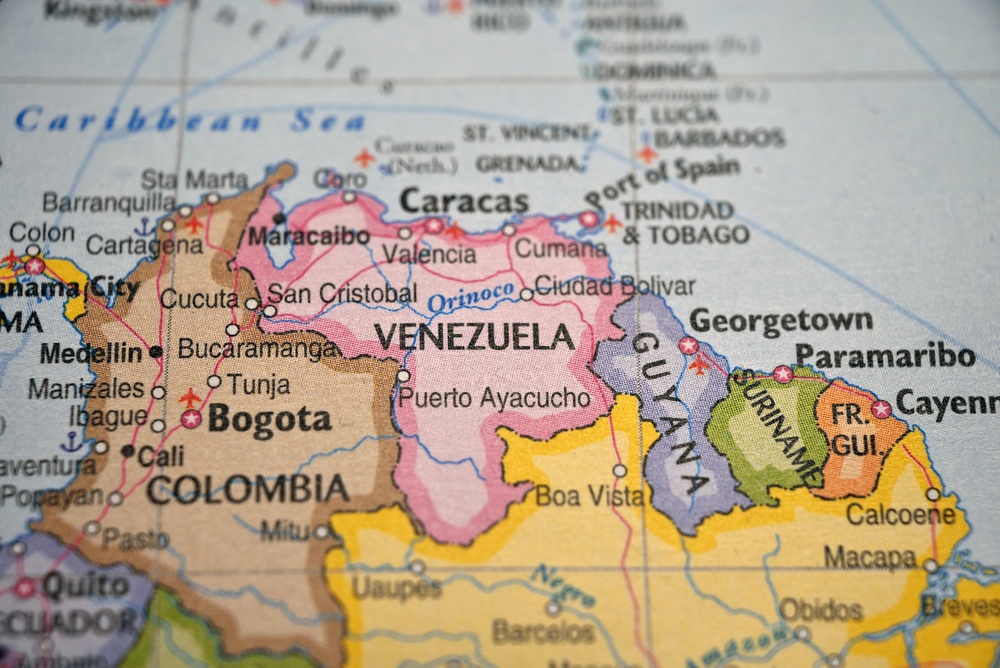
The conversation about American statehood arrives alongside a bitter, century-old border dispute between Venezuela and neighboring Guyana. At the center of this conflict is the Essequibo region. Covering 62,000 square miles, this heavily forested area makes up roughly two-thirds of Guyana’s total landmass.
More importantly, the territory sits near massive offshore oil deposits that currently yield an average of 900,000 barrels a day. The financial stakes have escalated the historical disagreement into a pressing international legal battle.
Venezuela has claimed the Essequibo region since the Spanish colonial era, arguing that an 1899 arbitration decision favoring Guyana was invalid. The matter is currently under review at the International Court of Justice in The Hague. During recent hearings, Guyana’s foreign minister, Hugh Hilton Todd, stressed the severity of the situation for his country. He told the panel of international judges that the ongoing dispute “has been a blight on our existence as a sovereign state from the very beginning.”
With nearly 70 percent of Guyana’s territory on the line, regional leaders are deeply concerned about any expansion of American power in Caracas. If the United States were to absorb Venezuela, it would inherit this complex territorial claim. Adding the Essequibo region’s immense offshore oil wealth to the discussion makes the prospect of statehood even more volatile. The situation leaves neighboring South American countries carefully monitoring the legal proceedings, knowing that a shift in Venezuela’s national status could drastically alter the borders and economic balance of the entire continent.
Corporate Interests and Maritime Tensions
Beyond political borders, the push for statehood intersects directly with massive corporate investments. International energy giants have already set up extensive operations in the disputed waters off the coast of South America. ExxonMobil currently leads a consortium drilling in the Stabroek Block. This expansive offshore area covers 6.6 million acres and represents a major financial anchor for Guyana’s rapidly growing economy.
Venezuela has consistently pushed back against these corporate activities in waters it claims as its own territory. This resistance has frequently moved beyond standard diplomatic protests and paperwork. Venezuelan naval vessels have actively intercepted exploration ships operated by multinational companies. These military incursions force sudden work stoppages and create highly volatile zones in the open ocean.
Any move by Washington to absorb Venezuela would immediately put the United States government in a deeply contradictory position. It would essentially inherit a military apparatus that has actively harassed American and allied corporate interests. Watching financial power clash with sovereign disputes provides a sobering look into the realities of global energy markets. The lives of the crews operating these offshore rigs become directly intertwined with decisions made in distant political capitals. It shows how international policies dictate the safety and daily reality of workers stationed on the front lines of energy production.
A High-Stakes Geopolitical Gamble
The discussions about annexing Venezuela represent a drastic shift in how the current administration approaches international relations and resource management. While the prospect of securing trillions of dollars in oil reserves is a powerful financial incentive, the practical realities of executing such a plan are overwhelming. The United States would be taking ownership of a century-old border dispute with Guyana, inheriting a historically hostile military apparatus, and attempting to govern a fiercely independent population that has no desire to become an American territory.
This proposal is actively reshaping diplomatic strategies across South America. Neighboring countries are alarmed by the prospect of direct United States control expanding so deeply into the continent. As commercial flights resume and American corporate interests solidify their offshore drilling operations, the economic ties between Washington and Caracas are undeniably growing tighter.
Yet, crossing the line from an aggressive economic partnership to outright annexation remains a legally and diplomatically perilous idea. The situation leaves the global community watching closely as an unprecedented political ambition clashes with the established rules of international sovereignty. The outcome of this diplomatic maneuvering will likely define the energy landscape and territorial boundaries of the Americas for decades to come.