
Your cart is currently empty!
Scientists Discover Mysterious Ancient Asian DNA Hidden In Indigenous Americans
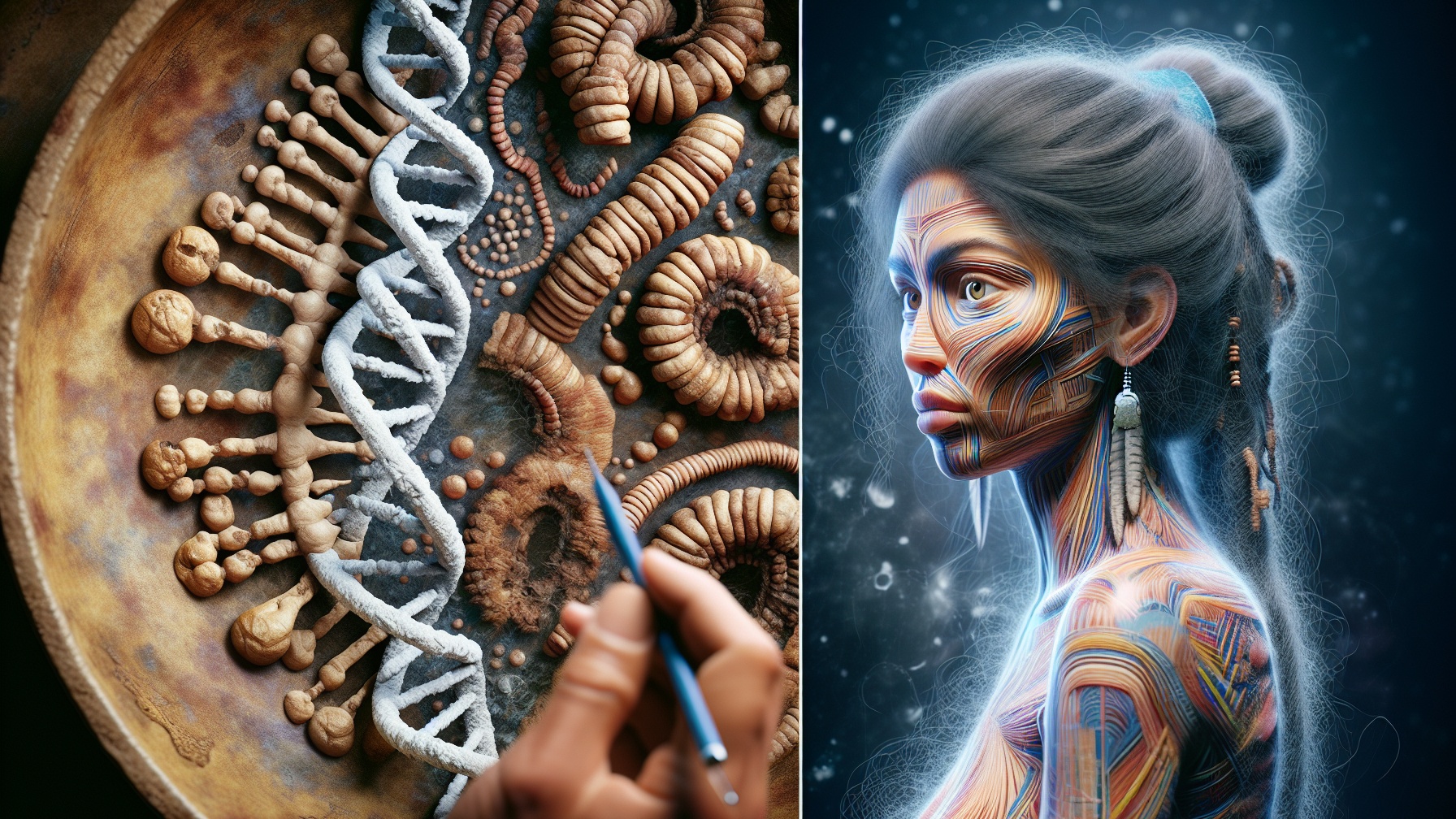
A huge DNA study spanning Indigenous communities across South America has uncovered evidence of a mysterious ancient Asian population that scientists did not even know existed. Researchers say the finding completely reshapes long-standing ideas about how humans first spread across the Americas, revealing a migration story filled with multiple waves of movement, hidden ancestry, and genetic connections stretching from Asia to the Pacific thousands of years ago. Scientists involved in the project believe the discovery proves the settlement of the Americas was far more complicated than the simple migration theories taught for decades.
Contents
show
The investigation analyzed genomes from Indigenous populations living across Argentina, Bolivia, Brazil, Colombia, Ecuador, Mexico, Paraguay, and Peru, making it one of the largest Indigenous genetic studies ever conducted. Researchers found evidence of three separate migration waves into South America, including one previously unknown movement that may have happened around 1,300 years ago. The study also uncovered traces of what scientists describe as a “ghost lineage,” an unidentified ancestral population connected to both Indigenous Americans and ancient Australasian groups. Researchers say the discovery suggests entire chapters of human history may still be hidden inside modern DNA.

Researchers Examined DNA Across Multiple Indigenous Communities
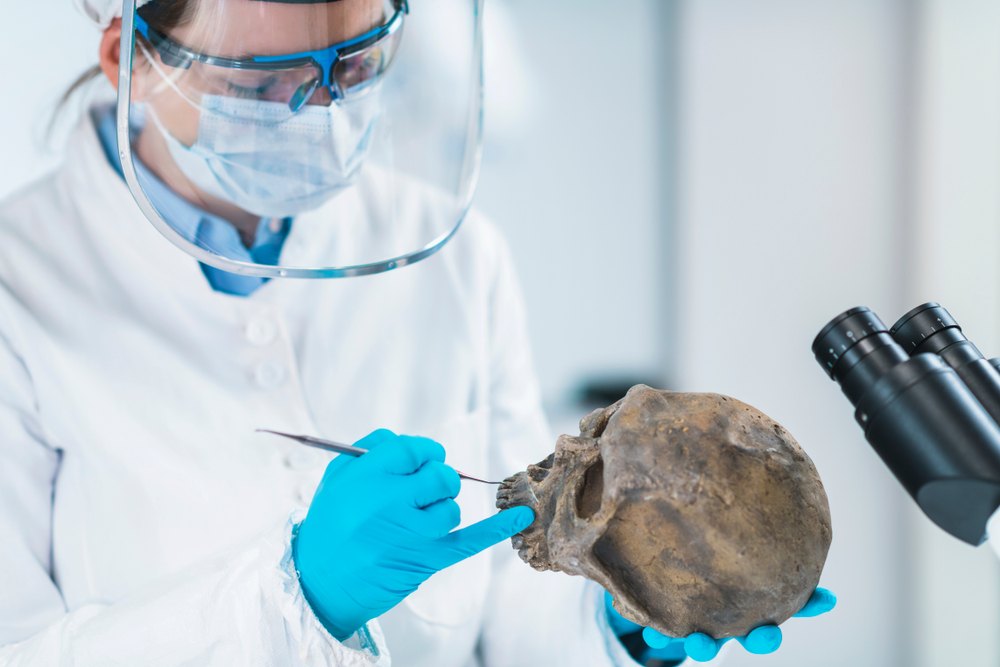
The study, published in Nature, examined 128 newly sequenced genomes from Indigenous populations throughout the Americas. Researchers worked alongside 45 different Indigenous populations and studied 28 language families to better understand how humans migrated throughout the continent over thousands of years. The project nearly tripled the amount of Indigenous genomic data available to scientists studying early American populations, giving researchers a much broader view of migration patterns than previous studies allowed.
Scientists explained that earlier genetic studies focused on only a very small number of Indigenous communities, especially in the Amazon region. That limited data made it difficult to understand the true scale of genetic diversity across South America. The new study paints a much larger and more detailed picture of how populations moved, mixed, separated, and adapted after humans first arrived in the Americas. Researchers also worked directly with Indigenous communities throughout the project so the findings could be connected respectfully to Indigenous history and identity.
Study author Marcos Araújo Castro e Silva explained why expanding the research mattered so much. “Until now, only two Amazonian Indigenous populations had been genetically characterized, and due to the particularity of their environment and their isolation, they were not very representative,” he said. Scientists believe the larger data set finally allows researchers to understand migration across the Americas with far greater accuracy than before.
Scientists Found Evidence Of Three Separate Migration Waves
One of the study’s biggest discoveries involved how South America was populated over time. The genetic evidence suggests humans did not arrive through one simple migration event. Instead, researchers identified at least three major migration waves that unfolded across thousands of years, each contributing different genetic lineages to Indigenous populations still living today. Scientists say the findings challenge older theories that portrayed the settlement of the Americas as straightforward and linear.
Researchers believe the earliest migration wave entered South America more than 9,000 years ago after populations gradually moved south from North America following the Ice Age. These groups eventually spread throughout huge portions of the continent and formed some of the earliest known Indigenous societies in the Americas. Scientists say traces of these ancient populations remain visible in modern Indigenous DNA even after thousands of years of migration and population changes.
The study also identified a second major lineage connected to present-day Quechua populations in Peru. Researchers believe this population expanded through Central America and into South America around 9,000 years ago. The finding supports earlier theories suggesting migration across the Americas happened in multiple stages rather than one continuous expansion. Scientists say the genetic evidence clearly shows populations separated, mixed again, and spread in different directions over time.
The third migration wave surprised researchers the most because scientists had never identified it before. According to the genetic evidence, this population likely entered South America at least 1,300 years ago from groups connected to Mesoamerica. The timeline roughly overlaps with the decline of major ancient cities such as Teotihuacan, although researchers stressed the DNA does not point toward one dramatic collapse or single migration event. Instead, scientists believe the findings reflect centuries of growing interaction between Central America, the Caribbean, and South America.
“What we see is a more gradual and complex process, probably involving increasing connectivity and gene flow between Mesoamerica, the Caribbean and South America over time,” study co-author Tábita Hünemeier said.
Scientists Discovered A Hidden Asian “Ghost Lineage”
The most striking discovery involved traces of DNA from an unidentified ancient Asian population hidden inside Indigenous American genomes. Researchers refer to this mysterious ancestral group as a “ghost lineage” because scientists can detect its genetic signature even though no confirmed fossils or archaeological remains connected to the population have ever been discovered. The finding immediately raised major questions about how many unknown human groups may still be missing from the historical record.
Researchers found the genetic signal consistently appearing at low levels inside Indigenous populations for more than 10,000 years. Scientists named the lineage Ypykuéra, which means “ancestor” in the Indigenous Tupi language of Brazil. The DNA also appears connected to ancient Australasian populations from regions including Australia, New Zealand, and Pacific islands, creating an unexpected genetic link stretching across enormous distances.
What makes the discovery especially unusual is the complete lack of physical evidence connected to the lineage. Researchers have never discovered burial sites, settlements, skeletal remains, or artifacts linked to the population. That means fragments of DNA carried by modern humans currently provide the only evidence the group ever existed. Scientists say this demonstrates how genetic research is uncovering migration patterns archaeology alone could never fully explain.
Researchers use the term “ghost lineage” to describe populations that disappeared from the archaeological record while still leaving traces inside modern genomes. Scientists believe discoveries like this suggest there may still be major chapters of human history waiting to be uncovered through DNA analysis. Hünemeier said the findings dramatically reshape how researchers understand the settlement of the Americas. “Overall, both findings reinforce the idea that the peopling of the Americas was more dynamic and complex than previously thought,” she explained.
Indigenous Communities Adapted To Harsh Environments
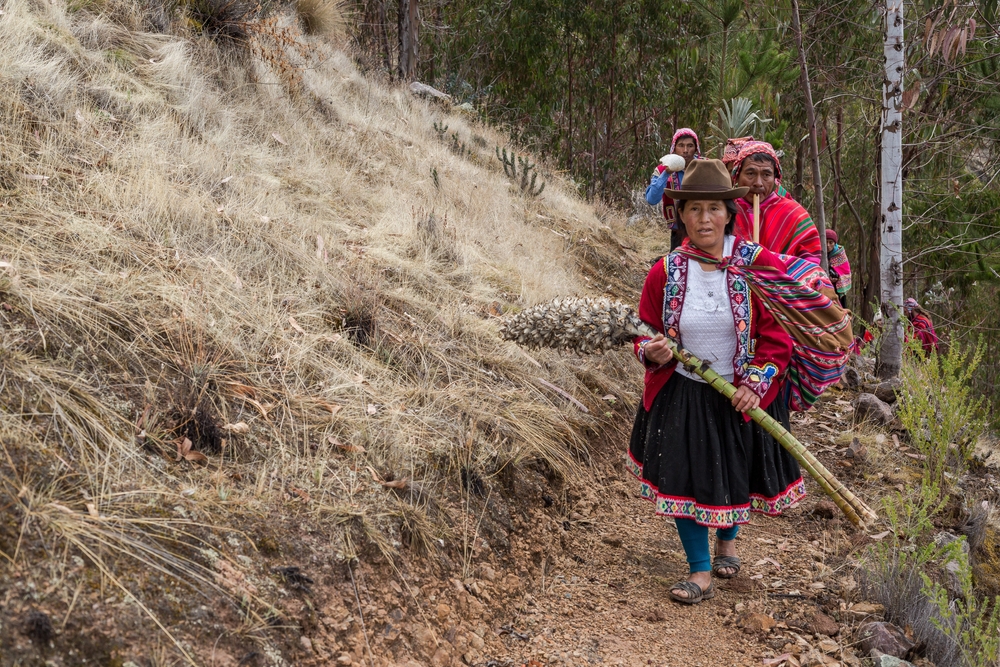
The study also revealed how Indigenous populations biologically adapted to some of the harshest environments on Earth after arriving in the Americas. Researchers identified genes connected to fertility, fetal growth, metabolism, immune response, and malaria protection. Scientists believe natural selection helped preserve traits that improved survival in environments such as the Andes mountains and the Amazon rainforest, where conditions placed enormous pressure on the human body.
Researchers found evidence that some of these traits may be connected to the ancient Ypykuéra lineage. Scientists believe those genetic variations likely helped populations survive dramatic environmental challenges after humans entered completely unfamiliar landscapes across the Americas. The findings highlight how quickly populations can biologically adapt when living for thousands of years under difficult environmental conditions.
The Andes mountains contain some of the highest permanently inhabited regions on Earth, where oxygen levels are significantly lower than at sea level. Living in those conditions creates intense strain on the body, especially for people not adapted to high altitudes. Over thousands of years, Indigenous populations developed genetic adaptations that improved oxygen use, circulation, and energy efficiency. Scientists say these adaptations allowed communities to survive in environments where outsiders often experience severe altitude sickness.
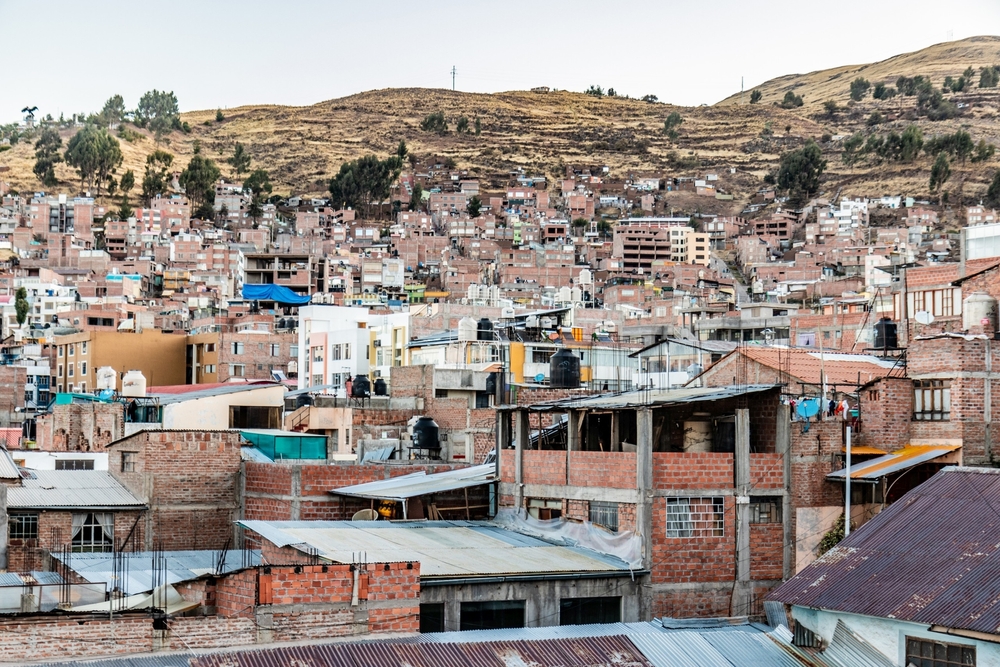
The Amazon rainforest created a completely different set of survival pressures. Dense humidity, tropical diseases, parasites, and difficult terrain shaped how Indigenous populations evolved over generations. Researchers found immune-related genes appeared especially important among rainforest communities, while some populations also carried genes linked to malaria resistance. Scientists believe these findings demonstrate how Indigenous populations adapted in dramatically different ways depending on where they lived across South America.
Colonization Destroyed Much Of The Original Genetic Diversity
The research also highlighted the devastating impact European colonization had on Indigenous populations throughout the Americas. According to the study, colonization reduced Indigenous populations by roughly 90% through disease outbreaks, warfare, enslavement, displacement, and social collapse. Scientists say that catastrophic population decline permanently erased enormous amounts of genetic diversity that had developed over thousands of years.
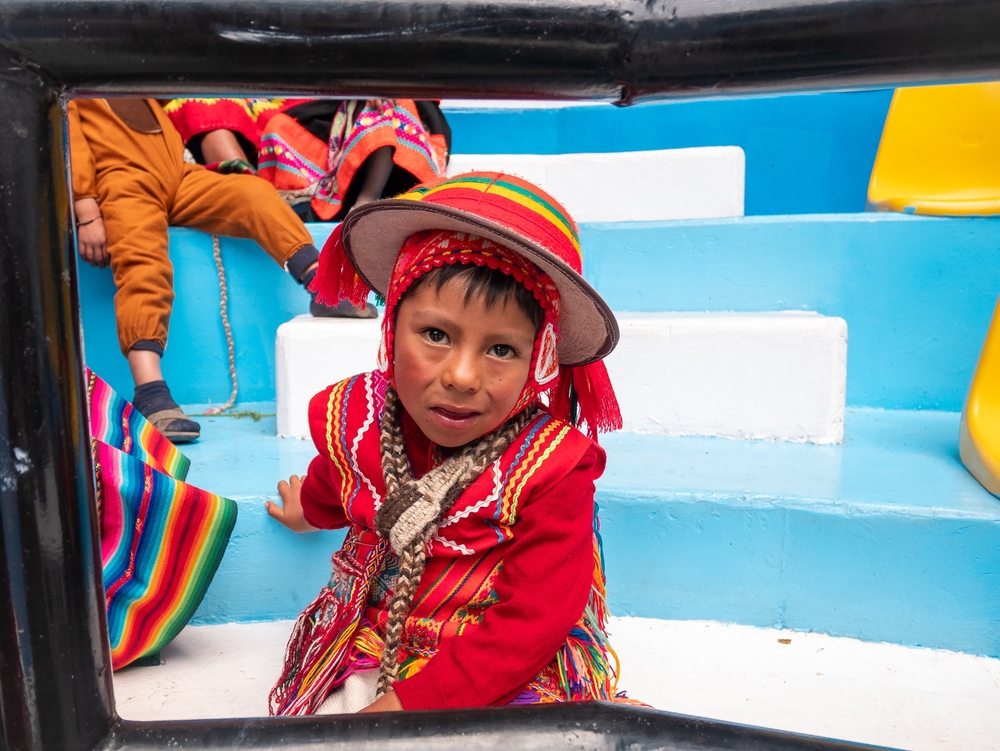
Researchers explained that when populations collapse rapidly, many genetic lineages disappear forever. Those losses created major evolutionary bottlenecks throughout Indigenous communities across the Americas, reducing genetic variation that once existed on a much larger scale. Scientists say modern Indigenous diversity represents only a small surviving fraction of what existed before European colonization transformed the continent.
Even after centuries of destruction, researchers still identified remarkable genetic continuity stretching back more than 9,000 years in some regions. Scientists say those connections reveal how deeply modern Indigenous communities remain tied to the earliest populations that settled the Americas thousands of years ago. The findings also reinforce why many researchers believe Indigenous communities remain critically underrepresented in modern genetic studies despite their enormous importance to understanding human history.
Hünemeier described the surviving genetic diversity as only a fraction of what once existed before colonization devastated Indigenous populations across the continent. “Current genetic diversity is only a fraction of the original, as colonization decimated Indigenous populations by 90%,” she said.
Scientists Believe The Discovery Could Rewrite Human Migration History
For decades, many theories about the first Americans focused heavily on a single migration from Siberia into North America before populations slowly expanded southward. This new study presents a far more complicated picture involving repeated waves of migration, interaction, isolation, and genetic mixing over thousands of years. Scientists say the findings suggest human migration into the Americas was one of the most dynamic population movements in ancient history.
The hidden Ypykuéra lineage also raises major questions researchers still cannot answer. Scientists do not know where this population originally lived, when it separated from other Asian groups, or how it became genetically connected to Australasian populations across the Pacific. Researchers also cannot explain why no confirmed physical evidence of the group has ever been discovered, despite the clear genetic traces left behind in modern populations.
Scientists believe future DNA studies may uncover additional unknown populations hidden inside modern genomes. Researchers say every newly sequenced genome seems to reveal another piece of a migration story scientists are still struggling to fully understand. Study co-author Carlos Eduardo Amorim stressed how important Indigenous genomic research remains for understanding humanity’s past. “Our findings provide the most comprehensive view of Indigenous American genomic diversity and evolutionary history to date,” he said.
What once looked like a straightforward migration story now resembles a massive web of ancient movements stretching across continents, oceans, and thousands of years. Researchers believe discoveries like this are forcing scientists to completely rethink how humans spread across the planet long before written history ever began.
Americas migration, Ancient Civilizations, ancient humans, ancient migration, anthropology, archaeology, Asian ancestry, Australasian ancestry, DNA study, Genetics, ghost lineage, human evolution, human history, Indigenous Americans, Indigenous DNA, Indigenous genomes, lost human population, Nature study, South America