
Your cart is currently empty!
Trump Warns Iran There ‘Won’t Be Anything Left’ Following Security Meeting
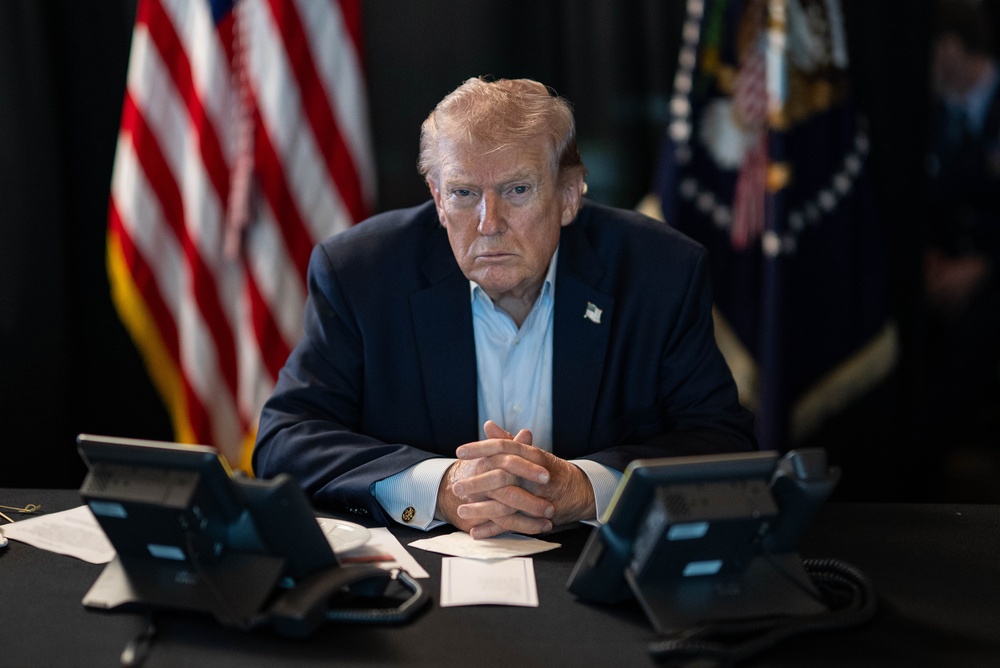
Global crises do not usually play out on social media for everyone to see, but the current standoff between Washington and Tehran is breaking all the normal rules. A blunt, public warning from the President just pushed a very fragile situation in the Middle East right to the edge. The message is clear. American patience with stalled negotiations is officially gone.
Contents
show
Right now, top national security advisers are locked behind closed doors in the Situation Room. They are no longer just figuring out how to restart talks. They are preparing for what happens if diplomacy completely fails. This sudden shift leaves the public asking a very real question. Can a recent ceasefire actually hold, or is a military conflict just around the corner?
Trump’s Warning Lands
President Donald Trump just delivered a direct public warning to Iran. This pushes the ongoing Middle East conflict into a highly tense phase. The administration is clearly out of patience with stalled negotiations. Trump made this obvious on social media. His exact words were blunt: “For Iran, the Clock is Ticking, and they better get moving, FAST, or there won’t be anything left of them.”
And the timing of this statement matters a lot. It arrives right before a major Situation Room gathering. According to Axios and other intelligence sources, the President is meeting with his top national security advisers. They are looking closely at military options.
But here is the core issue. A recent temporary ceasefire is barely holding together. The two sides simply cannot agree on nuclear concessions and regional borders. The United States has laid out very strict rules for a lasting peace agreement. Verified diplomatic outlines show the U.S. wants Iran to hand over 400 kilograms of enriched uranium. The terms also require Iran to limit its operations to just one nuclear facility.
So the talks are currently stuck. These strict demands are a massive hurdle for Iranian leadership. As the national security team sits down to talk, the global focus shifts. The question now is what actually happens when diplomacy hits a wall.
The China Factor
The involvement of China in recent diplomatic discussions adds a massive layer of complexity. Beijing has maintained strong economic ties with Tehran for years. They buy a huge amount of Iranian oil. So any US military action or tighter sanctions will directly hit Chinese energy markets.
And that makes the situation incredibly tricky. European allies are also caught right in the middle. They definitely want to prevent a nuclear Iran. But they desperately want to avoid a full-scale war. Leaders in France and Germany are pushing hard for a return to the negotiating table. They fear these military threats might actually backfire.
This creates a classic standoff. But here is the problem. Aggressive language often forces foreign leaders into a corner. If Iranian officials back down publicly, they look incredibly weak to their own citizens. If they push forward, they face severe military consequences.
Financial markets reacted exactly as expected. Oil prices spiked within hours of the social media post. Investors always panic when the Middle East gets tense. Shipping routes through the Strait of Hormuz remain vital for global trade. Even a minor conflict in those waters could disrupt supply chains everywhere.
The national security team faces a brutal balancing act today. They need to project strength without accidentally sparking a much larger war.
Allies in the Crosshairs
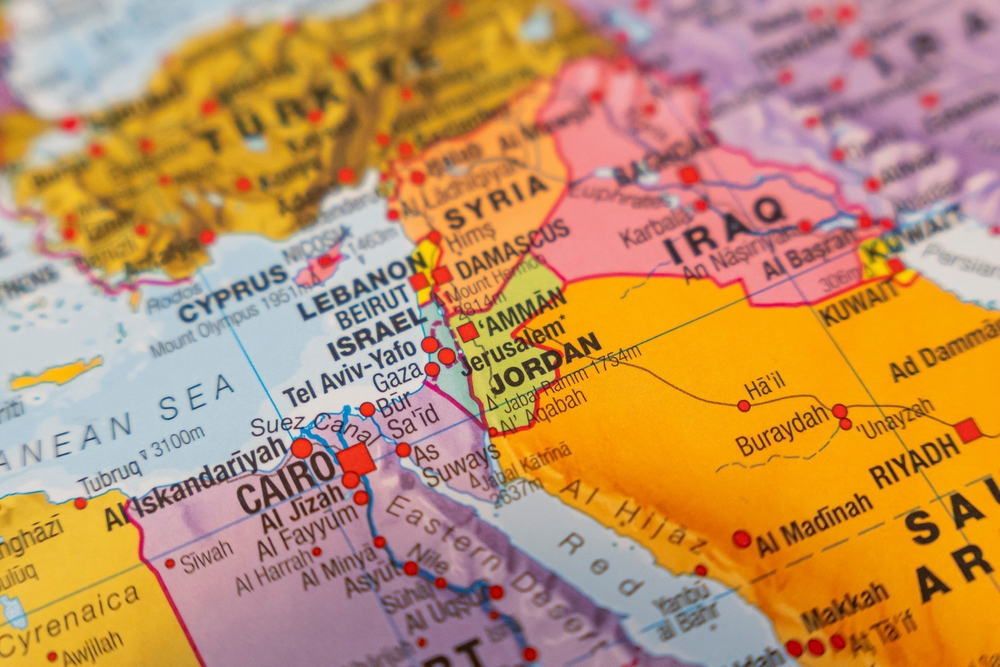
The Middle East is already on edge. Gulf nations are watching Washington closely right now. Countries like Saudi Arabia and Israel view Iran as a major security threat. They depend heavily on American deterrence to keep the region stable.
A military strike carries massive risks for these allies. If the United States attacks Iranian facilities, Tehran will likely retaliate. And they probably will not just target American bases. Iran supports proxy groups spread across Lebanon, Syria, and Yemen. These groups can easily launch rockets into neighboring countries.
This puts American defense officials in a tough spot. They have to protect troops already stationed in Iraq and Syria. The Pentagon usually moves aircraft carriers or bomber task forces into the region during these tense moments. It is a classic show of force. The goal is to make the other side think twice before acting.
But deploying military assets is not simple. The strategy relies entirely on clear communication. Top generals talk directly to their counterparts in allied nations constantly. They share satellite data and coordinate missile defense systems to prepare for the worst.
Economic Pressure and Cyber Defenses
But physical strikes are not the only options on the table today. The national security team is also looking closely at digital and economic targets. The United States frequently uses heavy sanctions to pressure Iranian leadership. The main goal is to completely cut off their oil revenue.
Here is how it actually works. The Treasury Department often prepares new lists of financial penalties during these standoffs. These target Iranian banks and massive trading companies. It makes it nearly impossible for them to do business internationally or access global markets.
But there is another major concern in the Situation Room. Cyber warfare is a very real threat right now. American intelligence agencies are on high alert for digital retaliation. Over the years, Iranian hackers have targeted US banks and even local water systems. So the national security meeting is heavily focused on digital defense alongside military strategy.
Officials have to make sure American infrastructure is secure before making any aggressive moves overseas. The Department of Homeland Security constantly warns critical industries to update their security protocols during these tense periods. It is a quiet preparation for a completely different kind of conflict.
The Line Between a Threat and a Tragedy
The doors to the Situation Room will eventually open. And when they do, the decisions made inside will shape the world for years. This is not just another political news cycle. It is a defining moment. It tests the balance between raw military power and the delicate art of diplomacy. The stakes affect everything from global oil markets to the daily lives of military families.
But here is the underlying truth behind all these headlines. Most people just want stability. The constant threat of war is exhausting for everyone involved. Real leadership often means pulling back from the edge when everyone else expects a fight. History shows that lasting power does not always come from launching a strike. Sometimes it comes from having the restraint to keep the peace.
The clock is officially ticking. The world is watching Washington and Tehran closely. The coming days will reveal if this tough talk was just negotiation tactics or the start of a very real conflict. The public is simply hoping for a resolution that keeps soldiers safe and the region stable. Until then, the world just watches and waits.