
Your cart is currently empty!
Alaska Villages Destroyed By Typhoon Say FEMA Wants Them Rebuilt Where Homes Were Swept Away
The floodwaters ripped homes straight off their foundations and carried some of them downriver with people still trapped inside. In western Alaska, entire Indigenous villages along the Bering Sea were left shattered after the remnants of Typhoon Halong slammed into the coast last October, leaving behind toxic floodwater, destroyed homes, and families scattered hundreds of miles from the places they had lived for generations. Residents described scenes of chaos as sewage mixed with heating fuel, gravesites collapsed into the mud, and buildings floated away in freezing water.
Contents
show
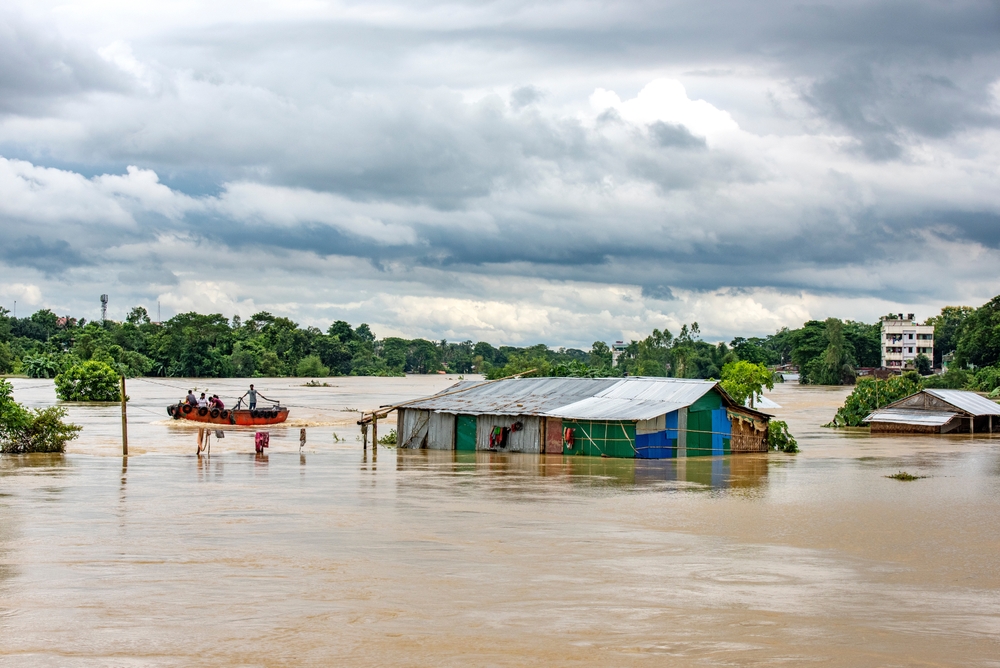
Now the survivors of Kipnuk and Kwigillingok say they are facing another disaster they never expected. Tribal leaders say FEMA wants the communities rebuilt in the same flood-prone locations where the villages were nearly wiped out, despite repeated storms and worsening erosion tied to Alaska’s rapidly warming climate. Residents who already watched their homes disappear say they do not want to return to land they believe will flood again.
Entire Villages Were Torn Apart By The Storm
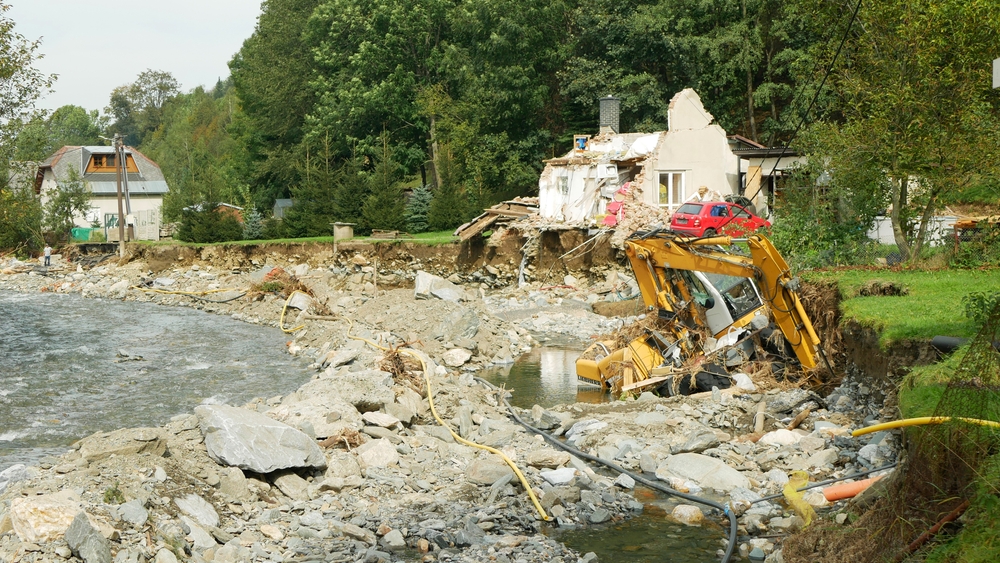
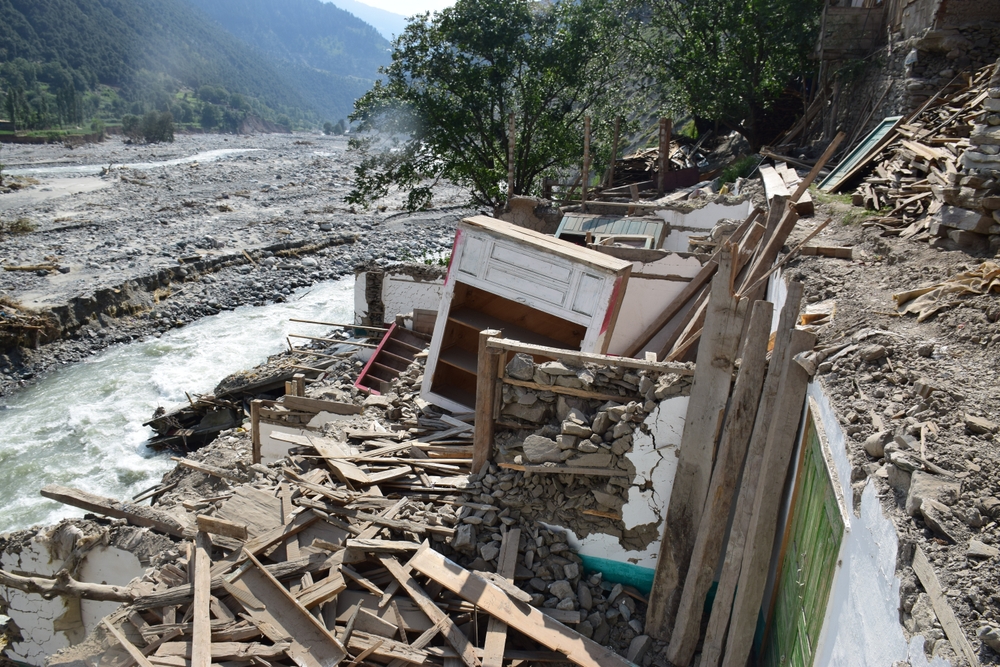
Typhoon Halong caused catastrophic destruction across Alaska’s western coastline, but the damage in Kipnuk and Kwigillingok stood out even among the widespread devastation. Both remote Alaska Native villages sit along the Bering Sea and are heavily dependent on fishing, hunting, and subsistence living. When the storm hit, floodwaters surged through the communities with enough force to rip homes from their foundations and sweep buildings away.
One person died during the storm while two others disappeared. Residents watched entire structures drift into rivers as freezing floodwater pushed debris through neighborhoods. Long-buried caskets were unearthed from flooded gravesites while fuel tanks ruptured and leaked into the water surrounding the villages.
The floodwater that remained became contaminated with sewage, heating oil, and debris from destroyed buildings. Residents said the smell soaked into clothing and lingered in the air long after the storm passed. Entire sections of both villages were left unlivable.
Alaska’s Warming Climate Made The Damage Worse
The destruction caused by Halong did not happen in isolation. Kipnuk and Kwigillingok were already facing severe erosion and unstable ground caused by thawing permafrost, which has steadily weakened the land underneath homes, roads, schools, and wastewater infrastructure. Alaska has warmed faster than any other state in the US, and many remote communities are now dealing with stronger storms and rising flood risks.
Western Alaska has experienced three federally declared disasters within the last three years. Tribal leaders and climate advocates say villages along the coast have spent years trying to prepare for increasingly dangerous weather conditions, but progress has been slow and funding has often been inconsistent.
Some communities had already started planning for relocation before Halong struck. Others hoped they could remain where they were by reinforcing shorelines and protecting critical infrastructure. After the storm destroyed entire neighborhoods, many residents no longer believe staying in place is possible.
Tribal Leaders Say FEMA Wants Them To Rebuild In The Flood Zone
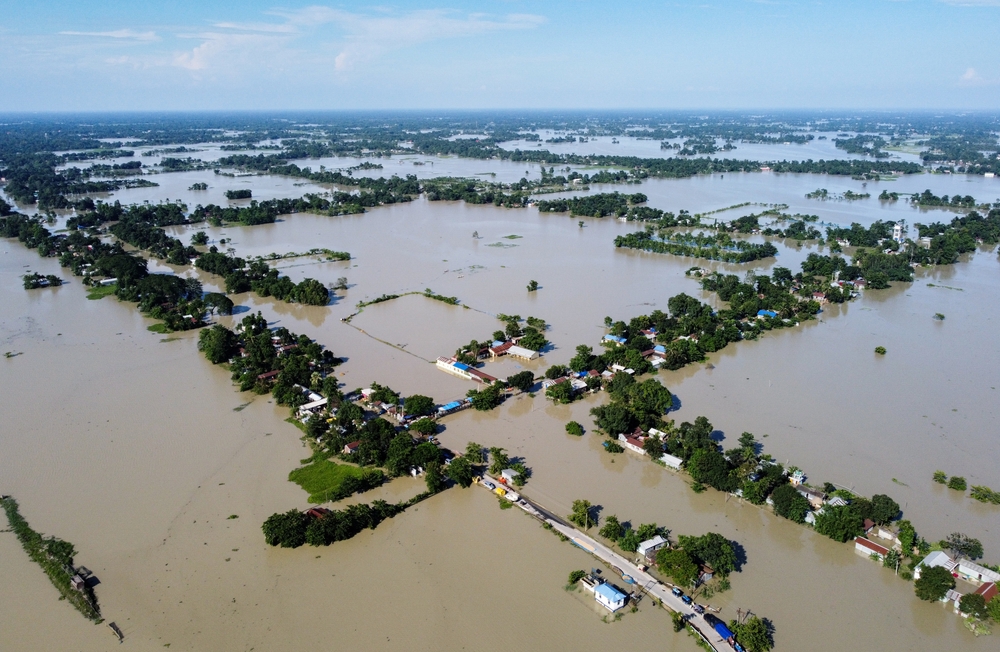
Both villages recently voted to relocate to higher ground, but tribal officials say FEMA has resisted those efforts and continues pushing rebuilding plans tied to the original locations. Residents argue rebuilding in the same flood zone would leave future generations exposed to the exact same danger.
“People don’t want to go back to the current village that the state and FEMA are pushing us to rebuild, rebuild, rebuild in place,” said Kipnuk tribal administrator Rayna Paul. “Our people know that’s no longer safe.”
Federal officials reportedly told tribal leaders that FEMA public assistance funding cannot legally be used to rebuild the villages in another location. Officials also argued that because the communities rely on hunting and fishing, they need to remain close to the coast.
One proposal discussed internally involved building elevated homes equipped with skis so they could potentially be moved during winter once the ground froze. The idea shocked many local advocates and residents who said it showed how disconnected federal officials were from the realities facing the villages.
“Spending federal dollars to rebuild a community in the same place they were wiped out sounds crazy,” said Sheryl Musgrove, director of the Alaska Climate Justice Program.
Millions In Federal Funding Were Frozen Or Canceled
Before Typhoon Halong devastated the villages, both communities had already secured federal funding intended to help protect them from future disasters. Kwigillingok had received a FEMA Building Resilient Infrastructure and Communities grant to study the possibility of relocation, while Kipnuk had been awarded $20 million from the Environmental Protection Agency to stabilize its eroding riverbank.
Those programs were later frozen or canceled after President Donald Trump’s administration halted several climate resilience and hazard mitigation initiatives. Tribal leaders said the cancellations destroyed years of planning and left the villages with almost no protection heading into future storms.
“When it got pulled, it was like, ‘oh my gosh,’” Paul said. “Everything was lost.”
EPA press secretary Brigit Hirsch later said the canceled funding “would not have prevented or safeguarded the community from the mass destruction and tragedy caused by such a large and devastating typhoon.” Local leaders still believe the money could have strengthened the villages and helped residents recover after the disaster.
Musgrove said many residents viewed the canceled grants as another broken promise from the federal government after years of trying to secure meaningful protection for vulnerable communities.
“This was the first time the federal government actually started protecting them, and then slam, it gets ripped out from under them,” Musgrove said. “They have no protection now; they have no ability to go forward.”
Families Are Now Living Far From Their Homes
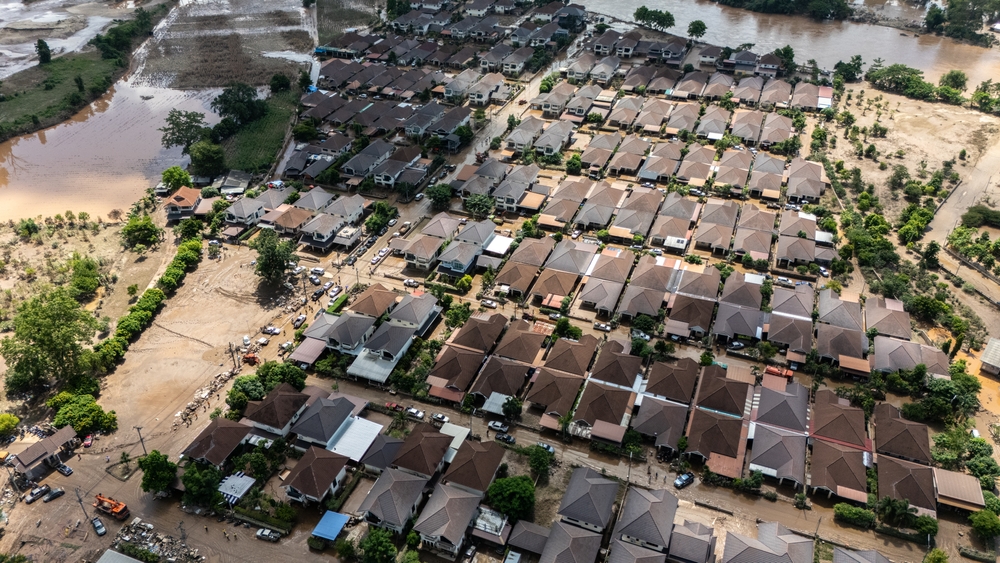
Residents displaced by the storm are now scattered across Anchorage and Bethel, hundreds of miles away from the coastal communities where many spent their entire lives. Families who were used to living in tight-knit villages connected through language, subsistence hunting, and shared traditions are now adjusting to life in unfamiliar cities.
Paul said many residents received inconsistent housing support after the disaster and some assistance expired sooner than expected. Tribal leaders are also worried about displaced residents becoming vulnerable to addiction, trafficking, and violence while separated from their communities.
“We’re not in our environment,” Paul said. “We’re being introduced to things that are unfamiliar to us.”
The sudden displacement has disrupted daily life in ways many residents never imagined. Families who once depended on fishing and hunting are now living in apartments for the first time, struggling to remain connected to their culture while trying to rebuild after losing almost everything.
Alaska Leaders Are Pressuring FEMA To Change Course
Republican Senator Lisa Murkowski has urged federal agencies to give displaced Alaska Native villages more flexibility to rebuild in safer areas. Her office said she wants communities to feel “safe and supported” while rebuilding and is working to ensure federal disaster assistance programs respond to the villages’ specific needs.
At a recent hearing in Alaska, the Bureau of Indian Affairs announced $20 million in emergency funding for 16 villages, including Kipnuk and Kwigillingok. The money is expected to help communities cover emergency needs and improve resilience, although it remains unclear whether permanent relocation efforts will ultimately be approved.
The fight unfolding in western Alaska reflects a larger problem across the United States, where flood-prone communities are often rebuilt in the same vulnerable locations after devastating storms and wildfires. Climate experts have repeatedly warned that rebuilding without major changes creates a costly cycle that repeats after every disaster.
Former FEMA Administrator Deanne Criswell previously said every dollar spent on resilience could save six dollars in future recovery costs. For residents of Kipnuk and Kwigillingok, the issue is not theoretical. They are trying to decide whether future generations will inherit safe communities or remain trapped in places already proven to be dangerously exposed.
Residents Still Hope To Return To Safer Ground
Despite the destruction, many residents still hope they can eventually return home. Tribal leaders and advocates have discussed creating a temporary village where displaced residents could reunite around their language, traditions, and subsistence lifestyle while long-term rebuilding plans continue.
Paul said she hopes the villages can eventually rebuild on higher ground within the next decade so future generations do not have to experience another disaster like Halong.
“I want to leave behind a safe haven for the next generation,” she said.
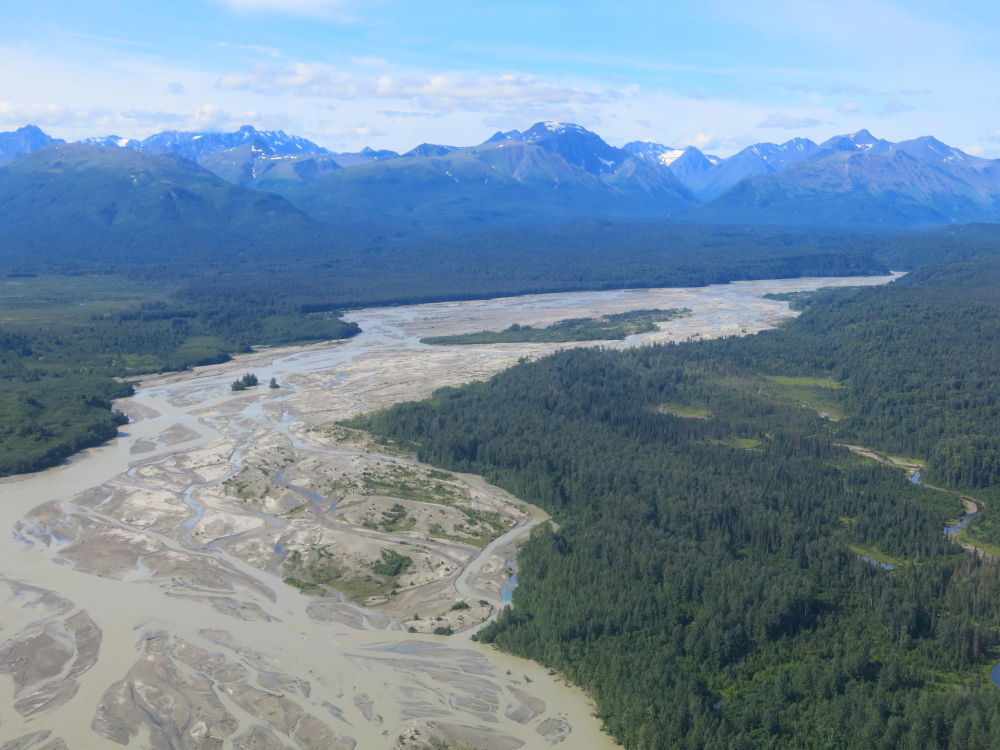
For now, the remains of both villages still sit along Alaska’s western coastline surrounded by debris, contaminated floodwater, and collapsed buildings. The people who survived the storm are still waiting to learn whether they will be allowed to rebuild somewhere safer or be forced back into the same flood zone that already destroyed their homes.
Alaska, Alaska villages, Bering Sea, climate change, Climate Crisis, disaster recovery, Donald Trump, extreme weather, FEMA, flood zone, flooding, Indigenous communities, Lisa Murkowski, Native Alaskan villages, Natural Disaster, permafrost, storm damage, tribal communities, Typhoon Halong, western Alaska