
Your cart is currently empty!
A Closer Look at the 1.8 Billion Dollar Settlement Fund Tied to the Trump Administration
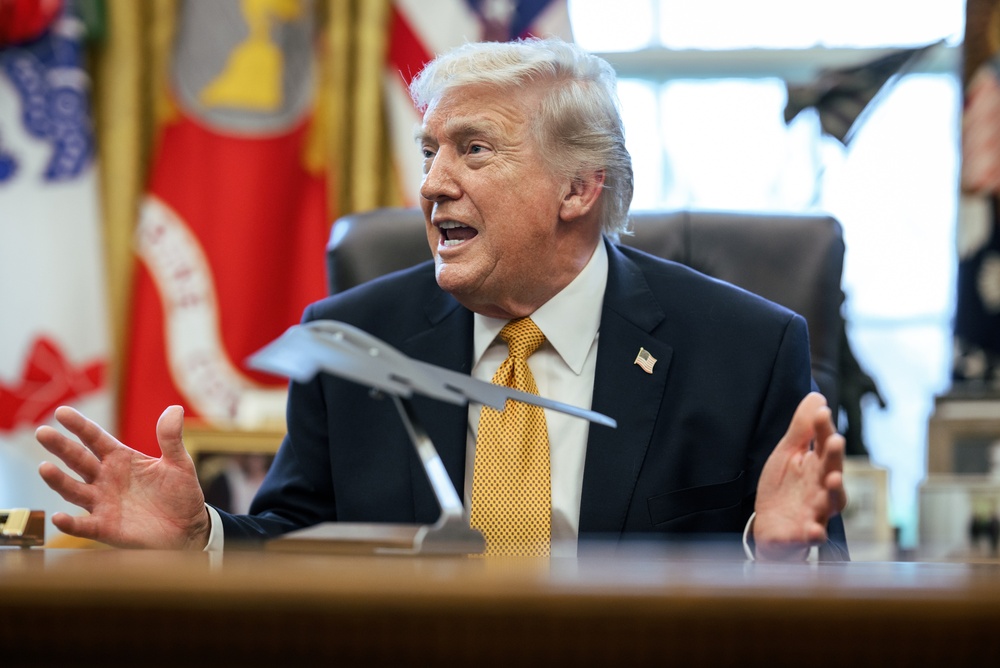
When a massive ten billion dollar lawsuit against the federal government is abruptly resolved outside of a traditional courtroom, the resulting settlement is bound to capture public attention. An unprecedented agreement recently established a nearly two billion dollar financial pool designed to compensate citizens who claim they were unfairly targeted by federal agencies.
Contents
show
The Basics of the New Justice Department Settlement

The Department of Justice recently announced a massive financial agreement that has sparked widespread public discussion. At the center of this news is a 1.776 billion dollar compensation pool, formally referred to as the Anti-Weaponization Fund. This fund was created after President Donald Trump agreed to drop a 10 billion dollar lawsuit against the Internal Revenue Service. His original lawsuit stemmed from an incident where a former contractor leaked his confidential tax records to the media.
Instead of going to trial, the administration reached an agreement that establishes a specific pool of taxpayer money. According to the Justice Department, the goal of this fund is to provide financial compensation and official apologies to individuals who allege the federal government unfairly targeted or investigated them for political reasons.
A special five member commission will manage this money and decide who qualifies for payouts. Acting Attorney General Todd Blanche is responsible for appointing the members of this commission. When discussing the settlement publicly, Blanche stated that the machinery of government should never be weaponized against any American. He explained that the new commission offers a formal, legal pathway for people to share their experiences and seek redress.
For everyday citizens, the creation of a nearly two billion dollar taxpayer fund raises important questions regarding government accountability and legal precedent. It represents a highly unusual approach to settling lawsuits involving federal agencies. Understanding exactly where this money comes from and why it was set aside is the necessary first step for grasping the full legal impact of this historic decision.
How the Compensation Process Will Work
With the establishment of the Anti-Weaponization Fund, attention has now turned to how the nearly two billion dollars will be distributed. The process will be governed entirely by the newly formed five member commission. Acting Attorney General Todd Blanche has already begun announcing appointments to this board, selecting individuals who have previously claimed that federal agencies exhibit political bias.
The commission holds the authority to establish the specific criteria for determining who is eligible for compensation. They will be responsible for defining what constitutes government targeting based on political ideology. The text of the settlement agreement gives this group significant latitude. They have the power to hold public hearings, request government records, and issue binding decisions regarding financial awards.
The language within the settlement states that any individual who feels they were subject to an improper investigation or prosecution due to their political beliefs can submit a claim. Once a claim is filed, the commission will review the evidence provided by the applicant and weigh it against existing government records. The decisions made by these five commissioners regarding who receives money, and how much they receive, will be final.
There is currently no set limit on the amount of money a single individual can be awarded from the 1.776 billion dollar pool. The settlement agreement does not require the commission to justify its payout amounts to the courts or to the public.
Identifying the Potential Beneficiaries
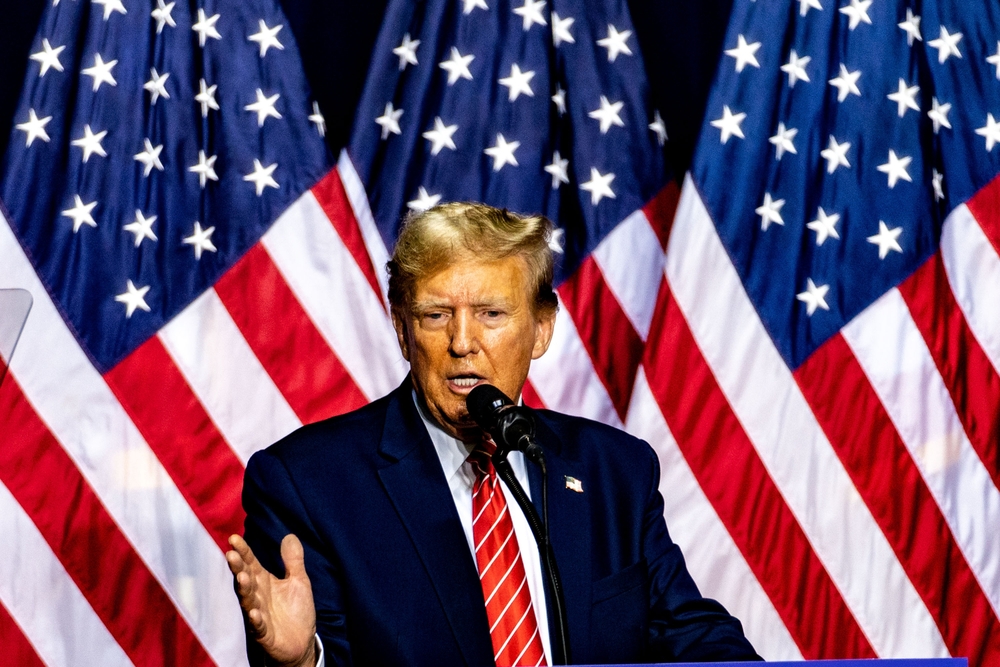
While the appointed commission will ultimately decide who receives compensation, legal experts and public watchdogs are already predicting who might step forward. Because the fund specifically targets those claiming political weaponization, many anticipate a wave of applications from prominent figures closely aligned with the administration. This includes former government officials, political consultants, and campaign advisors who previously faced federal indictments, investigations, or congressional subpoenas.
Critics have voiced strong concerns regarding this specific aspect of the settlement. Watchdog organizations argue that the payout system could function as a massive financial reward for political loyalty rather than a genuine mechanism for justice. Without strict judicial oversight, the fund offers a unique opportunity for individuals to secure substantial taxpayer money based on subjective claims of unfair treatment. Observers worry that this dynamic risks blurring the line between legitimate legal restitution and political favoritism.
However, supporters of the initiative view the situation quite differently. They maintain that the fund is a necessary step toward restoring faith in federal institutions that have lost public trust. Proponents argue that providing financial redress to those who felt wrongfully targeted is essential for healing divisions.
Your Tax Dollars, Without a Vote

When the government decides to spend billions of dollars, the standard process requires a formal vote from Congress. Congress acts as the guardian of the public wallet. However, legal experts note that this new compensation pool bypasses that traditional route. Instead, the money is being drawn directly from the Judgment Fund. This is a permanent account at the Treasury Department designed to pay off federal legal settlements, completely avoiding the need for a new congressional vote.
Because this massive expense skipped standard approval, several lawmakers have expressed deep frustration. These critics argue that no single branch of government should have the unchecked authority to redirect nearly two billion dollars to an independent commission. A number of elected officials are currently exploring ways to pause or completely defund the initiative. For the everyday citizen, this is a highly relevant issue. It shows how massive amounts of public money can be moved without the usual democratic debate they expect from their elected leaders.
On the other hand, the administration defends this financial strategy as a responsible move. Their legal representatives point out that using the Judgment Fund for settlements is a completely standard practice meant to prevent long, expensive court battles. They maintain that resolving a ten billion dollar lawsuit for a fraction of the cost actually protects the public from paying even more in legal fees down the line.
Who Bears the Burden?
For the average person, a sum of nearly two billion dollars is difficult to visualize. Because this compensation pool is drawn from the Judgment Fund, every dollar awarded ultimately comes from the American public. Legal experts often remind citizens that this is money that otherwise remains in the federal treasury. When working individuals pay their annual taxes, there is a reasonable expectation that these funds will support collective public needs or resolve standard government debts.
Beyond the pure financial cost, this settlement raises important questions regarding equal access to justice. When an ordinary citizen feels wronged or mistreated by a federal agency, seeking compensation usually involves years of difficult court battles. They must hire legal representation and prove their case before a judge and jury. In contrast, this new pathway allows specific claimants to bypass the traditional legal system entirely. They simply present their case to a selected panel instead of a standard courtroom.
Legal analysts point out that this difference in how cases are handled could heavily influence public trust. If citizens perceive that distinct rules exist for those with high level political connections, it fundamentally changes how they view the justice system. For everyday Americans watching this process unfold, the lasting legacy of the settlement will not just be the massive final price tag. It will be the standard it sets regarding how the federal government responds to claims of unfairness from the public.