
Your cart is currently empty!
The Moon May Be Filled With Ancient Fragments Of Earth’s Atmosphere
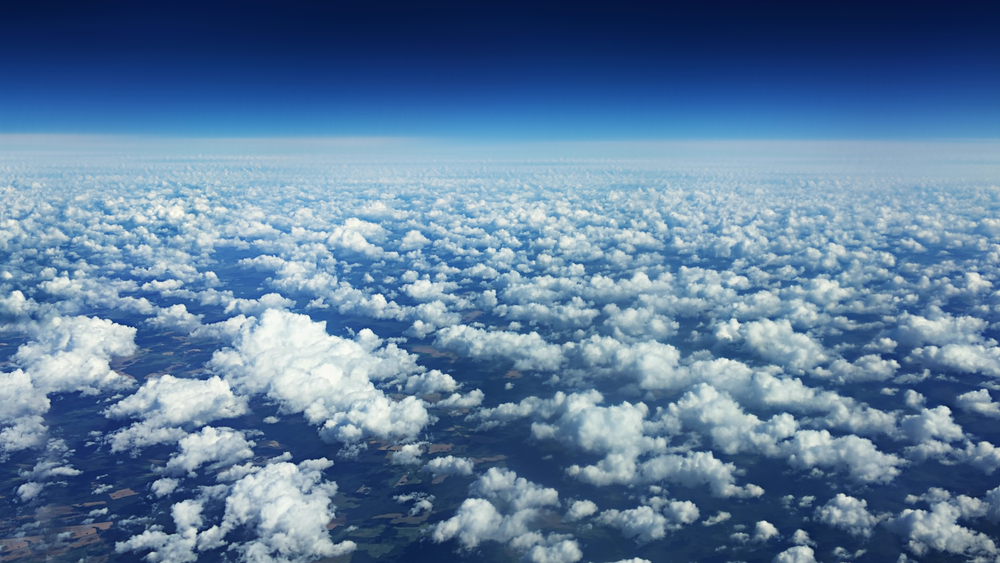
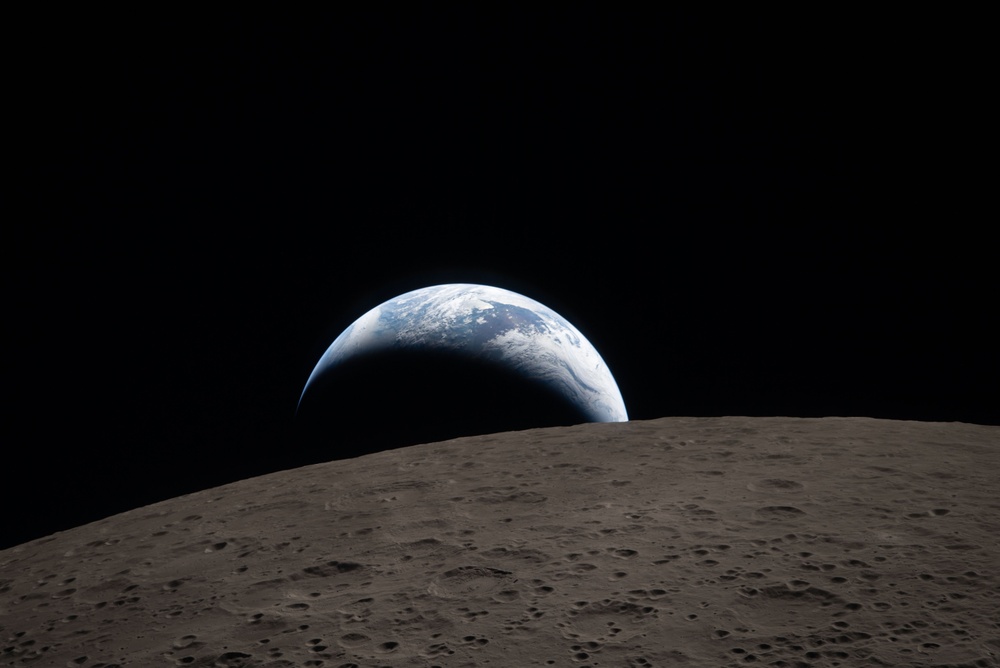
The moon may look silent and lifeless from Earth, but scientists now believe it has been pulling tiny fragments of our planet’s atmosphere onto its surface for billions of years. A new study suggests charged particles from Earth have been traveling through space and settling into lunar dust through a hidden process linked to our planet’s magnetic field. Researchers say the transfer may still be happening today every time the moon passes through a massive magnetic structure trailing behind Earth.
Contents
show
The discovery is changing how scientists think about the relationship between Earth and the moon. For decades, researchers believed Earth’s magnetic field acted mostly like a protective barrier that prevented atmospheric particles from escaping into space. The new findings suggest the opposite may also be true. Instead of blocking everything, parts of Earth’s magnetic field may actually guide atmospheric particles directly toward the moon. Scientists now believe the lunar surface could contain a record of Earth’s atmosphere stretching back billions of years.
Apollo Samples Contained Particles That Should Not Have Been There
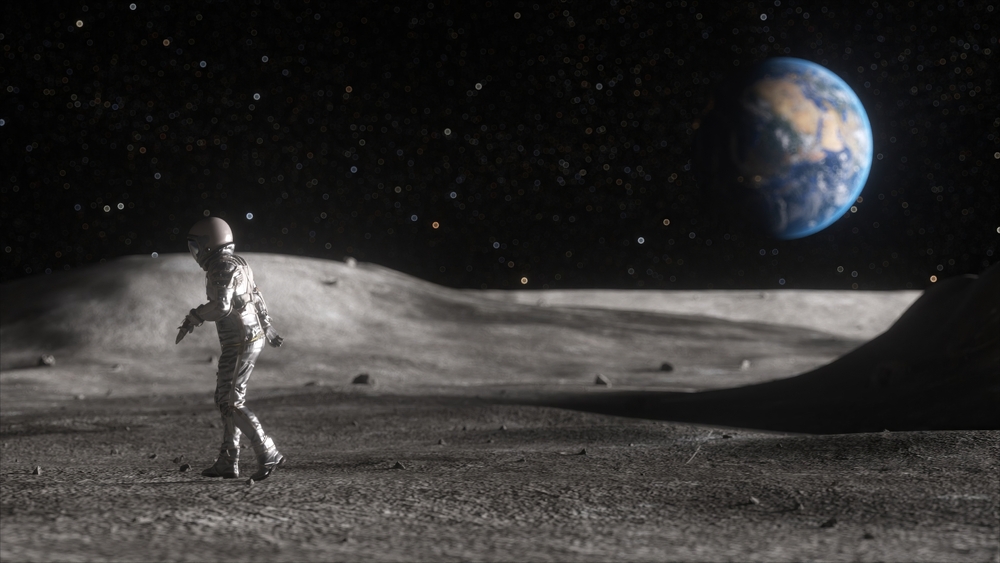
Scientists first noticed something strange after NASA’s Apollo missions returned lunar rock and soil samples to Earth during the 1970s. Researchers examining the moon’s dusty surface discovered traces of volatile substances, including nitrogen, helium, argon, carbon dioxide, and compounds linked to water formation. Some of those materials appeared to have originated from Earth rather than from the moon itself.
For years, scientists suspected solar wind played a major role in transporting those particles. Solar wind consists of high-energy charged particles released from the sun that constantly move through space at extreme speeds. Researchers believed those powerful streams occasionally blasted atmospheric ions away from Earth and pushed them toward the moon.
That explanation created another major problem. Earth is surrounded by a giant magnetic shield known as the magnetosphere. Scientists long believed that a magnetic barrier would trap or deflect most atmospheric particles before they could ever escape into space. Because of that, many researchers assumed the transfer of particles only happened very early in Earth’s history before the magnetosphere fully formed.
Earth’s Magnetic Tail May Be Acting Like A Giant Highway
The new study challenges that long-standing theory. Researchers from the University of Rochester combined Apollo sample data with computer simulations that tracked the evolution of Earth’s magnetosphere across billions of years. Their models revealed that the largest section of Earth’s magnetic field may actually help transport atmospheric ions toward the moon instead of stopping them.
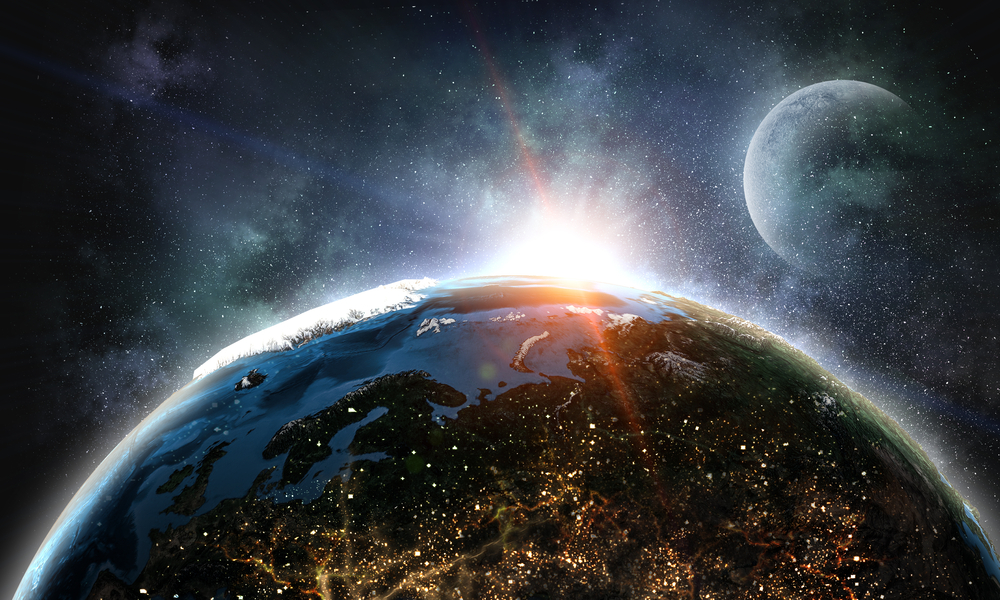
Scientists focused on a region known as Earth’s magnetic tail. This massive structure extends millions of miles into space on the side of Earth facing away from the sun. Every month, around the full moon phase, the moon passes directly through this magnetic tail while orbiting Earth.
Researchers found that magnetic field lines inside the tail appear to guide charged particles from Earth’s upper atmosphere directly toward the lunar surface. Instead of being scattered away, the particles travel along those invisible pathways before settling into the moon’s dusty regolith.
The study suggests this process likely started around 3.7 billion years ago, shortly after Earth’s magnetic field formed. Scientists also believe the transfer of atmospheric particles is probably still happening today.
Scientists Believe The Moon Could Preserve Earth’s Ancient History
The findings are important because they suggest the moon may contain a hidden archive of Earth’s atmospheric history. Scientists previously assumed lunar soil mainly preserved material from Earth’s earliest atmosphere. The new research indicates the moon may have continued collecting atmospheric particles across billions of years.
Study co-author Eric Blackman explained why researchers are so interested in the discovery. “By combining data from particles preserved in lunar soil with computational modeling of how solar wind interacts with Earth’s atmosphere, we can trace the history of Earth’s atmosphere and its magnetic field,” Blackman said.
That possibility could transform future lunar missions into something much larger than simple moon exploration. Researchers now believe samples collected from different regions of the moon may reveal how Earth’s atmosphere and magnetic field changed over time.
Scientists are especially interested in understanding how Earth’s magnetic shield evolved because it plays a critical role in protecting life from harmful cosmic radiation. Without that protection, Earth’s environment could have developed very differently.
Future Moon Missions Could Unlock More Answers
NASA’s Artemis program aims to return astronauts to the moon before the end of the decade. China has also launched multiple successful lunar missions and already returned fresh moon samples to Earth. Scientists believe those future missions could provide new evidence supporting the atmospheric transfer theory.
Researchers want to examine whether lunar soil collected from different locations contains varying concentrations of Earth-based ions. If those patterns exist, scientists may be able to build a timeline showing how Earth’s atmosphere evolved throughout planetary history.
The moon’s surface could also preserve evidence of major geological and atmospheric events that no longer exist on Earth itself. Wind, weather, oceans, and tectonic activity constantly reshape our planet. The moon lacks those destructive forces, allowing ancient material to remain preserved for billions of years.
That makes the moon one of the few places where scientists may still find traces of Earth’s distant past, sitting mostly untouched beneath the surface.
The Discovery May Also Help Scientists Understand Mars
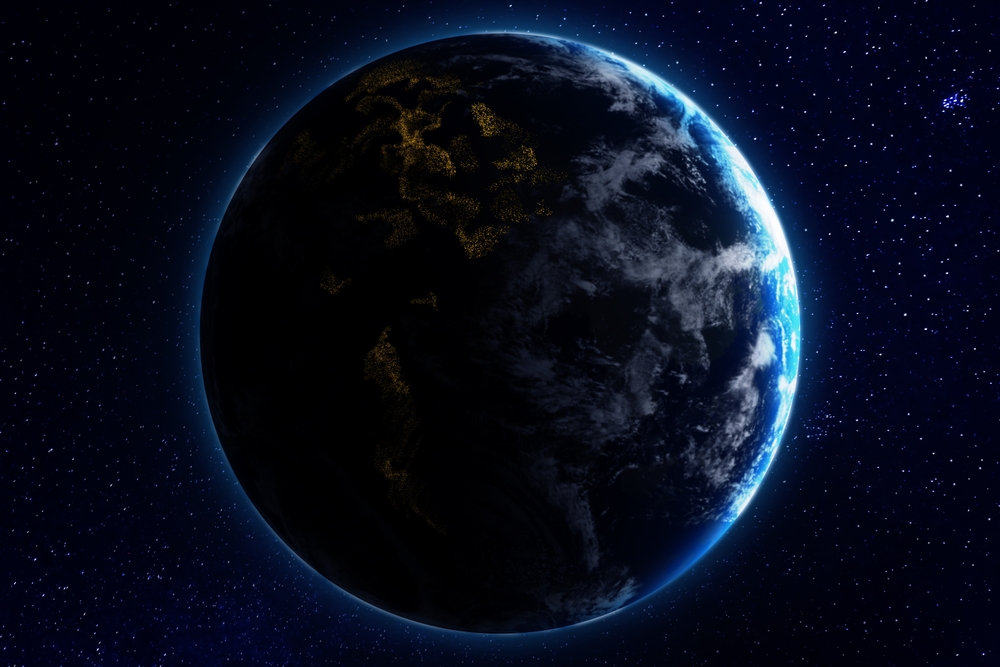
Researchers believe the study may help explain what happened to Mars billions of years ago. Unlike Earth, Mars no longer has a strong global magnetic field protecting its atmosphere from solar radiation.
Scientists think Mars once possessed a magnetic field similar to Earth’s before it gradually weakened and disappeared. As that shield faded, the planet began losing large amounts of atmospheric gas into space. Over time, Mars transformed into the cold and dry world scientists see today.
Study lead author Shubhonkar Paramanick said the findings may reveal how magnetic fields influence whether planets can remain habitable over long periods of time. “Our study may also have broader implications for understanding early atmospheric escape on planets like Mars, which lacks a global magnetic field today but had one similar to Earth in the past,” Paramanick said.
Researchers hope future studies will help them better understand how atmospheres survive, how planets lose material into space, and why some worlds remain capable of supporting life while others become barren.
Strange Particle Transfers Are Happening Across The Solar System
Earth is not the only world slowly losing pieces of itself to space. Scientists have observed several strange examples of planets and moons shedding material throughout the solar system.
Some of the most unusual examples include:
- Mercury produces a giant comet-like tail made of dust particles blown away from its surface.
- The moon releases sodium ions that form a long glowing tail stretching through space.
- Mars continues losing atmospheric particles because it lacks a strong magnetic shield.
- Solar wind constantly strips charged particles from planets and moons across the solar system.
- Earth itself slowly loses hydrogen and helium into space every day.
The new study adds another surprising example to that growing list. For billions of years, the moon may have been quietly collecting fragments of Earth while orbiting above the planet.
Scientists Are Rethinking The Relationship Between Earth And The Moon
For decades, scientists viewed the moon mainly as a frozen archive preserving clues about the early solar system. The new findings suggest it may also contain a hidden record of Earth’s atmospheric history buried inside ancient lunar dust.
That idea could reshape future moon missions and change the kinds of samples researchers prioritize collecting. Instead of studying only the moon itself, scientists may also be studying Earth’s distant past through material preserved on the lunar surface.
The discovery also highlights how connected planets and moons can remain even across the vacuum of space. Every month, as the moon moves through Earth’s magnetic tail, tiny fragments of our atmosphere may continue making the same silent journey they have made for billions of years.
Sources:
- Paramanick, S., Blackman, E. G., Tarduno, J. A., & Carroll-Nellenback, J. (2025). Terrestrial atmospheric ion implantation occurred in the nearside lunar regolith during the history of Earth’s dynamo. Communications Earth & Environment, 6(1), 1001. https://doi.org/10.1038/s43247-025-02960-4
- Earth has been feeding the moon for billions of years. (2026, January 26). ScienceDaily. https://www.sciencedaily.com/releases/2026/01/260104202730.htm
apollo missions, Artemis mission, cosmic discovery, earth and moon, earth atmosphere, earth magnetic field, lunar mystery, lunar regolith, lunar research, magnetosphere, Mars atmosphere, Moon, moon discovery, moon particles, NASA, planetary science, Science news, solar wind, space news, University of Rochester