
Your cart is currently empty!
New Weight Loss Drug Helped Some Patients Lose Nearly 85 Pounds In Major Trial

A new experimental weight loss drug from Eli Lilly is generating massive attention after researchers revealed patients lost amounts of weight normally associated with bariatric surgery. During the company’s late-stage clinical trial, some participants reportedly dropped close to 85 pounds, while nearly half of the people taking the highest dose lost at least 30% of their total body weight. Doctors following obesity research say the results are unlike anything they have seen from a medication trial before, especially as demand for GLP-1 drugs continues exploding across the United States.
Contents
show
The drug, called retatrutide, has not yet been approved by the U.S. Food and Drug Administration, but the early numbers are already pushing it into the center of the growing weight loss drug race. Unlike current blockbuster medications such as Wegovy and Zepbound, retatrutide targets three hormone receptors at once. Researchers believe that combination may help patients lose significantly more weight while also improving blood sugar control and reducing appetite. With obesity rates continuing to rise worldwide, many doctors are now watching the drug extremely closely.

Trial Results Left Doctors Shocked
Eli Lilly released the findings from its phase 3 TRIUMPH-1 clinical trial on Thursday, revealing results that immediately caught the attention of obesity specialists. The study involved around 2,300 adults with obesity or who were overweight, making it one of the largest weight loss medication trials conducted in recent years. Participants taking the highest weekly dose of retatrutide lost an average of 28% of their body weight over 80 weeks, which worked out to roughly 70 pounds for many patients involved in the study.
The most dramatic results came from patients taking the 12 mg weekly injection. According to the company, nearly half of those participants lost 30% or more of their total body weight during the trial. Some reportedly lost close to 85 pounds, numbers that instantly sparked comparisons to surgical procedures used for severe obesity treatment. Bariatric surgery has long been considered the most effective option for substantial weight reduction, which is why the latest findings created such a strong reaction among doctors.
Dr. Susan Spratt, an endocrinologist and senior medical director for Duke Health’s Population Health Management Office, said the results stood out even in a market already transformed by GLP-1 medications. “This is the largest weight loss I’ve ever seen in any medication trial,” Spratt said. She added, “This is huge.”
The company has not yet published the complete findings in a peer-reviewed medical journal, but the early data is already fueling excitement throughout the pharmaceutical and obesity treatment industries. Researchers say the results could signal another major shift in how obesity is treated over the next decade.

Why Retatrutide Is Different From Ozempic And Wegovy
Retatrutide belongs to the same broad category of medications as Ozempic, Wegovy, Mounjaro, and Zepbound, but researchers say it works differently from existing drugs currently dominating the market. Most current GLP-1 medications target hormones linked to appetite regulation and blood sugar control. Retatrutide goes further by activating three hormone receptors simultaneously, something scientists believe may produce stronger weight loss effects.
Researchers describe the medication as a “triple agonist” drug because it targets GLP-1, GIP, and glucagon receptors at the same time. Scientists believe the glucagon-targeting effect may help the body burn additional energy while reducing appetite and improving blood sugar regulation. That extra mechanism is one of the biggest reasons doctors think retatrutide could outperform earlier generations of weight loss medications.
The comparison to existing drugs is already attracting attention because GLP-1 medications have completely reshaped obesity treatment in just a few years. Clinical trials involving semaglutide, the active ingredient in Wegovy, found participants lost an average of 14.9% of their body weight over 68 weeks. Another major trial involving tirzepatide, the active ingredient in Zepbound, found participants lost up to 22.5% of their body weight over 72 weeks.
Dr. Spratt said the obesity treatment landscape has already changed dramatically because of drugs like Wegovy and Zepbound. “We’ve already seen a tremendous impact from semaglutide and tirzepatide,” she said. “To see a drug that could possibly do even more weight loss is an even bigger game changer.”

Doctors Say Current Drugs Are Not Enough For Everyone
Although current GLP-1 medications have become extremely popular, obesity specialists say some patients still require greater weight loss than existing drugs can reliably provide. That issue becomes especially important for people with severe obesity, where the health risks can become far more serious over time. Conditions linked to obesity can include heart disease, sleep apnea, type 2 diabetes, fatty liver disease, joint problems, and reduced mobility.
Doctors say bariatric surgery has traditionally been the only treatment capable of producing dramatic long-term weight loss for patients with very high body mass indexes. Surgical procedures can help patients lose between 25% and 35% of their body weight within one to two years, which is why retatrutide’s trial numbers are receiving so much attention from specialists.
Dr. Shauna Levy, medical director of the Tulane Weight Loss Center, said the new medication could become an important option for patients struggling with severe obesity. “Bariatric surgery can provide that, but it seems like retatrutide is also going to be an effective tool to help patients with a higher BMI achieve a healthy weight,” Levy said.
Researchers say the possibility of achieving surgery-level weight loss through medication alone would have sounded unrealistic only a few years ago. The rapid development of GLP-1 drugs has changed expectations throughout the medical community, with pharmaceutical companies now racing to create even more powerful treatments.
Demand For Weight Loss Drugs Keeps Exploding
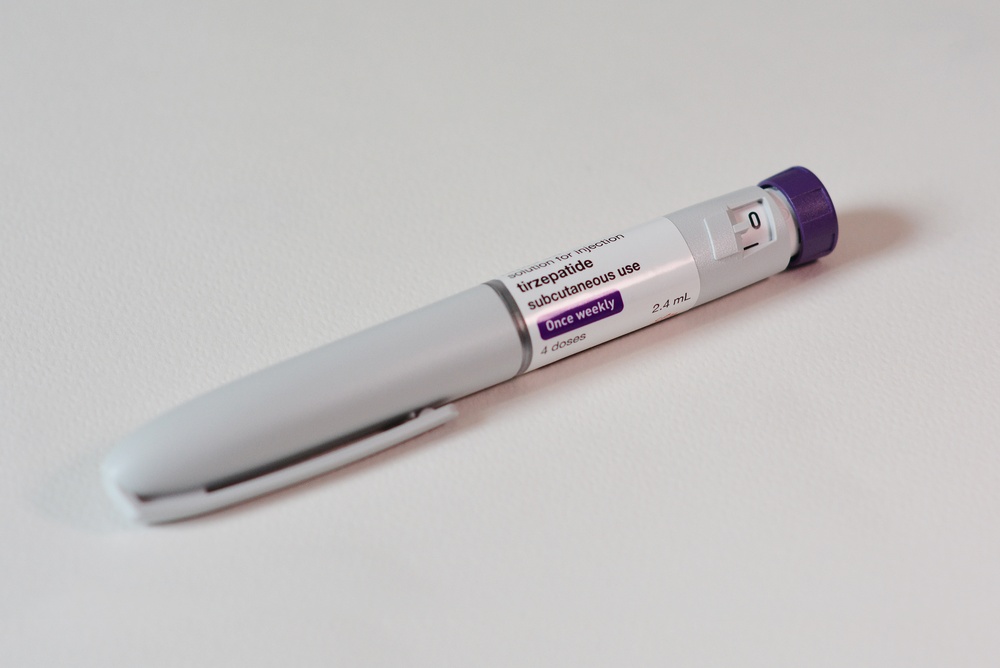
The popularity of GLP-1 medications has surged across the United States since drugs like Ozempic and Wegovy became household names. Prescriptions for weight loss drugs have skyrocketed as millions of people seek medical treatments that can help them manage obesity and related health conditions after years of failed diets and exercise programs.
According to Epic Research data, prescriptions for GLP-1 drugs among U.S. adults have more than quadrupled since 2021. The rise of social media has also fueled demand, with celebrities, influencers, and patients posting dramatic before-and-after transformations online. Videos discussing Ozempic, Wegovy, and similar drugs now regularly attract millions of views across TikTok and Instagram.
Doctors say the appeal of these medications extends far beyond cosmetic weight loss. Research has linked GLP-1 drugs to improvements in blood sugar control, cardiovascular health, mobility, appetite regulation, and obesity-related complications. Many patients also report reduced cravings and fewer episodes of overeating while taking the medications.
At the same time, the massive demand has created shortages, soaring costs, and a growing black market for counterfeit weight loss products. Medical professionals say that trend could become even worse if excitement around newer drugs like retatrutide continues building before approval is granted.
Side Effects Are Still A Major Concern
Despite the excitement surrounding the latest trial results, doctors continue warning that retatrutide remains experimental and has not yet been approved by the FDA. Researchers say more safety data will still need to be reviewed before the medication can become publicly available.
Like other GLP-1 medications, retatrutide was linked to several gastrointestinal side effects during the trial. Eli Lilly said the most commonly reported issues included nausea, diarrhea, vomiting, skin discomfort, and mild to moderate urinary tract infections. Those side effects are similar to problems already reported by many users of existing GLP-1 drugs currently on the market.
The highest dosage in the study also produced the highest discontinuation rate. According to the company, around 11.3% of participants taking the 12 mg dose stopped treatment because of side effects during the clinical trial. Doctors say that detail will likely receive close scrutiny as regulators continue reviewing future data.
Medical professionals are also warning people not to buy retatrutide online or through unofficial sellers while the drug remains unapproved. Experts say products currently being sold as retatrutide could contain unknown ingredients, incorrect dosages, or potentially dangerous substances because there is no regulated commercial version available yet.
The Weight Loss Drug Race Is Only Getting Bigger
Pharmaceutical companies are now pouring billions of dollars into obesity treatment research as demand for GLP-1 medications continues growing worldwide. Analysts believe the market for weight loss drugs could eventually become one of the largest sectors in the pharmaceutical industry, with companies racing to create medications that produce greater weight loss while reducing side effects.
Eli Lilly and Novo Nordisk currently dominate the market through drugs like Zepbound, Mounjaro, Ozempic, and Wegovy, but researchers say the competition is only beginning. Several companies are now developing next-generation obesity medications designed to increase fat loss, preserve muscle mass, and improve long-term health outcomes for patients struggling with obesity.
Researchers are also exploring oral versions of GLP-1 medications, combination therapies, and newer hormone-targeting drugs that could potentially outperform current treatments. Retatrutide’s latest results suggest scientists may still be in the early stages of discovering how powerful these medications could eventually become.

Eli Lilly has said it may seek FDA approval for retatrutide sometime in late 2027 or early 2028. Until then, obesity experts say the drug remains one of the most closely watched developments in the pharmaceutical industry.
bariatric surgery, clinical trial, Eli Lilly, FDA approval, GLP-1 Drugs, health news, medical breakthrough, obesity news, obesity research, obesity treatment, Ozempic, pharmaceutical news, retatrutide, semaglutide, tirzepatide, viral health news, Wegovy, weight loss drug, weight loss injection, Zepbound