
Your cart is currently empty!
The Strange New Status Symbol Men Are Buying One Ear at a Time

Cauliflower ear used to be something fighters earned by accident after years of wrestling, sparring, grappling, and taking hits. Now, according to reports from Russia, some men are allegedly paying to have their ears deliberately damaged so they can look like they have spent years in combat sports.
Contents
show
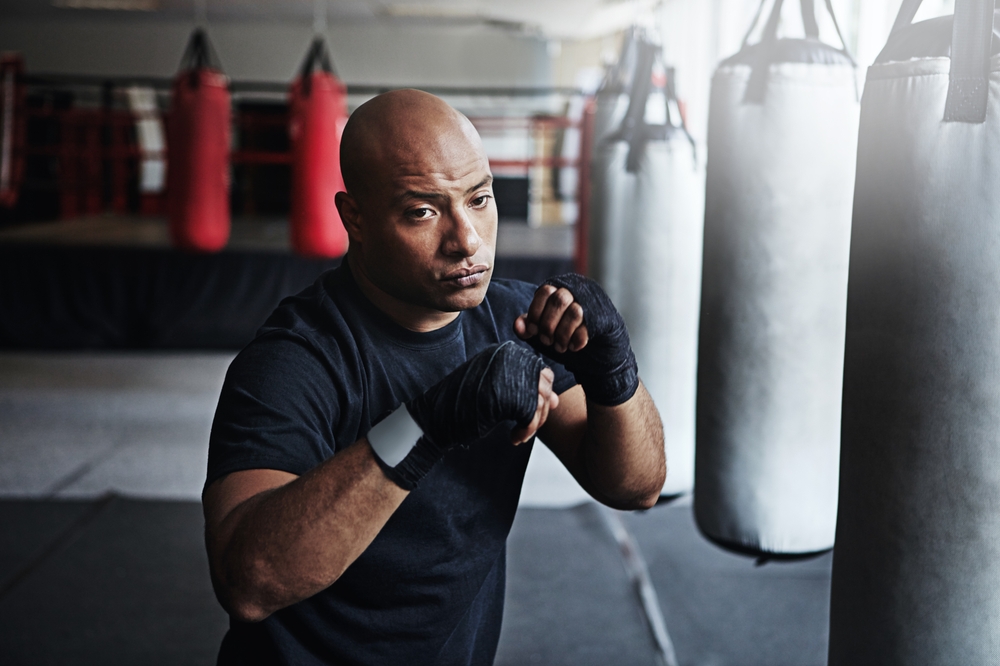
The trend sounds like a social media dare that went too far, but the medical reality is much more serious. Cauliflower ear is not a harmless cosmetic tweak. It is a visible sign of trauma to the outer ear, and doctors usually treat the injury quickly to stop that exact deformity from developing.
Men Are Reportedly Paying for Fighter Ears
The unusual trend was first reported by the Russian Telegram channel Baza and later covered by international outlets. According to those reports, some Russian men are paying practitioners to compress their ears in a way that mimics the trauma that causes cauliflower ear in combat athletes.

_V.jpg)
One practitioner claimed he had a month-long waitlist and was charging 6,000 rubles, around $80, per ear. Clients who want a more dramatic result reportedly need multiple sessions, while demand is strongest in southern Russia, with growing interest in central regions as well.
The motivation being reported is not subtle. The look is allegedly being sought because some men believe it makes them appear tougher or more intimidating. That is what makes the trend so striking: a medical complication that fighters usually try to prevent is being repackaged as a shortcut to looking dangerous.
What Cauliflower Ear Actually Is
Cauliflower ear is a deformity caused by trauma to the outer ear. In fighters, wrestlers, rugby players, and other contact-sport athletes, it often develops after repeated blows, friction, or pressure. Medical authors describe it as “a deformity caused by blunt auricular trauma.”
The injury usually begins when blood collects between the cartilage of the ear and the tissue that nourishes it. That collection of blood is called an auricular hematoma. If it is not treated properly, the cartilage can lose blood supply, scar tissue can form, and the ear can become permanently thickened, hardened, and misshapen.
That is why cauliflower ear has such a specific reputation in combat sports. It is not just a visual style. It usually reflects repeated impact, untreated swelling, or years of physical contact. Buying the appearance without the training changes the meaning entirely.
The Medical Risks Are Bigger Than the Look
The main danger is that the reported procedure is trying to imitate an injury rather than prevent one. Medical sources link untreated or poorly managed auricular hematomas with infection, cartilage damage, permanent deformity, and possible hearing-related complications. The Merck Manual Professional Edition explains that trauma can separate the perichondrium from the cartilage and interrupt the blood vessels that nourish it.
The Merck Manual also warns that if the tissue is not properly reattached, “there can be scarring and permanent deformity of the cartilage.” That is exactly why doctors usually drain auricular hematomas and use pressure dressings or bolsters to stop fluid from collecting again.
A 2024 review found that bolster placement was linked with lower recurrence rates after auricular hematoma treatment. In that study of 48 patients, recurrence was 23.3% with bolster placement compared with 58.3% without it, showing how easily the injury can return when aftercare is not handled properly.
Why Doctors Usually Try to Prevent It
In ordinary medical care, cauliflower ear is treated as a preventable complication. The goal is to drain the hematoma, restore contact between the cartilage and surrounding tissue, and reduce the risk of scarring or deformity. That makes the reported trend especially risky, because it turns a problem doctors normally work to stop into the desired result.
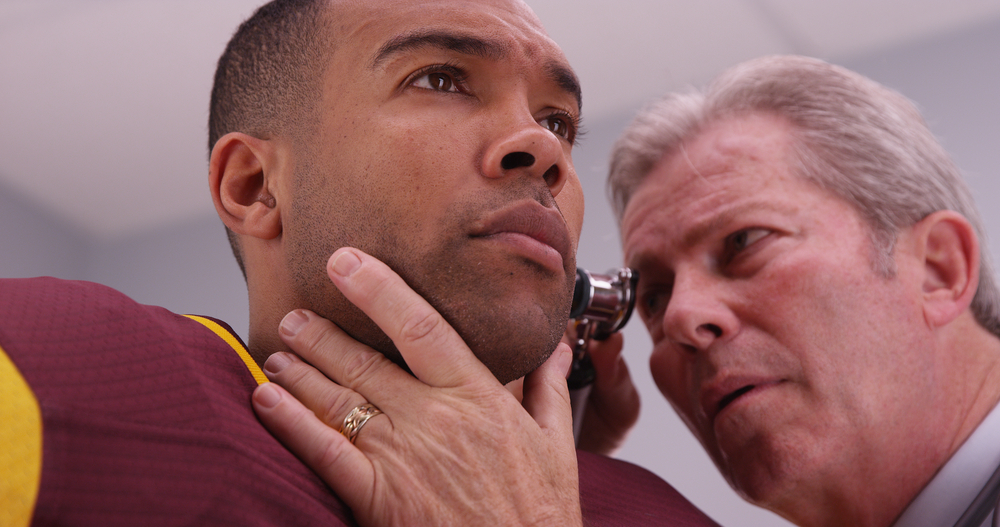
An ear injury may look minor from the outside, but cartilage problems can be difficult to manage. Cartilage has a limited blood supply compared with many other tissues, which can make infection and healing more complicated. If swelling, worsening pain, drainage, fever, or hearing changes appear after ear trauma, a medical assessment is important.
Cauliflower ear can lead to complications, including infections or hearing loss and emphasizes prompt treatment after ear trauma. That warning matters here because a deliberately created injury still carries the risks of a real one.
The Psychology of Buying Toughness
Cauliflower ear has meaning in combat sports because it suggests experience, discipline, pain tolerance, and time spent training. It is one of those marks people inside wrestling, MMA, and grappling circles tend to recognize quickly. For some men outside that world, the appeal appears to be the social signal rather than the sport itself.

Psychologist Ekaterina Trofimova told Moskva 24, as translated in the reports: “Sometimes true strength hides behind a mask of outward composure and absolute tranquility.” She also said: “A person skilled in martial arts may appear indistinguishable from any ordinary person. However, they exude a special calm and confidence that others can intuitively detect. They don’t need to display ostentatious masculinity.”
That gets to the uncomfortable heart of the trend. A deformed ear may suggest toughness to someone passing by, but it does not create confidence, skill, discipline, or restraint. To people who actually train, a manufactured version may be easier to spot than the buyer expects.
Why the MMA Look Carries So Much Weight
Combat sports have moved far beyond niche gyms. MMA fighters are mainstream figures, and training clips, weigh-ins, stare-downs, and post-fight interviews now travel quickly across TikTok, Instagram, YouTube, and Telegram. A physical feature that once marked years of sport-specific damage can become a shortcut symbol in a culture obsessed with visible identity.
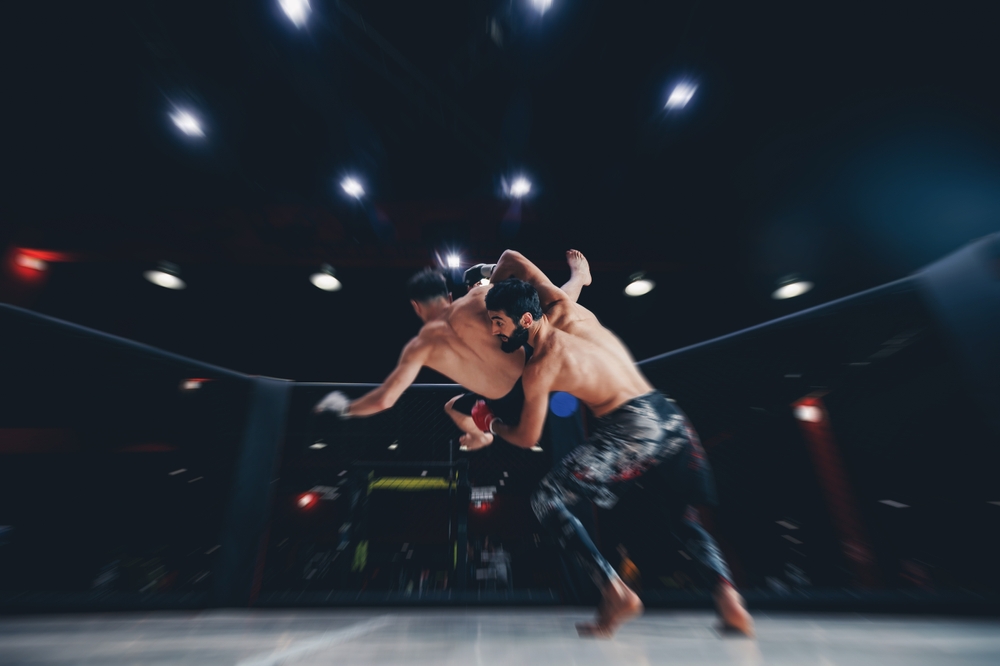
That does not mean every person drawn to the look should be mocked. Body image pressure affects men too, although it often appears as pressure to look stronger, harder, or less vulnerable. The problem is that a scar or deformity can only imitate the image of toughness. It cannot supply the character behind it.
Real training changes more than appearance. It changes patience, movement, posture, confidence, and restraint. A damaged ear alone does none of that, which is why the reported trend feels less like strength and more like a risky attempt to purchase its shadow.
What Readers Should Know Before Copying the Trend
Anyone considering a deliberate cauliflower-ear procedure should understand what is actually being created. This is not comparable to a haircut or a temporary style choice. It involves damaging tissue in a way that doctors usually treat quickly because the long-term outcome can be difficult to reverse.
Warning signs after ear trauma include rapid swelling, worsening pain, discoloration, drainage, fever, and changes in hearing. Those symptoms are not cosmetic details. They can point to hematoma, infection, cartilage damage, or other complications that need prompt medical care.
The safest approach is not to create the injury in the first place. If someone wants the confidence associated with fighters, training offers a far better route than paying for a wound that only looks like experience from a distance.
The Ear Does Not Tell the Whole Story
Cauliflower ear has always carried a strange cultural charge. To some athletes, it is a badge of commitment. To doctors, it is often a preventable complication. To outsiders, it can look intimidating, unusual, or brutal. This reported trend sits at the collision point between all three meanings.

It also shows how quickly the internet can turn almost anything into a purchasable identity, even an injury. There is nothing wrong with wanting to feel stronger, but strength built through discipline is very different from strength borrowed from damage. A fighter’s ear may tell a story. A bought one mostly raises a question: why risk real harm for a symbol that confidence never needed?