
Your cart is currently empty!
Kellogg’s Is Bringing Back One Of The Best Parts Of Childhood Breakfasts
For a certain generation, breakfast used to come with suspense. Kids would tear open a fresh cereal box and immediately start digging through the bag, hoping to grab the toy hidden somewhere inside before anyone else in the house got there first. That ritual slowly disappeared as cereal companies moved away from physical prizes, but now Kellogg’s is reviving one of the most nostalgic parts of childhood mornings with the return of toys inside cereal boxes for the first time in more than 10 years. The comeback is tied to Disney and Pixar’s upcoming “Toy Story 5,” which makes the whole thing feel even more fitting for adults who grew up during the peak era of cereal-box collectibles.
Contents
show
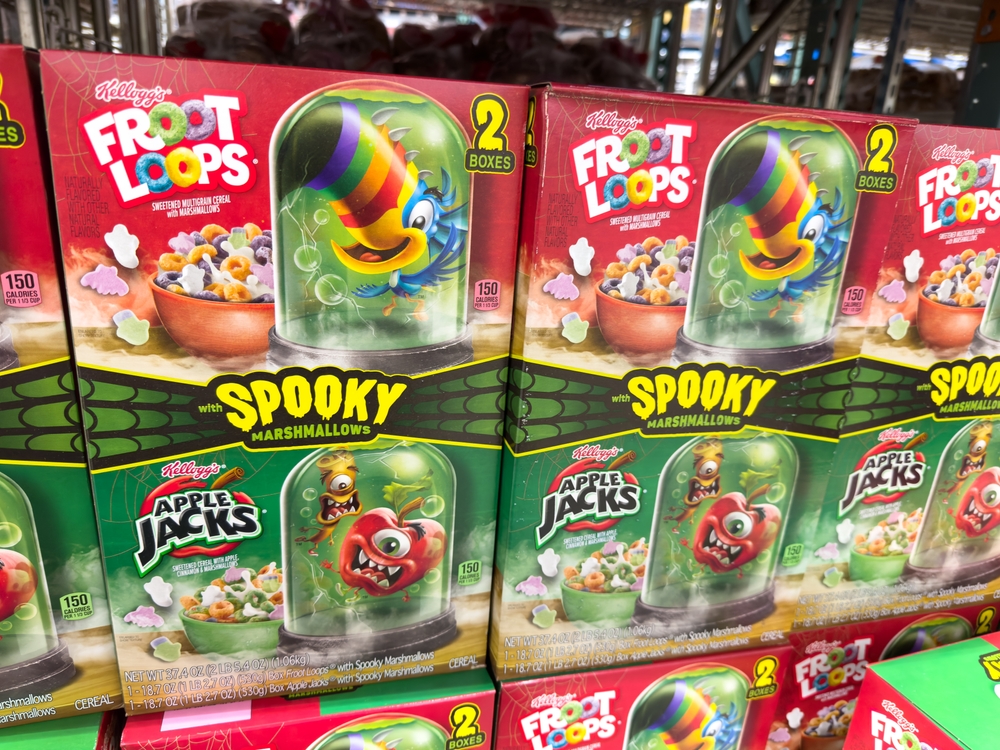
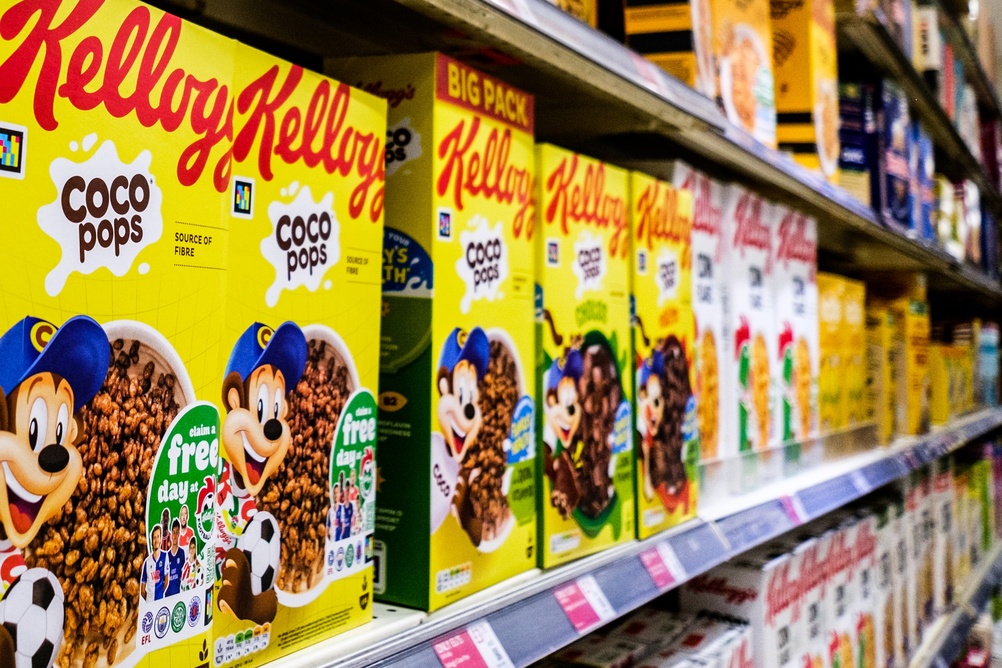
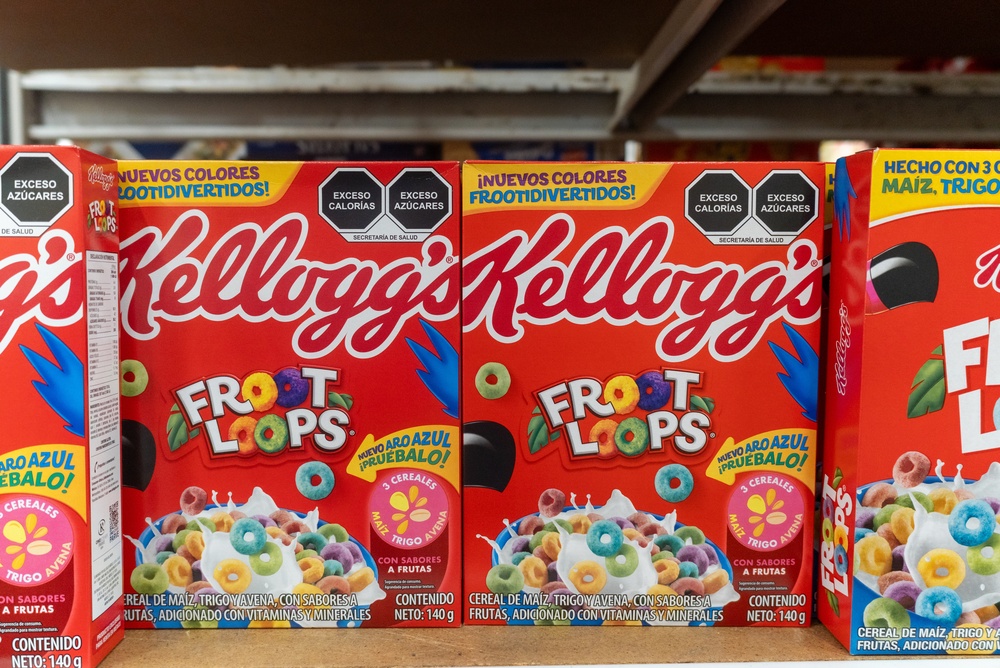
Starting Sunday, special edition boxes of Frosted Flakes, Froot Loops, AppleJacks, and Corn Pops will include small plastic toys based on characters from the new movie. The announcement immediately sparked nostalgia online because cereal prizes were once a massive part of growing up for millions of kids. Long before tablets and smartphones took over breakfast tables, finding a toy buried inside a cereal box felt like winning something. Kellogg’s now wants modern kids and millennial parents to experience that same excitement again through what the company describes as “a simple, screen-free moment of play.”
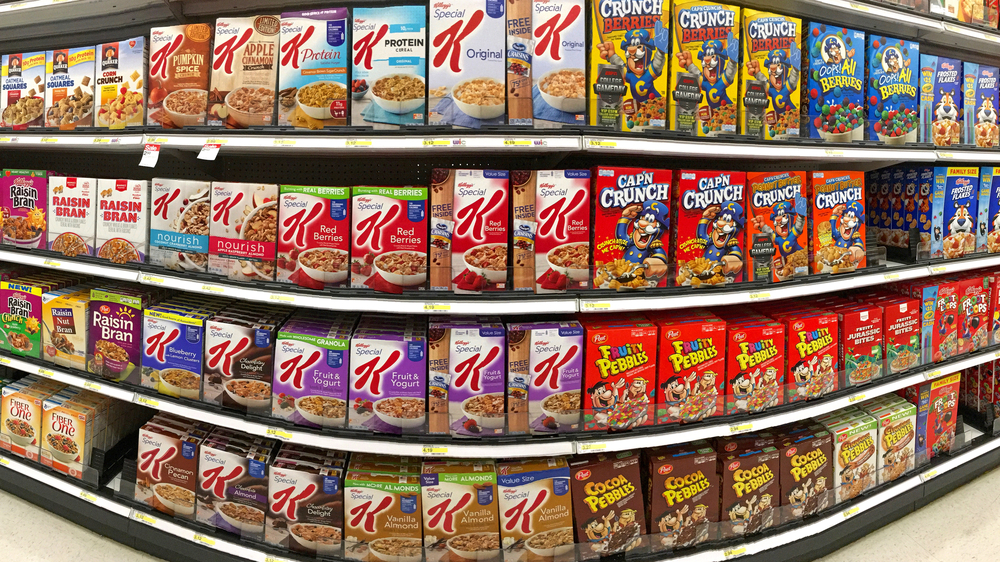
Kellogg’s Is Reviving One Of Breakfast’s Biggest Traditions
WK Kellogg Co. confirmed Thursday that toys are officially returning to cereal boxes after disappearing for more than a decade. The limited-edition promotion begins this weekend and includes collectible plastic toys themed around “Toy Story 5,” which arrives in theaters June 19. The move instantly grabbed attention because cereal-box toys once dominated childhood culture during the 1980s, 1990s, and early 2000s.
Back then, cereal aisles felt more like toy aisles. Companies stuffed boxes with figurines, games, glow-in-the-dark gadgets, comic tie-ins, spoons, stickers, and tiny collectibles that kids obsessed over. The actual cereal sometimes felt secondary to whatever surprise was waiting inside the box. Even cheap plastic prizes became memorable because children never knew exactly what they were about to pull out.
Some of those collectibles are still floating around online decades later. Vintage cereal-box toys are regularly sold on resale sites, including old Batman coin banks, stuffed mini bears from cereal promotions, and tiny plastic submarines from Kellogg’s boxes dating back to the 1950s. For many adults, those toys became tiny snapshots of childhood that somehow survived years of moving houses and cleaning out closets.
Why Cereal Box Toys Suddenly Vanished
The disappearance of cereal-box prizes was gradual, but several major factors pushed companies away from them. Manufacturing costs increased as cereal brands faced more competition and shifting eating habits. Families were buying less cereal overall, and companies started looking for cheaper promotional strategies that did not require placing physical objects inside food packaging.
Safety concerns also became a major issue over the years. Kellogg faced criticism in 2004 after Spider-Man watches included inside cereal boxes contained mercury batteries. The company had also previously recalled toy flutes and binoculars after the U.S. Consumer Product Safety Commission determined they could create choking hazards for children.
As safety regulations tightened, many companies shifted toward digital promotions instead. QR codes, downloadable games, sweepstakes, and online rewards slowly replaced physical prizes. At the same time, childhood entertainment itself was changing. Kids who once spent mornings searching through cereal boxes were now spending that same time watching YouTube videos, scrolling apps, or playing games on tablets.
The “Toy Story 5” Partnership Fits Perfectly
Kellogg said the collaboration with Disney and Pixar felt like the right way to reintroduce toys because the upcoming movie itself explores the growing tension between traditional toys and modern technology. According to Disney, “Toy Story 5” follows Woody, Buzz Lightyear, Jessie, and the rest of the gang as they struggle to compete with a new tablet device named Lilypad.
Laura Newman, Vice President of Brand Marketing at WK Kellogg Co., explained why the company believed the campaign mattered beyond simple nostalgia. She said, “At Kellogg’s, there’s a real sense of childhood nostalgia tied to the moments families remember most – and breakfast is a big part of that. Bringing toys back inside the box reintroduces that sense of discovery through a simple, screen-free moment of play that parents can now share with their own kids. Collaborating with Toy Story 5, which explores the role of toys in a tech-driven world, made this moment even more meaningful.”
Disney executives leaned into the same message while discussing the partnership. Lylle Breier, Executive Vice President, Partnerships, Promotions, Synergy & Events at The Walt Disney Studios, said, “At the heart of Toy Story 5 is the idea that toys inspire creativity, friendship and play. We are delighted to collaborate with Kellogg’s on their Toys Back in the Box campaign that gives families a fun way to explore the playful world of Woody, Buzz Lightyear, Jessie and the gang.”
Millennials Instantly Recognized The Feeling
For many millennials, the announcement triggered memories that had almost disappeared. Opening a cereal box used to feel like a small event before school or on Saturday mornings. Some kids shook the entire box to guess where the toy was hiding. Others ripped open the bottom of the package to grab the prize first without crushing the cereal itself.
The toys were usually simple, but the excitement around them felt massive at the time. Popular cereal-box prizes included mini Hot Wheels cars, Pokémon collectibles, cartoon figurines, glow-in-the-dark spoons, tiny games, and movie tie-ins connected to major releases during the 1990s and early 2000s. Even when the prizes cost almost nothing to make, they created a level of anticipation that modern digital marketing rarely matches.
That unpredictability is part of why the comeback resonates so strongly now. Streaming platforms recommend content instantly, algorithms constantly predict what people want to watch, and most entertainment arrives through screens. Digging through a cereal box for a random toy suddenly feels old-fashioned in a way that many adults seem to miss.
Kellogg’s Is Leaning Hard Into Nostalgia Marketing
Nostalgia has become one of the most powerful marketing tools in entertainment and advertising. Companies regularly revive old menu items, reboot classic franchises, relaunch retro gaming consoles, and bring back discontinued products because millennial consumers respond strongly to reminders of childhood experiences.
Kellogg clearly understands that this campaign is targeting parents just as much as children. The company is not simply trying to sell cereal through movie tie-ins. It is selling the memory of simpler mornings before screens dominated every part of daily life. That emotional connection is a major reason nostalgia campaigns continue performing so well online.
Several factors also make retro marketing especially effective right now:
- Millennials are now major household spenders
- Parents enjoy sharing childhood experiences with their kids
- Collectibles still create emotional attachment
- Retro products perform well on social media
- Familiar brands feel comforting during stressful times
The connection to “Toy Story” makes the campaign even stronger because the franchise itself revolves around emotional attachment to childhood toys. The movies have spent decades reminding audiences why physical toys still matter, even in increasingly digital lives.
Fans Can Visit A Giant Toy Story Claw Machine
To celebrate the launch, Kellogg is also hosting a large promotional event at The Grove in Los Angeles. Fans attending the event can try a giant interactive claw machine inspired by “Toy Story” along with other themed activities tied to the movie’s release.
Disney also revealed additional details about “Toy Story 5,” including the return of Tom Hanks as Woody, Tim Allen as Buzz Lightyear, and Joan Cusack as Jessie. The film introduces Greta Lee as the voice of Lilypad, a tablet device that challenges the toys’ role in Bonnie’s life. According to Disney, the story asks whether traditional play can still compete with technology-driven entertainment.
That question probably explains why this cereal campaign is getting so much attention. The return of toys inside cereal boxes feels strangely personal for adults who remember what breakfast looked like before smartphones took over childhood routines.
A tiny plastic toy buried inside a cereal box may not sound like a huge deal on paper. For a lot of people, though, it represents a version of childhood that feels increasingly difficult to recreate.