
Your cart is currently empty!
Parents Are Driving The Rise Of Adults Only Restaurants

A quiet dinner out used to be one of the simplest pleasures of adult life. Now, for a growing number of Americans, it feels harder to find.
Contents
show
New research shows that diners across the United States are increasingly supporting adults-only restaurant spaces, especially during late-night hours, romantic dinners, and alcohol-focused experiences. The shift is not coming only from people without children either. Parents themselves are among the strongest supporters.
The Push For Adults-Only Dining Is Growing Fast

A new survey from Lightspeed Commerce found that 75% of consumers believe restaurants should offer some form of adults-only dining experience.
The findings point to a major cultural shift in how people think about eating out. Instead of restaurants trying to serve every kind of customer at all times, many diners now want experiences tailored to specific moods and settings.
That could mean quiet date-night spaces, rooftop lounges without toddlers running between tables, or restaurants limiting children during later evening hours.
The strongest support appeared around nighttime dining.
Nearly half of consumers surveyed supported restricting children during late-evening hours, while 46% favored dedicated adults-only sections inside restaurants. Another 46% said romantic dining settings should remain child-free.
Alcohol-focused venues also ranked high. Forty-three percent of people supported restrictions in places centered around drinking or nightlife.
Adoniram Sides, senior vice president of hospitality product at Lightspeed Commerce, said the findings reflect changing expectations around social experiences.
“The clearest signal in the data is that adults-only dining is no longer a niche concept tied to luxury or exclusivity,” Sides explained.
He added that restaurants are increasingly creating “situational experiences” where customers pay as much for atmosphere as they do for food.
That atmosphere matters more than ever in a restaurant industry fighting for customers who are spending carefully and going out less often.
Parents Are Surprisingly Leading The Trend
One of the most unexpected findings from the survey involved parents themselves.
Instead of opposing adults-only spaces, many parents actively supported them.
According to the research, 79% of parents favored some form of adults-only dining option.
That number surprised many observers because the debate around child-free restaurants is often framed as parents versus non-parents.
The data suggests the reality is more complicated.
Many mothers and fathers appear to understand the appeal of stepping into an environment designed for adults, especially after spending most of their daily lives surrounded by noise, schedules, and constant responsibility.
Sides said the trend appears less connected to hostility toward children and more connected to how modern adults want to spend their free time.
“What’s particularly striking is that parents are even more supportive than non-parents,” he said.
That shift reflects broader lifestyle changes.
Restaurants today are expected to provide experiences, not simply meals. Diners increasingly choose places based on mood, energy, comfort, and social atmosphere.
For some customers, that means wanting family-friendly restaurants with activity menus and kid-friendly spaces.
For others, it means wanting the opposite.
The survey found that half of respondents said the rules should depend on the setting. Only 26% supported outright child-free restaurants across the board.
That distinction matters.
Most diners are not calling for children to disappear from restaurants entirely. They are asking for more choice.
Restaurant Owners Say Atmosphere Has Become Part Of The Product
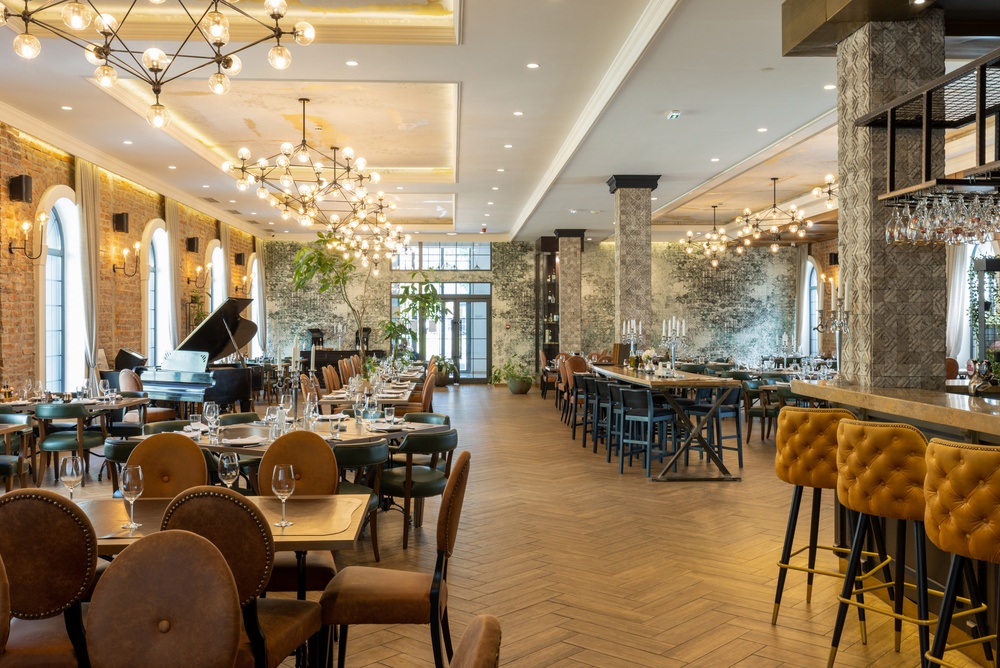
Some restaurant owners say they reached the adults-only decision after years of trying to balance competing expectations.
At Capo’s Restaurant and Speakeasy in Las Vegas, owner Nico Santucci said his business originally allowed children during its first decade before eventually shifting toward an adults-only model.
“In a speakeasy, particularly in Las Vegas, people get pretty loose,” Santucci explained.
He said guests often wanted to relax, speak freely, and enjoy nightlife without worrying about children nearby.
Santucci compared the experience to sitting beside a screaming toddler during a flight.
“It’s a whole different flight,” he said.
For many restaurants, especially upscale venues and nightlife-focused businesses, atmosphere has become part of the product itself.
People are not simply paying for steak or cocktails. They are paying for quiet, intimacy, celebration, and escape.
That expectation has intensified as restaurant prices continue climbing.
When couples spend hundreds of dollars on a night out, many want an environment that feels curated and controlled.
Other restaurant owners have taken a more flexible approach.
Vicki Parmelee, owner of Jumby Bay Island Grill in Florida, said her restaurant remains family-oriented but still accommodates diners who request quieter seating.
“I would definitely accommodate someone if they asked to be seated away from children,” she said.
Parmelee also noted that her restaurant already enforces adults-only policies around bar areas later at night for safety reasons.
That middle-ground strategy may become more common as restaurants attempt to satisfy multiple customer groups without fully alienating families.
The Debate Around Kids In Restaurants Has Been Building For Years
The adults-only trend did not appear overnight.
Restaurants in Europe began experimenting with child restrictions years ago, though many initially faced intense backlash.
One of the most famous examples came from Germany in 2018 when a restaurant called Oma’s Küche introduced a ban on children under 14 after 5 p.m.
The owner described the goal as creating an “oasis of peace” for adult diners.
The reaction online was explosive.
Critics accused the restaurant of hating children, while supporters argued that adults deserved quiet spaces too.
Despite the controversy, the restaurant kept the policy in place.
The same pattern has appeared elsewhere.
The Whippet Inn in York, England, also adopted child restrictions and faced waves of negative reviews and angry online comments.
Yet the business survived and continued operating with the policy intact.
Over time, the outrage surrounding adults-only spaces appears to have softened.
Today, adults-only hotels, cruises, resorts, and restaurants exist across Europe, North America, and parts of Asia.
Virgin Voyages operates entirely child-free cruise experiences. Some luxury resorts market their adults-only status as a primary selling point.
Even traditionally family-heavy brands have started adapting.
Disney cruise ships now offer adults-only pools where parents can escape the chaos for a few hours.
That shift highlights a reality many businesses have quietly recognized.
Different customers want different experiences.
The restaurant industry spent years trying to maximize inclusivity by welcoming everyone equally into the same spaces.
Now businesses are experimenting with segmentation instead.
Etiquette Experts Say The Real Issue Is Behavior

Not everyone believes restaurants should focus on age restrictions.
Some experts argue that behavior matters more than whether children are present.
Etiquette expert Jacqueline Whitmore said restaurants should encourage respectful dining from all guests rather than focusing entirely on bans.
“Dining out is not only about the meal,” Whitmore explained. “It is a social experience that teaches children how to behave in public.”
Whitmore added that parents should remain mindful of noise levels and disruptive behavior.
That perspective reflects another reality within the debate.
Many diners are not upset by children themselves. They are frustrated by uncontrolled behavior, excessive noise, or parents who appear disengaged while other customers deal with the disruption.
Restaurant workers often find themselves trapped in the middle.
Servers and managers must balance the expectations of families, couples, older diners, tourists, and nightlife crowds simultaneously.
A screaming child can upset nearby tables.
A drunk adult can ruin the atmosphere just as quickly.
That complexity is why some businesses prefer softer solutions instead of blanket bans.
Common approaches now include:
- Adults-only sections inside larger restaurants
- Child restrictions after certain evening hours
- Separate bar and lounge areas
- Quiet seating zones for couples or older diners
- Family-focused daytime dining paired with adult nightlife later
These models allow restaurants to shape atmosphere without completely excluding families.
The strategy also gives customers more control over the kind of experience they are booking.
Dogs Are Becoming More Welcome Than Kids In Some Spaces

One of the most surprising parts of the research involved dogs.
While support for adults-only dining continues rising, support for dog-friendly restaurants is climbing too.
According to the Lightspeed survey, 45% of diners support allowing dogs inside or around restaurants in some form.
Sixteen percent said they were comfortable with dogs both indoors and outdoors, while another 29% supported dogs in outdoor dining areas only.
The generational divide was enormous.
Among Baby Boomers, only 35% supported dog-friendly restaurant policies.
Among Gen Z diners, support jumped to 64%.
That gap reflects changing attitudes around pets, companionship, and lifestyle identity.
For younger adults, dogs increasingly function as family members, social companions, emotional support systems, and lifestyle accessories all at once.
Restaurants have noticed.
Across major cities, dog menus, pet patios, dog-themed cafes, and pet-friendly brunch spaces are becoming increasingly common.
Some businesses now advertise dog access more aggressively than children’s menus.
That shift would have sounded bizarre twenty years ago.
Today, it feels almost normal.
The contrast between rising support for dogs and growing restrictions around children says something larger about modern social life.
Americans increasingly prioritize customizable environments where they can shape comfort around their preferences.
For some diners, a calm dog sleeping beneath a table feels less disruptive than a child watching cartoons at full volume on an iPad.
That comparison has become part of the broader cultural conversation surrounding restaurants, parenting expectations, and public behavior.
Gen Z Is Reshaping Restaurant Culture Entirely
The survey also revealed that Gen Z consumers are changing restaurant habits far beyond the adults-only debate.
Younger diners increasingly approach restaurants as shared social experiences rather than traditional sit-down meals.
More than half of Gen Z respondents said they preferred family-style dining where groups share multiple dishes.
Only 13% said they preferred ordering an entirely separate meal for themselves.
That preference reflects social media culture, rising menu prices, and changing attitudes around eating.
Shared plates create more opportunities for photos, variety, and group interaction.
Economic pressure plays a role too.
Nearly four in ten consumers overall said rising restaurant costs have pushed them toward splitting dishes or ordering less food.
Dating habits are shifting as well.
Thirty percent of Gen Z diners said they split the bill on dates, compared to far lower percentages among older generations.
Traditional restaurant expectations around gender roles, ordering etiquette, and formal dining behavior continue fading among younger customers.
At the same time, Gen Z consumers are highly focused on wellness.
The survey found that 85% of Gen Z diners said health-linked ingredients influence what they order at restaurants.
Protein-heavy meals, gut-health ingredients, and wellness-focused menus now play a major role in dining decisions.
That combination of health awareness, shared dining, flexible social norms, and personalized experiences is reshaping restaurant culture from top to bottom.
Restaurants that fail to adapt may struggle to attract younger customers.
The Restaurant Industry Is Trying To Serve Two Completely Different Worlds
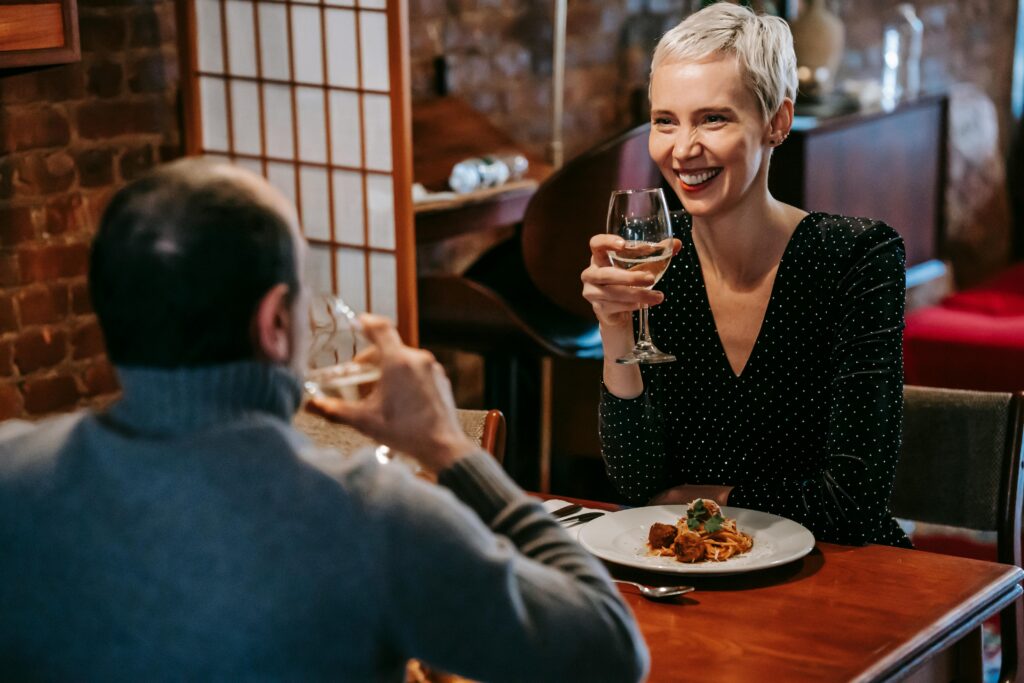
One reason the adults-only debate feels so intense is because restaurants are trying to satisfy two very different versions of modern life at once.
Families often want welcoming spaces where children can feel comfortable, move around, and participate in public life.
Other diners want restaurants to function as escapes from noise, stress, and overstimulation.
Neither expectation is unreasonable.
The challenge comes when both groups occupy the same room during the same moment.
Modern dining culture has also changed dramatically over the last decade.
Restaurants increasingly rely on atmosphere and branding instead of food alone.
Instagram aesthetics, curated playlists, candlelit interiors, rooftop cocktails, tasting menus, and immersive concepts all push restaurants toward experience-driven business models.
That environment naturally creates more tension around noise and disruption.
A family restaurant with crayons and balloons creates one type of atmosphere.
A dimly lit cocktail lounge charging $24 per drink creates another.
Customers now expect businesses to define those environments clearly.
That expectation explains why so many survey respondents favored partial restrictions instead of total bans.
Many consumers seem comfortable with children at breakfast spots, casual lunch restaurants, outdoor cafes, and daytime dining spaces.
The strongest support for restrictions appears during late evenings, romantic settings, and nightlife-heavy environments.
The distinction is less about excluding families from society and more about matching environments to customer expectations.
Adults-Only Spaces Are No Longer Seen As Extreme
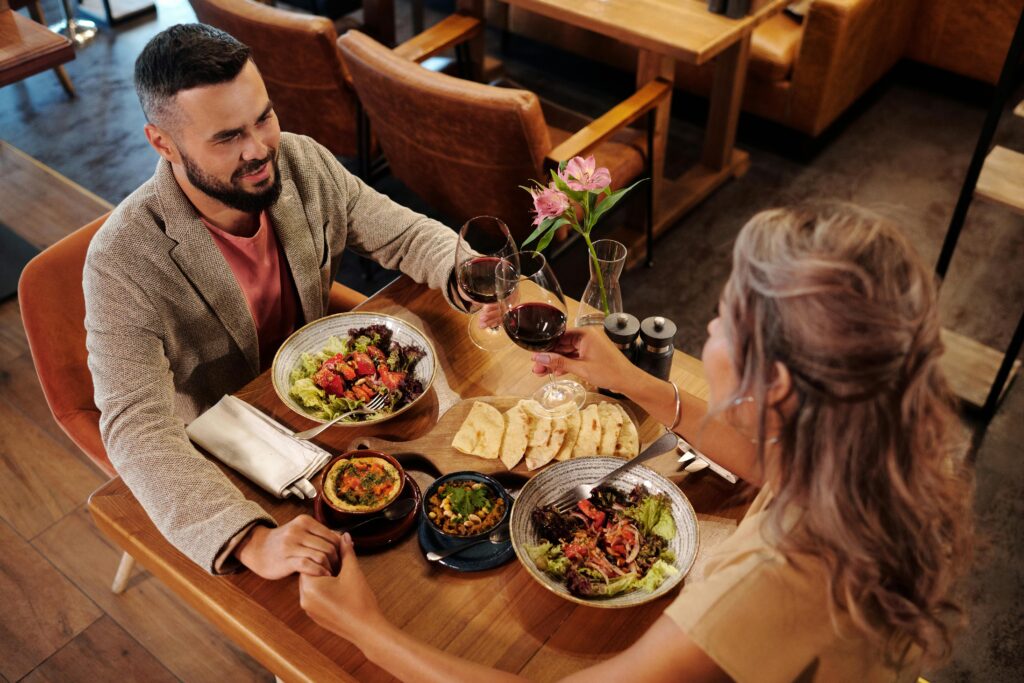
Just a few years ago, restaurants that introduced child restrictions often faced public outrage.
Today, the idea appears far more mainstream.
The Lightspeed findings suggest adults-only dining has shifted from controversial niche concept to accepted hospitality strategy.
That does not mean most restaurants will become child-free overnight.
Family dining remains enormously profitable, especially in suburban areas and tourist-heavy destinations.
But the industry is clearly moving toward more segmented experiences.
Hotels already embraced the concept years ago.
Airlines experiment with quiet zones and adult seating sections.
Cruise lines offer adults-only spaces alongside family entertainment.
Restaurants now appear headed in the same direction.
The debate surrounding children in public spaces also taps into broader conversations about modern parenting, overstimulation, work stress, and changing social expectations.
Americans are spending more money than ever chasing comfort and convenience.
For some diners, that comfort means bringing children everywhere.
For others, it means temporarily escaping from them.
The survey results suggest both groups are likely to shape the future of dining at the same time.
Restaurants that survive may be the ones that stop trying to force every customer into the exact same experience.
The modern restaurant is no longer just a place to eat.
For millions of customers, it has become a place where atmosphere matters just as much as the menu.
Sources:
- Viviani, N. (2026, May 27). No kids, more dogs, and family-style platters: Welcome to the future of dining. LiveNOW From FOX | Breaking News, Live Events. https://www.livenowfox.com/news/no-kids-more-dogs-family-style-platter-welcome-future-dining