
Your cart is currently empty!
Landlord Targeted by Mamdani Will Forgive Back Rent in 5,100 NYC Apartments
Across more than 5,000 apartments in New York City, thousands of tenants recently received news that rarely arrives for renters who have fallen behind: the years of back rent they owed, totaling millions of dollars, are being wiped clean. No repayment plan, no settlement negotiated dollar by dollar, no court judgment hanging over their heads. A blank slate.
Contents
show
The forgiveness did not come from a sudden act of generosity. It emerged from a tangle of events involving a bankrupt landlord, a federal court fight, a newly elected mayor who tried to stop a sale and lost, and years of tenant organizing that refused to let up. Understanding how this concession came about reveals as much about the state of New York’s rent-stabilized housing as it does about the people who live in these particular buildings.
What the New Owner Agreed to Do
Summit Properties acquired a 93-building portfolio from the bankrupt Pinnacle Group in March 2026. During a recent meeting with leaders from the Union of Pinnacle Tenants, which represents residents across four boroughs, the company agreed to forgive the back rent that tenants had accumulated in the years before the sale.
The agreement came with one condition, stated plainly by a company spokesperson. “If residents stay current on their rent, we won’t pursue arrears,” Summit spokesperson Jordan Barowitz told Gothamist.
In other words, tenants who keep up with their payments going forward will not be chased for what they owed before Summit took over. The company is still working out exactly how many tenants carry back rent and how much each owes, but Barowitz confirmed the total runs into the millions of dollars. For residents who had been living under the threat of eviction over those debts, the practical effect is immediate relief from a financial burden many had no realistic way of clearing.
Why So Many Tenants Were Behind

The back rent did not accumulate for a single reason, and the distinction matters to how tenants and their advocates understand what just happened. Some residents fell behind because they genuinely could not afford their monthly payments. Others stopped paying on purpose, withholding rent in protest after years of living in conditions they considered unsafe.
Those conditions, as described by tenants, went well beyond ordinary maintenance complaints. Vivian Kuo, a tenant union representative who lives in a Summit building in the Hamilton Heights section of Harlem, described an environment that had deteriorated badly under the previous owner. Tenants dealt with caved-in ceilings, heat outages, and hallways left dark after Con Edison cut common-area electricity because the landlord had not paid the bills.
“Your home should be safe and there are certain basic standards — heat, hot water, ceilings and walls that don’t have massive holes, doors that lock, a fire escape you can actually escape from,” Kuo said. “These are things that we should have.”
The scale of the legal pressure tenants faced under Pinnacle is visible in court records. A review of those records shows that at least 84 separate limited liability companies linked to Pinnacle filed at least 2,569 nonpayment eviction lawsuits in the five years between April 2021 and April of this year, when Summit took control. That volume of eviction filings, spread across dozens of shell companies, gives some sense of how the previous ownership approached tenants who fell behind, and why the new owner’s forgiveness of those same debts feels to residents like a reversal of years of adversarial treatment.
A Victory the Tenants Organized For

The rent forgiveness did not fall into tenants’ laps. The Union of Pinnacle Tenants framed it explicitly as the product of sustained organizing, and celebrated it on those terms.
Kuo described the concession as a meaningful and concrete result rather than a symbolic gesture, calling it a big victory and a real direct monetary redress of people’s issues. That framing matters because it positions the outcome within a longer story of collective action. These were tenants who organized across four boroughs, maintained pressure through a bankruptcy and a change in ownership, and ultimately secured a tangible financial result from a landlord who was under no legal obligation to forgive a cent of what was owed.
How the Mayor Got Involved
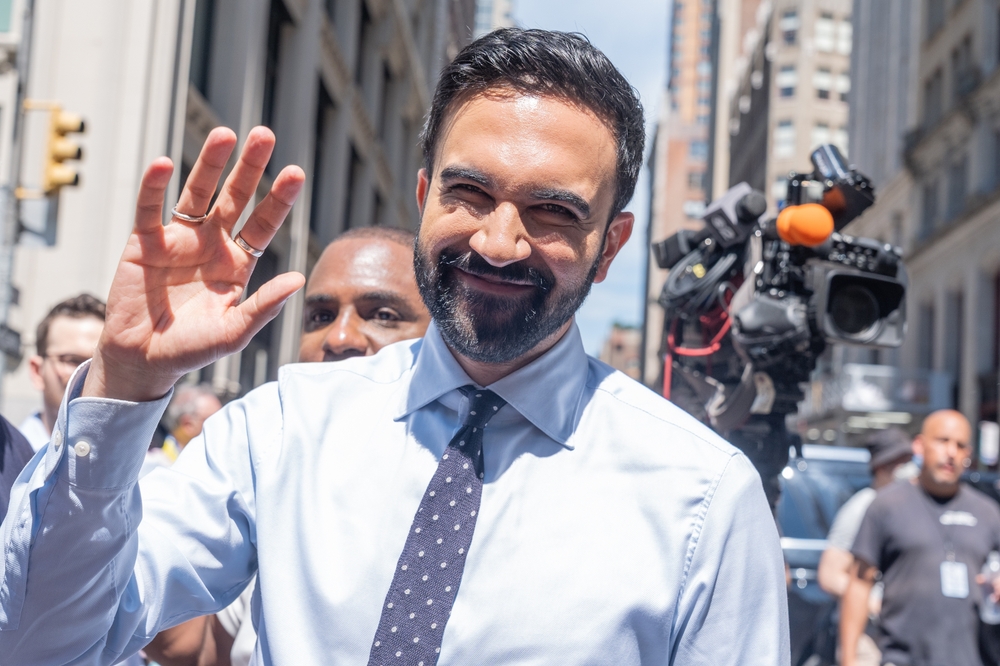
The Pinnacle portfolio became a focal point of Mayor Zohran Mamdani’s housing agenda almost immediately after he took office. In one of his first official acts, Mamdani directed city lawyers to intervene in the pending bankruptcy sale, citing the city’s standing as a creditor. Pinnacle owed the city nearly $13 million in back taxes and fines, attorneys said at the time.
That intervention was an early signal of how Mamdani intended to govern on housing. During his campaign, he had pledged to steer building sales toward owners that city officials and tenant groups considered more responsible, and the Pinnacle case offered an early test of whether that pledge could translate into action. The move fit a broader pattern established on his first full day in office, when Mamdani signed a series of executive orders focused on tenant protections, including reviving the Mayor’s Office to Protect Tenants and appointing Cea Weaver, a nationally recognized tenant organizer who helped pass New York’s 2019 tenant protection laws, to lead it.
When the Plan Hit a Wall

The intervention did not unfold the way the city hoped, which complicates any simple narrative of a mayor swooping in to rescue tenants.
For one thing, Summit had already lined up its bid for the portfolio before Mamdani took office. The sale was further along than a fresh intervention could easily reverse. And when the city tried to slow the transaction, the effort failed. A federal judge rejected the city’s attempt after a marathon court hearing in January, clearing the way for Summit to finalize its $451 million purchase two months later.
The financial structure of the deal explains part of why it went through. Summit told the court that the purchase was feasible because lenders agreed to shave $275 million off the buildings’ loans, which let the company spend less on debt repayment and more on actually operating the buildings. That detail is significant because the crushing debt loads carried by many distressed rent-stabilized portfolios are precisely what tend to leave tenants stuck in deteriorating conditions, as owners divert money toward loan payments and away from repairs.
Despite losing the legal fight to halt the sale, city officials and tenants did not walk away empty-handed. They framed the outcome as a success because their pressure produced a set of binding commitments from Summit’s leadership that would not otherwise have existed.
The Repairs Summit Promised, and the Fight Over Them
Summit CEO Zohar Levy made specific commitments during the bankruptcy process. In a January court declaration, he agreed to spend $30 million on renovations over the next five years and to resolve half of the roughly 6,500 housing code violations in the portfolio within two months of the purchase. That deadline arrived on June 1.
By that date, Summit and the two property managers it hired had fixed roughly 3,500 violations, technically meeting the commitment. But the picture grew more complicated in April, when a city housing inspection blitz across 22 buildings caused the total violation count to balloon to more than 12,500. The question of whether Summit is genuinely improving the buildings or merely keeping pace with a problem that keeps expanding became a point of dispute between the company and the tenant union.
Barowitz, speaking for Summit, presented the company’s record in favorable terms, saying it had fixed hundreds of apartments, cured thousands of violations, and exceeded its commitment. The tenant union saw the surge in recorded violations differently, and organizer Jesse Ryan pushed back on the idea that the new numbers represented new problems.
“They’re not new issues, they’re newly recorded,” Ryan said. “We believe those new numbers aren’t a reflection of new issues, but rather the record-keeping catching up to reflect the picture of how many issues there are in these buildings.” Ryan’s interpretation reframes the ballooning violation count not as evidence of new decay but as the documentation finally catching up to the true condition of buildings that had been deteriorating for years. Under that reading, the real number of problems was always high; the inspections simply made it visible. Tenants expect Summit to address the newly recorded violations as quickly as it addressed the ones counted at the time of purchase.
A Problem Bigger Than One Portfolio
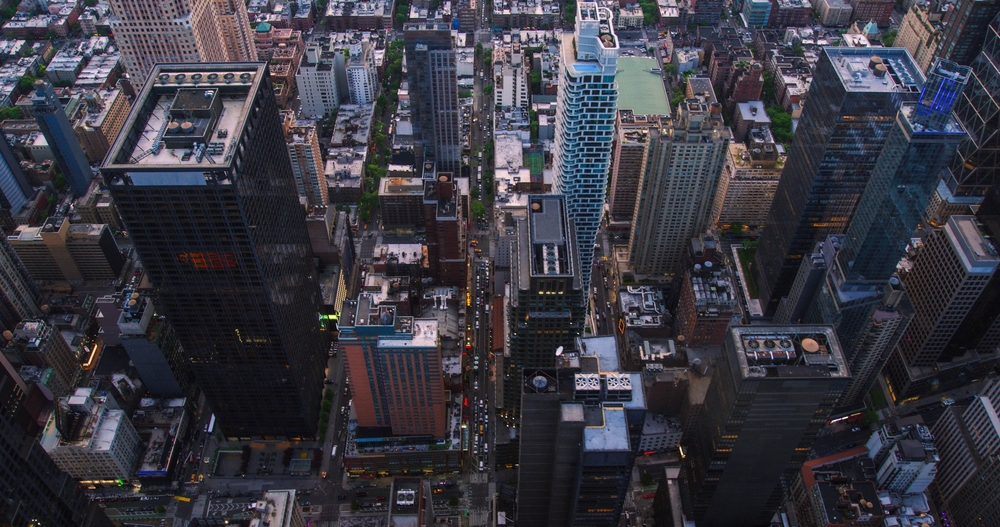
Pinnacle’s collapse was not an isolated failure. It is one visible instance of a structural problem running through New York City’s rent-stabilized housing. Many owners of these buildings took out heavy loans to finance their purchases, betting they could push apartments out of the rent-stabilization system and raise rents to service the debt. That business model depended on tactics that New York’s 2019 tenant protection laws made illegal, and the change left a wave of owners holding buildings worth far less than the loans against them.
When those owners cannot make their debt payments, the consequences tend to land on tenants in the form of deferred maintenance, unsafe conditions, and aggressive eviction practices. The Pinnacle bankruptcy, the $275 million in loan reductions that made the Summit purchase viable, and the backlog of thousands of violations are all symptoms of that same underlying dynamic, which extends well beyond these particular 93 buildings.
What Still Has to Happen
The back rent forgiveness is a real and significant win, and it arrived because tenants organized toward it for years rather than waiting for relief to materialize. That much is settled.
What remains unsettled is everything that comes after. Whether Summit addresses the more than 12,500 recorded violations as quickly as tenants expect, whether the $30 million renovation commitment produces genuinely livable conditions across all 93 buildings, and whether this entire model, combining tenant organizing, city pressure, and a debt-restructured buyer, can be repeated across the other distressed portfolios facing the same financial bind, are all open questions. A landlord forgiving millions in back rent is the kind of outcome tenant advocates rarely get to celebrate. Holding that same landlord to its promises on conditions is the longer and less dramatic work that begins now.
back rent forgiveness, Cea Weaver tenant office, distressed housing portfolio, housing code violations NYC, Mamdani housing policy, NYC housing crisis, NYC tenant protections, Pinnacle Group bankruptcy, rent arrears forgiveness, rent stabilization 2019 law, rent stabilized apartments NYC, Summit Properties NYC, tenant organizing New York, Union of Pinnacle Tenants, Vivian Kuo tenant union, Zohran Mamdani mayor